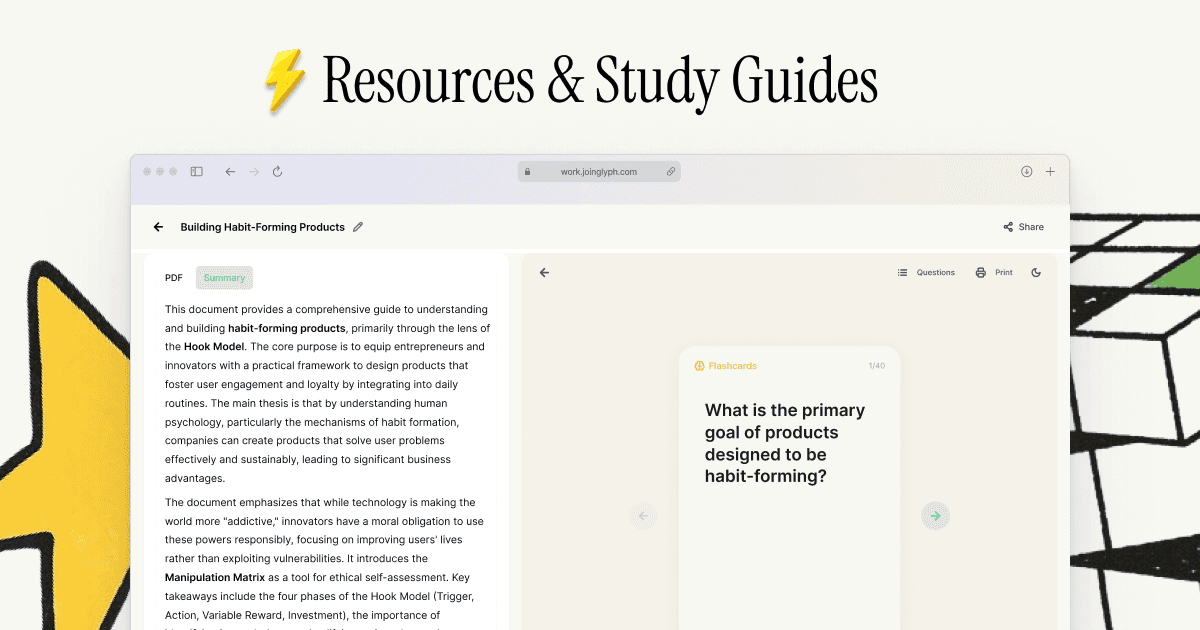
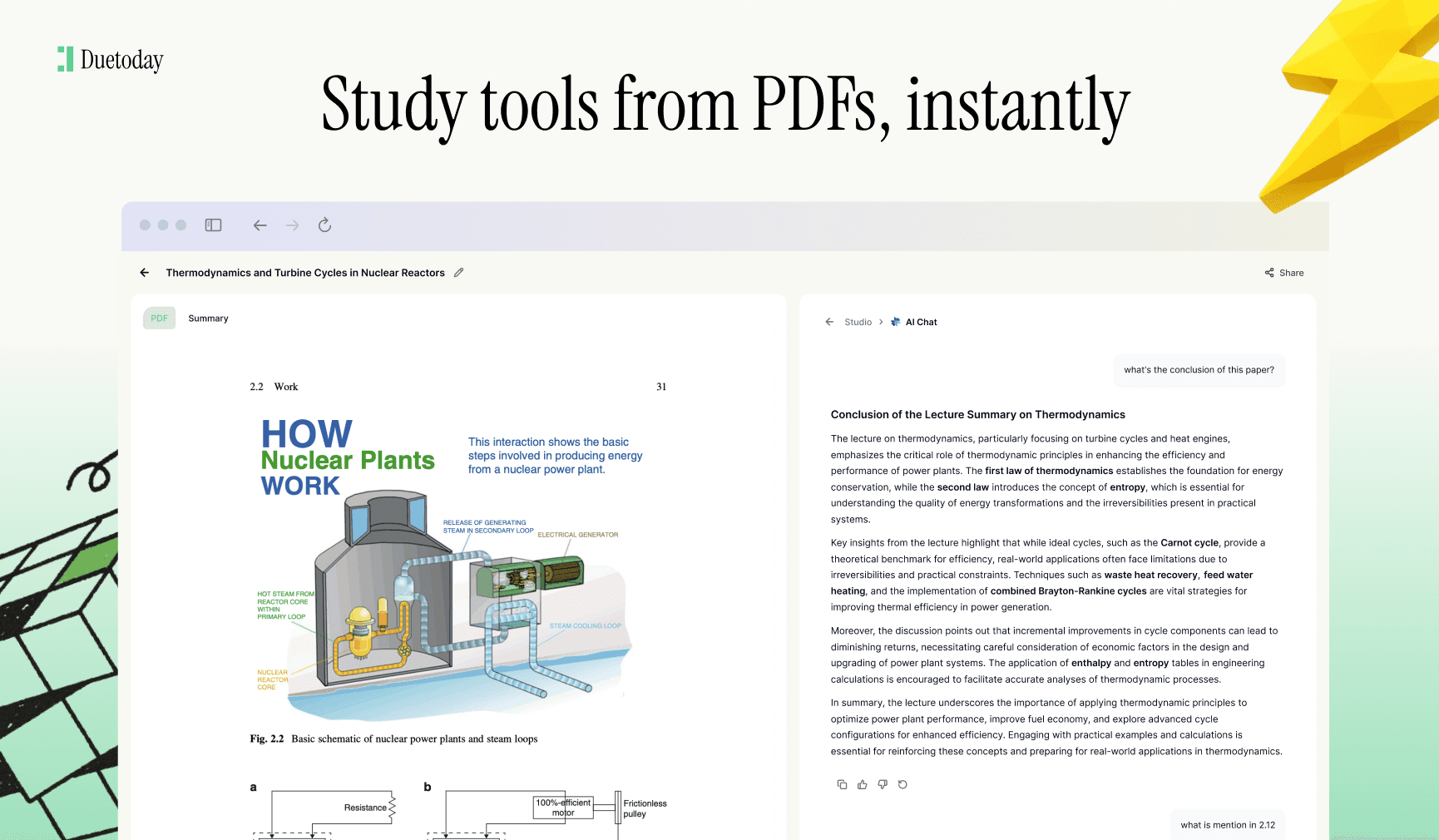
Convert any PDF to system design notes instantly with Duetoday AI.
Transform complex system design PDFs and architecture documents into organized notes, flashcards, and quizzes with Duetoday’s AI study tools.
PDF to system design notes
Mastering complex architectures becomes much easier when you can convert a PDF to system design notes instantly. Whether you are studying for a high-level engineering interview or a computer science exam, Duetoday helps you break down dense technical documentation into actionable study materials.
TL;DR:
Upload any technical PDF to generate structured system design notes in seconds.
Create flashcards for components like load balancers, database sharding, and caching strategies.
Interact with an AI tutor to clarify complex architectural patterns found in your documents.
How to do PDF to system design notes in Duetoday (step-by-step)
Create your Duetoday account: Sign up and head to your dashboard to start a new study project.
Upload your PDF: Drag and drop your system design textbook, whitepaper, or lecture slides into the uploader.
Filter your content: If your PDF contains a table of contents, use the chapter select tool to focus only on specific modules like 'High Availability' or 'Microservices.'
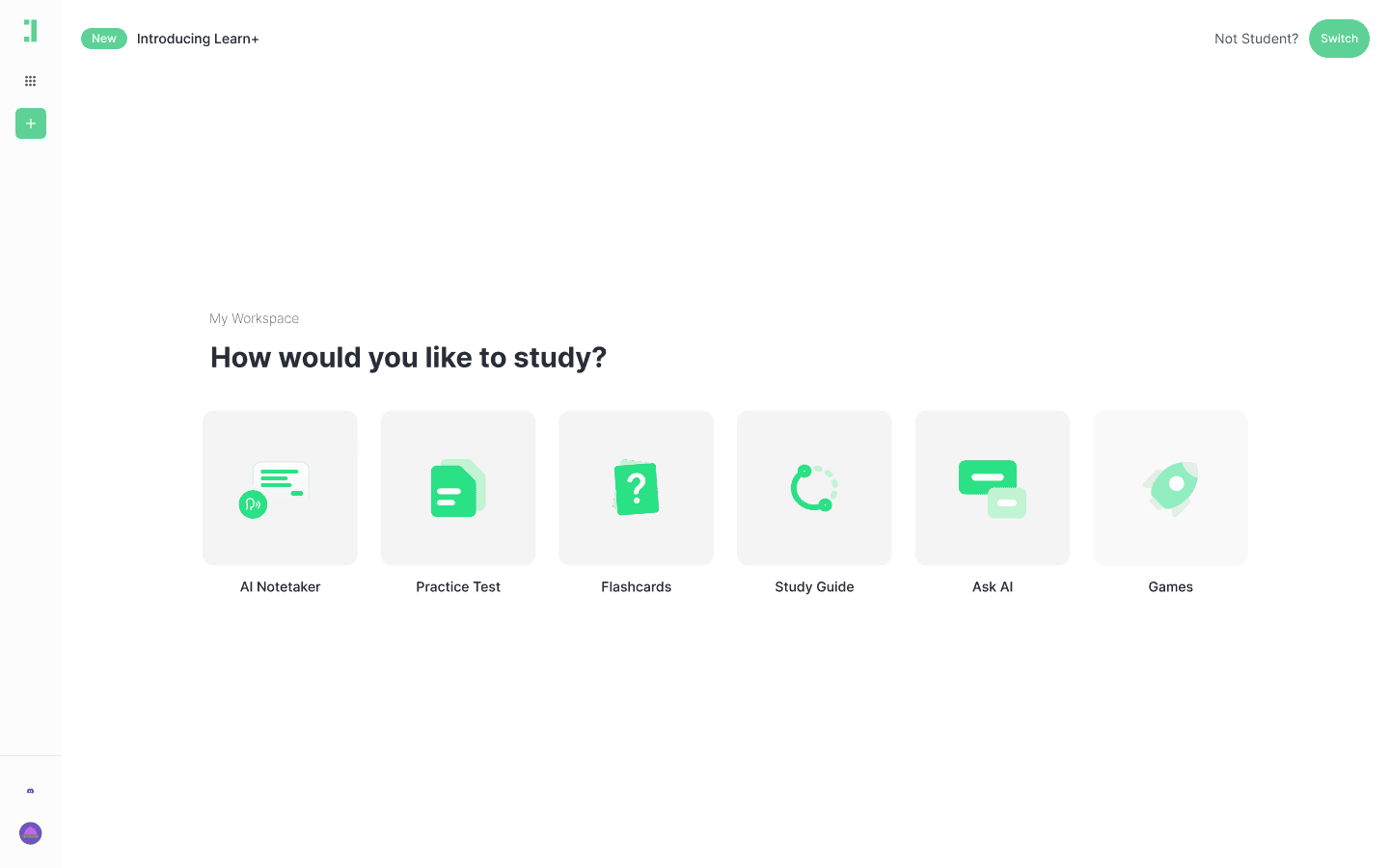
Choose your output style: Select 'Notes' from the generation menu to begin the conversion process.
Refine note depth: Use the settings to togggle between 'Comprehensive' for deep dives or 'Summary' for quick interview prep.
Rename headings: Once generated, manually edit headings to match standard system design terminology (e.g., changing 'Data Center' to 'Availability Zones').
Split chapters: If your PDF covers multiple architectures, use the split tool to create separate note sections for SQL vs. NoSQL systems.
Generate Flashcards: Click the flashcard button to turn definitions of concepts like 'CAP Theorem' or 'Consistent Hashing' into active recall cards.
Create a Quiz: Select the 'Quiz' option and choose 'MCQ' or 'Short Answer' to test your knowledge of the system design trade-offs discussed in the PDF.
Review with AI Tutor: Use the chat interface to ask, How would this architecture scale to 1 million users? based on your notes.
Export your work: Save your newly created notes as a PDF or export flashcards to your favorite study app.
Save for Offline: Bookmark your project so you can study your system design notes on any device.
What you can generate from your PDF
Duetoday goes beyond basic text extraction to provide specialized study outputs for technical learners:
Flashcards: Focus on latency numbers, architectural patterns, and terminology using cloze deletions.
Quiz: Scenario-based questions that challenge your understanding of scalability and reliability.
AI tutor: A dedicated chat assistant that understands the context of your specific system design
Upload Your PDF Here
Mini example: Distributed Key-Value Store
Input: A 15-page whitepaper PDF regarding the internal architecture of a distributed database, focusing on replication and quorum consistency.
Output (Study Guide Samples):
Core Concept: Quorum Consistency (R + W > N).
Replication: Leader-based vs. Leaderless replication strategies.
Key Component: Gossip Protocol for node membership and failure detection.
Trade-off: sacrificed Latency for higher Consistency in write-heavy workloads.
Summary: This architecture ensures durability by replicating data across multiple nodes but requires careful tuning of R and W values to manage performance.
Tips to get higher-quality results
Clean your PDF: Remove unnecessary cover pages, bibliographies, or index sections to keep the AI focused on the actual system design content.
Add Context: When using the AI tutor, specify your goal (e.g., I am preparing for a System Design Interview at a FAANG company.).
Use Clear Titles: Rename your project to match the specific architecture (e.g., Amazon DynamoDB Paper Notes) for better organization.
Review Snippets: If a section is very dense, highlight the specific block of text and ask the AI to Explain this like I'm five.
Troubleshooting common issues
Output is too generic: Try selecting a specific chapter or range of pages. Large files can dilute the AI’s focus.
Scanned text isn't extracting: Ensure the PDF isn't password protected and that the text is dark enough to be read by OCR.
Formatting is messy: Use the 'Simplify' tool in the editor to strip out weird characters or broken lines from the original PDF layout.
Wrong technical level: If the notes are too basic, adjust the settings to 'Expert' or include keywords like 'detailed implementation' in the prompt box.
Final step
Ready to turn your complex PDFs into clear, organized system design notes? Stop struggling with endless scrolling and manual highlighting. Try Duetoday today and start mastering system architecture with AI-powered study tools built for modern engineers.

Duetoday is an AI-powered learning OS that turns your study materials into personalised, bite-sized study guides, cheat sheets, and active learning flows.