PDF to higher order questions: Master Critical Thinking
Learn how to turn any PDF to higher order questions using Duetoday AI. Generate Bloom's taxonomy-level analysis, evaluation, and synthesis questions instantly.
PDF to higher order questions: Master Critical Thinking
Transforming a static PDF to higher order questions is the fastest way to move from passive reading to active mastery. Instead of just memorizing facts, higher order questions challenge you to analyze, evaluate, and create based on your study materials.
Using Duetoday, you can automate this process, turning complex documents into challenging practice sessions that simulate real-world exams and professional scenarios. This guide walks you through exactly how to leverage AI to push your brain further.
TL;DR:
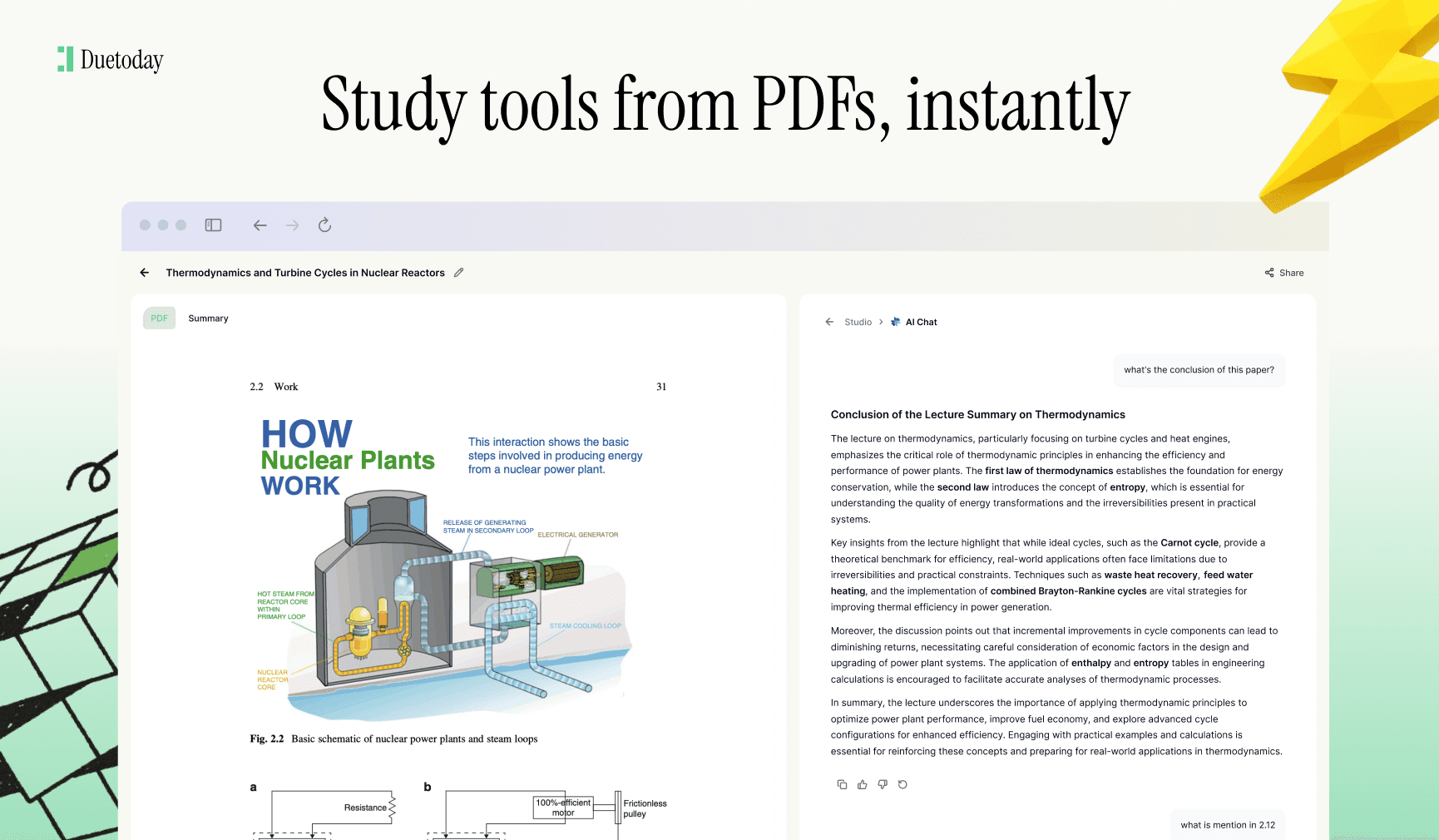
Convert any PDF into analysis and evaluation questions instantly.
Go beyond rote memorization with Bloom's Taxonomy-style prompts.
Leverage Duetoday’s AI tutor to explain complex answers in real-time.
How to do PDF to higher order questions in Duetoday (step-by-step)
Create your Duetoday account: Sign in to your dashboard to access the document processing suite.
Upload your PDF: Drag and drop your source file into the upload zone. Ensure it contains the core concepts you want to be tested on.
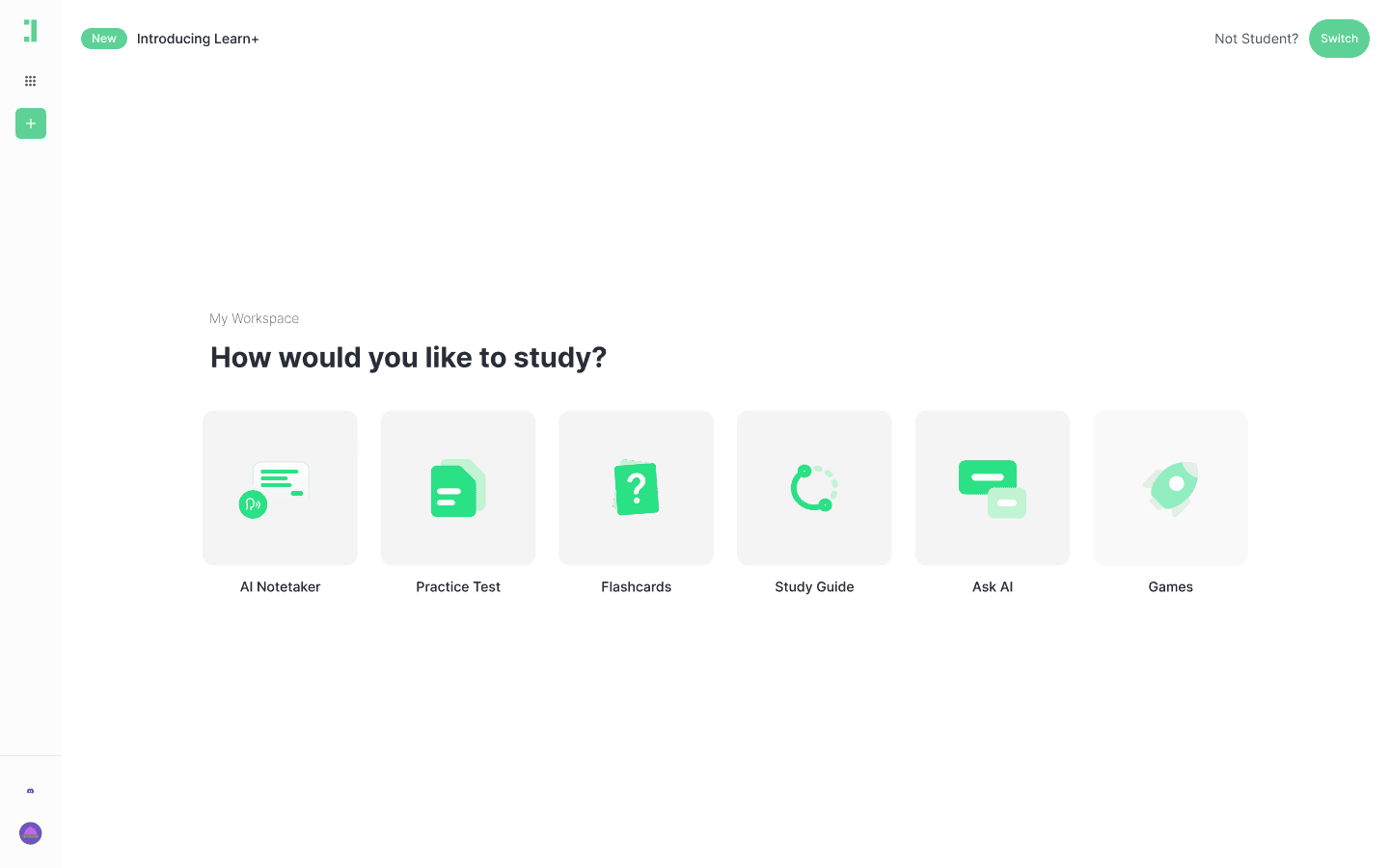
Select 'Study Tools': Once processed, navigate to the tools menu and select the quiz or flashcard generator.
Choose Question Complexity: Look for the difficulty or style settings. To get higher order questions, select 'Advanced' or 'Conceptual' modes.
Set the Focus: Use the search or chapter filter to focus on specific sections of the PDF that require deep analysis rather than just definitions.
Customize Question Types: Choose 'Short Answer' or 'Scenario-based' prompts. These formats naturally lend themselves better to higher-order thinking than simple True/False.
Review Generated Drafts: Duetoday will produce a list of questions. Skim them to ensure they are asking 'Why' and 'How' rather than just 'What'.
Refine with the AI Tutor: If a question is too easy, tell the AI tutor: Make these questions more analytical based on page 5.
Organize into Chapters: If your PDF is long, split the generated questions into chapters to match your syllabus.
Rename your Set: Give your session a clear name like Macroeconomics Unit 1 - Analysis Questions for easy retrieval.
Export or Practice: Save your session to your library or export the data to use in your preferred study environment.
Iterate: As you get better, ask the AI to generate 'Synthesis' questions that require combining ideas from different parts of the PDF.
What you can generate from your PDF
Analysis Flashcards: Cards that require you to explain the relationship between two concepts found in the text.
Application Quizzes: Multiple-choice questions that present a new scenario where you must apply the PDF's theories.
Evaluation Prompts: Questions that ask you to critique a specific argument or methodology mentioned in your document.
Synthesis Summaries: Brief AI-generated prompts that ask you to combine concepts into a new framework.
Upload Your PDF Here
Mini example: Corporate Governance
Input: A 10-page PDF discussing the agency problem, board of director structures, and shareholder rights in modern corporations.
Output (Higher Order Questions):
Analysis: How does the 'Agency Problem' specifically manifest when the CEO also serves as the Chairman of the Board?
Application: Based on the PDF's criteria, evaluate whether a tech startup's dual-class share structure protects or harms minority shareholders.
Critique: What are the two primary weaknesses in the PDF's argument regarding independent audit committees?
Comparison: Compare the shareholder-centric model described on page 4 with the stakeholder model mentioned in the conclusion.
Synthesis: Propose a new board structure that minimizes the conflicts of interest outlined in Chapter 2.
Tips to get higher-quality results
Clean the PDF: Remove the table of contents, bibliography, and index pages before uploading to keep the AI focused on the core content.
Provide Context: If the PDF is part of a specific course (e.g., Medical Ethics), mention that to the AI tutor to get more relevant scenarios.
Focus on Sub-sections: Instead of processing a 400-page book at once, upload individual chapters to ensure the higher order questions are granular and precise.
Specify Bloom’s Level: Explicitly ask for Analysis or Evaluation level questions if you find the output is too focused on definitions.
Troubleshooting
Problem: Questions are too easy → Fix: Increase the difficulty setting or use the AI chat to prompt for Scenario-based application questions.
Problem: Scanned PDF text is messy → Fix: Ensure you are using a high-resolution scan or try to find a 'searchable' PDF version of the document.
Problem: Output is generic → Fix: Highlight specific keywords or paragraphs in the text and ask the AI to generate questions specifically about those sections.
Problem: Too many questions → Fix: Use the filter tool to limit the output to the top 10 most challenging conceptual questions.
Final step: Try Duetoday
Stop wasting hours manually writing study questions. Let Duetoday transform your PDF to higher order questions in seconds, so you can spend your time actually learning. Upload your first PDF today and start mastering your material.

Duetoday is an AI-powered learning OS that turns your study materials into personalised, bite-sized study guides, cheat sheets, and active learning flows.