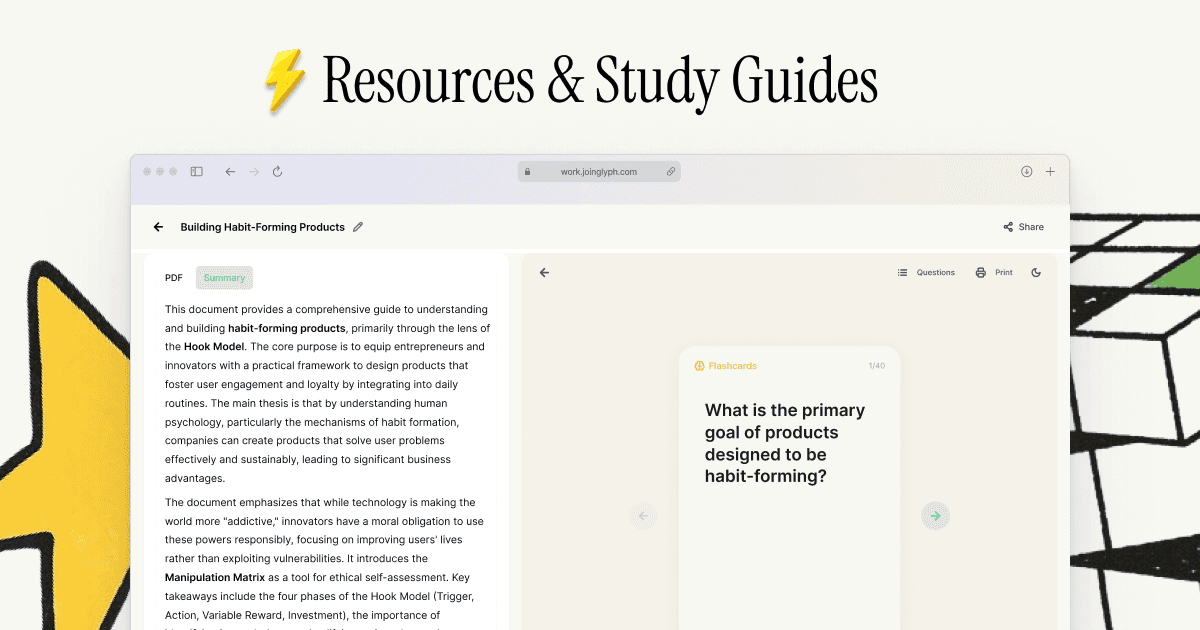
Generate high-quality PDF to discussion questions automatically
Transform any academic PDF into thought-provoking discussion questions using Duetoday's AI. Perfect for students, study groups, and deep learning.
PDF to discussion questions
Converting a PDF to discussion questions is one of the most effective ways to move beyond passive reading and start engaging deeply with your material. Whether you are prepping for a seminar or trying to master complex concepts, generating your own analytical prompts ensures you truly understand the 'why' behind the facts.
Duetoday makes this process instantaneous by analyzing your uploaded documents and extracting critical themes to form high-level inquiries. Instead of spending hours brainstorming what to ask your study group, you can let AI handle the heavy lifting while you focus on the answers.
TL;DR:
Quickly turn any lecture PDF or textbook chapter into open-ended discussion prompts.
Use Duetoday to facilitate active recall and group study sessions.
Customize the difficulty and focus of the questions based on your specific learning goals.
How to do PDF to discussion questions in Duetoday (step-by-step)
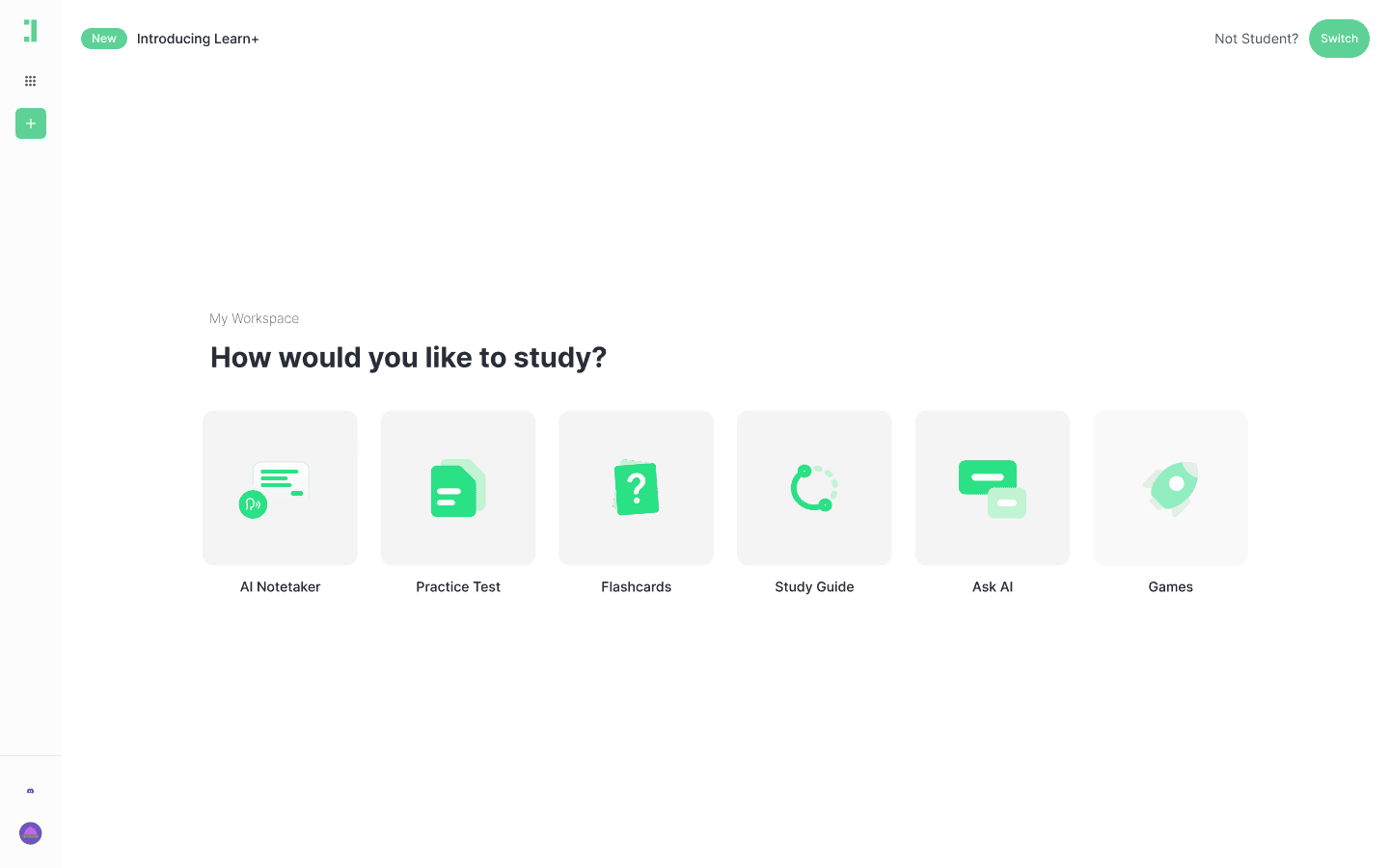
Log in to Duetoday: Open your dashboard and ensure you are in the correct workspace for your subject.
Upload your PDF: Drag and drop your file into the uploader. For the best results, ensure the PDF is a clean text document rather than a grainy scan.
Define the scope: If your PDF is long (like a full textbook), use the split chapters feature to focus on a specific section.
Rename headings: Ensure your document headings are clear so the AI understands the hierarchy of information.
Select 'Generate Questions': Choose the specific tool for generating inquiries rather than just simple flashcards.
Choose question style: Select Discussion or Short Answer to ensure the AI generates prompts that require critical thinking rather than just one-word answers.
Set the difficulty: Adjust the slider to Advanced or Conceptual if you want the questions to challenge your understanding of theory.
Review the drafts: Skim the generated list and delete any questions that don't align with your current lesson plan.
Add context: You can add a small note to the AI, such as focus on the ethical implications, to narrow down the discussion topics.
Export or Save: Save the questions to your study set or export them to a PDF to share with your classmates.
What you can generate from your PDF
Socratic Questions: Prompts that challenge the logic and evidence presented in the text.
Application Scenarios: Questions that ask how the PDF concepts apply to real-world situations.
Thematic Summaries: Broad inquiries that connect different parts of the document together.
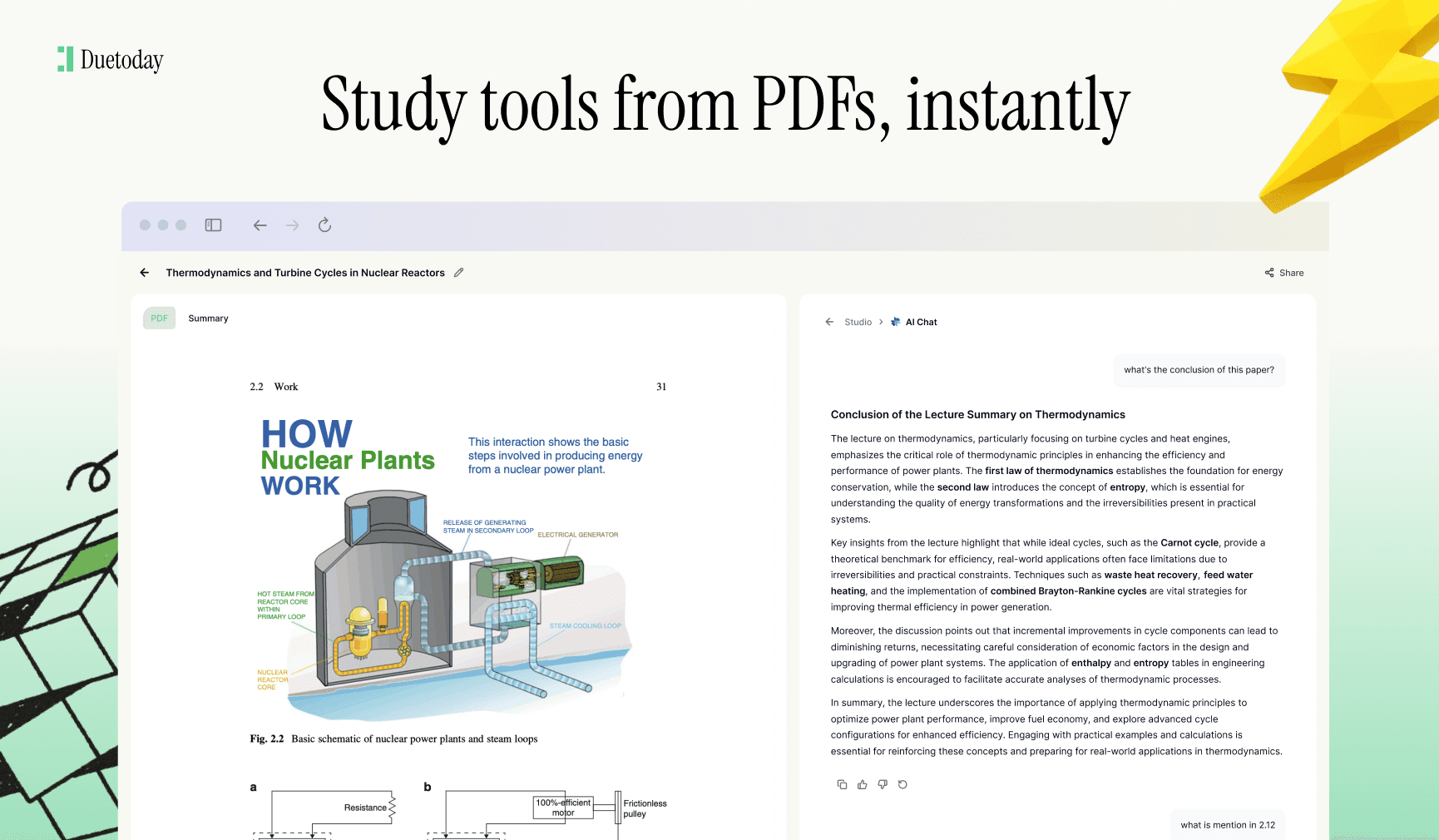
AI Tutor Chat: Use the generated questions to start a conversation with the built-in AI tutor to practice your responses.
Upload Your PDF Here
Mini example: Photosynthesis Fundamentals
Input: A 5-page PDF detailing the light-dependent and light-independent reactions of photosynthesis in plant cells.
Output (Discussion Questions):
How would a significant decrease in atmospheric CO2 levels specifically impact the Calvin Cycle?
Compare and contrast the role of ATP versus NADPH in the conversion of 3-PGA to G3P.
Why is it evolutionarily advantageous for plants to have multiple types of chlorophyll pigments?
If a plant were kept in total darkness, which part of the photosynthetic process would fail first and why?
Explain the relationship between the physical structure of the thylakoid membrane and its function in the electron transport chain.
Tips to get higher-quality results
Remove Junk Pages: Delete the table of contents, index, and bibliography pages before uploading to keep the AI focused on core content.
Context is King: Mention your grade level or the specific exam you are studying for to tailor the question complexity.
Clean Text: If your PDF has lots of sidebars or advertisements, try to use a 'Reader View' version to ensure the AI reads the main flow of text.
Specific Focus: Ask the AI to generate questions only about the methodology section for more technical documents.
Troubleshooting
Output too generic: Problem → The PDF might be too broad. Fix → Highlight a specific paragraph or chapter to narrow the AI's focus.
Scanned PDF errors: Problem → Text is unreadable. Fix → Use a high-quality scanner or look for a digital 'born-digital' version of the document.
Duplicate questions: Problem → The AI repeated a prompt. Fix → Use the 'regenerate' button or slightly adjust the focus setting to get a fresh perspective.
Wrong difficulty: Problem → Questions are too simple. Fix → Instruct the AI to create questions for a PhD level seminar.
Find your edge with Duetoday
Stop struggling to find the right questions and start finding the right answers. By converting your PDF to discussion questions with Duetoday, you turn a passive reading assignment into a dynamic learning experience. Ready to master your material? Sign up for Duetoday now and transform your study routine.

Duetoday is an AI-powered learning OS that turns your study materials into personalised, bite-sized study guides, cheat sheets, and active learning flows.