Convert any PDF to difficulty graded questions instantly
Transform your study materials from PDF to difficulty graded questions using Duetoday's AI. Create easy, medium, or hard quizzes for students and professionals.
PDF to difficulty graded questions
Using an AI to convert your PDF to difficulty graded questions is the fastest way to master complex subjects and test your long-term retention. Whether you are a medical student or a corporate trainee, tailoring the challenge level of your practice questions ensures you don't waste time on concepts you already know.
Duetoday makes it simple to upload any document and generate custom assessments that range from basic recall to complex critical thinking. By using PDF to difficulty graded questions, you can systematically close your knowledge gaps and prepare for any examination with confidence.
TL;DR:
Upload your PDF or lecture slides to Duetoday to generate questions instantly.
Select difficulty levels ranging from easy (foundational) to hard (advanced application).
Export your quizzes or use the AI tutor to clarify incorrect answers.
How to do PDF to difficulty graded questions in Duetoday (step-by-step)
Upload your source: Start by uploading your PDF, lecture notes, or textbook chapters into the Duetoday dashboard.
Rename the file: Give your document a clear title so the AI understands the core context and subject matter.
Define the scope: Use the chapter selection tool if you only want to generate questions from specific pages of a long document.
Select your output: Choose the 'Quiz' or 'Test' option from the generation menu to begin the process.
Choose question style: Select between Multiple Choice Questions (MCQ), True/False, or Short Answer formats depending on your preference.
Set the difficulty: Toggle the difficulty slider or dropdown. Choose 'Easy' for definitions, 'Medium' for conceptual understanding, or 'Hard' for scenario-based application.
Specify the quantity: Decide how many questions you need—generating 10 to 20 at a time is usually best for focused study sessions.
Review the drafts: Once the AI generates the questions, skim through them to ensure they align with your specific learning objectives.
Edit and refine: You can manually edit any question or answer choice if you want to add specific industry jargon or personal notes.
Save as a collection: Organize your difficulty-graded questions into folders by subject or exam date.
Launch the quiz: Enter 'Study Mode' to take the quiz within the app and receive instant feedback.
Export your results: If you prefer paper study, export your difficulty-graded questions to a PDF or CSV format for offline use.
What you can generate from your PDF
When you transform your PDF into difficulty graded questions, Duetoday offers several ways to engage with the material:
Introductory Quizzes: Easy-level questions focusing on vocabulary and basic facts.
Logic-Based Assessments: Medium-level questions that require you to connect two different concepts from the text.
Case Studies: Hard-level questions that present a problem and ask you to apply the PDF's theories to solve it.
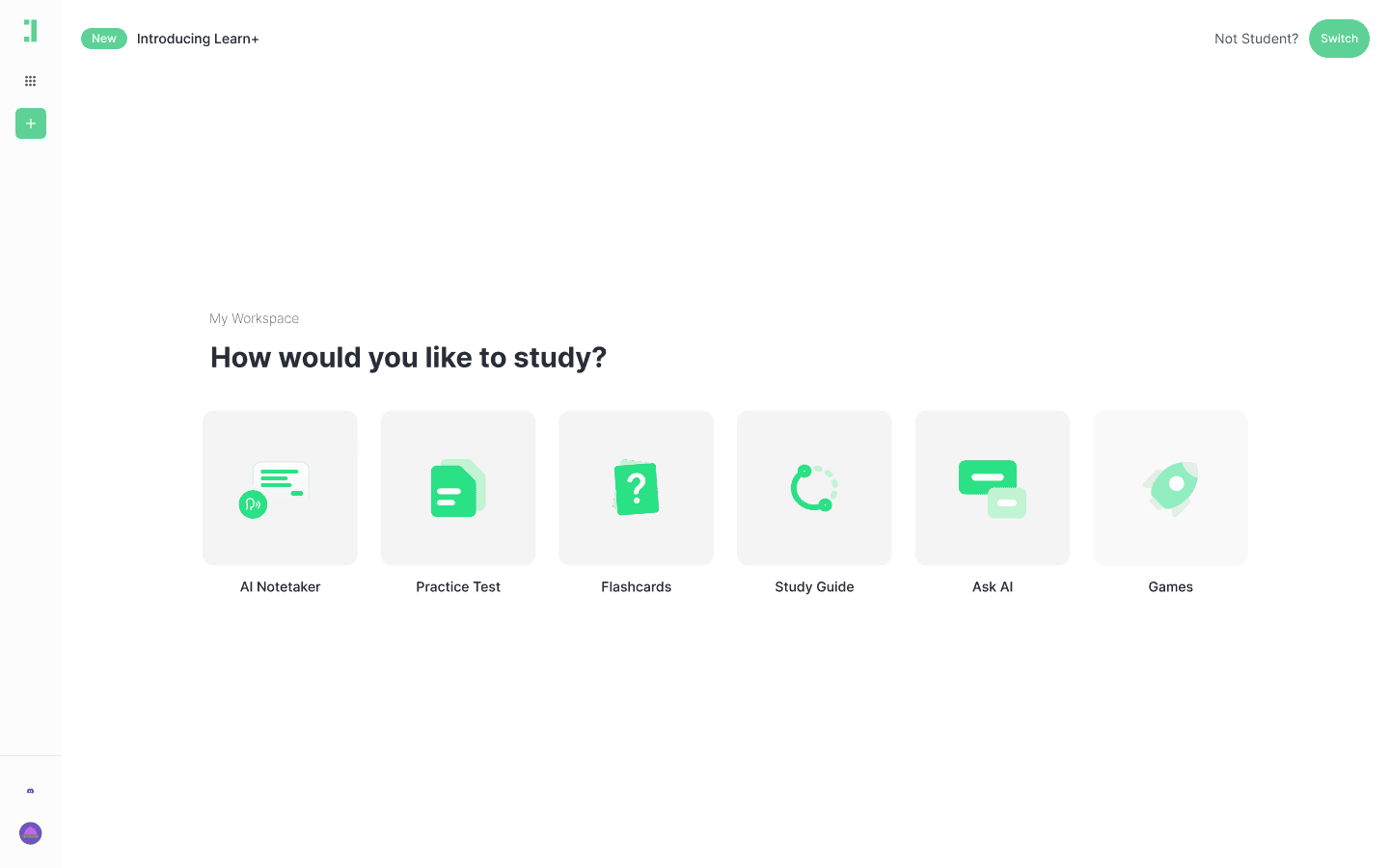
AI Tutor Chat: A real-time assistant you can message to explain why a 'Hard' question was answered incorrectly.
Upload Your PDF Here
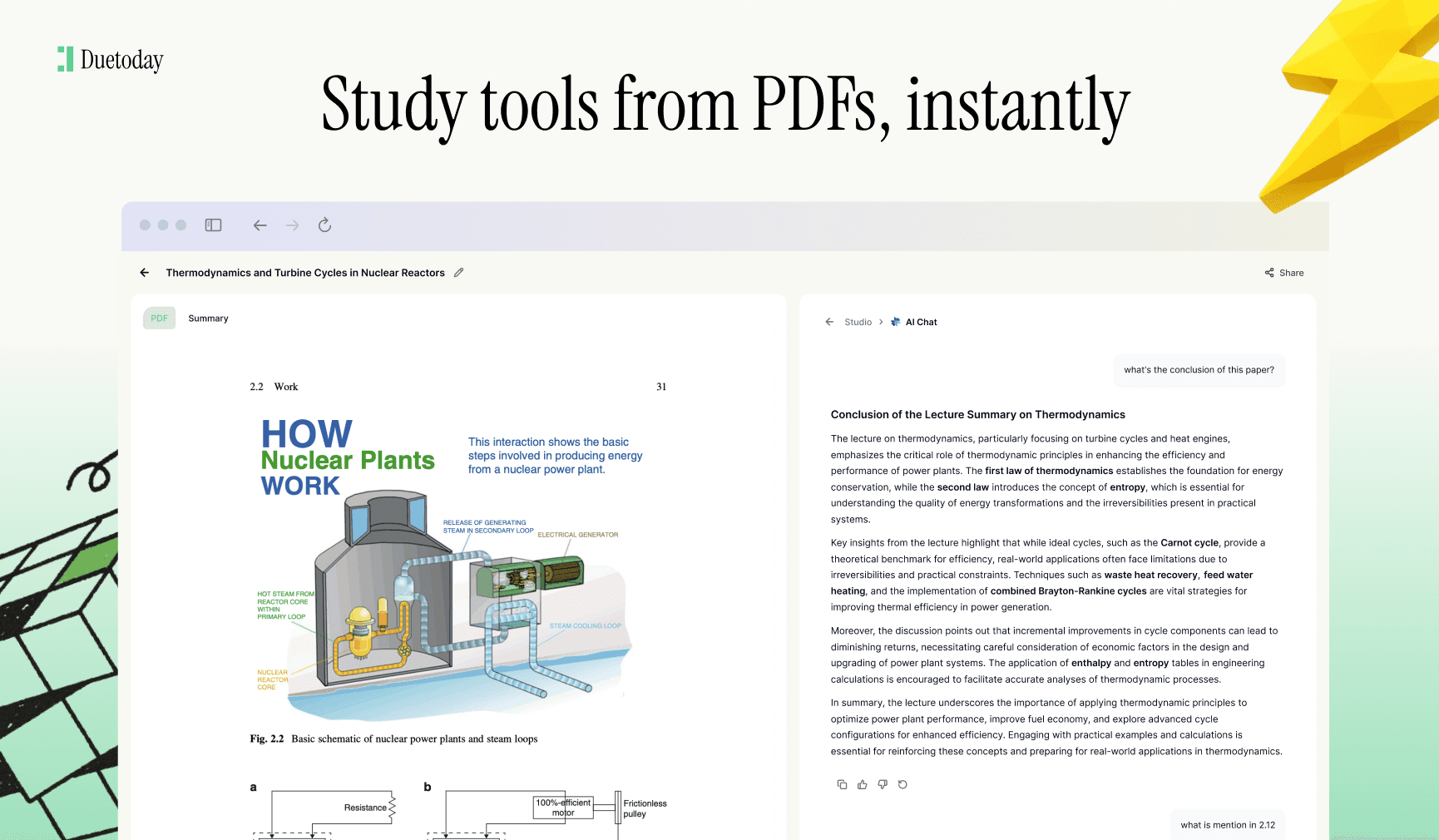
Mini example: Introduction to Photosynthesis
Input: A 3-page PDF explaining the light-dependent reactions, the Calvin Cycle, and the role of chlorophyll in plants.
Output (Sample Questions):
Easy: What is the primary pigment used by plants to absorb light? (Answer: Chlorophyll)
Easy: In which organelle does photosynthesis take place? (Answer: Chloroplast)
Medium: How does the concentration of CO2 affect the rate of the Calvin Cycle? (Answer: Higher concentration increases the rate until saturation.)
Medium: What is the byproduct of the light-dependent reaction that is released into the atmosphere? (Answer: Oxygen)
Hard: Predict the outcome if a plant is exposed only to green light. Explain based on the absorption spectrum of chlorophyll. (Answer: Photosynthesis would decrease significantly because chlorophyll reflects green light rather than absorbing it.)
Tips to get higher-quality results
Clean up the source: Remove table of contents, bibliographies, and index pages from your PDF before uploading to keep the AI focused on content.
Use high-resolution files: If your PDF is a scan, ensure the text is legible to prevent 'hallucinations' or typos in the questions.
Be specific with titles: Naming your document 'Biology Chapter 4 - Metabolism' helps the AI set's context better than 'Lecture_Notes_Final'.
Review 'Hard' questions: For advanced levels, provide the AI with more context by highlighting key sections you want it to focus on.
Troubleshooting (common issues + fixes)
Problem: Questions feel too easy → Fix: Adjust the difficulty setting to 'Hard' and ensure you haven't uploaded only the summary section of your document.
Problem: Scanned PDF not reading → Fix: Re-scan at a higher DPI or use an OCR tool to convert the image to searchable text before uploading.
Problem: Output is too generic → Fix: Use the 'Focus' feature to highlight specific paragraphs that contain the technical details you want tested.
Problem: Quiz is too short → Fix: Increase the 'Question Count' slider before hitting generate, or upload additional supporting documents.
Final step
Ready to master your material? Don't spend hours writing your own practice tests. Upload your document to Duetoday right now and turn your PDF to difficulty graded questions in seconds. Start studying smarter today!

Duetoday is an AI-powered learning OS that turns your study materials into personalised, bite-sized study guides, cheat sheets, and active learning flows.