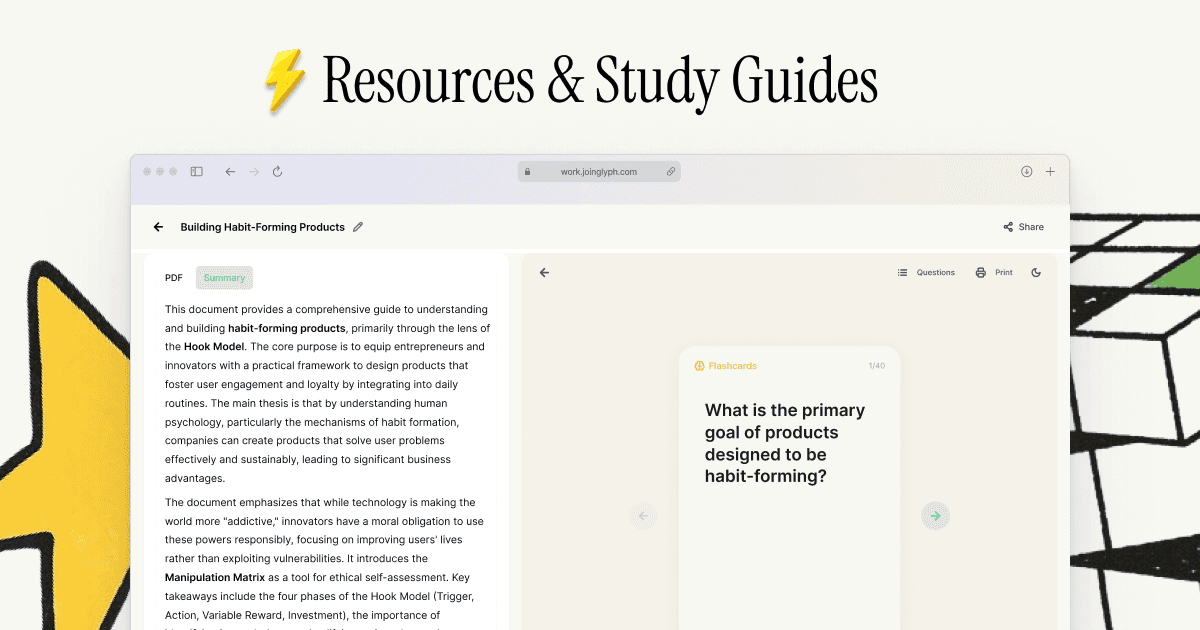
Convert your PDF to analysis questions instantly
Learn how to turn any PDF into high-level analysis questions using Duetoday's AI. Perfect for deep learning, exam prep, and professional document review.
PDF to analysis questions: Turn Your Documents Into Deep Learning Tools
Using a tool to convert your PDF to analysis questions is the fastest way to move from passive reading to active mastery. When you transform static text into thought-provoking questions, you force your brain to engage with the material on a deeper level. Duetoday simplifies this process by using AI to scan your documents and generate the exact analysis questions you need to succeed.
TL;DR:
Automatically extract key concepts and turn them into critical thinking prompts.
Customize question styles to focus on application, analysis, or evaluation.
Save hours of manual study prep by letting Duetoday handle the document processing.
How to do PDF to analysis questions in Duetoday (step-by-step)
Upload your document: Log into Duetoday and click the upload button to select the PDF you want to analyze.
Define the scope: If your PDF is massive (like a full textbook), use the chapter selection tool to pick specific sections for analysis.
Characterize the content: Choose the subject type (e.g., Science, Law, or Humanities) to help the AI understand the context of the analysis.
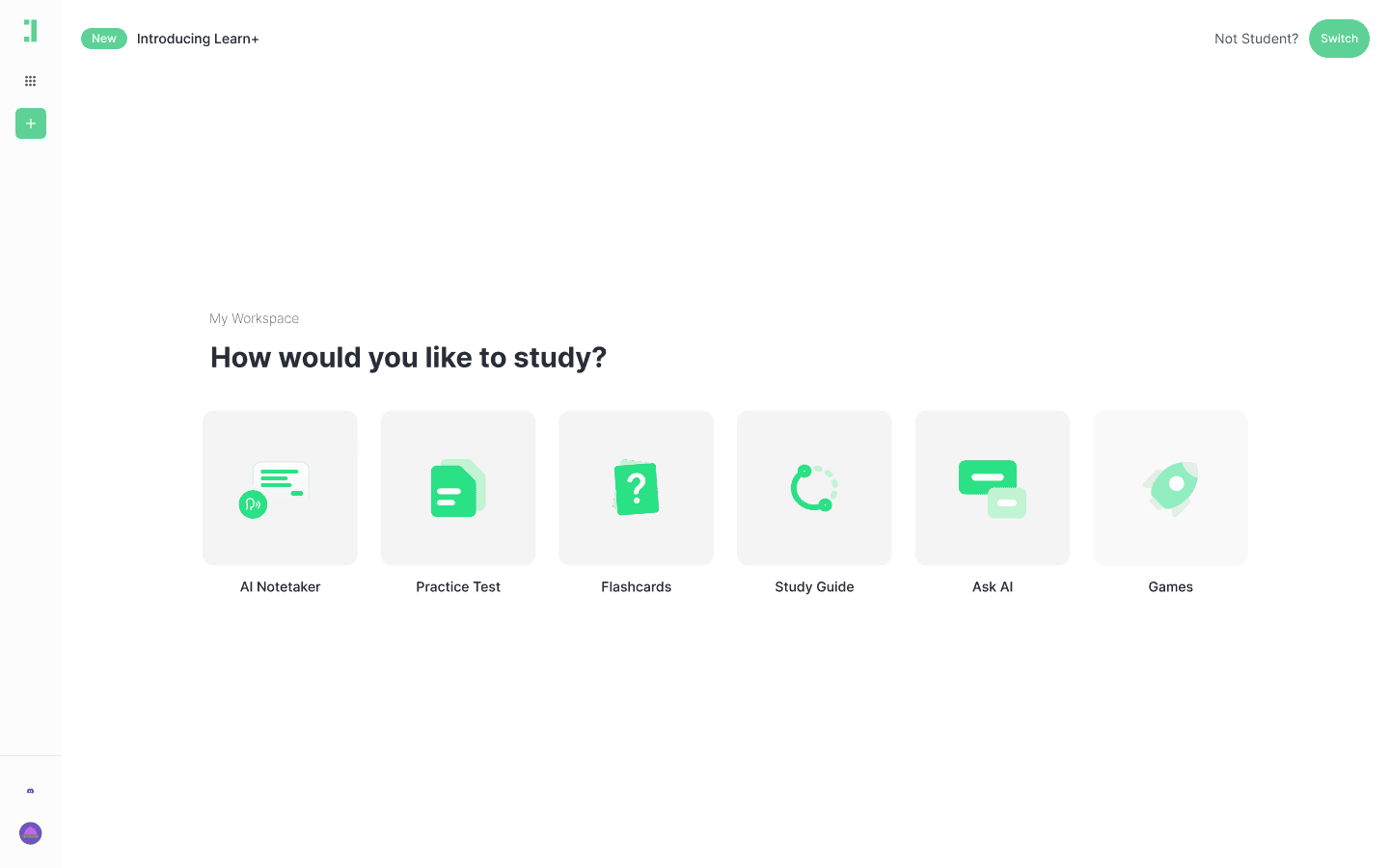
Select 'Generate Quiz': Navigate to the study tools section and select the quiz or question generation feature.
Choose question style: Select 'Short Answer' or 'Analysis' styles rather than just multiple choice to ensure the questions require deeper thought.
Adjust difficulty: Move the slider to 'Expert' or 'Advanced' to prompt the AI to create harder, more analytical questions.
Rename headings: Organise your generated output by renaming the question sets based on the specific PDF themes.
Set the focus: Use the 'Custom Instructions' field to tell the AI to focus on Cause and Effect or Theory Application.
Refine the output: Remove any automated questions that don't fit your specific learning goals by clicking the delete icon.
Add notes: Use the AI tutor chat alongside the questions to clarify why a specific analysis question is important.
Export: Once you are happy with the list, export your analysis questions to a PDF or CSV for offline study.
What you can generate from your PDF
Analysis Questions: Open-ended prompts that ask why and how rather than just what.
Critical Thinking Quizzes: Sets of questions designed to test your ability to apply information to new scenarios.
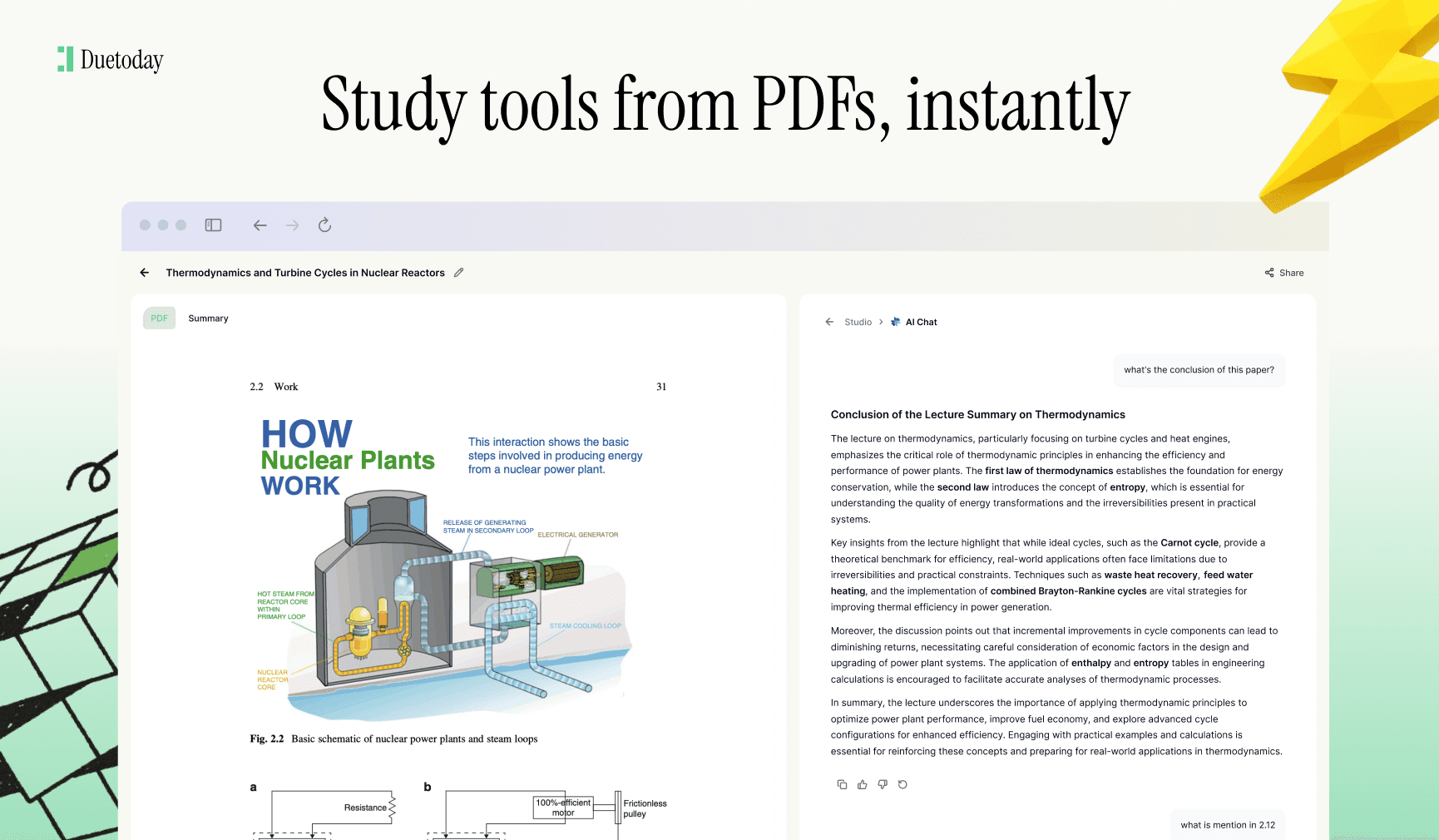
AI Tutor Support: A dedicated chat interface where you can ask for hints or breakdowns for the generated analysis questions.
Summary Cues: Condensed versions of your PDF that highlight the most important areas for analysis.
Upload Your PDF Here
Mini example: Corporate Finance PDF
Input: A 15-page document explaining the Weighted Average Cost of Capital (WACC) and its role in investment decisions.
Output (Analysis Questions):
Explain how an increase in the corporate tax rate would theoretically impact a firm's WACC calculations.
Analyze the relationship between the debt-to-equity ratio and the overall financial risk of the company described in section 3.
Why might the Capital Asset Pricing Model (CAPM) provide a limited view of the cost of equity for the emerging market firm mentioned?
Compare and contrast the cost of debt versus the cost of equity based on the specific interest rates provided in the text.
Evaluate the impact of a fluctuating market risk premium on the firm's long-term investment viability.
Tips to get higher-quality results
Clean your PDF: Remove blank pages, cover sheets, or long bibliographies before uploading to keep the AI focused on the meat of the text.
Split by Topic: If your PDF covers five different subjects, upload them as five separate files for more granular analysis.
Use Clear Titles: Name your files descriptively (e.g., Bio_Ch4_CellDivision) so the AI starts with a clear contextual baseline.
Provide Context: If the document is for a graduate-level course, mention that in the settings to avoid getting basic, introductory questions.
Troubleshooting
Problem: Questions are too simple → Fix: Increase the difficulty setting or specify Analysis only in the custom instructions.
Problem: Text is unreadable → Fix: If your PDF is a blurry scan, try using an OCR tool first or find a digital version of the text.
Problem: Output is generic → Fix: Use the 'Split Chapter' tool to focus the AI on a smaller, more specific portion of the PDF.
Problem: Missing key details → Fix: Ensure you haven't excluded relevant pages during the upload/selection process.
Final step
Transforming a PDF to analysis questions doesn't have to be a manual chore. With Duetoday, you can turn any document into a comprehensive study guide in seconds. Ready to deepen your understanding? Try Duetoday today and master your materials faster.

Duetoday is an AI-powered learning OS that turns your study materials into personalised, bite-sized study guides, cheat sheets, and active learning flows.