
Free Templates for Students
Reading Notes Template [Free Download]
Download our free reading notes template. Easily organize thesis statements, evidence, critiques, and quotes for your academic research or literature reviews.
When you are deep in academic research, the difference between a successful paper and a disorganized mess often comes down to one thing: how you take notes while reading. Scrawling ideas in margins or highlighting random passages might feel productive at the time, but without a structured system, those insights vanish the moment you close the book.
Using a dedicated Reading Notes Template ensures that you capture more than just a summary. It forces you to look for the structural pillars of a text—the core thesis, the supporting evidence, the critical weaknesses, and the exact quotes you’ll need for your bibliography later. Whether you’re a graduate student working on a dissertation or an undergrad prepping for a seminar, a structured reading system is your best defense against academic burnout.
What’s inside? Exclusive insights into:
The Architecture of an Argument: How to pinpoint the central thesis and the evidence used to sustain it.
Critical Engagement: Moving beyond summary into critique and synthesis.
Quote Management: Keeping track of page numbers and context so you never have to hunt for a source again.
Long-term Storage: How to organize your notes so they serve as a searchable knowledge base for years.
Looking to make your literature reviews less stressful? Here’s what you need to consider. A simple reading notes system clears the mental fog, allowing you to focus on high-level analysis rather than just trying to remember what you read three weeks ago.
The Core Components of Effective Reading Notes
Preparation isn't just about reading the words; it's about dissecting the logic. When you use a template that focuses on thesis, evidence, critique, and quotes, you are essentially pre-writing your future essays. You aren't just a passive consumer; you are an active investigator. This structure helps you identify gaps in research and connections between different authors.
Breaking Down the Template: Thesis to Critique
This template typically covers the essential data points needed for academic excellence:
1) Main Thesis & Hypothesis: What is the author actually trying to prove? Summarize the primary argument in your own words to ensure you truly understand it.
2) Supporting Evidence: Note the methodology and data. Does the author use historical archives, statistical models, or qualitative interviews?
3) Key Quotes & Page Numbers: Extract the most “quotable” sentences. Always include the page number and a brief note on why that specific quote is significant.
4) Academic Critique: Where does the argument fail? What did they omit? This section is gold when it comes to writing your own discussion or literature review.
5) Connections & Cross-references: How does this text talk to other things you've read? Does it agree with Smith (2022) or contradict Jones (2019)?
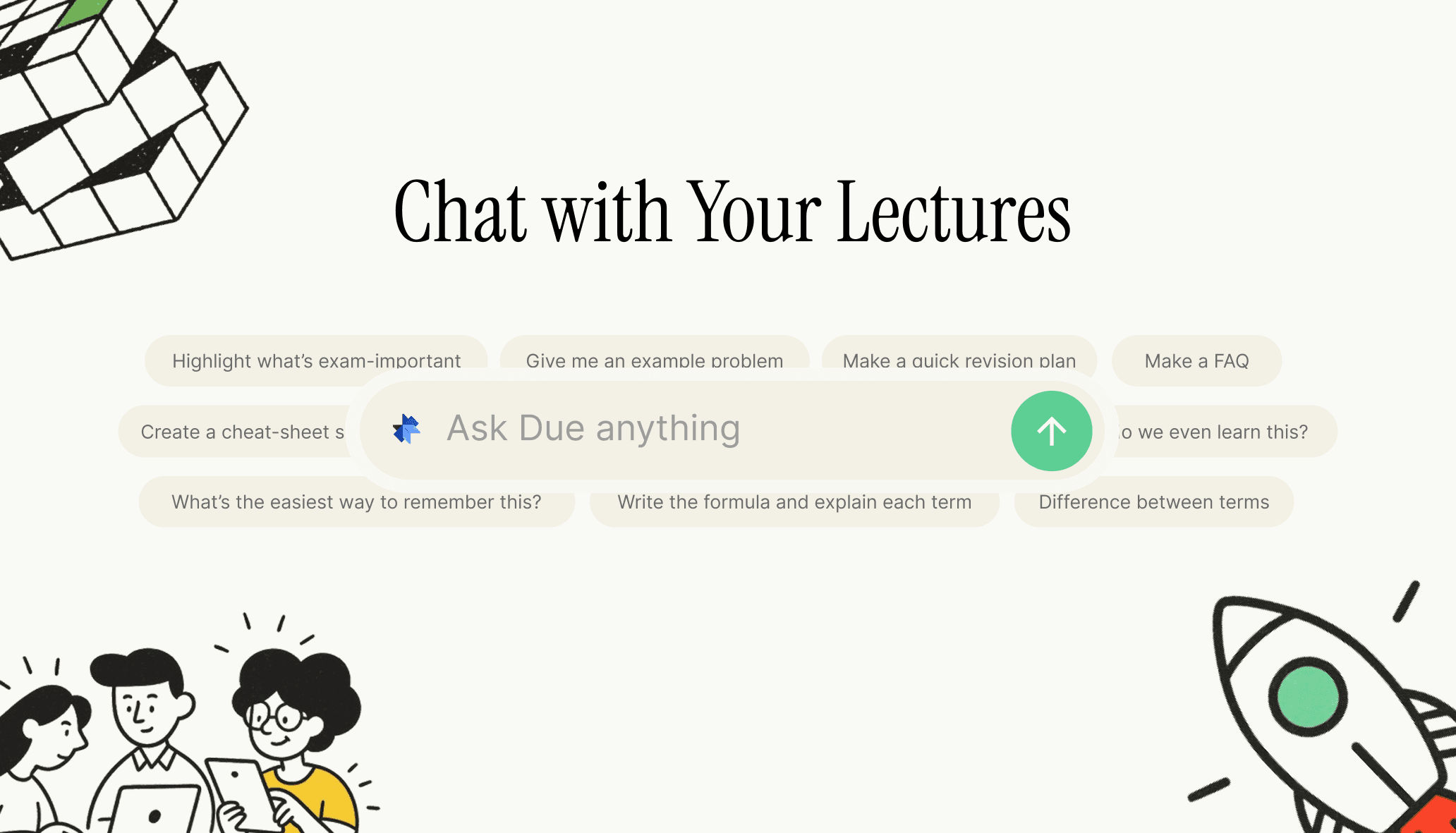
About Duetoday AI: Struggling to keep up with heavy reading loads and fast-paced lectures? Duetoday AI transcribes lectures live, translates instantly, and turns recordings, PDFs, and videos into clean notes, summaries, flashcards, and quizzes—fast. From “I missed that” to “I’ve got this,” Duetoday handles the heavy lifting so you can focus on mastering the material.
After you download your template, explore these related resources
How to Conduct a Systematic Literature Review
Effective Note-Taking for Academic Research
How to Organize Your Zotero or Mendeley Library
Tips for Writing Critical Book Reviews
Synthesizing Multiple Sources into One Paper
What is a reading notes template?
It is a structured framework (digital or physical) designed to help students and researchers organize the key components of a text, such as arguments, evidence, and citations, for future use.
Why should I use a template instead of just highlighting?
Highlighting is passive. A template requires active engagement—summarizing, critiquing, and categorizing—which significantly improves retention and makes retrieving information for essays much faster.
Should I take notes on everything I read?
No. Focus your detailed note-taking on core texts that are central to your research or exam topics. For supplementary material, a brief summary may suffice.
How do I handle quotes in my notes?
Always record quotes exactly as they appear, along with the precise page number. Briefly note the context so you don't misinterpret the author’s intent when you return to the note later.
Can I use this for non-academic books?
Absolutely. The thesis/evidence structure works for any non-fiction book where the author is making a claim or teaching a concept.
Is it better to take reading notes by hand or digitally?
Digital notes are searchable and easier to organize in the long run. However, handwritten notes can sometimes lead to better conceptual understanding. Choose the method that fits your workflow.

Duetoday is an AI-powered learning OS that turns your study materials into personalised, bite-sized study guides, cheat sheets, and active learning flows.