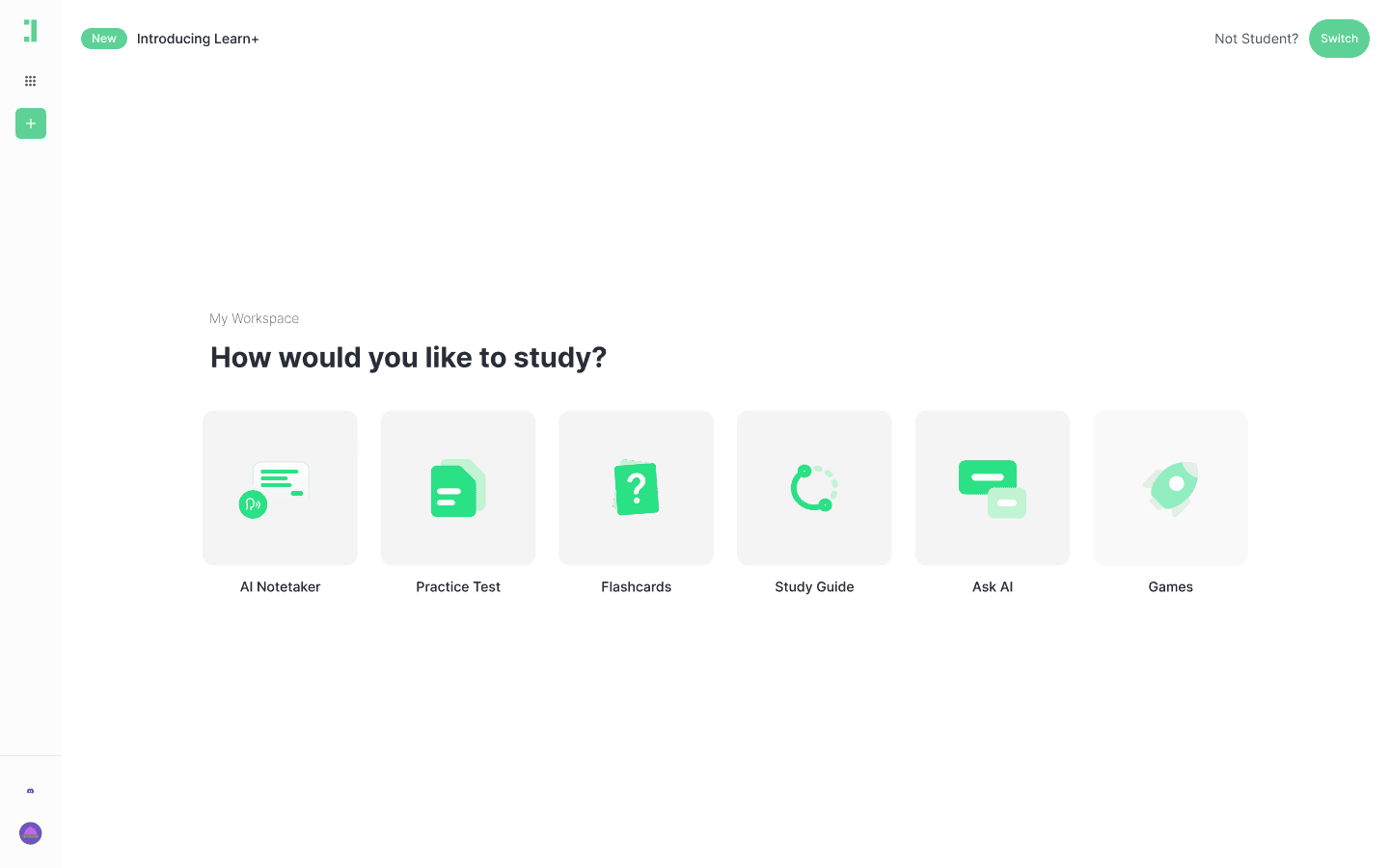
Generate Flashcards for Macroeconomics
Generate Macroeconomics flashcards from your notes in seconds. Try Duetoday for free today!
Generate Flashcards with AI Free
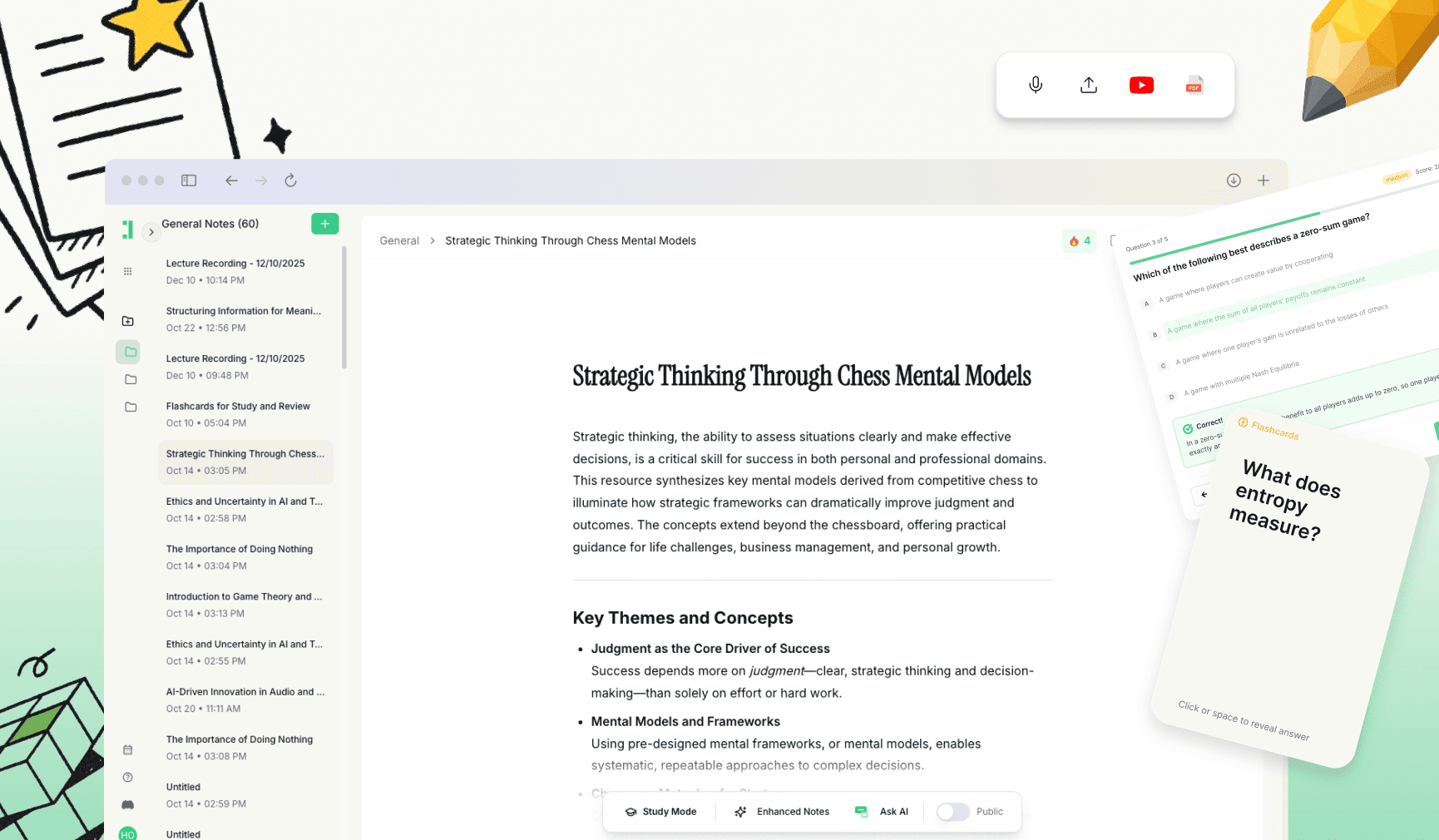
Generate Flashcards for Macroeconomics
Turn your notes, PDFs, slides, or lectures into Macroeconomics flashcards so you can review faster and remember more. Whether you are tackling aggregate demand curves or mastering the intricacies of the Federal Reserve, AI can help you bridge the gap between reading and retaining.
Generate Macroeconomics FlashcardsUpload notes / paste text
In Duetoday, the process is simple: upload your course materials, generate a comprehensive deck, review or edit the cards to fit your needs, and start your study session immediately.
What are Macroeconomics flashcards?
Macroeconomics flashcards are study tools designed to help you memorize and apply large-scale economic concepts. They cover everything from basic definitions like GDP and CPI to complex relationships like the Phillips Curve or the impact of interest rates on investment.
The goal is to move beyond passive rereading. By using flashcards, you force your brain to retrieve information actively, which creates stronger neural pathways and ensures you don't stall during an exam when asked to explain how a shift in the money supply affects the long-run price level.
If you already have notes, Duetoday can generate a clean deck in minutes.
Why flashcards are one of the best ways to study Macroeconomics
Macroeconomics requires a balance of rote memorization (specific terminology) and logical application (shifts in graphs). Flashcards are perfect for this because they break down massive theories into digestible bites.
Remember key terms like Stagflation or Liquidity Trap without cramming.
Separate similar concepts like Real vs. Nominal values.
Learn processes step-by-step such as the Multiplier Effect or the transmission of monetary policy.
Practice applying rules and formulas like the Quantity Theory of Money quickly.
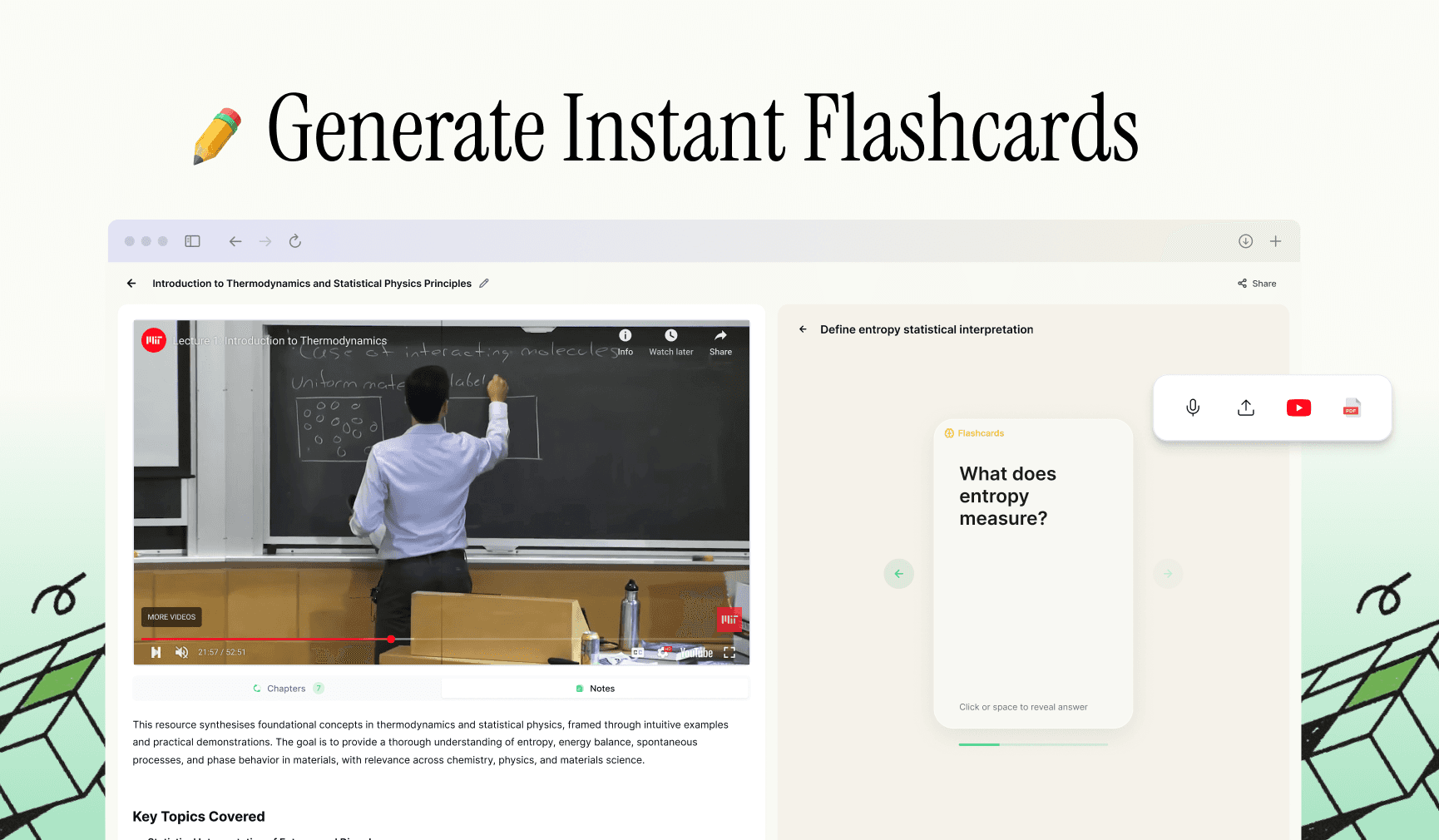
What to include in your Macroeconomics flashcards
Good Macroeconomics flashcards follow the "atomic" rule: one specific idea per card. This prevents you from glazing over complex topics and ensures you actually know the material.
Definitions & key terms: "What is structural unemployment?"
Processes & steps: "How does an open market purchase affect the money supply?"
Comparisons: "How is Fiscal Policy different from Monetary Policy?"
Application: "What happens to the AD curve if consumer confidence drops?"
Example prompts include: "Define the Crowding Out effect," "List the three functions of money," "How is the Unemployment Rate calculated?" and "State the law of comparative advantage."
How to study Macroeconomics with flashcards
We recommend a "two-pass" system. First, use Duetoday to generate your deck from your syllabus or textbook chapters. Then, move through your cards in rounds, marking the ones that stump you for more frequent review.
Make a deck from your lecture slides or textbook PDFs.
Do one quick round to find weak spots in your understanding of models.
Review weak cards daily to master the graphs and formulas.
Mix in difficult concepts like exchange rate determinants with easier definitions.
Perform a final mixed review 48 hours before your exam.
Generate Macroeconomics flashcards automatically in Duetoday
Making cards manually is tedious and often results in cards that are too wordy to be useful. Duetoday automates the heavy lifting so you can focus on the actual learning.
Upload your Macroeconomics PDF, slides, or paste your notes.
Click Generate Flashcards.
Review, edit, and start studying with active recall.
Generate Macroeconomics Flashcards in Duetoday
Start with your notes and get a deck you can actually use today.
Common Macroeconomics flashcard mistakes
Cards are too long: Don't put the whole definition of GDP components on one card; split them up.
Ignoring the 'Why': Don't just memorize the name of a curve; add cards that ask why the curve shifts.
Confusing the 'Short Run' and 'Long Run': Use separate cards to distinguish between SRAS and LRAS.
Lack of consistency: Spaced repetition only works if you show up.
FAQ
How many flashcards do I need for Macroeconomics?
A typical unit, such as National Income Accounting, usually requires 30 to 50 cards to cover all terms and formulas.
What’s the best format for Macroeconomics flashcards?
A mix of term-definition cards and 'if-then' scenario cards is best for economics.
Can I generate Macroeconomics flashcards from a PDF?
Yes, Duetoday can scan your textbook chapters or lecture PDFs and extract the most important economic concepts automatically.
How often should I review my cards?
Daily sessions of 15 minutes are more effective than one four-hour session before a midterm.
Should I focus on formulas or definitions?
You need both. Use flashcards for the definitions and the logic behind how the variables in a formula interact.
Can Duetoday handle graphs?
You can generate text-based descriptions of graph shifts and edit cards to include your own memory cues for visual models.
Are digital flashcards better than paper?
Digital cards are superior for Macroeconomics because they use algorithms to show you the hardest concepts more frequently.
How long does it take to create a full deck?
Using AI, you can turn a 20-page chapter into a study-ready deck in under 60 seconds.

Duetoday is an AI-powered learning OS that turns your study materials into personalised, bite-sized study guides, cheat sheets, and active learning flows.