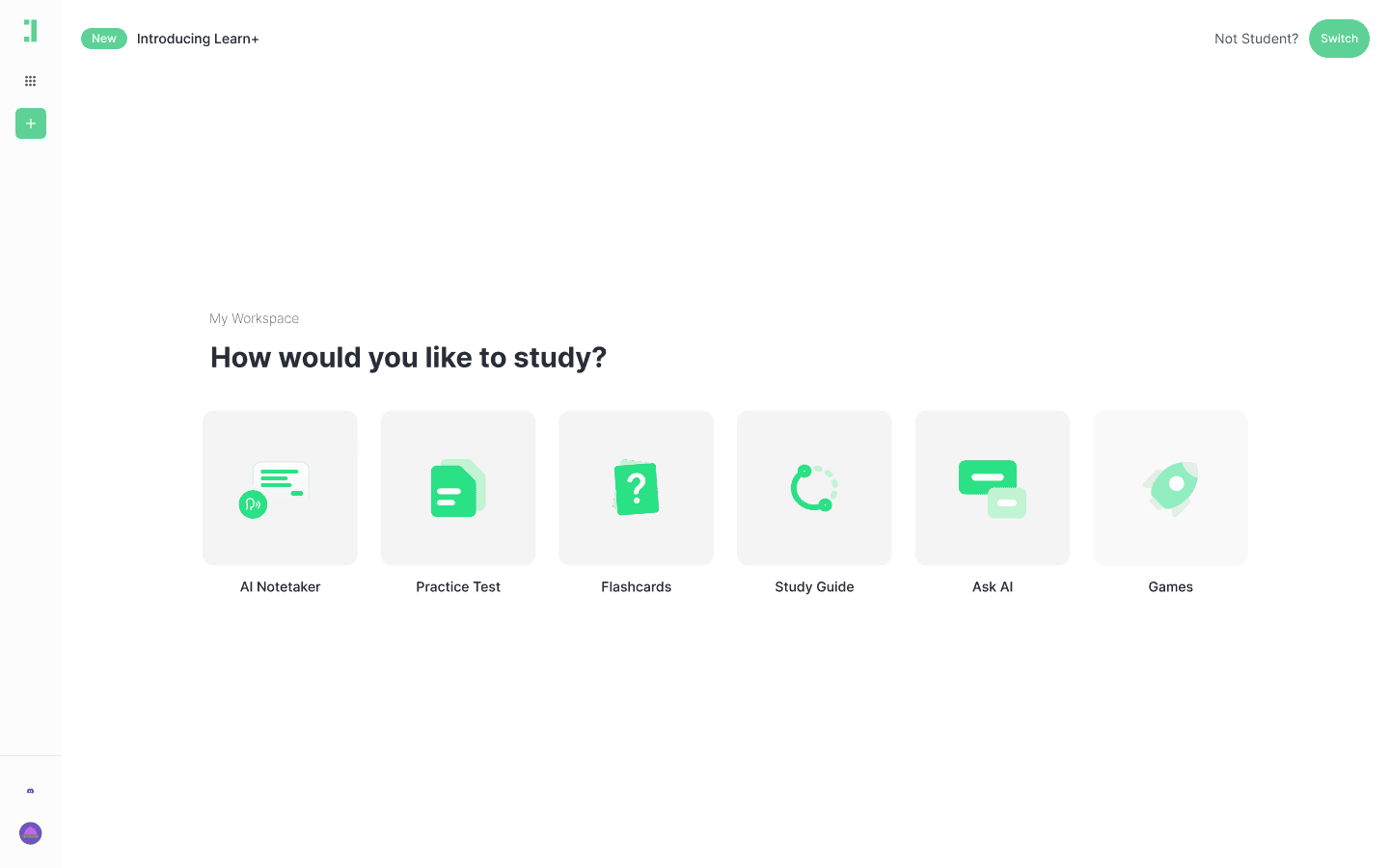
Generate Flashcards for Syntax
Generate or make Syntax flashcards from your linguistics notes or coding guides to master structure and grammar rules fast.
Generate Flashcards with AI Free
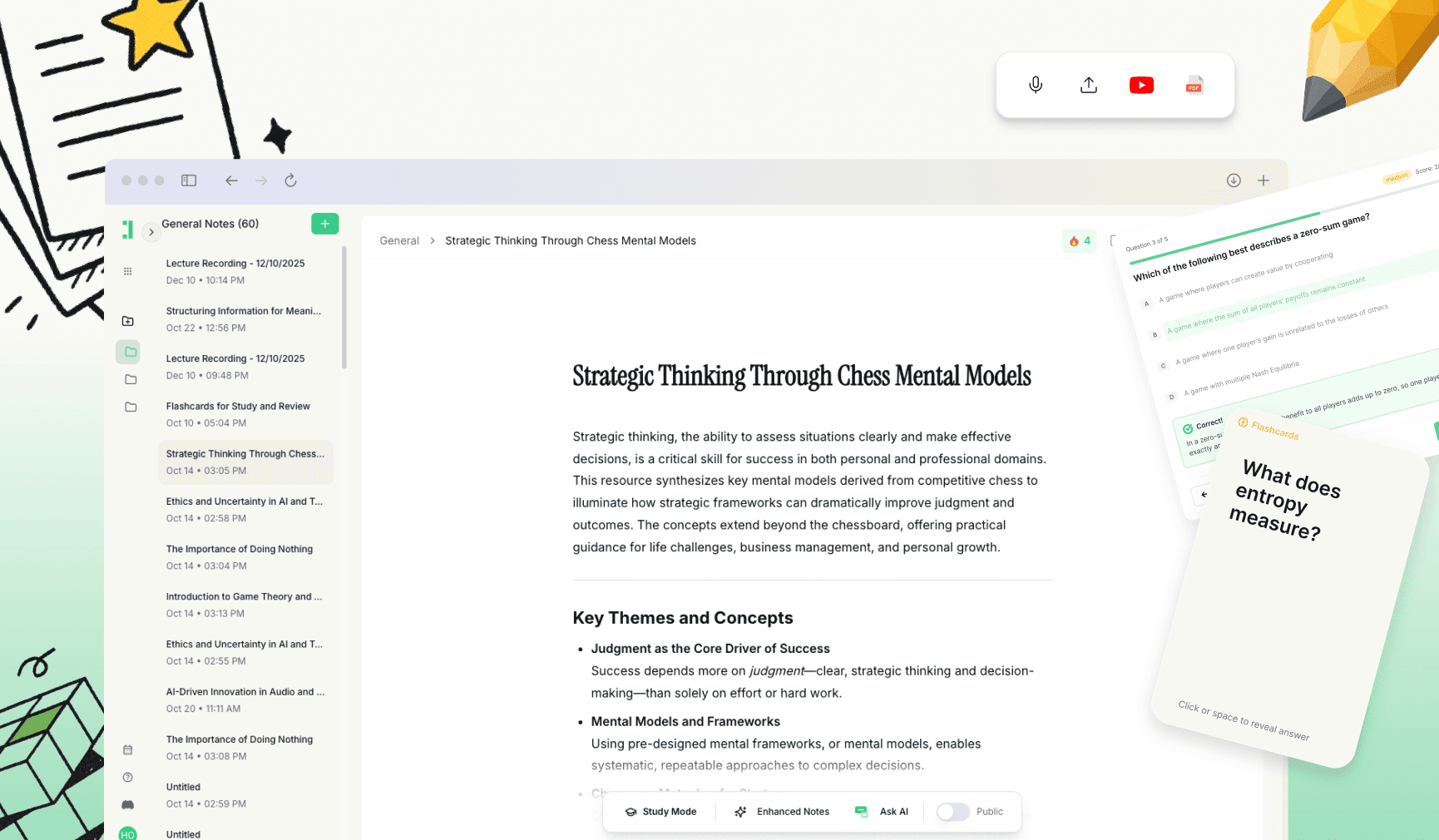
Turn your notes, PDFs, or lectures into Syntax flashcards so you can review faster and remember more.
Syntax is the foundation of language structure, whether you are studying linguistics or programming languages. Understanding how components fit together requires more than just reading; it requires active recall to master rules, hierarchies, and dependencies. With Duetoday, you can transform complex diagrams and rules into a streamlined study deck.
What are Syntax flashcards?
Syntax flashcards cover the rules, principles, and processes that govern the structure of sentences or code. They break down abstract concepts like phrase structure rules, X-bar theory, transformational grammar, or programming syntax into bite-sized questions. Instead of staring at a textbook, you test your ability to identify constituents or fix structural errors.
The outcome is a shift from passive recognition to active mastery. If you already have lecture notes or a PDF handbook, Duetoday can generate a clean deck in minutes so you can focus on learning rather than formatting.
Why flashcards work for Syntax
Syntax relies heavily on recognizing relationships and hierarchies. Flashcards force your brain to retrieve these rules from memory rather than just recognizing them on a page. This builds stronger neural pathways for long-term retention.
Memorize phrase structure rules without endless rereading.
Separate similar concepts like internal vs. external arguments.
Learn tree diagramming steps and structural hierarchies.
Practice applying syntax rules to new examples quickly.
What to include in your Syntax flashcards
Effective syntax cards follow the atomic principle: one specific rule or concept per card. You should focus on why a structure is valid or invalid rather than just memorizing definitions.
Definitions & Key Terms: What is c-command? or Define a head-initial language.
Processes & Steps: What is the first step in a passive transformation?
Comparisons: What is the difference between a complement and an adjunct?
Application: Identify the head of the following phrase: [The tall man].
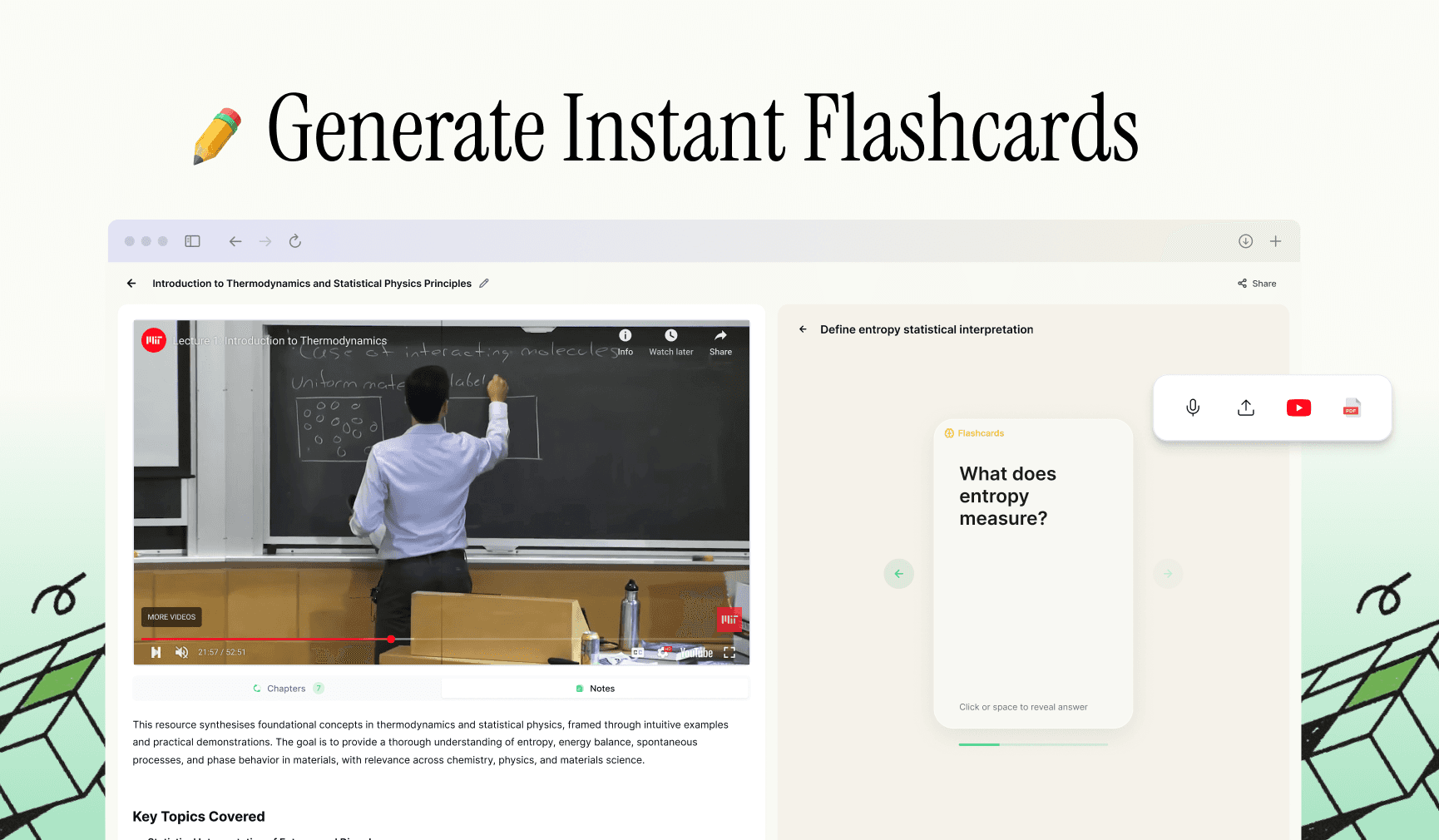
How to study Syntax with flashcards (a simple system)
Because syntax is often visual and hierarchical, use a two-pass approach. First, use your cards to nail the definitions and basic rules. In the second pass, use them to trigger mental exercises, like visualizing how a specific rule changes a sentence structure.
Make a deck from your syllabus or paste your lecture notes into Duetoday.
Do one quick round to identify which rules (like Wh-movement or binding) are confusing.
Review these weak cards daily to build fluency.
Mix in application cards where you have to judge if a sentence is grammatical.
Do a final mixed review to ensure you can switch between different syntactic theories or languages.
Generate Syntax flashcards automatically in Duetoday
Creating syntax cards by hand is a nightmare. Drawing trees or typing out complex rules takes hours that you should be spending studying. Duetoday automates this process entirely.
Simply upload your linguistics PDF, lecture slides, or programming documentation. Our AI parses the structural rules and generates a comprehensive deck of flashcards instantly. Review them, edit the ones you want to refine, and start studying on any device.
Common Syntax flashcard mistakes
Avoid these common pitfalls to ensure your study sessions are actually productive:
Cards are too long: Don't put an entire tree diagram explanation on one card; break it into pieces.
Ignoring the 'Why': Don't just memorize that a sentence is wrong; include a prompt for the rule it violates.
No variety: Ensure you have both theoretical definitions and practical parsing exercises.
Inconsistent review: Syntax is a 'use it or lose it' skill; repeat the difficult rules until they become second nature.
Ready to generate your Syntax flashcards?
Stop rereading your chapters and start testing your knowledge. Upload your Syntax material to Duetoday and get a deck you can actually use today. Works with notes, PDFs, slides, and transcripts.
FAQ
How many flashcards do I need for Syntax? It depends on the complexity, but usually 40-60 cards per major topic (like Transformational Grammar) ensures you cover all rules and exceptions.
What’s the best format for Syntax flashcards? Question-and-answer format works best, specifically focusing on 'What rule applies here?' or 'Identify the constituent.'
How often should I review Syntax flashcards? Daily review is best when first learning rules, moving to once every 3-4 days once you can identify structures consistently.
Should I make cards from a textbook or slides? Both. Textbooks give the formal rules, while lecture slides often provide the specific exam examples your professor favors.
How do I stop forgetting Syntax rules? Use spaced repetition. Duetoday helps by highlighting the cards you struggle with so you see them more often.
What if my flashcards feel too easy? Add more application-based cards. Instead of 'Define an adjunct,' use 'Is in the park an adjunct in this sentence?'
Can I generate Syntax flashcards from a PDF automatically? Yes, Duetoday is designed to read your PDFs and extract the most important syntactic rules into cards.
Are digital flashcards better than paper for Syntax? Yes, because you can easily edit them, add images of tree diagrams, and use AI to generate them instantly.
How long does it take to make a full Syntax deck? Manually, it can take hours. With Duetoday, it takes less than a minute after you provide your study material.
Can Duetoday organize my flashcards for me? Yes, Duetoday categorizes your generated cards by topic so you can focus on specific areas of syntax at a time.

Duetoday is an AI-powered learning OS that turns your study materials into personalised, bite-sized study guides, cheat sheets, and active learning flows.