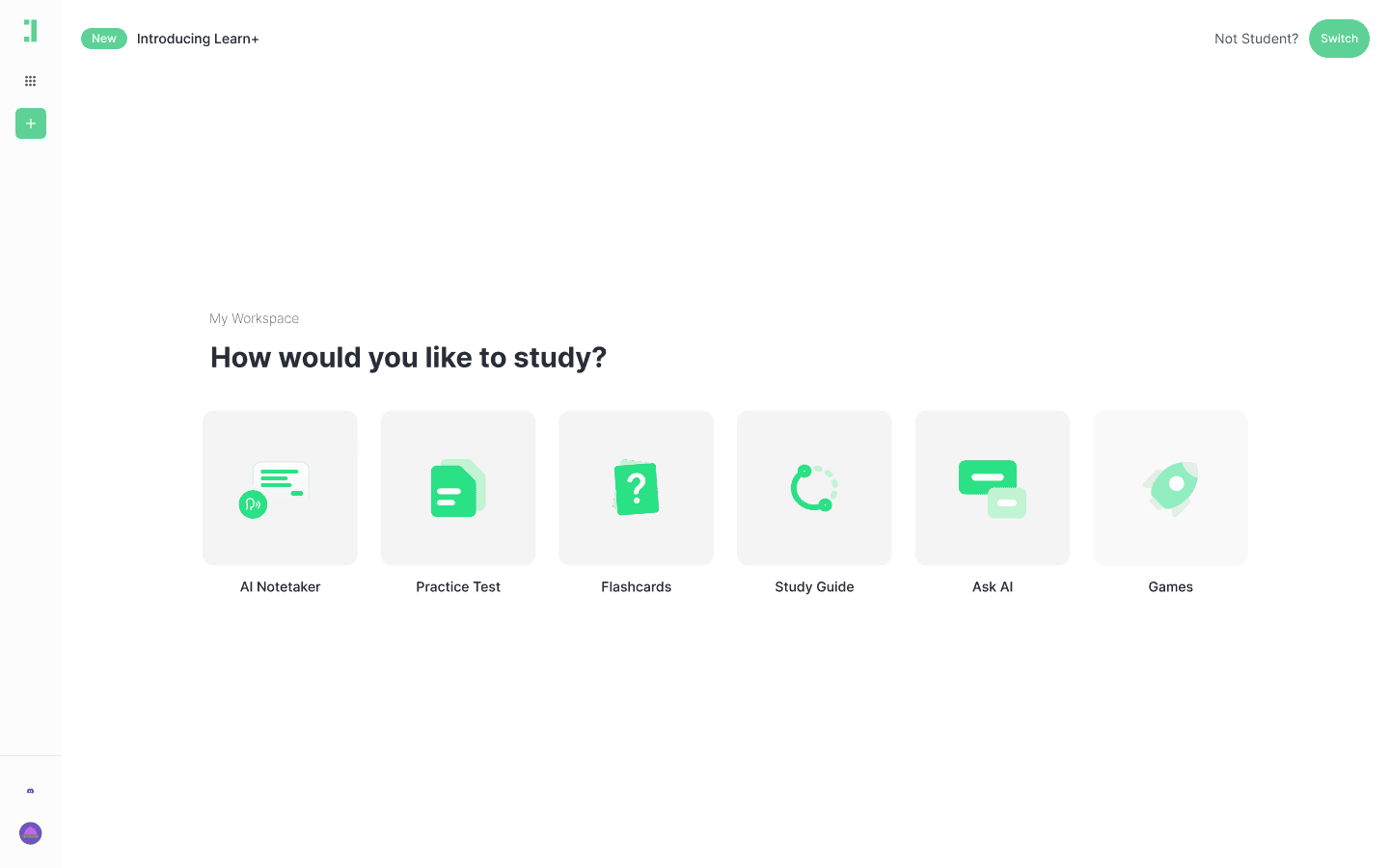
Generate Flashcards for Private Equity
Make and generate private equity flashcards for finance interviews and exams using AI from your notes and PDFs.
Generate Flashcards with AI Free
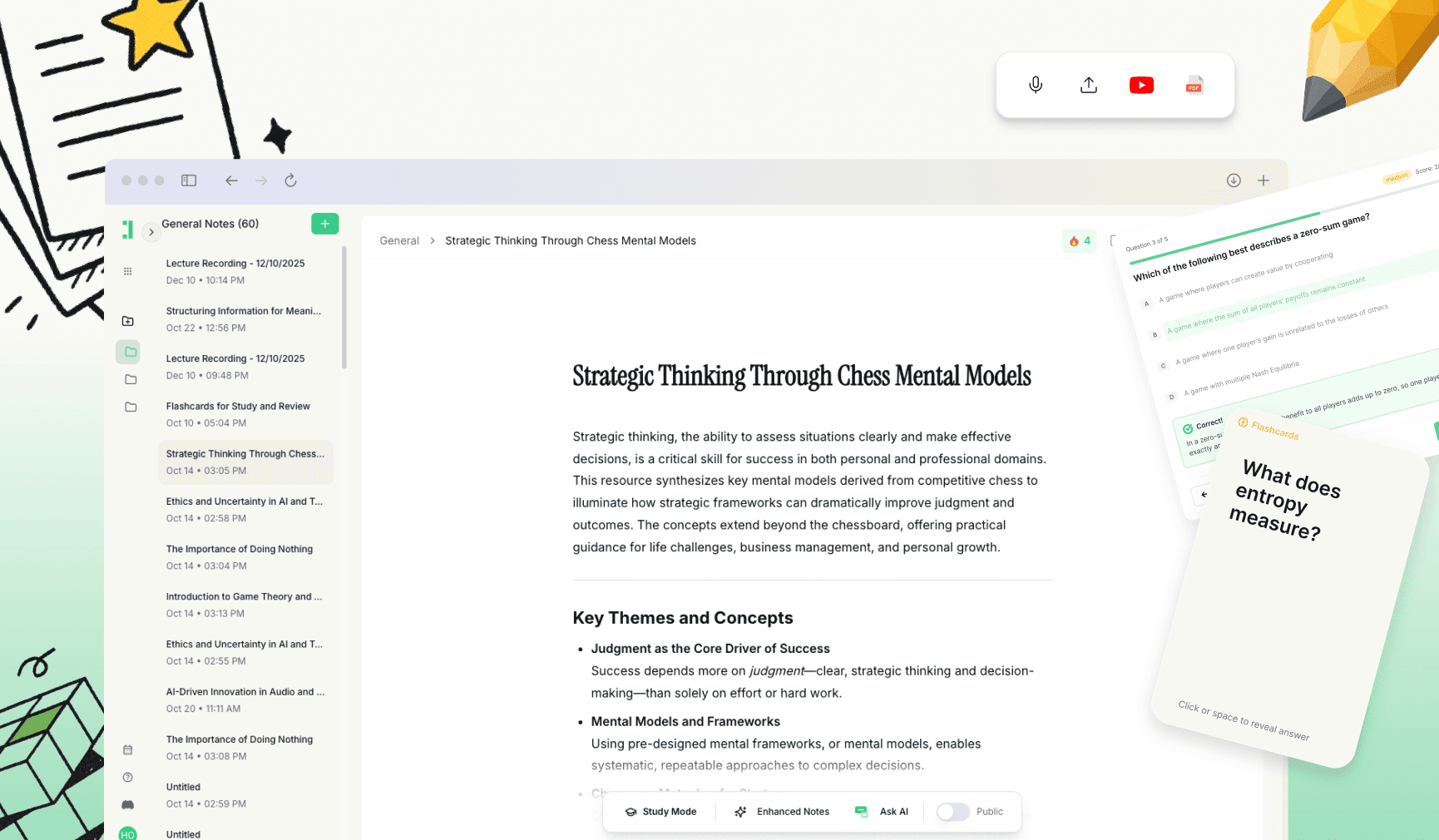
What are Private Equity flashcards?
Private Equity flashcards are targeted study tools designed to help you master the complex world of alternative investments. They cover everything from Leveraged Buyout (LBO) mechanics and valuation methodologies like DCF and Comps to fund structure, the deal lifecycle, and technical accounting adjustments. Instead of staring at dense financial models or 100-page investment memos, these flashcards break down the material into digestible prompts that test your memory on IRR hurdles, debt waterfalls, and operational value creation.
The goal is simple: shift from passive reading to active testing. By using flashcards, you force your brain to retrieve specific financial concepts on demand, which is exactly what happens during high-pressure technical interviews or investment committee presentations. If you already have your materials ready, Duetoday can generate a targeted deck in seconds.
Why flashcards work for Private Equity
Learning Private Equity requires a mix of rote memorization and deep conceptual understanding of how capital structures move over time. Flashcards provide the perfect framework for this by leveraging active recall and spaced repetition. You aren’t just looking at an Excel formula; you are explaining the 'why' and 'how' behind the numbers, ensuring you don't forget the nuances of a management carve-out or a PIK toggle note.
Memorize technical formulas and ratios without last-minute cramming.
Distinguish between complex terms like IRR vs. MOIC or Growth Equity vs. Buyouts.
Master the step-by-step LBO process, from entry to exit.
Practice mental math and quick valuation rule-of-thumb adjustments.
What to include in your Private Equity flashcards
Effective PE flashcards follow the 'atomic' rule: one specific concept per card. This prevents you from glazing over details in a long list. You should focus on a mix of technical definitions, structural mechanics, and qualitative investment criteria. Using a question-and-answer format is the most effective way to simulate an interview environment.
Definitions: 'What is a Dividend Recapitalization?' or 'Define Net Working Capital in a deal context.'
Processes: 'What are the five steps of a standard LBO model?'
Comparisons: 'How does maintenance Capex differ from growth Capex?'
Application: 'If entry multiple is 10x and exit is 8x, what must happen to EBITDA to maintain a 20% IRR?'
How to study Private Equity with flashcards
To master Private Equity, use a two-pass system. First, build your deck using your lecture notes or technical guides to cover the foundational theory. Then, move into 'Review Rounds' where you test yourself on both the qualitative 'softer' side of PE and the 'hard' technical modeling steps. This ensures you are ready for both the modeling test and the behavioral interview.
Generate a deck from your case study materials or LBO guides.
Perform a rapid round to identify which formulas or terms you struggle with.
Review the 'high-difficulty' cards daily to lock them into long-term memory.
Mix qualitative strategy cards with quantitative calculation cards.
Do a final simulated interview pass before your technical assessment.
Generate Private Equity flashcards automatically in Duetoday
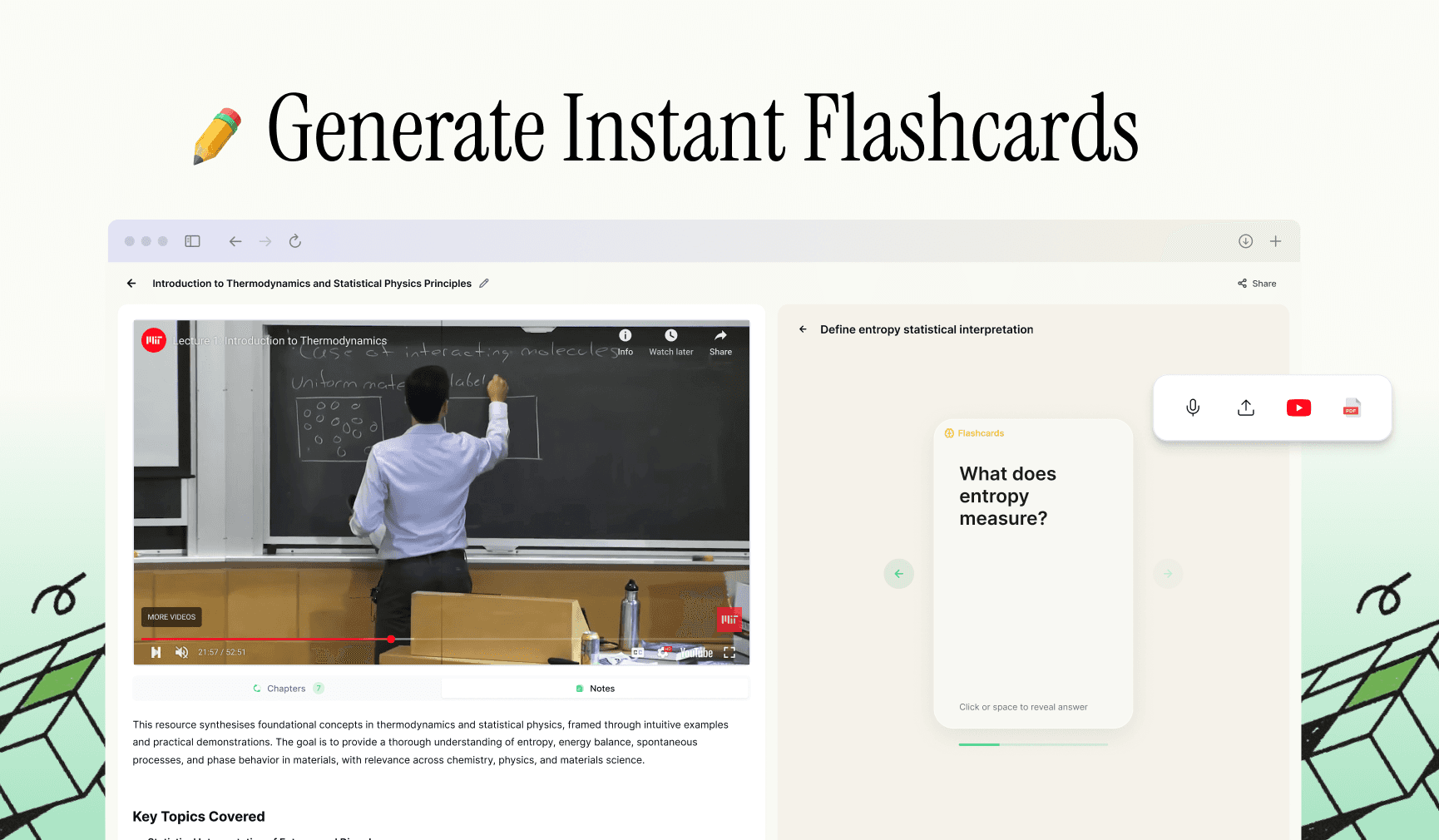
Making finance flashcards by hand is a massive time sink—time that should be spent practicing LBO models or researching deals. Duetoday eliminates the manual work by scanning your PDFs, slides, and notes to extract the most important information for you.
Upload your PE textbooks, technical guides, or lecture notes.
Click 'Generate Flashcards' to see AI-powered study prompts instantly.
Review, edit for specific deal nuances, and start studying on any device.
Common Private Equity flashcard mistakes
Many students make their cards too wordy, which leads to 'recognition' rather than 'recall.' If a card contains an entire paragraph of a case study, your brain will recognize the text without actually learning the underlying financial principle. Avoid these pitfalls to stay sharp.
Too much text: Keep cards focused on one specific calculation or definition.
Ignoring the 'Why': Don't just memorize the entry multiple; add cards that ask how it affects the IRR.
Lack of Comparison: Failure to compare different fund types (e.g., VC vs. PE) leads to confusion during technicals.
No Spaced Repetition: Reviewing everything once isn't enough; you must hit the harder LBO steps more frequently.
Ready to generate your Private Equity flashcards?
Stop rereading your finance guides and start mastering the material. Upload your notes today, generate a professional deck in seconds, and use active recall to ace your next PE interview.
FAQ
How many flashcards do I need for Private Equity?
For a comprehensive understanding, aim for 100-150 cards. This should cover technical accounting, LBO modeling, fund theory, and common case study scenarios.
What is the best format for PE flashcards?
A mixture of 'Term/Definition' and 'Scenario/Impact' works best. For example: 'What happens to the IRR if the hold period doubles?'
Can I generate flashcards from a PDF LBO guide?
Yes, Duetoday can read your PDF guides and automatically extract the key steps and formulas into a structured flashcard deck.
How often should I review my PE cards?
In the two weeks leading up to an interview, you should review your 'weak' cards daily and your 'mastered' cards every 3 days.
Should I include mental math on my flashcards?
Absolutely. Including quick math prompts (e.g., 'What is the 5-year 2x MOIC IRR?') is essential for thinking on your feet during technical rounds.
Are digital flashcards better than paper for finance?
Digital cards are superior because they allow for instant organization and the ability to carry a massive library of complex financial concepts in your pocket.
How long does it take to make a PE deck in Duetoday?
It takes less than a minute. Once you upload your content, the AI generates the cards instantly, saving you hours of manual typing.
Can Duetoday handle complex financial formulas?
Yes, the AI is designed to recognize and format financial ratios, accounting identities, and valuation formulas for clear study.

Duetoday is an AI-powered learning OS that turns your study materials into personalised, bite-sized study guides, cheat sheets, and active learning flows.