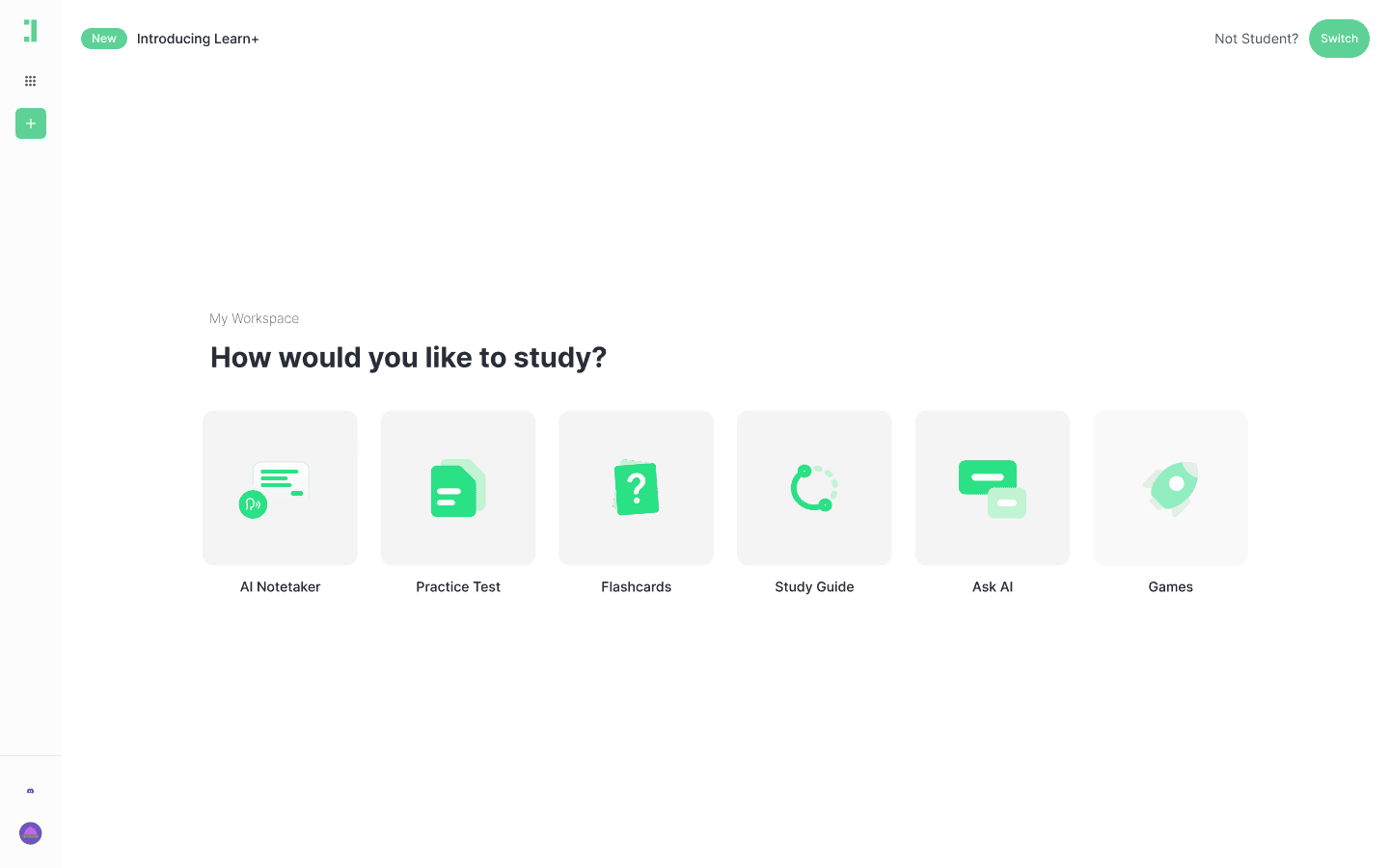
Generate Flashcards for Pricing and Packaging
Generate Pricing and Packaging flashcards fast. Upload notes or PDFs and start studying today for free!
Generate Flashcards with AI Free
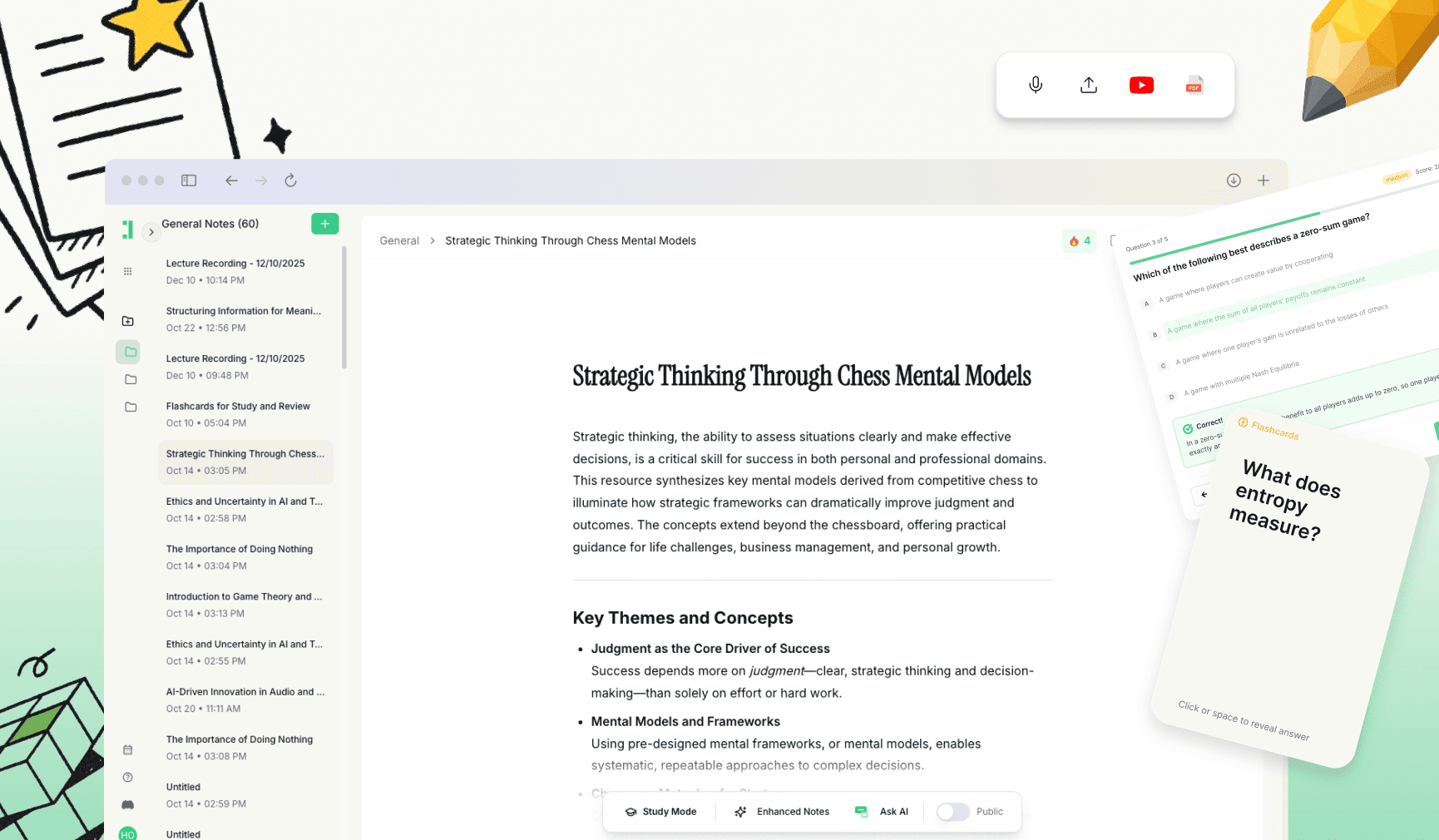
Generate Flashcards for Pricing and Packaging
Turn your meeting notes, strategy PDFs, slides, or marketing lectures into Pricing and Packaging flashcards so you can review faster and remember more. Master the art of monetization without the manual effort.
Generate Pricing and Packaging FlashcardsUpload notes / paste text
In Duetoday, the process is simple: upload your documents, generate high-quality cards instantly, review or edit the content, and start studying with active recall.
What are Pricing and Packaging flashcards?
Pricing and Packaging flashcards cover the essential frameworks for how products are valued and grouped for sale. This includes key terms like LTV (Lifetime Value), CAC (Customer Acquisition Cost), and ARPU, as well as complex strategies like value-based pricing, skimming, or freemium models.
Instead of just rereading a textbook or a slide deck, these cards force you to test yourself on how different pricing levers impact business growth. If you already have notes, Duetoday can generate a clean deck in minutes so you can focus on mastering the concepts.
Why flashcards work for Pricing and Packaging
Pricing is complex because it requires a mix of mathematical formulas, psychological theories, and strategic relationships. Flashcards are the perfect tool to bridge the gap between rote memorization of terms and the application of pricing rules.
Remember key terms like Elasticity or MRR without cramming.
Separate similar concepts like Cost-Plus vs. Value-Based pricing.
Learn processes step-by-step for calculating unit economics.
Practice applying pricing rules to different market scenarios.
What to include in your Pricing and Packaging flashcards
Effective flashcards follow the "atomic" rule: one idea per card. For Pricing and Packaging, you should move beyond simple definitions and focus on how different pricing tiers and models interact with customer behavior.
Definitions & key terms: "What is Price Elasticity?" "Define Gunning's Law."
Processes & steps: "What are the four steps to a value-based pricing interview?"
Comparisons: "How is a Flat-rate model different from Tiered pricing?"
Application: "When would you use a penetration pricing strategy?"
Example prompts include: "What is the formula for CAC Payback Period?", "Define the 'Good-Better-Best' packaging strategy," and "What happens to demand if a product is perfectly inelastic?"
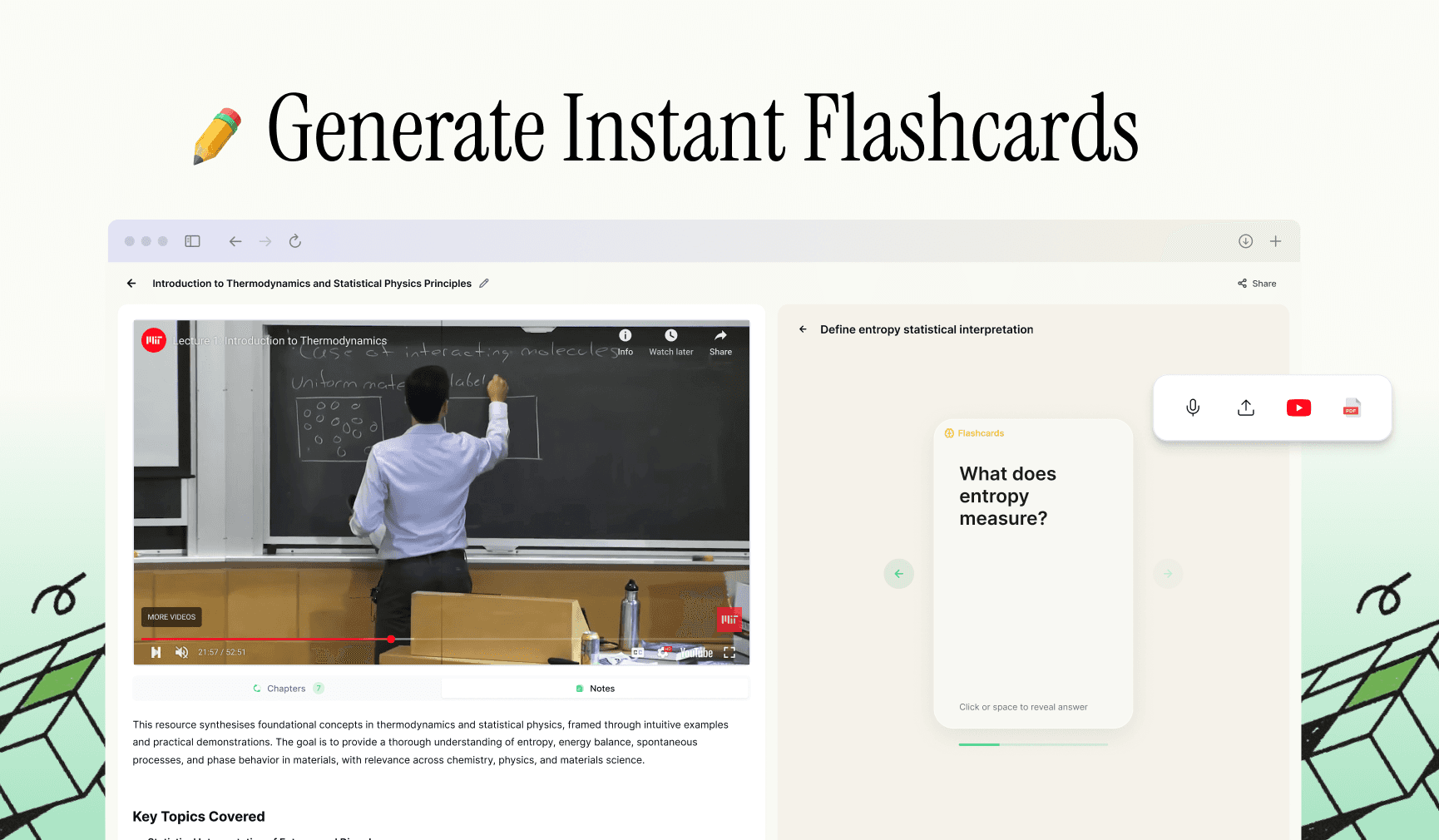
How to study Pricing and Packaging with flashcards
Mastering Pricing and Packaging requires a two-pass approach. First, you build your deck to capture the foundational definitions, and then you review them in rounds to build strategic intuition. Quick sessions are more effective than marathon cramming sessions.
Make a deck from your strategy notes or generate it from a market research PDF.
Do one quick round to find weak spots in your formula knowledge.
Review weak cards—like those covering complex unit economics—daily.
Mix in harder application cards involving pricing psychology each session.
Do a final mixed review of all models before your exam or product launch.
Generate Pricing and Packaging flashcards automatically in Duetoday
Making pricing cards manually is slow and messy—especially when dealing with complex formulas and tables. Duetoday eliminates the grunt work by using AI to extract the most important concepts from your existing materials.
Simply upload your notes, PDFs, or slides, and Duetoday will generate flashcards instantly. You can then edit them for precision and start studying immediately.
Upload or paste your Pricing and Packaging material.
Click Generate Flashcards.
Review, edit, and start studying with active recall.
Stop rereading. Start recalling. Get a deck you can actually use to pass your exams or master your business strategy today.
Common Pricing and Packaging flashcard mistakes
Many students make cards that are essentially paragraphs, which makes them hard to memorize. To avoid this, ensure your cards are concise. Another mistake is ignoring the "why"—don't just memorize what a 'freemium' model is, but also memorize why a company would choose it over a free trial.
Cards are too long: Split them into one clear idea per card.
Only memorizing words: Add "explain why" prompts for different pricing tiers.
Confusing similar concepts: Add specific comparison cards for CAC vs. LTV.
No review schedule: Repeat the difficult financial formulas more often.
FAQ
How many flashcards do I need for Pricing and Packaging? Most comprehensive decks for this topic contain between 40 and 60 cards to cover models, formulas, and psychology.
What’s the best format for Pricing and Packaging flashcards? Question-and-answer format is best for definitions, while scenario-based cards work best for strategic models.
How often should I review Pricing and Packaging flashcards? Review daily for the first week, then use spaced repetition to review every 3-5 days to keep concepts fresh.
Should I make cards from a textbook or slides? Both are useful, but lecture slides usually contain the most condensed, high-value pricing frameworks.
How do I stop forgetting formulas after a few days? Practice applying the formula to a real-world scenario on the back of the card to build context.
Can I generate flashcards from a PDF automatically? Yes, Duetoday can scan your Pricing and Packaging PDFs and turn them into a study-ready deck in seconds.
Are digital flashcards better than paper for this topic? Digital cards are superior because they allow for easier editing of complex pricing diagrams and formulas.
How long does it take to make a full deck? With Duetoday, you can generate a full deck in under two minutes, saving hours of manual typing.

Duetoday is an AI-powered learning OS that turns your study materials into personalised, bite-sized study guides, cheat sheets, and active learning flows.