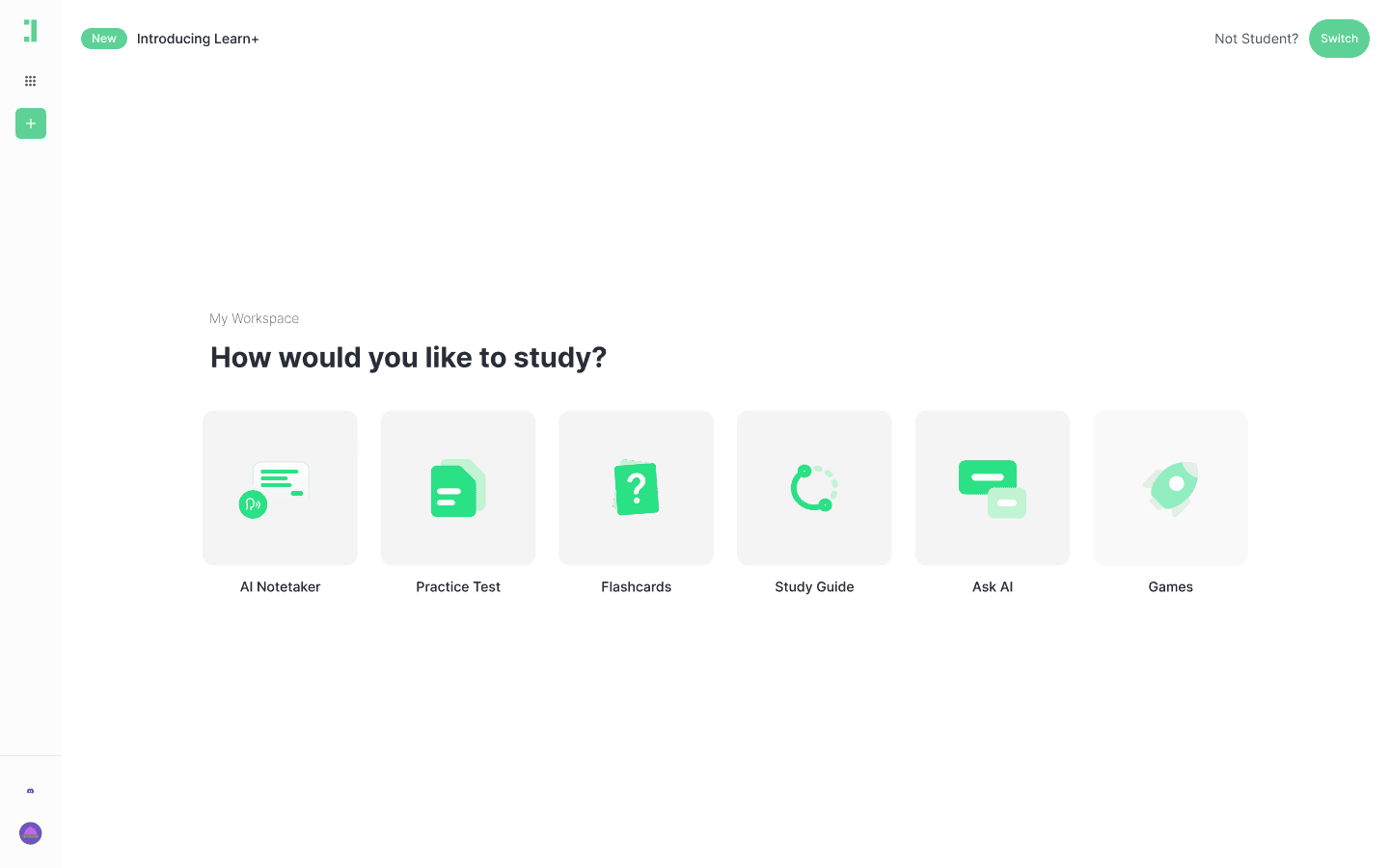
Generate Flashcards for Porter’s Five Forces
Generate Porter’s Five Forces flashcards in seconds. Turn PDFs/notes into study sets. Try for free!
Generate Flashcards with AI Free
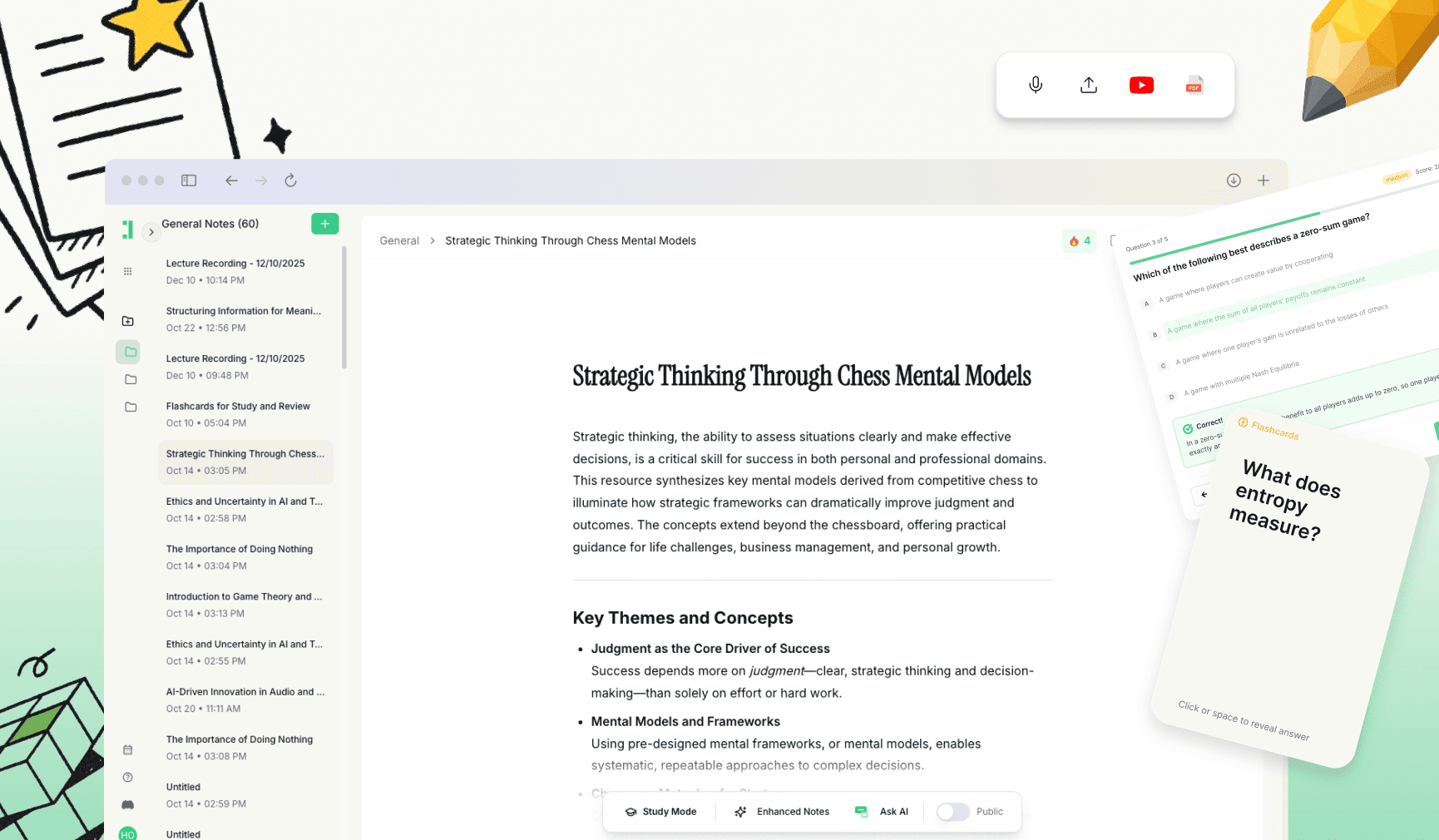
Generate Flashcards for Porter’s Five Forces
Turn your notes, PDFs, slides, or business lectures into Porter’s Five Forces flashcards so you can review faster and remember more. Whether you are studying for an MBA or a strategic management exam, our AI helps you break down complex industry dynamics into bite-sized study sessions.
Generate Porter’s Five Forces Flashcards Upload notes / paste text
Upload your study materials to Duetoday, and our AI will automatically extract key concepts, analyze market barriers, and create a structured deck for you to review, edit, and master.
What are Porter’s Five Forces flashcards?
Porter’s Five Forces flashcards are specialized study tools designed to help you analyze the competitive environment of any industry. They cover the five pillars of Michael Porter's framework: competitive rivalry, supplier power, buyer power, threat of substitution, and threat of new entry. These cards focus on the factors that determine industry profitability and long-term attractiveness.
Instead of merely rereading textbook definitions, these flashcards force you to test your knowledge of how each force applies to real-world scenarios. This active testing builds a deeper understanding of strategic positioning and competitive advantage.
If you already have notes, Duetoday can generate a clean deck in minutes.
Why flashcards work for Porter’s Five Forces
Studying Porter’s Five Forces requires more than just memorizing a list; it requires understanding the relationships between different market players. Flashcards help you isolate these relationships and apply the framework to different industries without getting overwhelmed by theory.
By using active recall and spaced repetition, you ensure that you can identify industry threats and opportunities on the fly during exams or business presentations.
Remember key terminology like 'switching costs' and 'economies of scale' without cramming.
Separate similar concepts, such as the difference between a high threat of substitution vs. high internal rivalry.
Learn the step-by-step process of conducting an industry analysis.
Practice applying strategic rules to different case studies quickly.
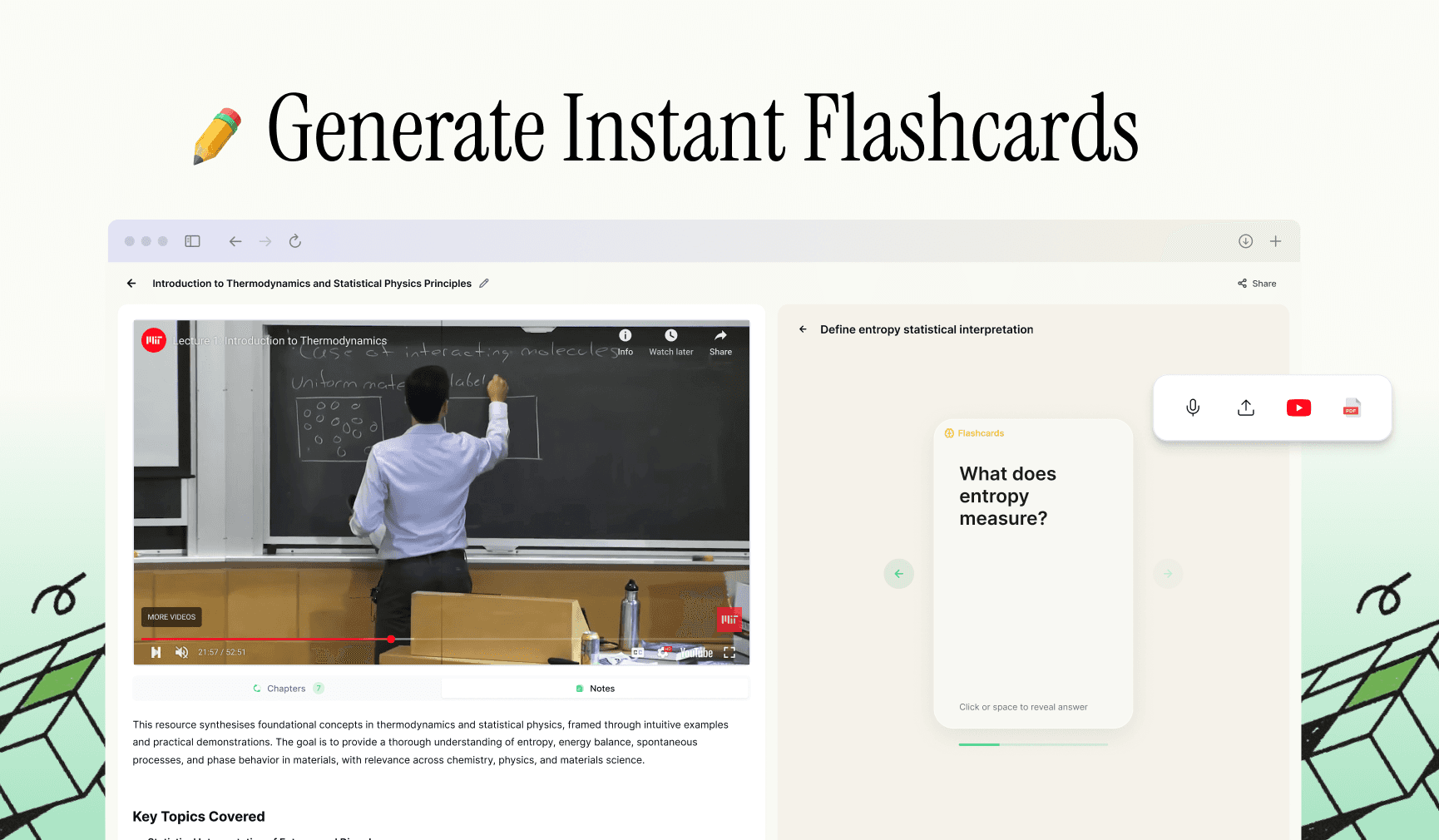
What to include in your Porter’s Five Forces flashcards
The most effective flashcards follow the "one idea per card" rule. For Porter's framework, focus on question-based cards that challenge your ability to analyze specific industry conditions rather than just reciting definitions.
Definitions & Key Terms: "What are switching costs?" or "Define barriers to entry."
Processes & Steps: "What is the first step in calculating industry concentration?"
Comparisons: "How does buyer power differ from supplier power in a monopoly?"
Application: "If a new technology lowers production costs for everyone, how does that affect the threat of new entry?"
Example Prompts:
- "What factors increase the bargaining power of suppliers?"
- "Give an example of a high barrier to entry in the airline industry."
- "How do high exit barriers impact competitive rivalry?"
- "What is the difference between a competitor and a substitute?"
How to study Porter’s Five Forces with flashcards
To master competitive strategy, use a two-pass approach. First, build your deck using Duetoday's AI to ensure you haven't missed any critical components of the framework. Then, move into repetitive review rounds to solidify your understanding.
Short, frequent sessions are more effective than one long marathon. Focus on the cards you consistently get wrong until the logic of industry analysis becomes second nature.
Make a deck from your notes or generate it automatically from your textbook content.
Do one quick round to identify which of the five forces you understand least.
Review these weak cards daily to build strategic intuition.
Mix in harder, application-based cards that focus on case studies.
Do a final mixed review of all five forces before your quiz or exam.
Generate Porter’s Five Forces flashcards automatically
Making cards manually is slow, messy, and you often end up writing too much on one card. Duetoday streamlines this by converting your raw data into perfect study prompts instantly.
Simply upload your PDFs, lecture slides, or paste your reading material, and our AI tutor will organize the information into a professional study deck.
Upload or paste your Porter’s Five Forces material.
Click Generate Flashcards.
Review, edit, and start studying immediately.
Generate Porter’s Five Forces Flashcards in Duetoday
Common Porter’s Five Forces flashcard mistakes
Most students make the mistake of creating "encyclopedia cards"—cards with too much text that are impossible to memorize. To fix this, ensure your cards are concise and focus on the 'why' behind the forces.
Cards are too long: If a card explains all five forces at once, split it into five separate cards.
Only memorizing words: Focus on prompts that ask "What happens if...?" to test application.
Confusing Substitutes with Rivals: Create specific comparison cards to distinguish between direct competitors and alternative products.
No review schedule: Don't just make them; use a spaced repetition system to keep the concepts fresh.
Ready to generate your Porter’s Five Forces flashcards?
Stop rereading your strategy textbook and start active recall today. Upload your notes and get a deck you can actually use to ace your next exam.
Start Generating Flashcards
Works with notes, PDFs, slides, and lecture transcripts.
FAQ
How many flashcards do I need for Porter’s Five Forces?
Typically, a deck of 20–30 cards is sufficient to cover the core definitions, the details of each of the five forces, and common examples of barriers or threats.
What’s the best format for Porter’s Five Forces flashcards?
The best format is a "Question and Answer" style. Instead of writing 'Buyer Power' on the front, write 'What conditions lead to high buyer power?' to trigger active recall.
How often should I review these flashcards?
You should review them daily leading up to an exam. Once you feel confident, use spaced repetition to check back every few days to ensure the concepts stick in your long-term memory.
Should I make cards from a textbook or my own notes?
Both are great. Textbooks provide the structured theory, while your notes often contain the specific examples or case studies your professor finds important.
How do I stop forgetting the different forces after a few days?
Use spaced repetition. Duetoday helps by surfacing the cards you struggle with more frequently, ensuring you don't lose progress on the tougher concepts.
Can I generate Porter’s Five Forces flashcards from a PDF automatically?
Yes! Duetoday allows you to upload any business PDF or slide deck and will automatically generate a set of flashcards based on the content provided.
Are digital flashcards better than paper for this topic?
Digital cards are usually better for Porter's Five Forces because you can easily edit them as you learn new case studies and use AI to generate them instantly from long readings.
Can Duetoday organize my flashcards for me?
Absolutely. Duetoday categorizes your generated cards by topic and difficulty, making it easy to focus your study sessions on the areas where you need the most improvement.

Duetoday is an AI-powered learning OS that turns your study materials into personalised, bite-sized study guides, cheat sheets, and active learning flows.