Generate Pathophysiology Flashcards in Seconds
Learn how to make Pathophysiology flashcards with this guide to help you study disease mechanisms and clinical manifestations.
Generate Flashcards with AI Free
What are Pathophysiology flashcards?
Pathophysiology flashcards are specialized study tools designed to help you master the complex functional changes that accompany a particular disease or syndrome. These cards focus on the 'why' and 'how' behind medical conditions—connecting the initial cause (etiology) to the resulting symptoms and clinical markers.
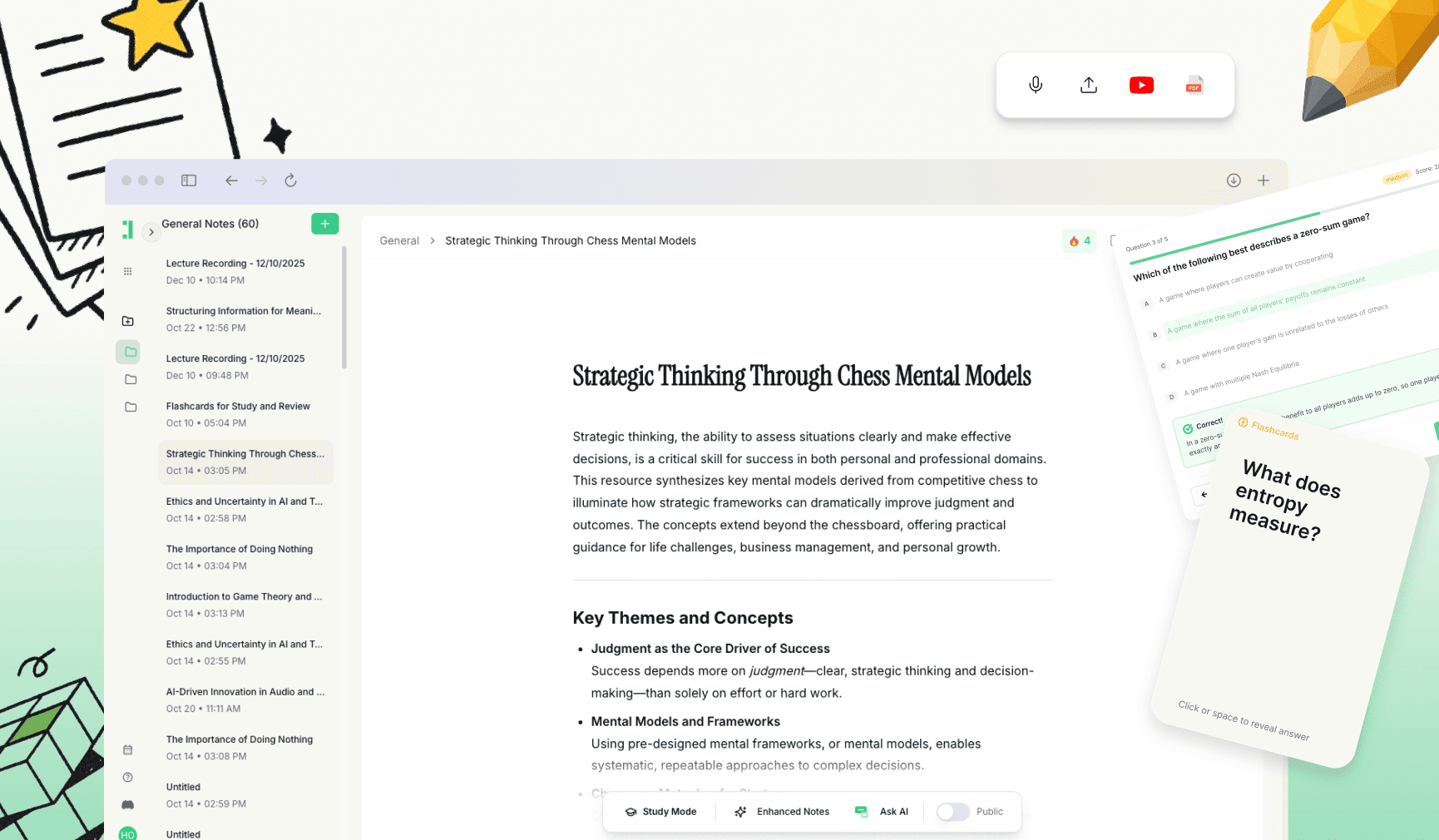
Instead of merely memorizing a list of symptoms, Pathophysiology flashcards help you visualize the sequence of events within the body. By breaking down intricate biological pathways into bite-sized questions, you build a mental map of how bodily systems fail and how they respond to injury or illness. If you already have lecture notes, Duetoday can generate a clean deck in minutes so you can stop formatting and start learning.
Why flashcards are the best way to study Pathophysiology
Pathophysiology requires more than rote memorization; it demands an understanding of relationships and sequences. Flashcards are ideally suited for this because they force you to engage in active recall—the process of retrieving information from your brain rather than just recognizing it on a page.
Master Complex Sequences: Easily break down many-stepped processes like the inflammatory response or the renin-angiotensin-aldosterone system.
Differentiate Similar Conditions: Create cards that contrast similar diagnoses, such as identifying the key differences between Right-Sided and Left-Sided Heart Failure.
Learn Clinical Manifestations: Connect cellular changes directly to the physical signs you will see in a clinical setting.
Long-Term Retention: Using spaced repetition ensures you don't forget the early semester foundation by the time finals or boards arrive.
What to include in your Pathophysiology flashcards
To be effective, your cards should follow the 'one idea per card' rule. Avoid crowding a single card with an entire disease profile; instead, focus on the specific links in the pathophysiological chain. Use question-based prompts to keep your brain active.
Etiology & Risk Factors: What is the primary cause of Type 1 Diabetes?
Pathogenesis: How does chronic hypertension lead to left ventricular hypertrophy?
Clinical Manifestations: Why does liver failure cause peripheral edema?
Complications: What is a common life-threatening complication of deep vein thrombosis (DVT)?
How to study Pathophysiology with flashcards
The most effective way to study is a two-pass approach. First, generate your deck from your syllabus or lecture slides to organize the material. Then, conduct daily short-burst review sessions. This prevents cognitive overload and keeps the mechanisms fresh in your mind.
Generate your deck from notes or PDFs using Duetoday's AI.
Do an initial pass to identify 'high-difficulty' cards.
Review these difficult mechanisms daily.
Mix cards from different body systems to simulate real-world clinical thinking.
Run a final comprehensive review before your exam or clinical rotation.
Generate Pathophysiology flashcards automatically in Duetoday
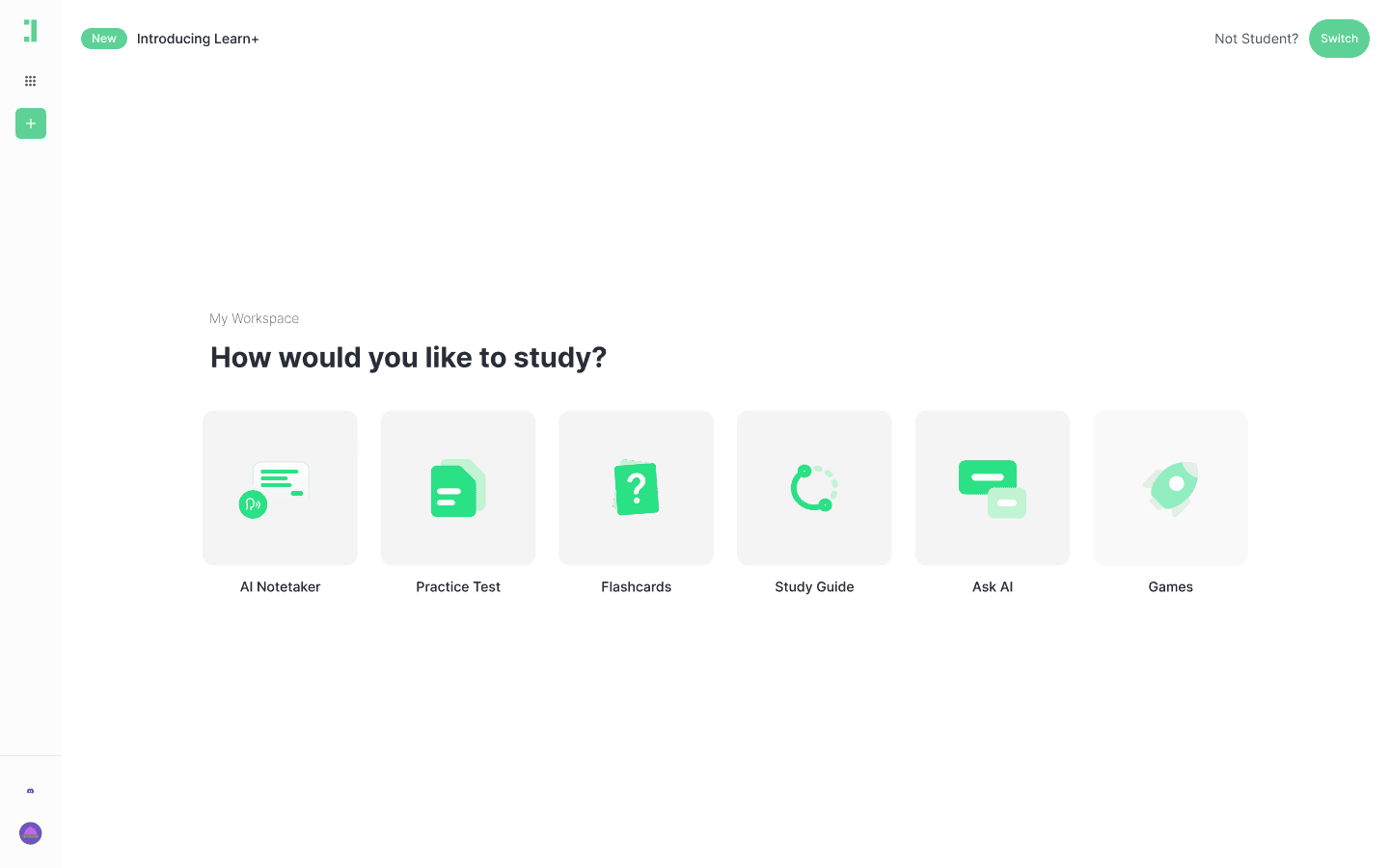
Making cards manually for a subject as dense as Pathophysiology can take hours that you don't have. Duetoday eliminates the busywork by instantly converting your complex lecture slides and textbooks into high-utility flashcards.
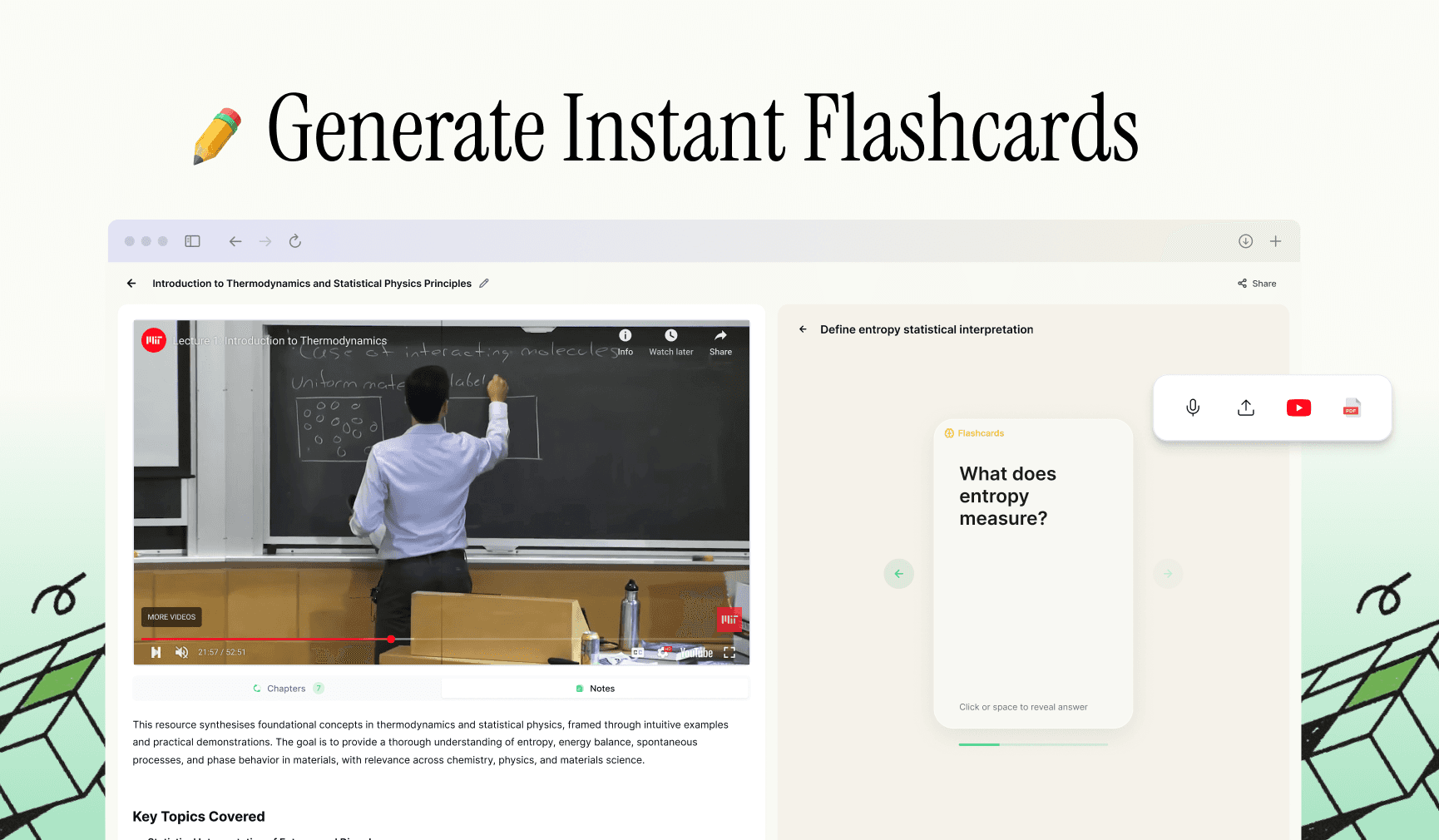
Upload your Pathophysiology PDFs or paste your lecture notes.
Click 'Generate Flashcards' to see the AI identify key mechanisms.
Review, edit, and start studying immediately on any device.
Common Pathophysiology flashcard mistakes
The biggest mistake students make is creating 'wall of text' cards that are impossible to review quickly. If a card covers an entire chapter, you won't remember the details. Also, avoid just memorizing definitions; ensure your cards ask 'why' a certain change occurs. Finally, don't ignore the 'normal' physiology—the best cards explain how the disease state deviates from health.
Ready to generate your Pathophysiology flashcards?
Stop rereading and start recalling. Turn your complex medical notes into a structured study deck in seconds.
Start Generating Flashcards
FAQ
How many flashcards do I need for Pathophysiology?
It depends on the system you are studying, but typically 30-50 cards per major disease state is sufficient to cover etiology, pathogenesis, and manifestations without being overwhelming.
What’s the best format for Pathophysiology flashcards?
A 'Question and Answer' format is best. Specifically, use 'How' and 'Why' questions to ensure you understsand the mechanism of action rather than just the definition.
How often should I review Pathophysiology flashcards?
Brief daily reviews are more effective than long weekly sessions. Use spaced repetition to revisit difficult concepts like electrolyte imbalances or acid-base disorders more frequently.
Should I make cards from a textbook or my lecture slides?
Lecture slides usually highlight what your professor thinks is most important for the exam, making them the best primary source for generating your flashcards.
Can I generate Pathophysiology flashcards from a PDF?
Yes, Duetoday is designed to read your complex medical PDFs and extract the most relevant pathophysiological processes into study-ready cards.
How do I handle complex cycles like the Krebs cycle?
Break the cycle into several cards. Ask about the 'input', the 'limiting step', and the 'output' rather than trying to put the whole cycle on one card.
Are digital flashcards better than paper for Pathophysiology?
Digital cards allow you to use AI for instant creation and specialized algorithms for spaced repetition, which is significantly more efficient for the high volume of content in nursing or med school.
How long does it take to create a full deck?
Manually, it could take hours. With Duetoday's AI, you can convert a 50-slide lecture into a full deck of Pathophysiology flashcards in under a minute.

Duetoday is an AI-powered learning OS that turns your study materials into personalised, bite-sized study guides, cheat sheets, and active learning flows.