Generate Flashcards for Paid Ads Basics
Master marketing metrics fast. Generate Paid Ads flashcards in seconds for free today!
Generate Flashcards with AI Free
Generate Flashcards for Paid Ads Basics
Turn your notes, PDFs, slides, or marketing lectures into Paid Ads Basics flashcards so you can review faster and remember more. Whether you are studying for a certification or managing your first campaign, mastering the fundamentals is key to ROI.
Generate Paid Ads Basics FlashcardsUpload notes / paste text
In Duetoday, the process is simple: upload your marketing materials, let the AI generate high-quality cards, review or edit the content, and start your study session immediately.
What are Paid Ads Basics flashcards?
Paid Ads Basics flashcards cover the foundational pillars of digital advertising, including key terminology like CTR (Click-Through Rate), CPC (Cost Per Click), and ROAS (Return on Ad Spend). They help you memorize the hierarchy of campaigns, ad groups, and creative assets, as well as the technical steps for setting up pixels and tracking.
Instead of passively rereading a textbook or browser tabs, these flashcards force you to test your knowledge of how platforms like Google and Meta actually function. If you already have notes, Duetoday can generate a clean deck in minutes so you can focus on learning.
Why flashcards are one of the best ways to study Paid Ads Basics
Paid Ads require a mix of mathematical formulas, platform-specific rules, and strategic relationships. Flashcards help you bridge the gap between knowing a definition and applying it to a live campaign budget.
Remember messy acronyms (CPM, CPA, LTV) without cramming
Separate similar concepts (e.g., Search vs. Display networks)
Learn technical processes like setting up a conversion event step-by-step
Practice calculating ROAS and break-even points quickly
What to include in your Paid Ads Basics flashcards
Effective marketing flashcards follow the "atomic" rule: one specific idea per card. This prevents you from glazing over complex details and ensures you actually know the material.
Definitions: "What is Retargeting?"
Processes: "What are the three levels of a Google Ads account?"
Comparisons: "How does Broad Match differ from Phase Match?"
Application: "If spend is $100 and revenue is $500, what is the ROAS?"
How to study Paid Ads Basics with flashcards
Don't just flip through cards once. Use a two-pass system: first, build your deck to identify what you don't know, then use repetitive rounds to lock in the difficult metrics. Review your weakest cards daily for a few days before a certification exam or a client pitch.
Generate Paid Ads Basics flashcards automatically in Duetoday
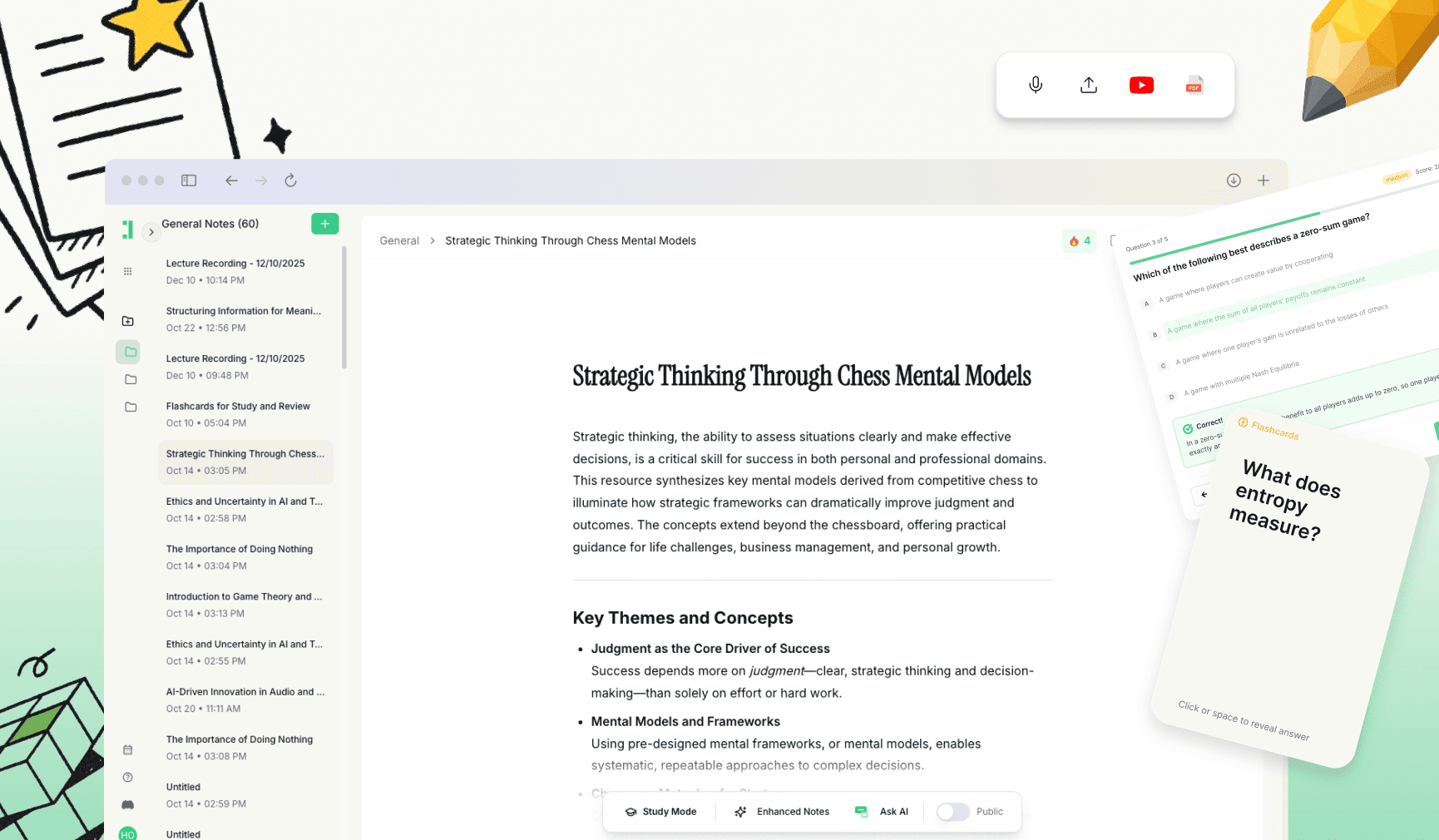
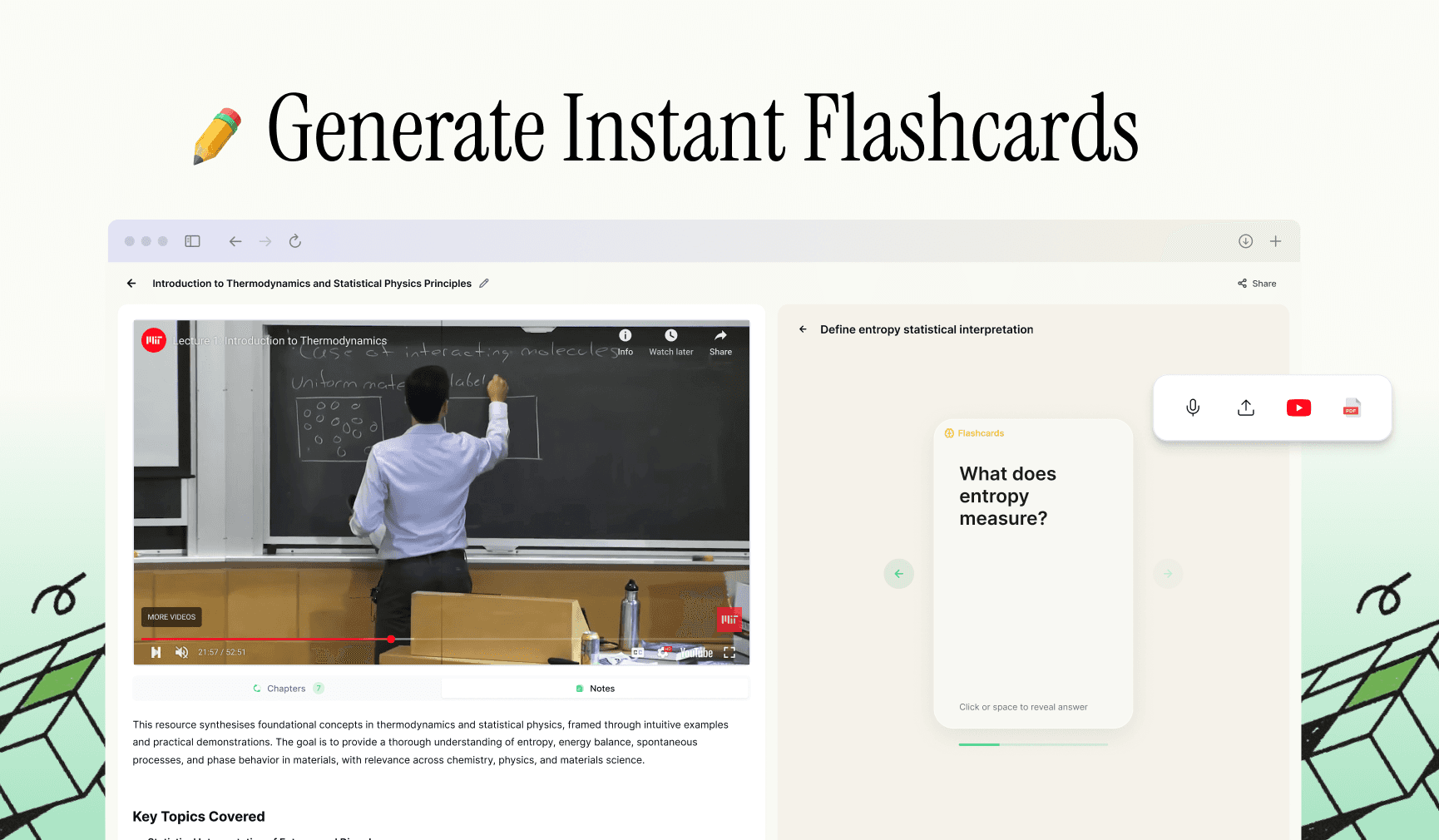
Making marketing cards manually is slow and often results in cards that are too wordy to be helpful. Duetoday uses AI to scan your PDFs or slides and extract the most important concepts instantly.
Upload your marketing PDF or lecture transcript
Click Generate Flashcards
Review the AI-generated deck and start studying
Generate Paid Ads Basics Flashcards in Duetoday
Common Paid Ads flashcard mistakes
Avoid making cards that are essentially paragraphs. Split long concepts into multiple cards. Another common error is only memorizing the name of a metric without knowing how to calculate it; always include a few "formula" cards to stay sharp.
FAQ
How many flashcards do I need for Paid Ads Basics? For a foundational understanding, a deck of 40-60 cards covering terms, formulas, and platform structures is usually sufficient.
What is the best format for these flashcards? Question and answer format is best. For example: 'Q: What is the formula for CPC? A: Total Cost / Total Clicks.'
Can I generate Paid Ads flashcards from a PDF? Yes, Duetoday can scan your marketing eBooks, slide decks, or syllabus and turn them into flashcards automatically.
Should I study digital or paper cards? Digital cards are superior for Paid Ads because they allow for spaced repetition algorithms that prioritize the metrics you find hardest to remember.

Duetoday is an AI-powered learning OS that turns your study materials into personalised, bite-sized study guides, cheat sheets, and active learning flows.