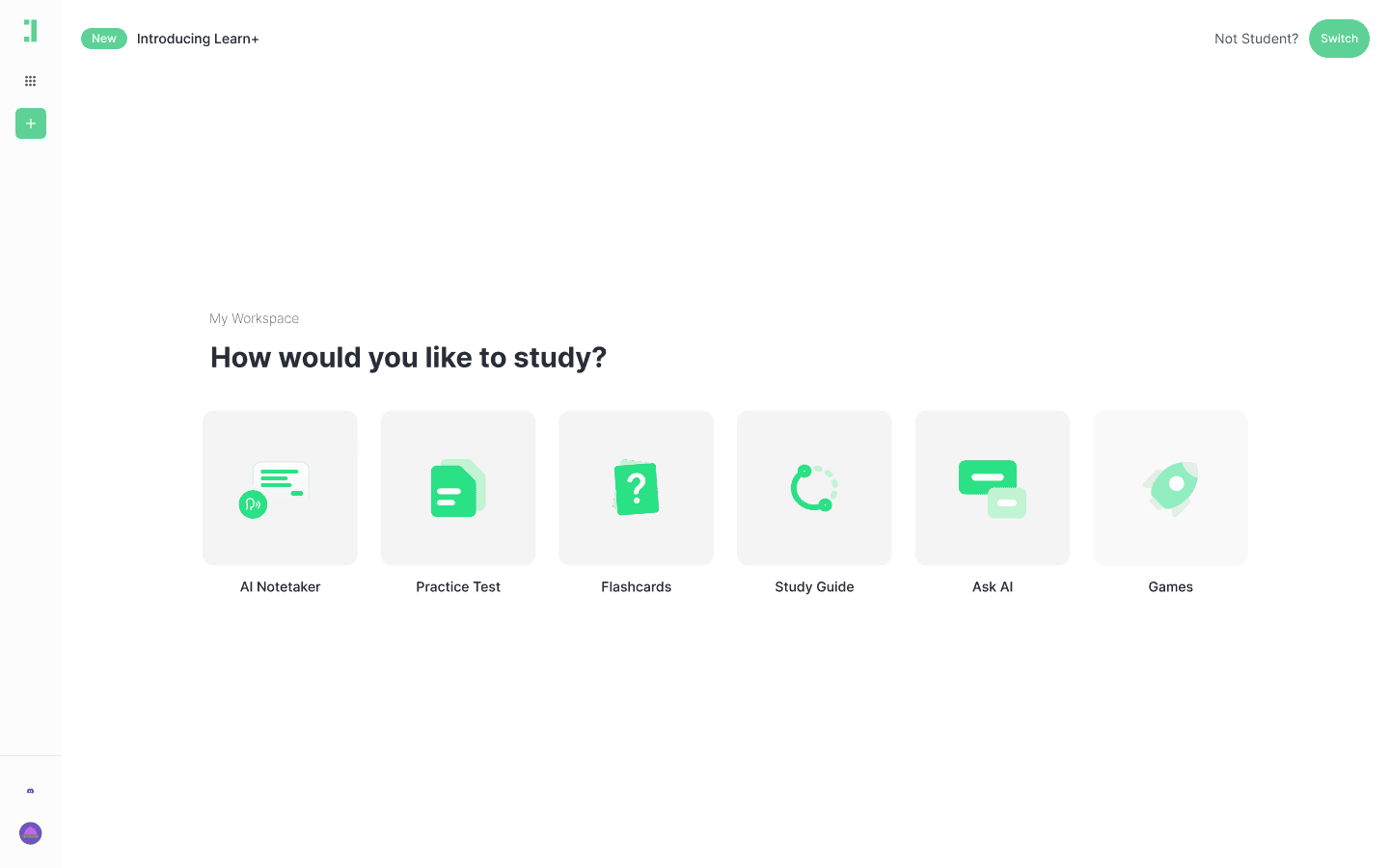
Generate Flashcards for Optimization
Make and generate flashcards for optimization to master mathematical algorithms and study-ready notes instantly.
Generate Flashcards with AI Free
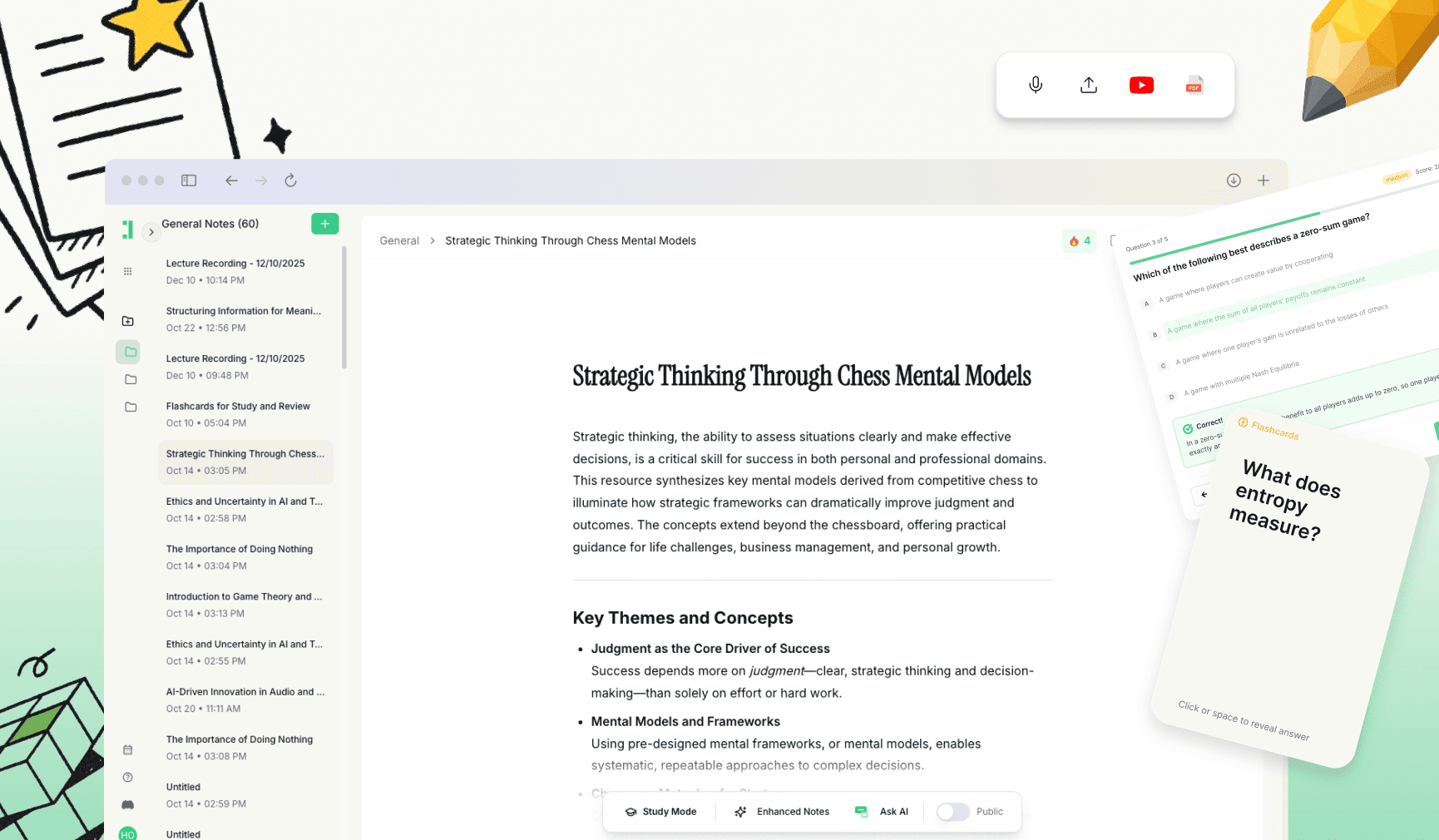
What are Optimization flashcards?
Optimization flashcards are focused study tools designed to help you master the mathematical and algorithmic processes of finding the best solution from a set of available alternatives. These flashcards cover critical concepts such as objective functions, constraints, linear programming, gradient descent, and heuristic methods. By breaking down complex mathematical proofs and logic into bite-sized questions, you can move away from passive reading and start actively testing your knowledge.
Instead of staring at a textbook on stochastic processes or convex optimization, flashcards force you to retrieve the information from memory. This builds stronger neural pathways and ensures you can apply the right formula or algorithm when it matters most. If you already have lecture notes or a textbook PDF, Duetoday can generate a clean, organized deck of optimization flashcards in minutes.
Why flashcards work for Optimization
Optimization is a subject built on precise definitions, specific sequences of steps, and the application of complex rules. Flashcards are one of the most effective ways to study this because they leverage active recall and spaced repetition to help you memorize formulas and recognize problem patterns quickly.
Memorize key terms like 'Global Optima' vs. 'Local Optima' without cramming.
Separate similar concepts such as Simplex vs. Interior Point methods.
Learn optimization algorithms step-by-step, from initialization to convergence.
Practice applying constraints and KKT conditions to theoretical problems.
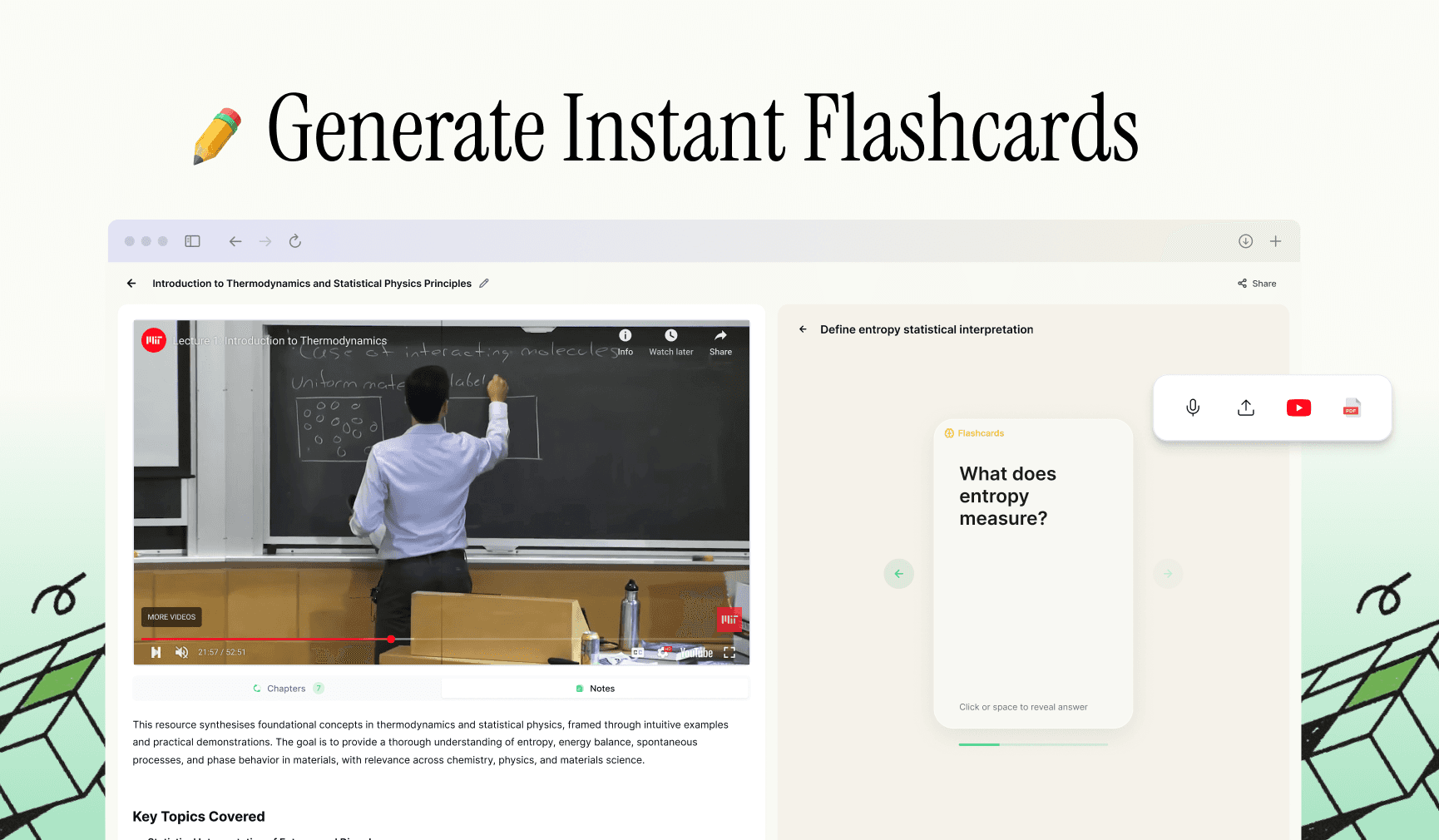
What to include in your Optimization flashcards
The secret to effective optimization study material is keeping it simple—one idea per card. Your cards should focus on why an algorithm is used and the specific logic behind it. We recommend using four main card types: Definitions, Processes, Comparisons, and Applications.
Definitions: Focus on terms like 'Feasible Region' or 'Sensitivity Analysis.'
Processes: Break down the steps of the Newton-Raphson method or the Big M method.
Comparisons: Contrast Primal vs. Dual problems or Constrained vs. Unconstrained optimization.
Application: Ask what happens to the objective function if a specific constraint is tightened.
Example prompts for your cards: 'What is the primary goal of the Simplex algorithm?', 'Explain the purpose of a Slack Variable,' or 'When is a function considered convex?'
How to study Optimization with flashcards
To master optimization, use a two-pass approach. In the first pass, create or generate your deck from your notes and do a quick round to identify which formulas or theorems are tripping you up. In the second pass, focus heavily on those 'weak' cards until the logic becomes second nature.
Generate a deck from your slides or textbook using Duetoday.
Identify weak spots in a quick initial review session.
Review difficult algorithms daily to reinforce the steps.
Mix in application cards to ensure you aren't just memorizing definitions.
Perform a full deck review before your exams or project deadlines.
Generate Optimization flashcards automatically in Duetoday
Making optimization cards manually is incredibly slow—writing out formulas and drawing graphs by hand takes time away from actual studying. Duetoday solves this by turning your study materials into ready-to-use flashcards instantly.
Upload your optimization PDFs, slides, or handwritten notes.
Click 'Generate Flashcards' to let the AI extract the core concepts.
Review, edit the formulas, and start studying immediately.
Common Optimization flashcard mistakes
Many students create cards that are too wordy or only focus on rote memorization. Avoid these pitfalls by keeping cards concise—split multi-step algorithms into several cards. Don't just memorize the name of a theorem; add 'Why' and 'How' prompts to ensure you understand the underlying math. Finally, ensure you include cards that compare similar methods so you don't mix them up during an exam.
Ready to generate your Optimization flashcards?
Stop rereading your textbooks and start testing your recall. Upload your optimization materials to Duetoday right now and get a custom deck you can actually use today. Works with notes, PDFs, slides, and transcripts.
FAQ
How many flashcards do I need for Optimization? Usually, 40 to 60 cards are enough to cover the core algorithms and definitions of a standard optimization course.
What’s the best format for Optimization flashcards? A question-and-answer format works best, particularly when focusing on the 'If/Then' logic of algorithmic steps.
How often should I review Optimization flashcards? Review daily when first learning a new algorithm, then transition to every 2-3 days once the steps feel familiar.
Should I make cards from a textbook or slides? Both are useful, but slides usually contain the summarized 'high-yield' formulas that are most likely to appear on exams.
How do I stop forgetting formulas after a few days? Spaced repetition is key. Re-testing yourself on the hardest formulas every 24 hours prevents the 'forgetting curve' from setting in.
What if my flashcards feel too easy? If they feel easy, start adding 'application' cards where you have to determine which method to use for a specific scenario.
Can I generate Optimization flashcards from a PDF automatically? Yes, Duidentoday can scan your optimization PDFs and extract key formulas and definitions into a structured deck.
Are digital flashcards better than paper for Optimization? Digital cards are generally better because they allow for faster organization and the use of AI to generate content from complex notes.
How long does it take to make a full Optimization deck? Using Duetoday, you can generate a full deck in under 60 seconds, compared to hours of manual writing.
Can Duetoday organize my flashcards for me? Yes, Duetoday categorizes your cards by topic and difficulty, making it easy to focus on what you don't know yet.

Duetoday is an AI-powered learning OS that turns your study materials into personalised, bite-sized study guides, cheat sheets, and active learning flows.