Generate Flashcards for Object-Oriented Programming
Generate Object-Oriented Programming flashcards to master inheritance and polymorphism with this study guide.
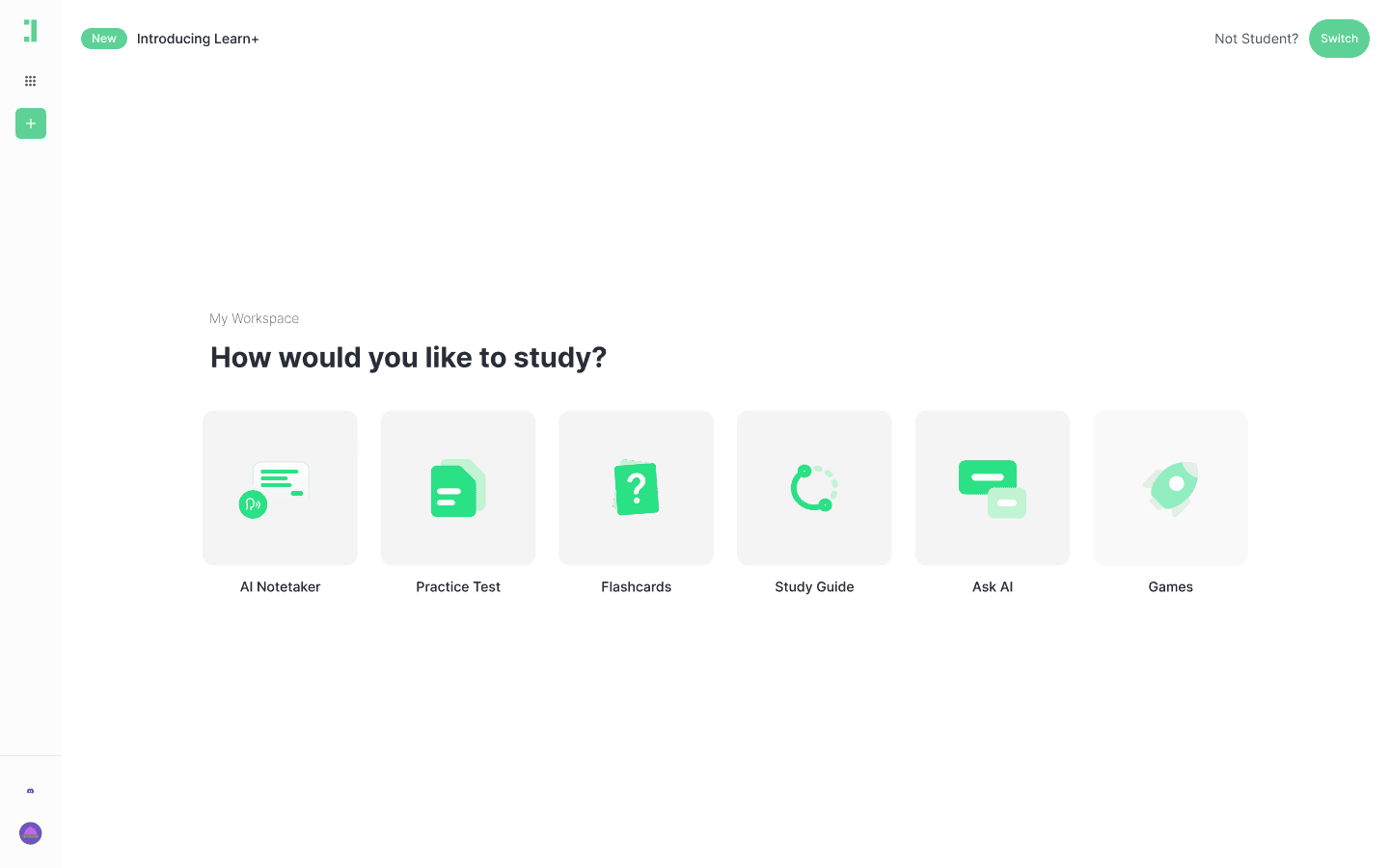
Generate Flashcards with AI Free
Generate Flashcards for Object-Oriented Programming
Turn your notes, PDFs, slides, or software engineering lectures into Object-Oriented Programming (OOP) flashcards so you can review faster and remember more. Whether you are learning Java, Python, C++, or C#, mastering the core principles is the key to passing your exams and becoming a better developer.
Generate OOP FlashcardsUpload notes / paste text
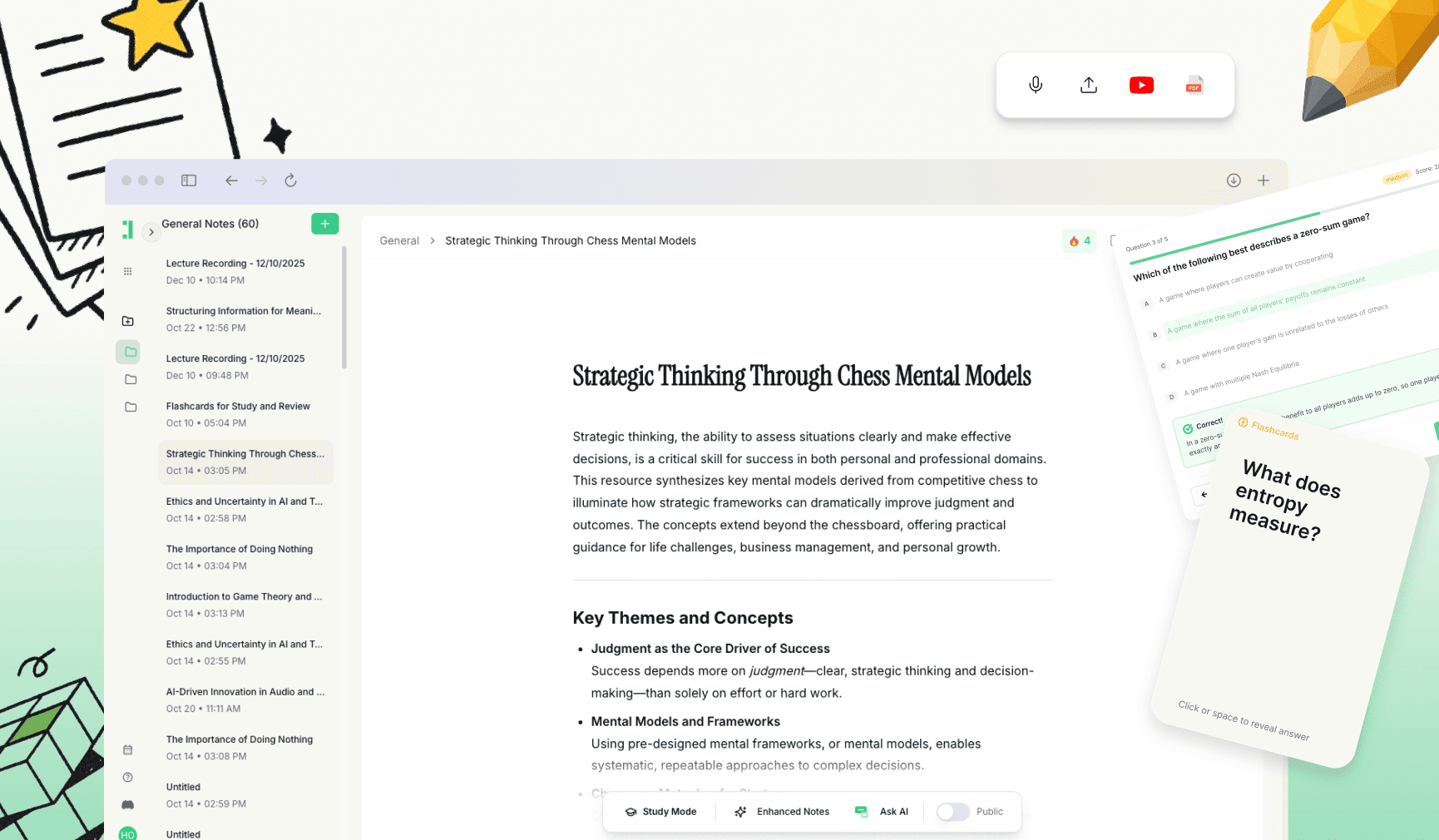
In Duetoday, the process is simple: upload your course materials, click generate, and the AI builds a structured deck for you to review, edit, and study instantly.
What are Object-Oriented Programming flashcards?
Object-Oriented Programming flashcards cover the fundamental pillars of software design, including key terms like classes, objects, methods, and attributes. They help you drill down into complex concepts like the four pillars of OOP: Abstraction, Encapsulation, Inheritance, and Polymorphism, as well as design patterns and SOLID principles.
Instead of passively rereading your textbooks or watching hours of coding tutorials, these flashcards force you to test yourself quickly. This builds active recall, ensuring you can explain how a constructor works or the difference between an interface and an abstract class on the spot. If you already have notes, Duetoday can generate a clean deck in minutes.
Why flashcards work for Object-Oriented Programming
OOP requires a specific type of memory that balances vocabulary with logic and relationships. You need to remember syntax, but more importantly, you need to understand how different components of a program interact with one another. Flashcards bridge this gap by using active recall and spaced repetition to move these concepts into your long-term memory.
Remember technical definitions without cramming before a midterm.
Separate similar concepts, such as Method Overloading vs. Method Overriding.
Learn class hierarchies and inheritance pathways step-by-step.
Practice identifying design patterns and applying coding rules quickly.
What to include in your OOP flashcards
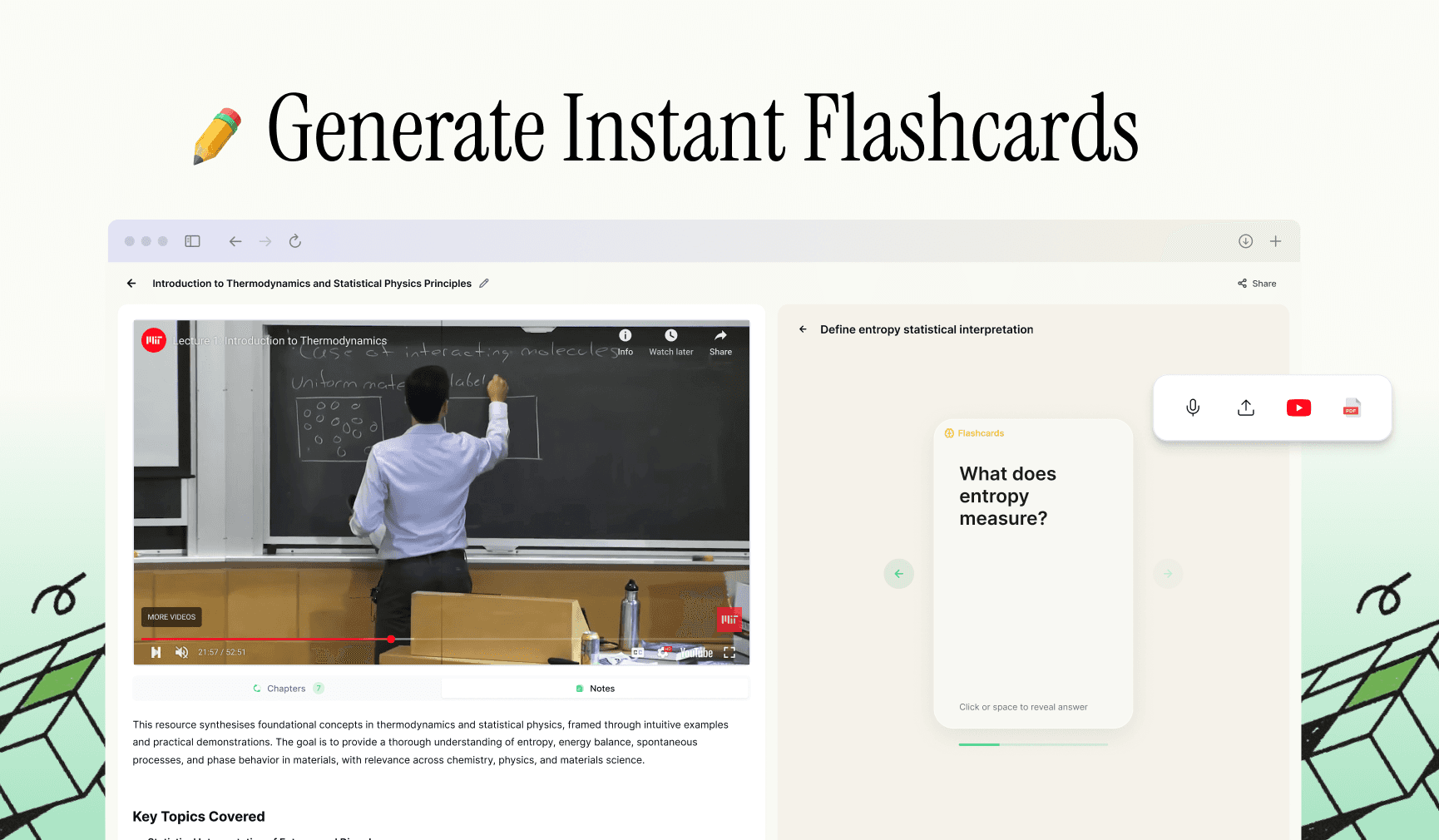
Effective OOP flashcards follow the one idea per card rule. They should be question-based rather than just a wall of code. Breaking down large topics into small, digestible questions makes it easier to verify your knowledge.
Definitions & Key Terms: What is an Object? Define Encapsulation in one sentence.
Processes & Steps: What happens during object instantiation?
Comparisons: How is an Abstract Class different from an Interface?
Application: When would you use a private modifier instead of protected?
Example prompts for your deck: 'What is the purpose of the super() keyword?', 'Explain the concept of 'Composition over Inheritance'', or 'What are the five SOLID principles?'
How to study OOP with flashcards
Studying programming isn't just about reading; it's about a systematic review. Use a two-pass approach: first, build your deck from your syllabus, then review it in consistent rounds. This keeps the logic fresh in your mind even when you aren't actively writing code.
Make a deck from your notes (or generate it from content using Duetoday).
Do one quick round to find weak spots in your logic or syntax knowledge.
Review weak cards daily for a few days to cement the logic.
Mix in harder design pattern cards to challenge your application skills.
Do a final mixed review before your coding interview or lab exam.
Generate OOP flashcards automatically in Duetoday
Making flashcards manually for programming is slow, messy, and takes away from your actual coding time. You shouldn't have to spend hours copying and pasting definitions from a PDF into a study app.
Duetoday solves this by allowing you to upload your notes, PDFs, or lecture slides to generate flashcards instantly. You can then edit the results and start studying immediately.
Upload or paste your OOP material.
Click Generate Flashcards.
Review, edit, and start studying.
Generate OOP Flashcards in Duetoday
Start with your notes and get a deck you can actually use today.
Common OOP flashcard mistakes
Most students make cards that are too long or focus on the wrong details. Avoid these pitfalls to ensure your study sessions are efficient:
Cards are too long: Split multi-part concepts into separate cards.
Only memorizing syntax: Add why prompts to understand the architectural reason for a feature.
Confusing public vs. private: Add literal comparison cards to clarify access modifiers.
No review schedule: Use computer-assisted spaced repetition to repeat tough cards more often.
Ready to generate your OOP flashcards?
Stop rereading your textbooks. Upload your notes, generate a structured deck, and master Object-Oriented Programming with active recall.
Start Generating Flashcards
Works with notes, PDFs, slides, and transcripts.
FAQ
How many flashcards do I need for OOP? Usually, a comprehensive deck for an introductory OOP course ranges from 50 to 100 cards, covering definitions, pillars, and basic syntax.
What’s the best format for OOP flashcards? Question and answer format works best. Use the front for a specific concept (e.g., What is Polymorphism?) and the back for a concise explanation and a code snippet.
How often should I review OOP flashcards? Review new concepts daily. Once you feel comfortable, move to a spaced repetition schedule, reviewing every 3-5 days.
Should I make cards from a textbook or slides? Both are useful, but slides usually contain the specific definitions your professor prefers. Textbooks provide deeper context for application questions.
How do I stop forgetting OOP concepts? Active recall is the answer. Instead of looking at a diagram, try to explain the hierarchy from memory using your flashcards.
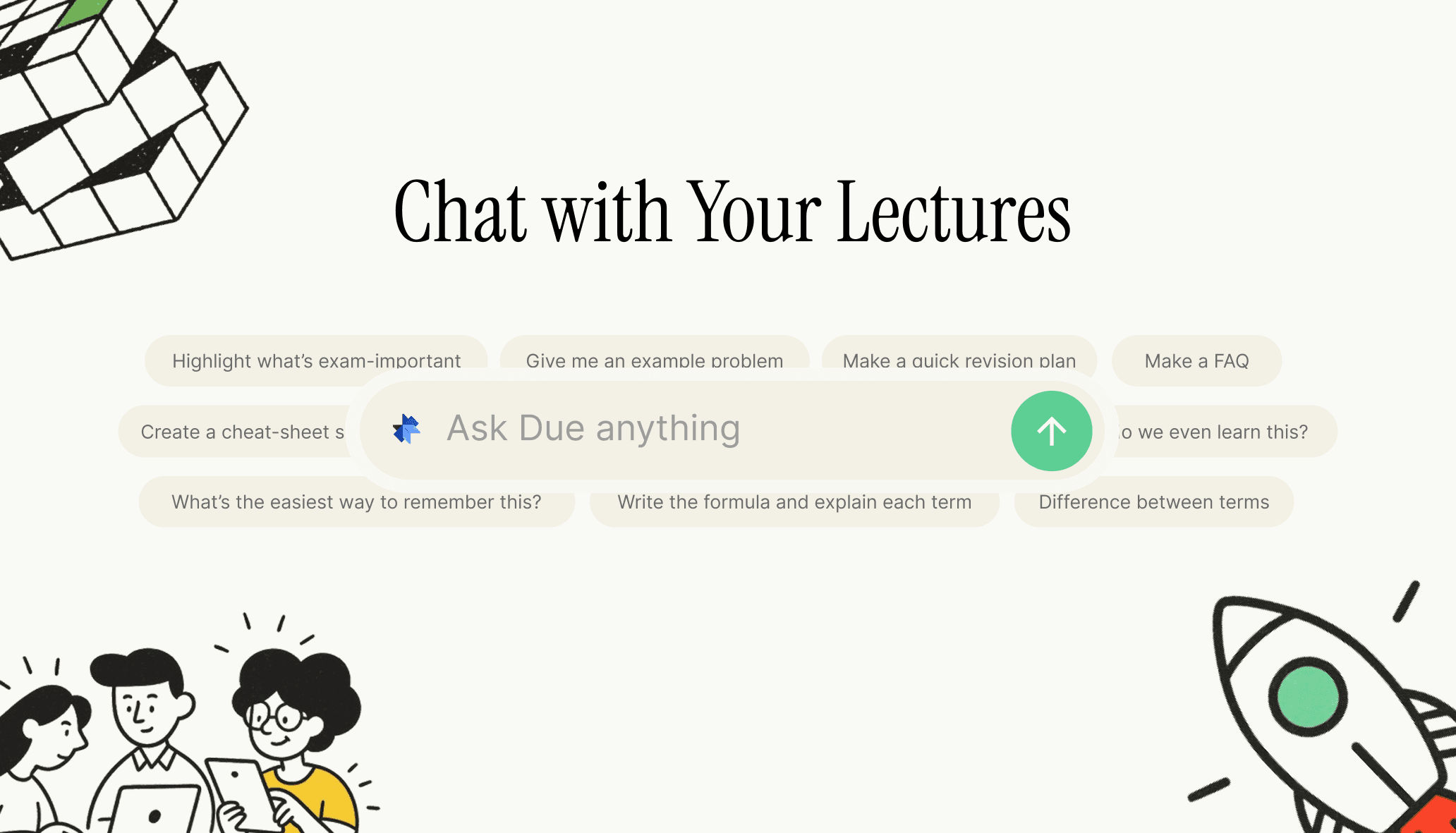
Can I generate OOP flashcards from a PDF? Yes, Duetoday allows you to upload any PDF and uses AI to extract key concepts into a flashcard format automatically.
Are digital flashcards better than paper for programming? Yes, because you can easily copy-paste code snippets and update your deck as your understanding of the language evolves.
How long does it take to make a full OOP deck? Manually, it can take hours. With Duetoday, you can generate a high-quality deck in under a minute from your existing notes.
Can Duetoday organize my flashcards? Duetoday organizes your cards by topic and tracks your progress, so you know exactly which areas of OOP need more focus.

Duetoday is an AI-powered learning OS that turns your study materials into personalised, bite-sized study guides, cheat sheets, and active learning flows.