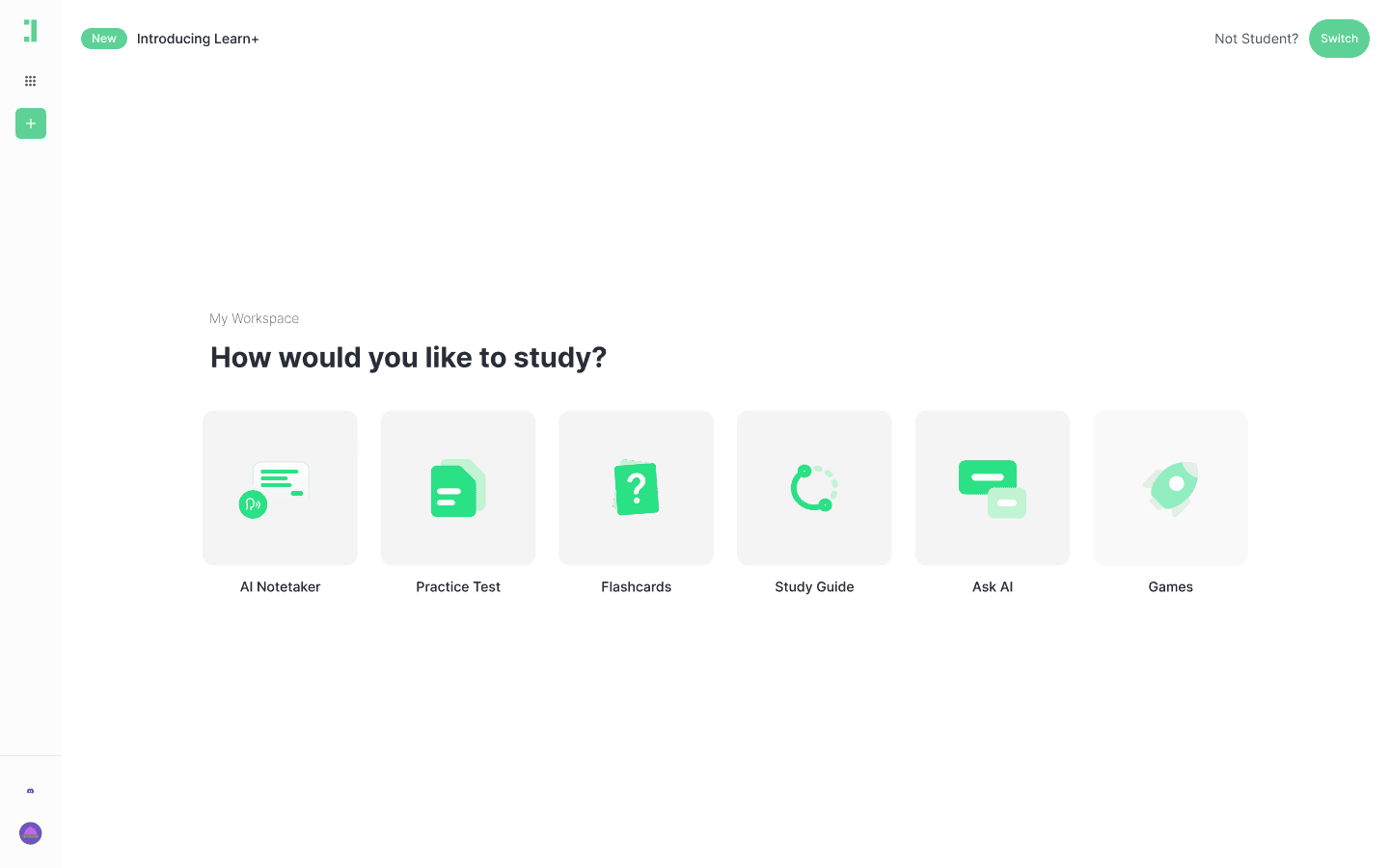
Generate Flashcards for Macroeconomics
Make macroeconomics flashcards and generate a study guide for subjects like GDP, inflation, and fiscal policy.
Generate Flashcards with AI Free
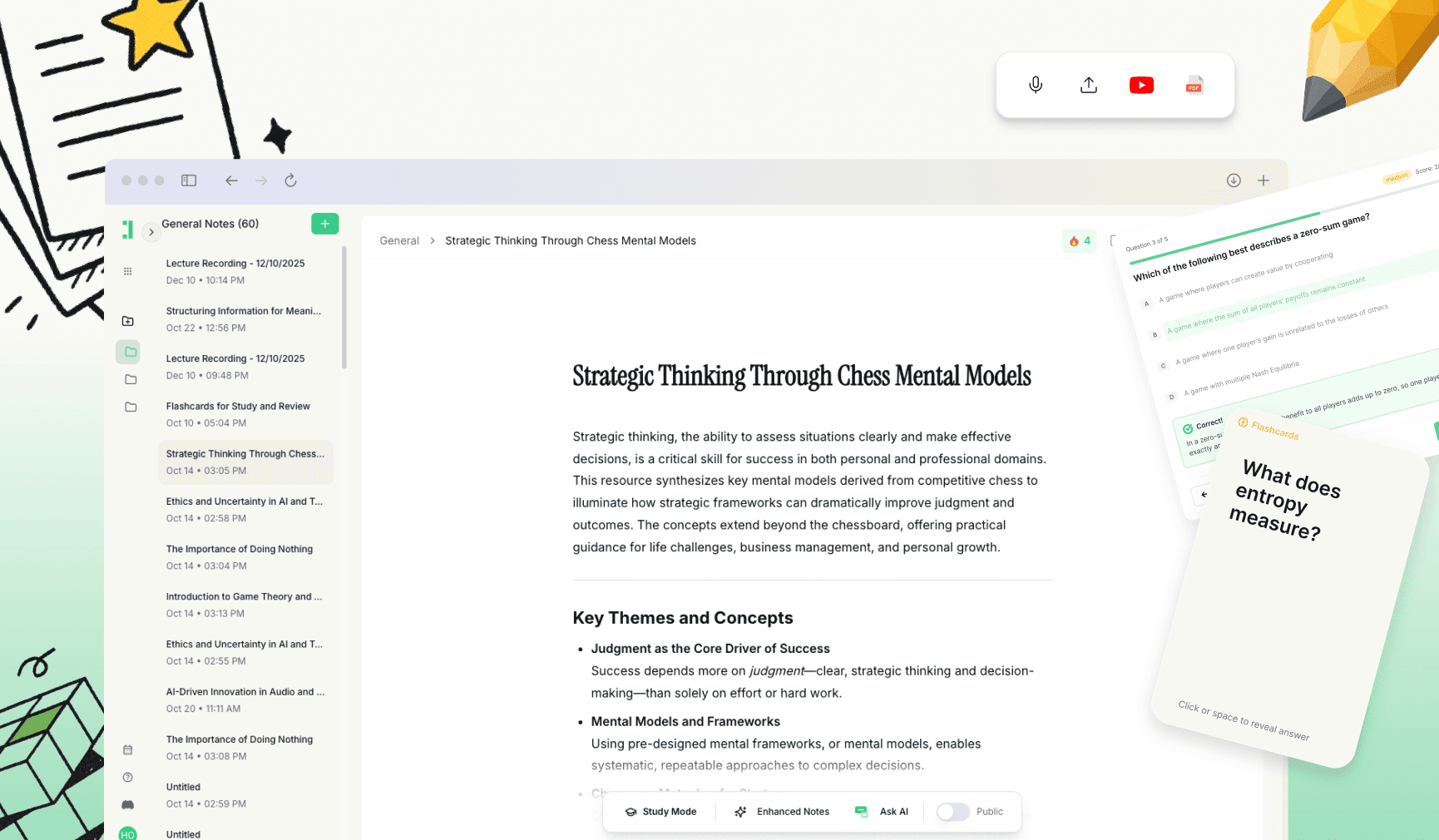
Generate Flashcards for Macroeconomics
Turn your notes, PDFs, slides, or lectures into Macroeconomics flashcards so you can review faster and remember more. Whether you are tackling complex graphs or aggregate demand shifts, Duetoday helps you convert dry material into active study tools.
Primary CTA: Generate Macroeconomics Flashcards
Secondary CTA: Upload notes / paste text
Using Duetoday is simple: just upload your macroeconomics material, and our AI instantly generates a structured deck. You can review, edit, and start studying with active recall in under a minute.
What are Macroeconomics flashcards?
Macroeconomics flashcards cover the large-scale economic factors that affect entire countries and global markets. This includes key terms like GDP, CPI, and unemployment rates, as well as the mechanics of monetary policy and international trade.
Instead of passively rereading a textbook, these flashcards force you to test yourself on how variables interact. If you already have notes, Duetoday can generate a clean deck in minutes, ensuring you focus on the most important concepts for your exams.
Why flashcards work for Macroeconomics
Macroeconomics requires more than just memorization; it requires understanding the relationships between different economic indicators. Flashcards are perfect for mastering these connections through active recall and spaced repetition.
Remember key terms like 'Fiat Money' vs 'Commodity Money' without cramming.
Separate similar concepts, such as the difference between Fiscal and Monetary policy.
Learn complex processes like the multiplier effect or the stages of the business cycle.
Practice applying formulas for GDP or the reserve ratio quickly.
What to include in your Macroeconomics flashcards
Effective macroeconomics study hinges on 'one idea per card.' You want question-based prompts that simulate exam conditions. We recommend focusing on four main categories to ensure full coverage of the curriculum.
Definitions & Key Terms: What is Stagflation? or Define the Gini Coefficient.
Processes & Steps: What happens to interest rates when the Fed buys bonds?
Comparisons: How does Real GDP differ from Nominal GDP?
Application: If the government increases spending, what happens to the AD curve?
Example prompts: State the Law of Supply, Calculate the unemployment rate given X and Y, Explain the crowding-out effect, and What are the three functions of money?
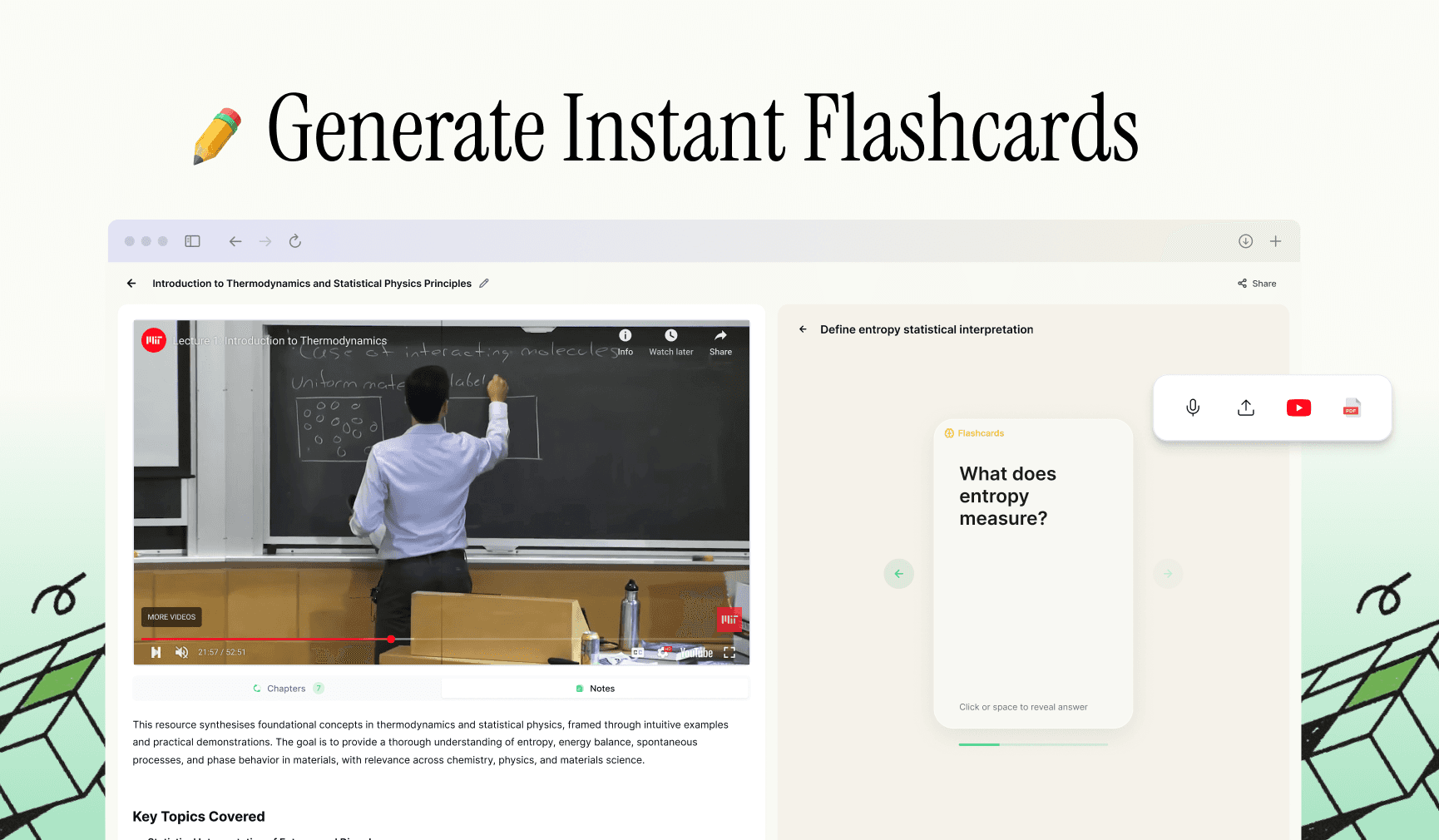
How to study Macroeconomics with flashcards (a simple system)
To master Macroeconomics, use a two-pass approach. First, generate your deck to identify what you don't know, then use repetitive cycles to solidify the concepts in your long-term memory.
Make a deck from your notes or generate it from a textbook chapter.
Do one quick round to find weak spots, specifically targeting complex graphs.
Review weak cards daily, focusing on the cause-and-effect of policy changes.
Mix in a few harder cards each session to challenge your brain.
Do a final mixed review before your midterm or final exam.
Generate Macroeconomics flashcards automatically in Duetoday
Making macroeconomics flashcards manually is slow, messy, and often results in cards that are too long to be useful. Duetoday eliminates the grunt work so you can spend your time actually learning.
Simply upload your notes, PDFs, or slide decks. Duetoday analyzes the content and creates optimized flashcards instantly. You can then edit them to add your own insights or start studying immediately with our built-in tools.
Upload or paste your Macroeconomics material.
Click Generate Flashcards.
Review, edit, and start studying.
Common Macroeconomics flashcard mistakes (and how to fix them)
Many students create ineffective cards that make studying harder than it needs to be. Avoid these common pitfalls to maximize your score.
Cards are too long: Don't put the whole definition of Supply-Side Economics on one card; split it into its core pillars.
Only memorizing words: Focus on 'why' a curve shifts, not just that it does.
Confusing similar concepts: Explicitly create comparison cards for things like Appreciation vs. Depreciation.
No review schedule: Spaced repetition is key; don't just look at the cards the night before the test.
Ignoring formulas: Include practice cards for calculating elasticity or inflation.
Ready to generate your Macroeconomics flashcards?
Stop rereading your textbook and start mastering the material. Upload your notes today and generate a custom deck that helps you think like an economist. Ready to ace your next exam?
CTA Button: Start Generating Flashcards
Works with notes, PDFs, slides, and transcripts.
FAQ
How many flashcards do I need for Macroeconomics?
A typical unit usually requires between 40 to 60 cards to cover definitions, formulas, and graph shifts effectively.
What’s the best format for Macroeconomics flashcards?
Use a 'Problem/Solution' or 'Cause/Effect' format. For example: 'Issue: High Inflation. Action: Contractionary Monetary Policy.'
How often should I review Macroeconomics flashcards?
Review new cards daily for the first three days, then move to every three days as you become more confident with the material.
Should I make cards from a textbook or lecture notes?
Both are useful, but lecture notes often highlight what your specific professor thinks is most important for the exam.
How do I stop forgetting Macroeconomics after a few days?
Use spaced repetition. Duetoday’s system ensures you see the hardest cards more frequently so they stick in your long-term memory.
What if my flashcards feel too easy or too hard?
If they are too easy, you likely have too much context on the card. If they are too hard, split the concept into two simpler cards.
Can I generate Macroeconomics flashcards from a PDF automatically?
Yes, Duetoday can scan your textbook chapters or PDF notes and instantly extract the most important economic concepts for cards.
Are digital flashcards better than paper for Macroeconomics?
Digital is generally better because you can easily include complex diagrams and use automated algorithms to track your progress.
How long does it take to make a full Macroeconomics deck?
With Duetoday, you can generate a full deck from your notes in less than 30 seconds.
Can Duetoday generate and organize my flashcards for me?
Absolutely. Duetoday handles the extraction and formatting, leaving you only the task of reviewing and learning.

Duetoday is an AI-powered learning OS that turns your study materials into personalised, bite-sized study guides, cheat sheets, and active learning flows.