Generate Flashcards for Linguistics
Make custom Linguistics flashcards to generate better grades. Learn how to study phonetics, syntax, and language rules with this guide.
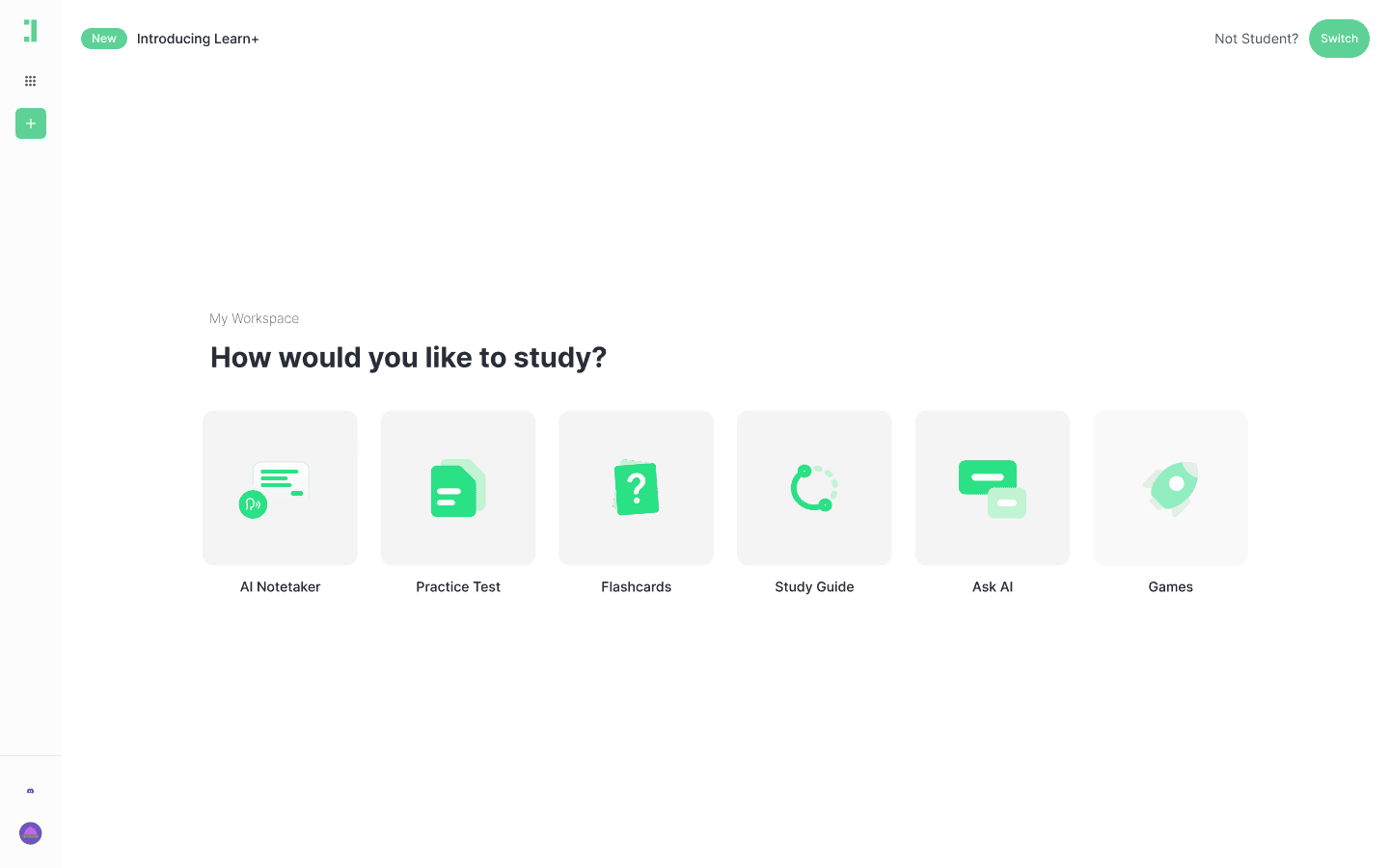
Generate Flashcards with AI Free
Generate Flashcards for Linguistics
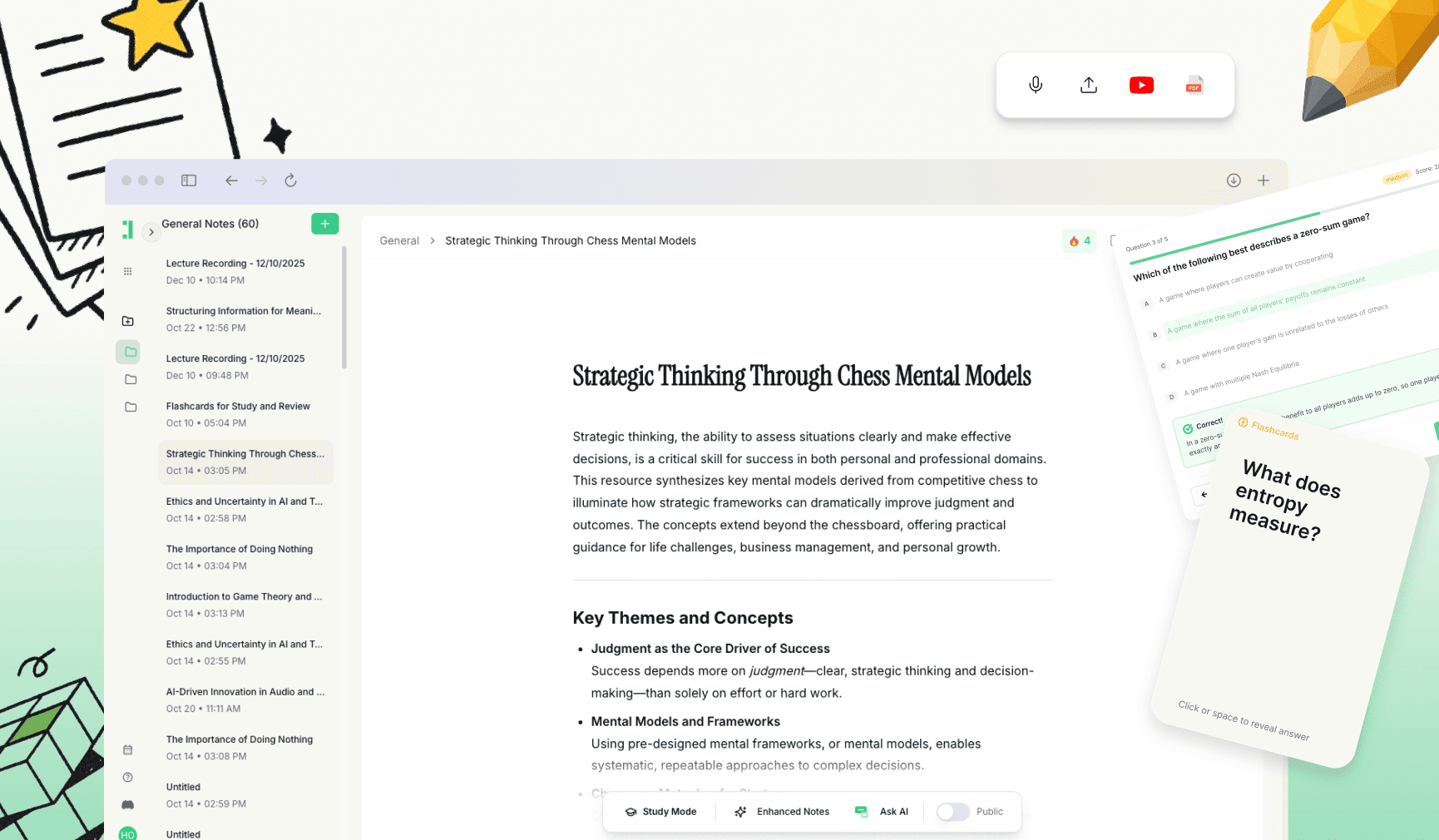
Turn your notes, PDFs, slides, or lectures into Linguistics flashcards so you can review faster and remember more. Instead of manually copying IPA symbols or complex syntax rules, let AI handle the heavy lifting while you focus on mastering the material.
Using Duetoday is simple: upload your materials, generate your deck, review and edit for precision, and start studying. It transitions your study session from passive reading to active memory retrieval in seconds.
What are Linguistics flashcards?
Linguistics flashcards are condensed study aids that cover the diverse pillars of language science, including phonetics, morphology, syntax, semantics, and sociolinguistics. They help you break down complex theories, language families, and structural rules into bite-sized, testable units.
The outcome is a shift in your learning strategy: instead of rereading dense chapters on generative grammar or phonological processes, you test yourself quickly and build lasting recall. If you already have notes, Duetoday can generate a clean deck in minutes.
Why flashcards work for Linguistics
Linguistics requires a unique blend of rote memorization for terminology and procedural knowledge for structural analysis. Flashcards bridge this gap by forcing your brain to retrieve specific data points without context clues. This process, known as active recall, strengthens neural pathways more effectively than highlighting text.
Remember key terms like 'allophone' and 'morpheme' without cramming.
Separate similar concepts (e.g., prescriptive vs. descriptive linguistics).
Learn processes step-by-step such as phonetic transcriptions or sentence parsing.
Practice applying rules for morphological changes across different languages.
What to include in your Linguistics flashcards
Good flashcards follow the 'minimum information principle'—one idea per card. When studying Linguistics, your cards should be question-based and specific to ensure you aren't just memorizing the shape of a paragraph.
Definitions & key terms: What is a minimal pair? or Define the Great Vowel Shift.
Processes & steps: What are the three stages of a speech act?
Comparisons: How does an affix differ from a clitic?
Application: Provide the IPA transcription for the word 'strength'.
Example prompts include: What is the difference between a phoneme and an allophone?, Define Grice's Maxims of Conversation, and What are the characteristics of an isolating language?
How to study Linguistics with flashcards
Linguistics is best studied using a 'two-pass' approach. First, build your deck from your lectures or readings. Second, review it in rounds using spaced repetition to ensure you don't forget the early material as you move into more advanced topics.
Make a deck from your notes or generate it automatically from your PDF content.
Do one quick round to find weak spots in your understanding of theory.
Review weak cards daily for a few days until the IPA symbols become second nature.
Mix in harder syntax trees or morphological analysis cards each session.
Do a final mixed review before your midterm or final exam.
Generate Linguistics flashcards automatically in Duetoday
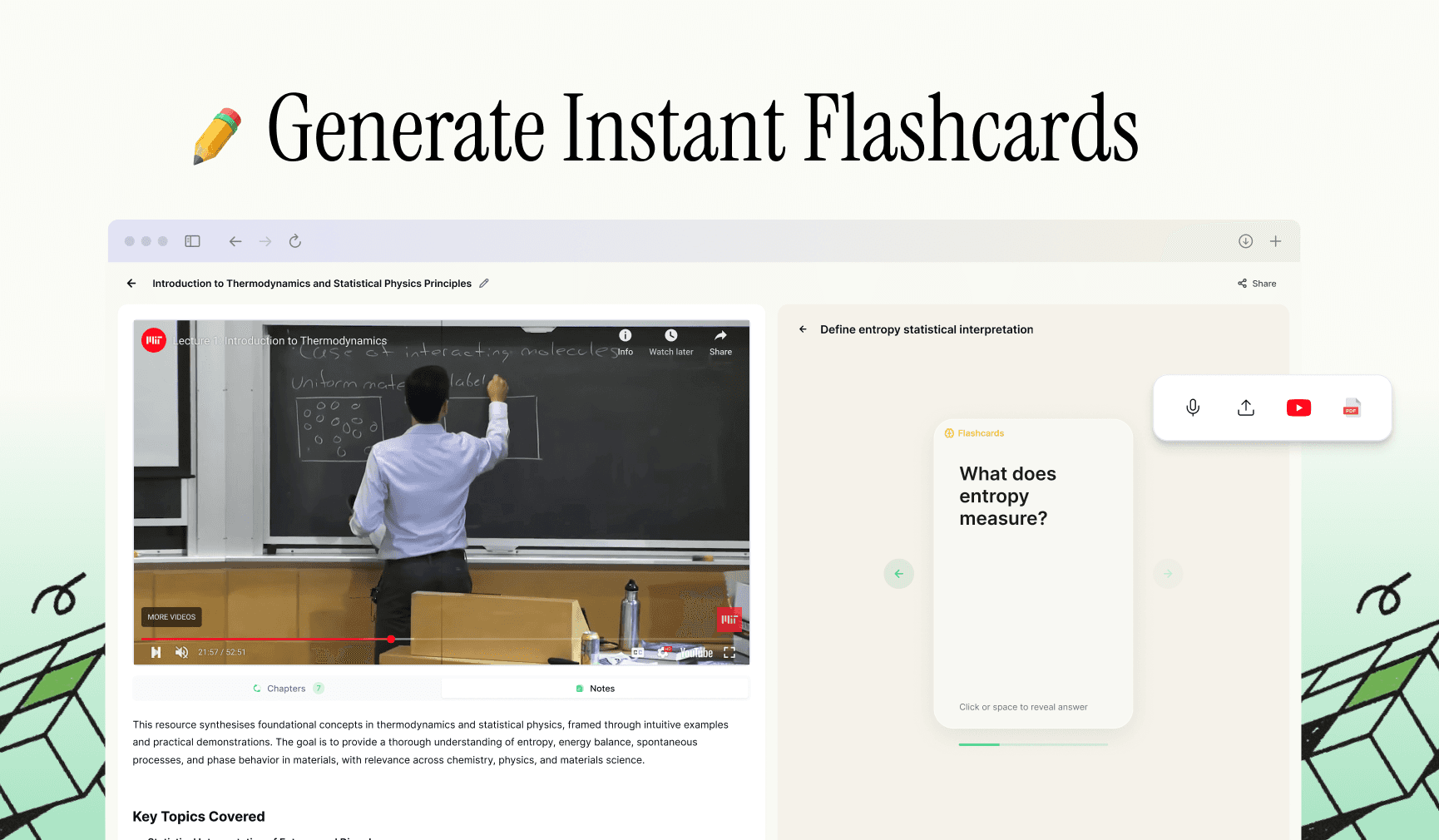
Making cards manually is slow, messy, and inconsistent—especially when dealing with special characters and complex diagrams. Duetoday solves this by turning your linguistics material into high-quality study sets instantly.
Upload or paste your Linguistics material (lecture slides, papers, or notes).
Click 'Generate Flashcards'.
Review, edit, and start studying with our AI tutor.
Common Linguistics flashcard mistakes
Most students make cards that are too long, turning them into 'reading cards' rather than 'recall cards.' Limit each card to one specific rule or definition. Avoid only memorizing words; ensure you add 'explain why' prompts to understand the logic behind linguistic phenomena. Finally, don't ignore the application aspects, like practicing actual transcriptions or tree drawing via your cards.
Ready to generate your Linguistics flashcards?
Stop rereading and start recalling. Upload your notes today and get a deck you can actually use to ace your next exam.
FAQ
How many flashcards do I need for Linguistics? Usually, 50-100 cards per unit are sufficient to cover key terminology and core rules without becoming overwhelming.
What’s the best format for Linguistics flashcards? A question-and-answer format works best, specifically using the front for a term or data point and the back for the definition or analysis.
How often should I review Linguistics flashcards? Review new cards daily for the first three days, then shift to every few days as you become more confident in the material.
Should I make cards from a textbook or lecture notes? Lecture notes are best for exam specifics, while the textbook is better for filling in conceptual gaps and finding more examples.
How do I stop forgetting IPA symbols? Consistent practice through flashcards is the only way; prioritize transcription cards to build muscle memory for the symbols.
Can I generate Linguistics flashcards from a PDF automatically? Yes, Duetoday can scan your Linguistics PDFs and extract the most important concepts to create a study-ready deck in seconds.
Are digital flashcards better than paper for Linguistics? Digital is often better because you can easily include IPA characters and edit complex definitions without rewriting the entire card.
How long does it take to make a full Linguistics deck? Manually it can take hours, but with Duetoday's AI generation, it takes less than a minute.
Can Duetoday organize my flashcards by sub-topic? Yes, you can generate and categorize decks for phonology, syntax, and semantics separately to keep your studying focused.

Duetoday is an AI-powered learning OS that turns your study materials into personalised, bite-sized study guides, cheat sheets, and active learning flows.