Generate Flashcards for Limiting Reagents
Generate Limiting Reagents flashcards in seconds with AI. Try out free today.
Generate Flashcards with AI Free
Generate Flashcards for Limiting Reagents
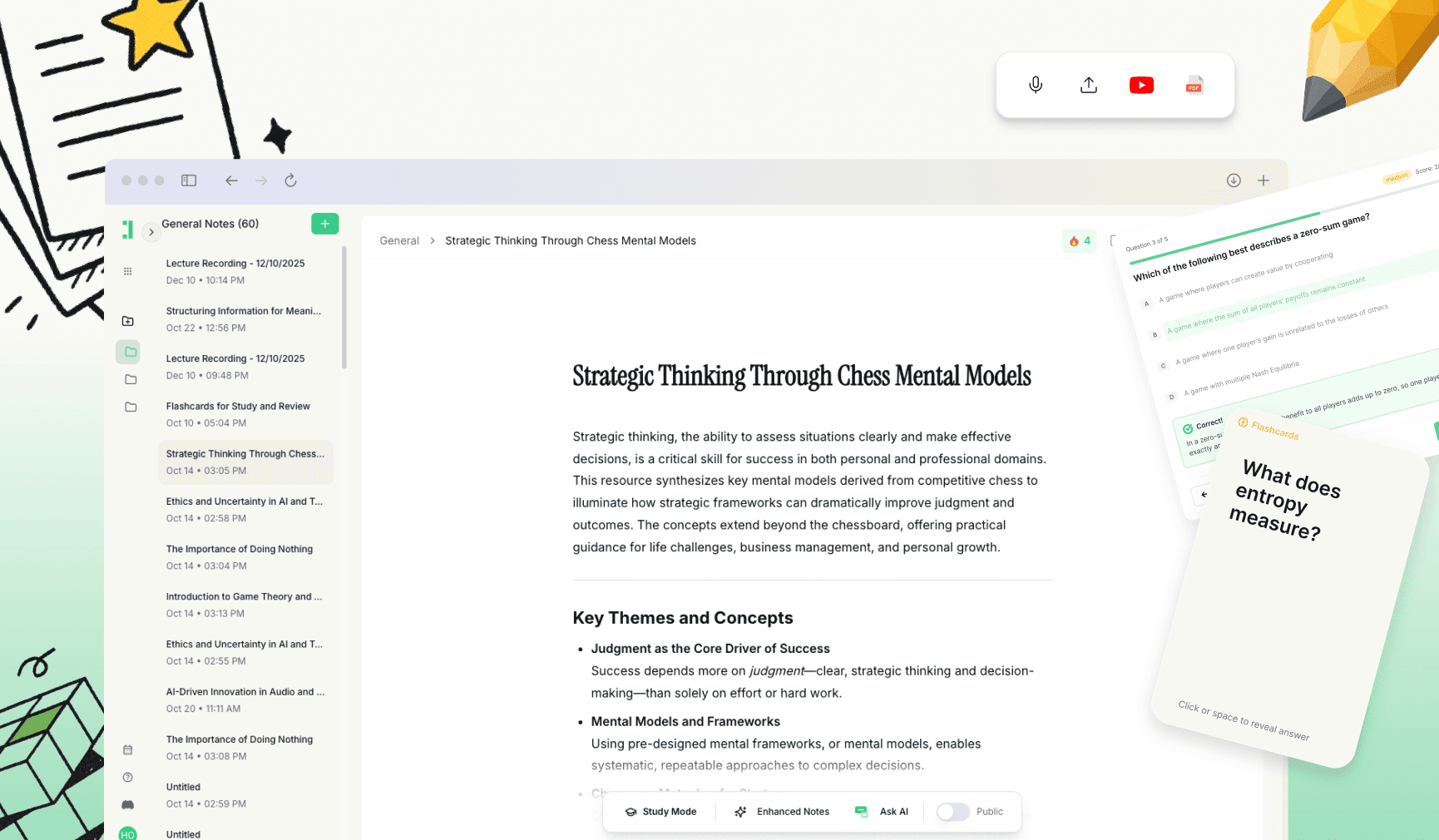
Turn your chemistry notes, PDFs, slides, or lab lectures into Limiting Reagents flashcards so you can review faster and remember more. Whether you are tackling stoichiometry or chemical equations, our tool automates the study process.
Generate Limiting Reagents Flashcards | Upload notes / paste text
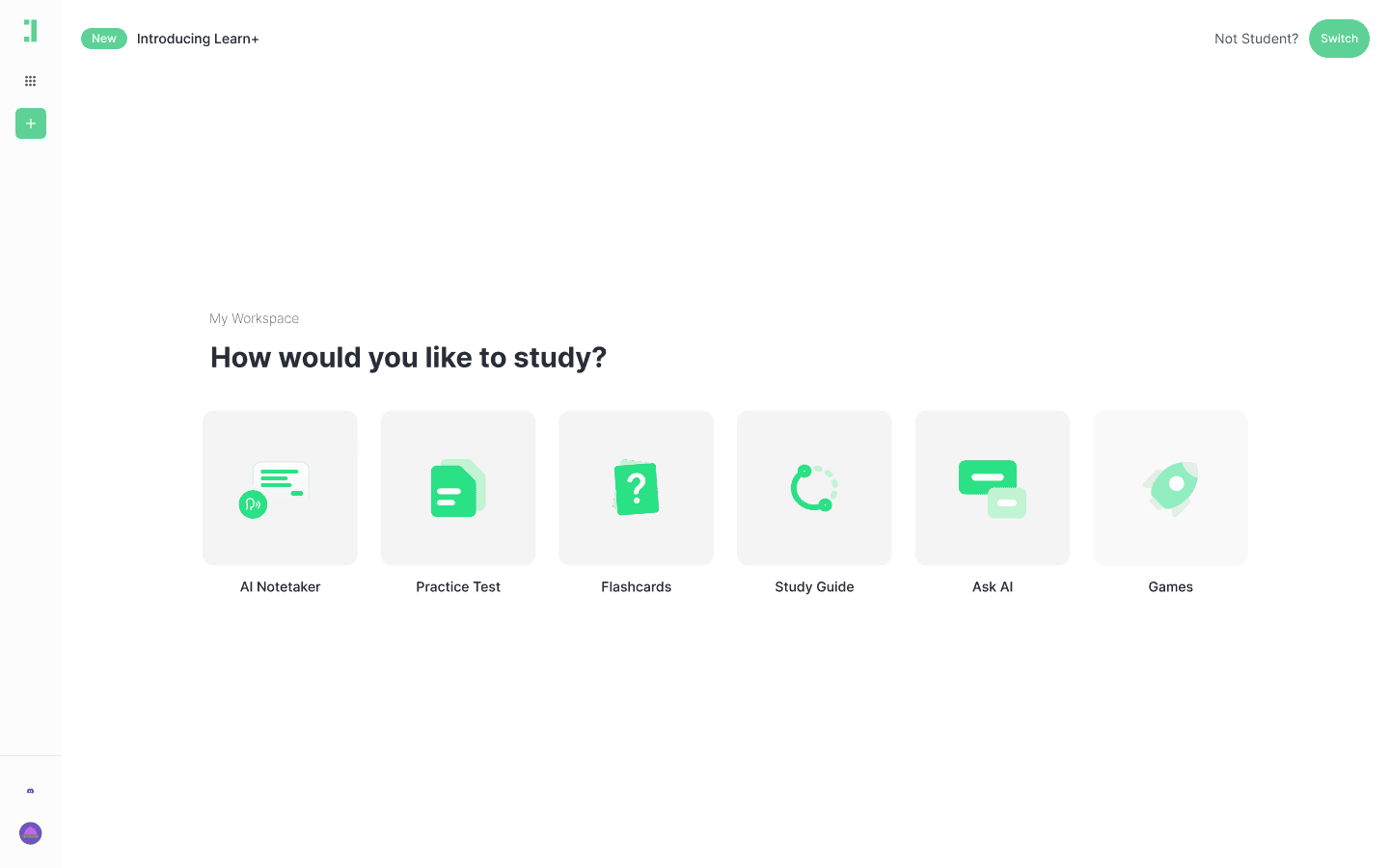
In Duetoday, the process is seamless: upload your chemistry material, generate a custom deck, review or edit the cards, and start studying with active recall.
What are Limiting Reagents flashcards?
Limiting Reagents flashcards cover the essential concepts of stoichiometry where one reactant is consumed completely, stopping the reaction. These cards focus on key terms like theoretical yield, excess reactants, molar ratios, and the step-by-step math required to identify which substance runs out first.
The outcome is simple: instead of rereading complex textbook chapters, you test yourself on specific calculations and build immediate recall. If you already have notes, Duetoday can generate a clean deck in minutes.
Why flashcards are one of the best ways to study Limiting Reagents
Limiting Reagents require a mix of conceptual understanding and procedural speed. Flashcards help you link balanced equations to real-world mass or mole quantities, ensuring you don't get lost in the numbers. They utilize active recall to help you identify the 'bottleneck' in any chemical reaction without relying on your notes.
Remember stoichiometry steps without cramming
Separate similar concepts (e.g., Theoretical vs. Actual Yield)
Learn calculation pathways (moles to grams to moles)
Practice applying molar ratios quickly
Internalize the signs of an excess reactant
What to include in your Limiting Reagents flashcards
Effective flashcards follow the "one idea per card" rule. For chemistry, this means focusing on a single step or a single definition per prompt to avoid cognitive overload. Your deck should feature four main categories:
Definitions & key terms: "What is a limiting reactant?" "Define theoretical yield."
Processes & steps: "What is the first step in finding the limiting reagent?"
Comparisons: "How does the limiting reagent differ from the excess reagent?"
Application: "If 2 moles of A react with 5 moles of B in a 1:1 ratio, which is limiting?"
Example prompts include: "How do you calculate percent yield?", "What happens to the reaction once the limiting reagent is consumed?", and "Define the molar ratio in a balanced equation."
How to study Limiting Reagents with flashcards
To master this topic, use a two-pass approach. First, build your deck and do a quick round to identify which stoichiometry steps trip you up. Then, enter a focused review phase where you repeat the difficult calculation cards more frequently than the basic definitions.
Make a deck from your chemistry slides or handouts.
Do one quick round to find weak spots in your math.
Review reactant-conversion cards daily for a few days.
Mix in harder theoretical yield problems each session.
Do a final mixed review before your chemistry exam.
Generate Limiting Reagents flashcards automatically in Duetoday
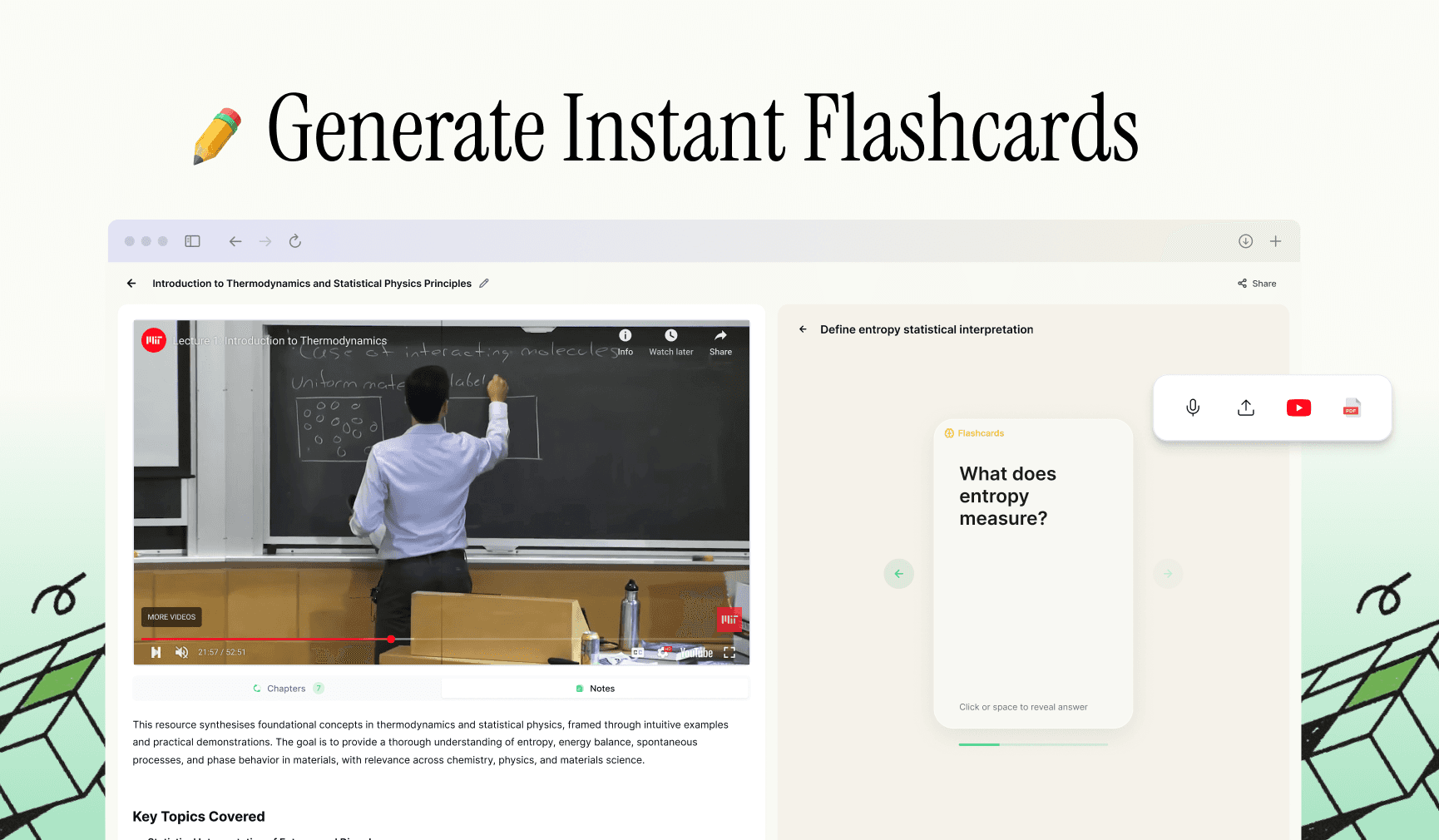
Making chemistry cards manually is slow and error-prone, especially when dealing with complex molecular weights and ratios. Duetoday simplifies this by converting your study materials into structured decks instantly.
Upload your stoichiometry PDF or paste your lecture notes.
Click Generate Flashcards.
Review, edit, and start studying.
Common Limiting Reagents flashcard mistakes
Many students make cards that are too wordy or include the entire calculation on one side. To fix this, split multi-step problems into individual cards. Don't just memorize the definition of a limiting reagent; include cards that ask "why" a certain reactant limits the product. Ensure you aren't ignoring the excess reactant, as many exam questions focus on what is left over.
FAQ
How many flashcards do I need for Limiting Reagents? Usually, a deck of 20 to 30 cards is sufficient to cover definitions, the 3-step calculation process, and common pitfalls.
What’s the best format for these flashcards? Question-and-answer format works best. For example: 'Side A: What is the formula for percent yield? Side B: (Actual/Theoretical) x 100.'
How often should I review my chemistry flashcards? Review daily leading up to your exam, focusing specifically on the cards where you missed the calculation steps.
Should I make cards from my textbook or lecture notes? Use both. Textbooks provide the theory, while lecture notes usually contain the specific problem-solving methods your professor prefers.
How do I stop forgetting the steps after a few days? Spaced repetition is key. Duetoday helps you see the cards you struggle with more often until the process becomes second nature.
What if my flashcards feel too easy? Add 'reverse' cards. Instead of finding the limiting reagent, create a card that asks you to find how much excess reactant remains.
Can I generate flashcards from a chemistry PDF? Yes, Duetoday can scan your textbook chapters or lab PDFs to extract key formulas and concepts automatically.
Are digital flashcards better for science? Digital cards are superior for chemistry because you can easily edit formulas and carry hundreds of practice problems in your pocket.

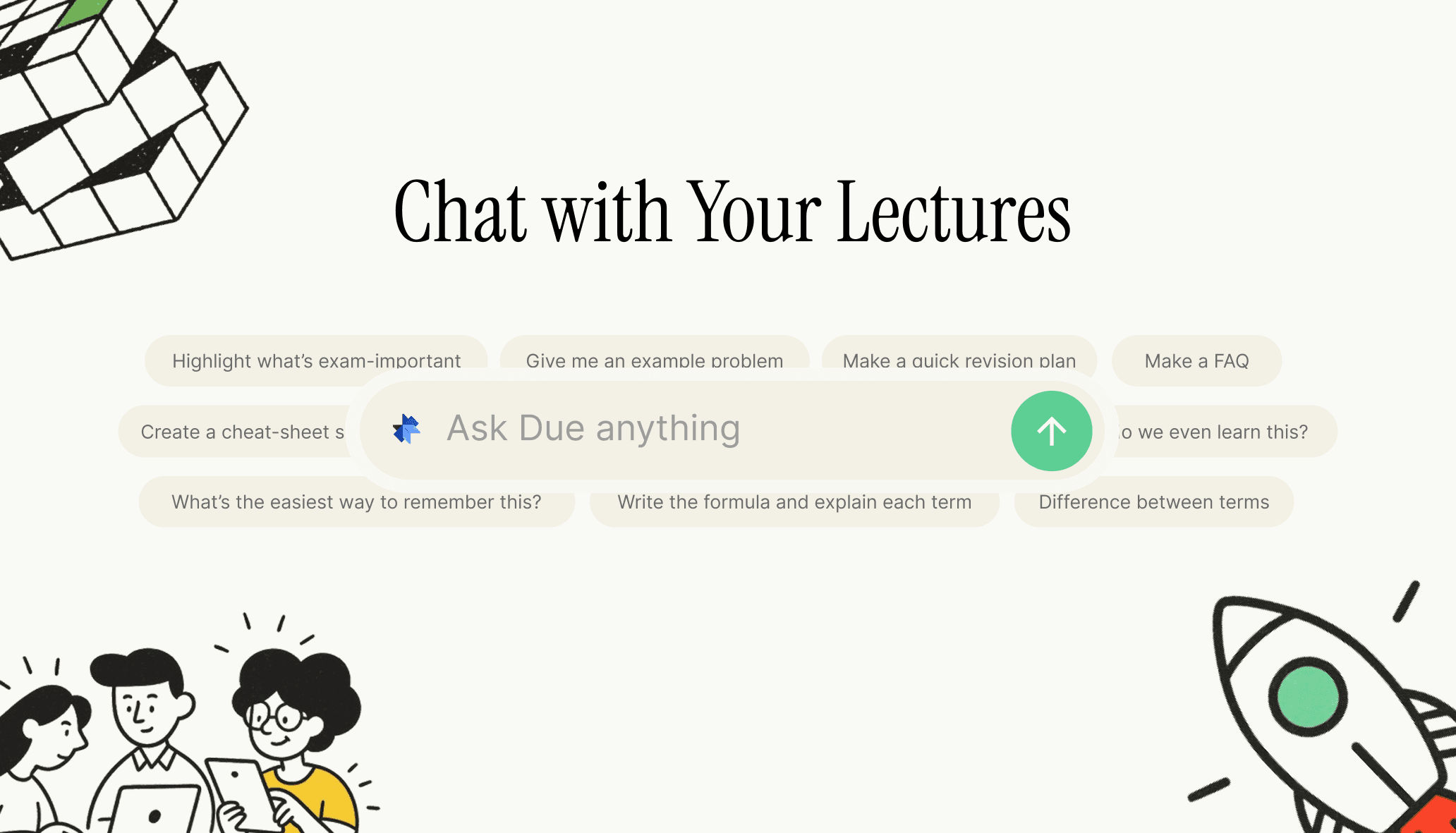
Duetoday is an AI-powered learning OS that turns your study materials into personalised, bite-sized study guides, cheat sheets, and active learning flows.