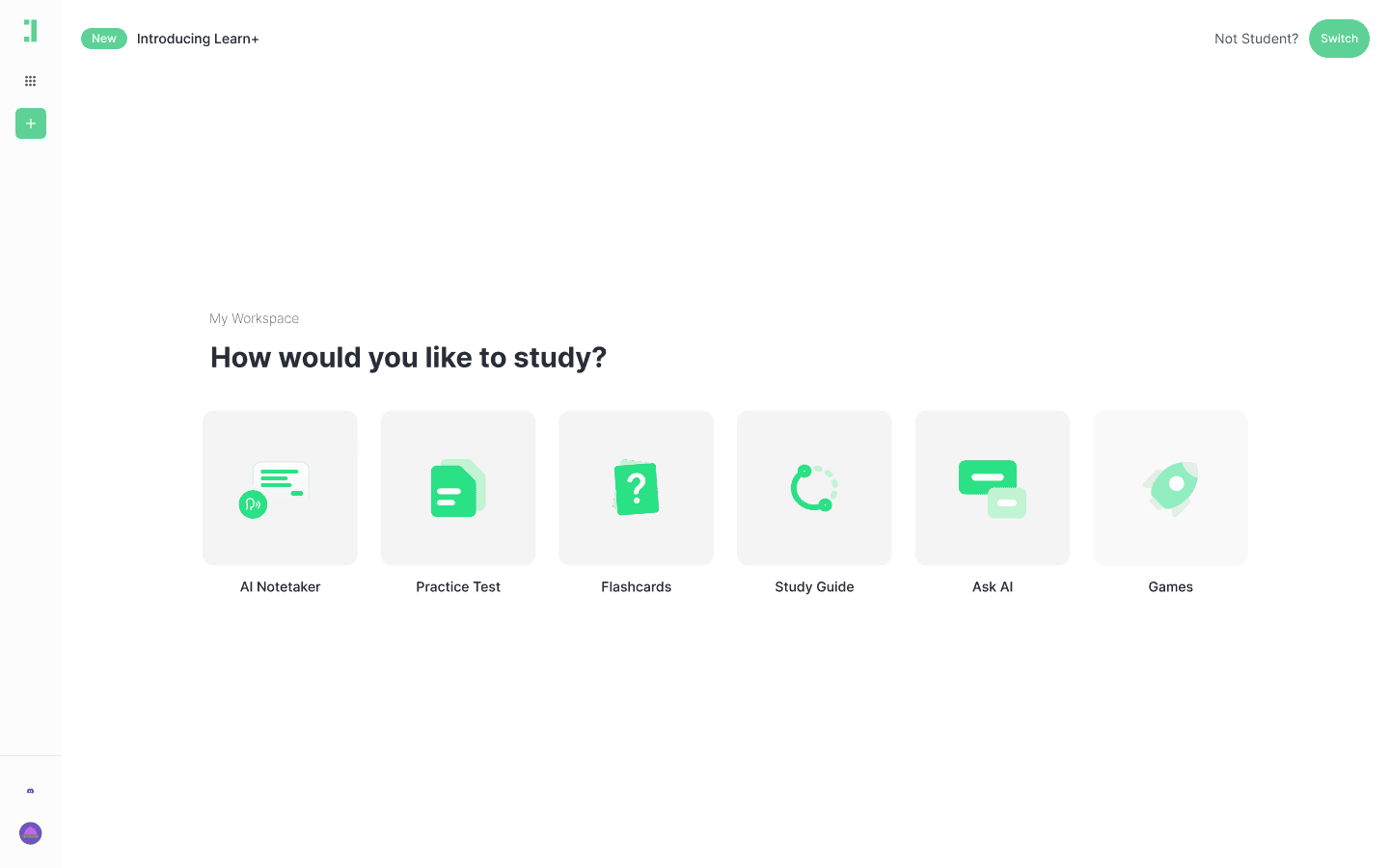
Generate Flashcards for Law of Contracts
Make Law of Contracts flashcards easily. Generate a study guide for your law subject including cases and statutes.
Generate Flashcards with AI Free
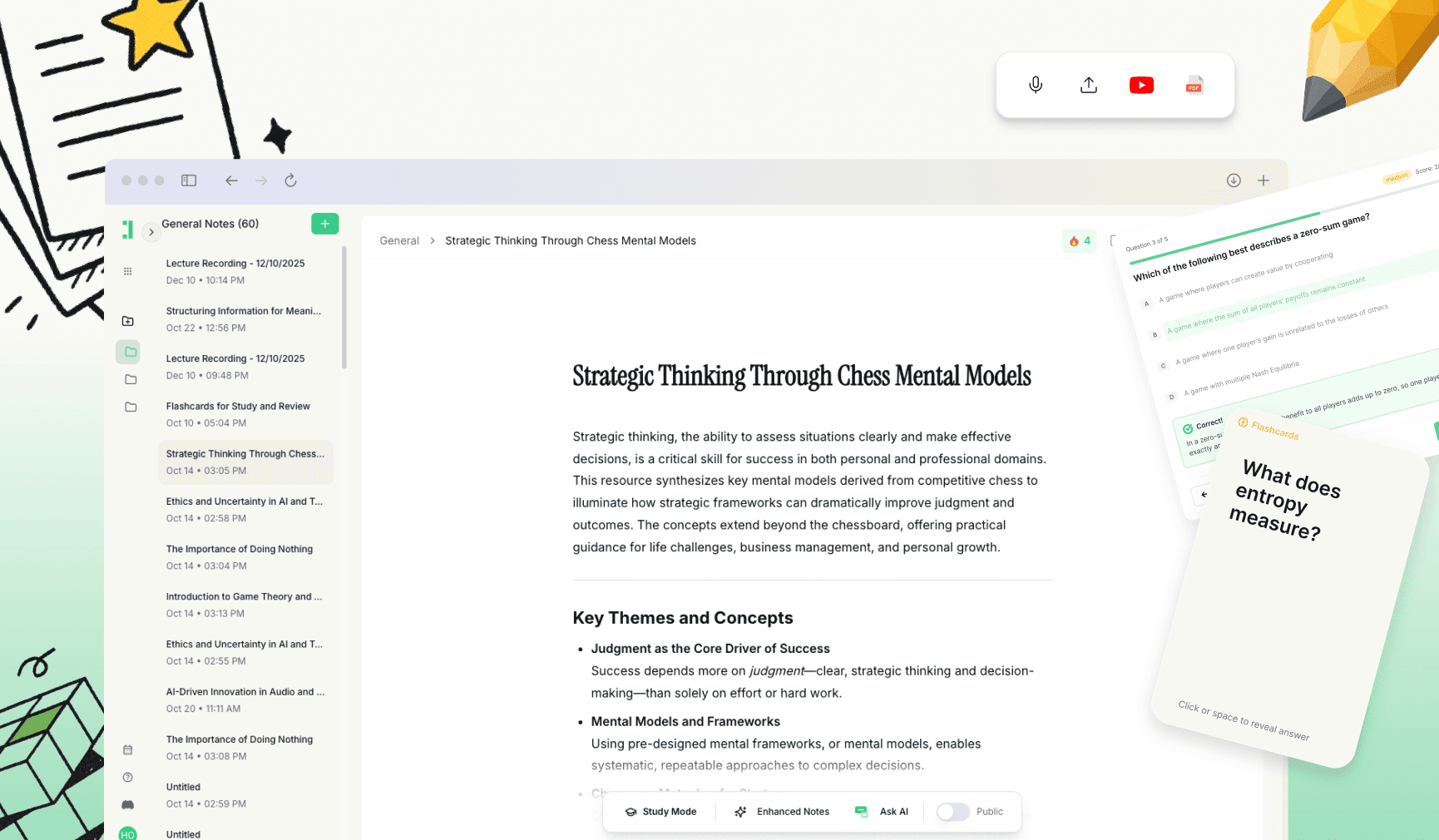
What are Law of Contracts flashcards?
Law of Contracts flashcards are targeted study tools designed to help law students and professionals master the complex rules governing agreements. These cards cover essential pillars such as offer, acceptance, consideration, legality, and capacity, as well as specific doctrines like Promissory Estoppel or the Parol Evidence Rule.
Instead of passively rereading dense textbooks or casebooks, these flashcards force you to define elements and apply rules to specific scenarios. The outcome is a much higher level of retention; you move beyond just knowing a term to being able to explain how it functions in a legal dispute.
If you already have case briefs or lecture notes, Duetoday can generate a clean deck in minutes.
Why flashcards are one of the best ways to study Law of Contracts
Contract law is heavily reliant on understanding relationships between parties and the specific sequences required for a contract to be enforceable. Flashcards are ideal for this because they break down massive legal concepts into manageable, testable bits of information.
By using active recall and spaced repetition, you ensure that you don't just recognize a term when you see it, but can actually retrieve it from memory during an exam or when drafting. This method helps you:
Memorize the exact elements of a valid contract without cramming.
Separate similar concepts like 'void' vs. 'voidable' contracts.
Learn the stages of contract formation from negotiation to discharge.
Practice applying the Statute of Frauds or Breach of Contract rules quickly.
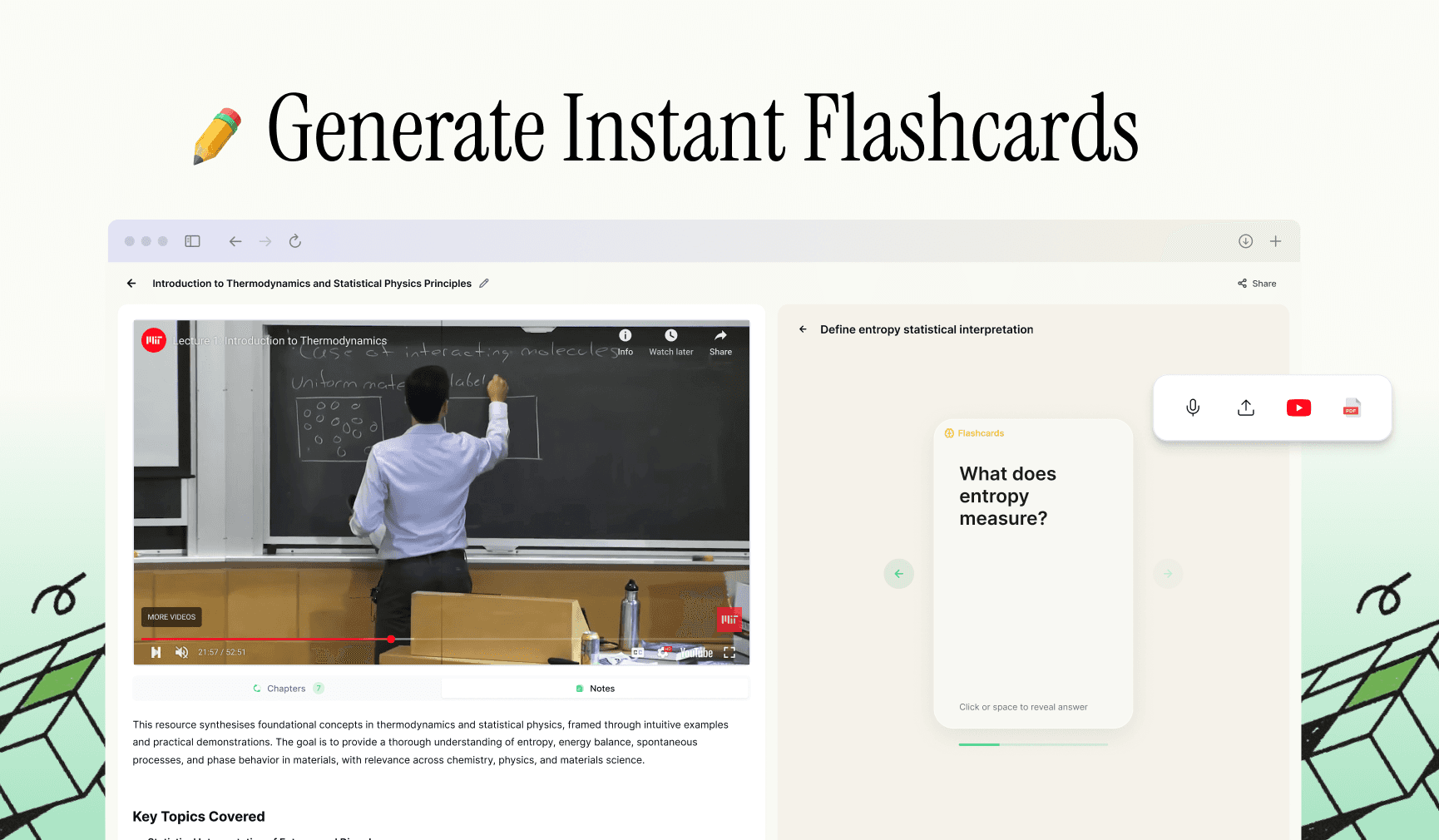
What to include in your Law of Contracts flashcards
Effective legal flashcards should follow the 'one idea per card' rule. This prevents your brain from getting overwhelmed and ensures you truly know every part of a doctrine. Use question-based prompts to simulate the way you will be tested in class or on the Bar prep.
Definitions & Key Terms: What is the Mirror Image Rule? or Define Consideration.
Processes & Steps: What are the four requirements for a valid offer?
Comparisons: How does a Unilateral contract differ from a Bilateral contract?
Application: What happens if a party lacks the mental capacity to sign?
Example Prompts for your deck:
List the elements of Promissory Estoppel.
What constitutes 'Acceptance' under the UCC vs. Common Law?
Define the 'Mailbox Rule' and its main exception.
What are the 3 types of contract damages?
When is a contract considered 'Unconscionable'?
How to study Law of Contracts with flashcards
To master contract law, use a two-pass approach. First, build your deck based on your syllabus, then review it in rounds. Focus on the 'why' behind the rule—don't just memorize the name of the case, but the principle it established.
Make a deck from your case briefs and notes (or generate it automatically).
Do one quick round to identify which doctrines are confusing.
Review weak cards (like 'Anticipatory Repudiation') daily for a few days.
Mix in harder application cards involving multi-step rules.
Do a final mixed review to ensure you can jump between different modules of the law.
Generate Law of Contracts flashcards automatically in Duetoday
Making legal flashcards manually is incredibly time-consuming. You spend hours writing cards when you should be spending that time studying. Duetoday solves this by turning your PDFs and lecture notes into professional study decks instantly.
Upload your Law of Contracts textbook chapters or case summaries.
Click Generate Flashcards.
Review, edit the legal nuances, and start your active recall session.
Common Law of Contracts flashcard mistakes
Legal subjects are nuanced, and your cards should reflect that. Avoid these common pitfalls:
Cards are too long: Don't paste entire case opinions; summarize the holding.
Only memorizing case names: Focus on the legal rule the case represents.
Ignoring the UCC: Make sure you have separate cards for Common Law vs. UCC rules.
No application: Include 'What If' scenarios to test your understanding of exceptions.
FAQ
How many flashcards do I need for Law of Contracts? Usually, a comprehensive deck for a full semester course will range from 150 to 300 cards, depending on the depth of the cases covered.
What’s the best format for legal flashcards? The 'Question and Answer' format is best. Use the front for a specific rule or element and the back for the detailed definition or legal test.
How often should I review my cards? Daily review is best for the first week, then you can transition to every 3-4 days as the concepts stick in your long-term memory.
Should I make cards from a textbook or my own notes? Using your own class notes is usually better as it reflects exactly what your professor emphasizes for the exam.
How do I stop forgetting exceptions to rules? Create specific 'Exemption' cards that trigger your memory for the 'unless' or 'but' parts of a law.
Can I generate Law of Contracts flashcards from a PDF? Yes, Duetoday can read your legal PDFs and extract the most important rules and definitions into a deck.
Are digital flashcards better than paper for law? Digital cards are superior because they allow for easier organization of the massive amount of information required for law school.
How long does it take to make a full deck? Manually it could take weeks, but with Duetoday's AI, you can have a structured deck ready in under five minutes.
Can Duetoday handle specific case law? Yes, you can upload specific case summaries and the AI will generate cards based on the facts, issues, and holdings provided.

Duetoday is an AI-powered learning OS that turns your study materials into personalised, bite-sized study guides, cheat sheets, and active learning flows.