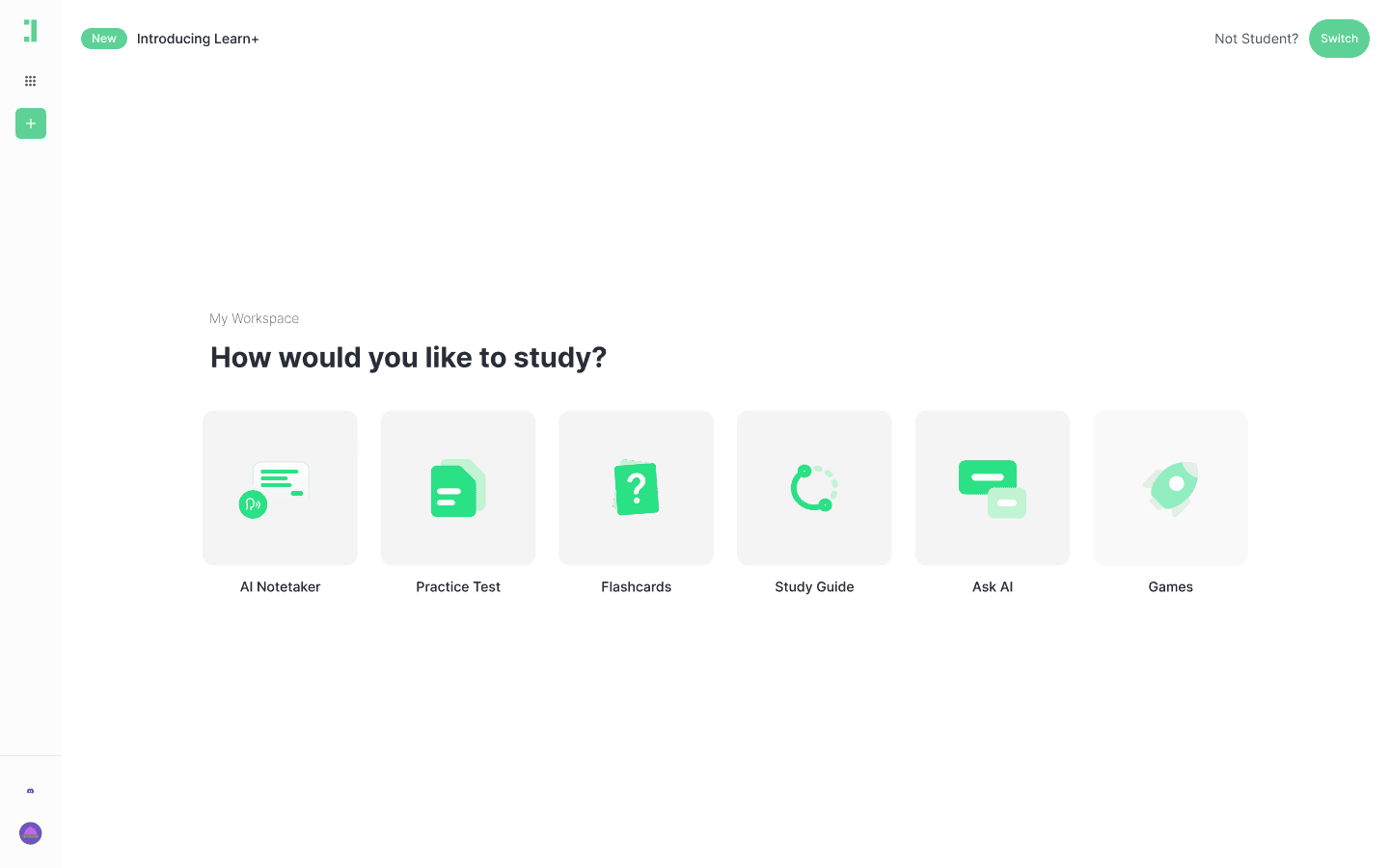
Generate Flashcards for International Economics
Make International Economics flashcards for trade theory and global finance. Generate custom study decks from your notes today.
Generate Flashcards with AI Free
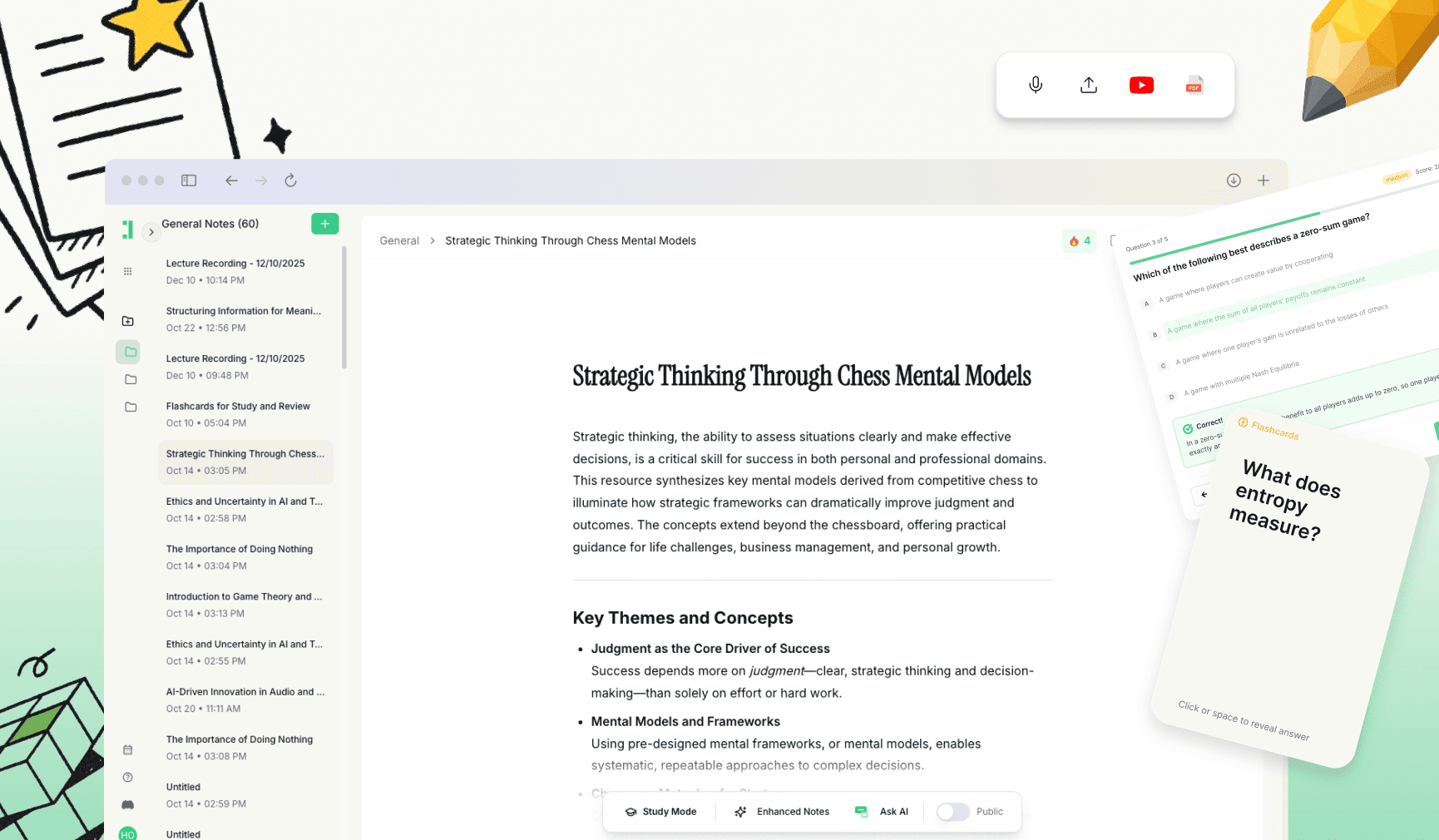
What are International Economics flashcards?
International Economics flashcards are concise study tools designed to help you master the complex theories, models, and financial mechanisms that govern global trade and finance. These cards cover everything from classical trade theories like Comparative Advantage to modern concepts like exchange rate regimes, tariffs, and international balance of payments.
Instead of passively rereading dense textbooks or lecture slides, these flashcards force you to engage in active recall. By testing your knowledge on specific variables, curve shifts, and economic implications, you build a much stronger mental map of how global markets interact. If you already have notes, Duetoday can generate a clean deck in minutes so you can spend your time studying rather than formatting.
Why flashcards are one of the best ways to study International Economics
International Economics requires a mix of theoretical understanding and mathematical application. Flashcards are uniquely suited for this subject because they help you break down abstract models into logical, digestible segments. Whether you are analyzing the Heckscher-Ohlin model or calculating real exchange rates, flashcards isolate the variables so you can learn them one by one.
Remember key terms like 'Terms of Trade' and 'Purchasing Power Parity' without cramming.
Separate similar concepts, such as the Current Account vs. the Capital Account.
Learn processes step-by-step, like how a change in interest rates impacts currency value.
Practice applying rules for trade policy effects on consumer and producer surplus.
What to include in your International Economics flashcards
Effective International Economics flashcards follow the 'atomic' rule: one specific idea per card. This prevents you from simply recognizing a topic and instead ensures you actually know the answer. You should focus on a mix of definitions, model assumptions, and the 'ripple effects' of economic shifts.
Definitions & key terms: What is an Ad Valorem tariff? or Define Dutch Disease.
Processes & steps: How does an increase in domestic savings affect the trade balance?
Comparisons: Compare Free Trade Areas with Customs Unions.
Application: Using the Mundell-Fleming model, what happens to output under fixed exchange rates with capital mobility?
Example prompts: State the Stolper-Samuelson Theorem, What are the four stages of economic integration?, Who benefits from a depreciating currency?
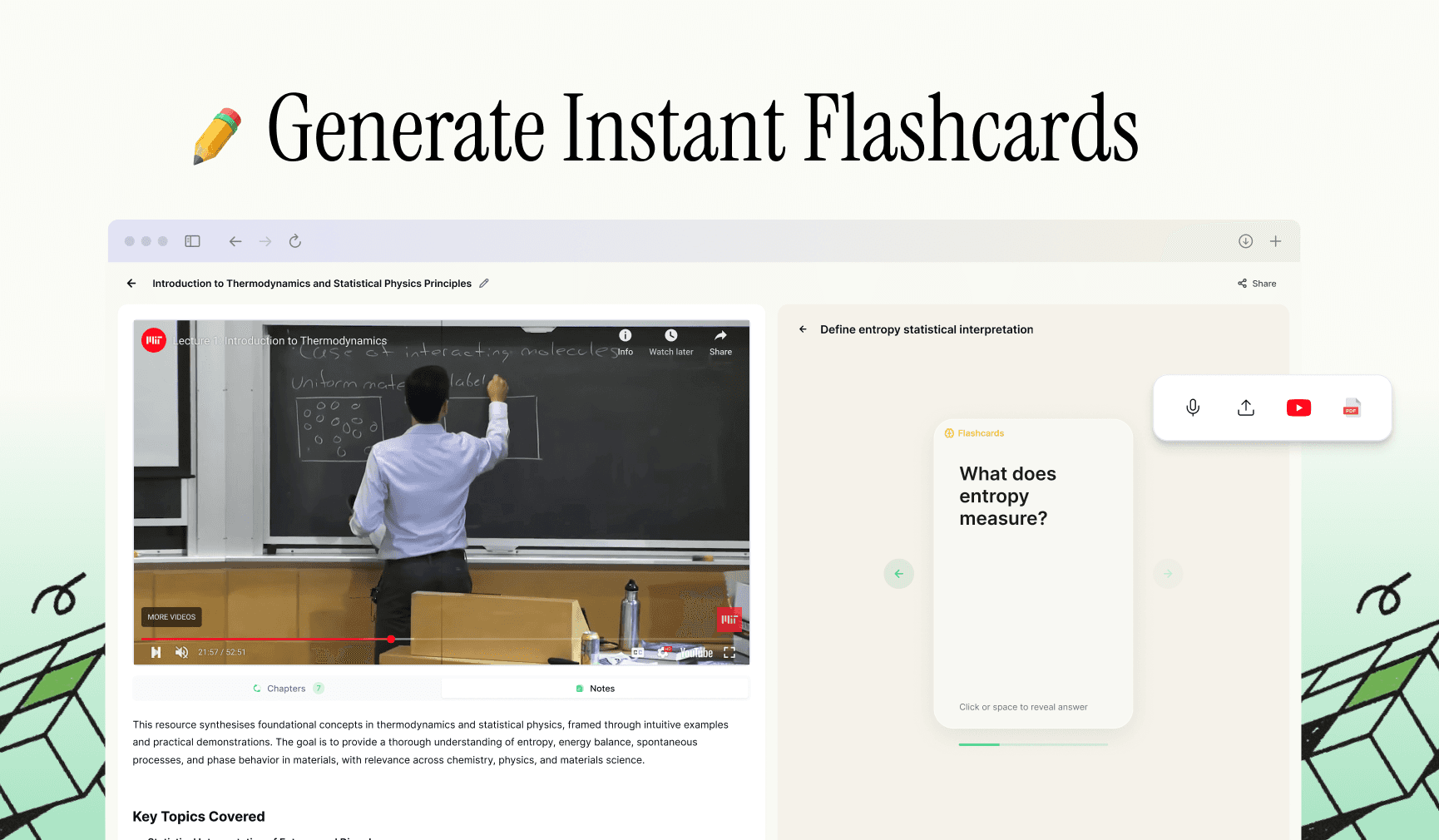
How to study International Economics with flashcards (a simple system)
Studying International Economics is most effective when you use a two-pass approach. First, you use flashcards to nail down the terminology and basic model assumptions. Once the foundation is solid, you move into more complex scenario-based cards to simulate exam questions.
Keep your sessions short but frequent. Reviewing your deck for 15 minutes a day is significantly more effective than a five-hour session the night before a midterm. This leverage's the power of spaced repetition to move information from short-term to long-term memory.
Make a deck from your notes (or generate it from content using Duetoday).
Do one quick round to find weak spots like specific trade models or formulas.
Review weak cards daily for a few days to reinforce memory.
Mix in a few harder cards, like those involving graph shifts, each session.
Do a final mixed review before quizzes to ensure you can switch between trade and finance topics quickly.
Generate International Economics flashcards automatically in Duetoday
Manually writing out flashcards for International Economics is a tedious process. Plotting out the difference between the Rybczynski theorem and Graham’s demand theory takes hours that you should be using for actual learning. Duetoday eliminates the busywork.
By using AI, Duetoday scans your PDFs, lecture transcripts, or slides and pulls out the most relevant economic data to create a high-quality deck instantly. You get the benefits of active recall without the manual labor.
Upload or paste your International Economics material.
Click Generate Flashcards.
Review, edit, and start studying immediately.
Common International Economics flashcard mistakes (and how to fix them)
The most common mistake students make is creating cards that are too wordy. If a card contains a whole paragraph, your brain will memorize the 'shape' of the text rather than the economic concept. Always keep answers short and focused.
Cards are too long → split complex models into five separate 'trigger' cards.
Only memorizing words → add 'why' prompts to understand the logic behind a curve shift.
Confusing similar concepts → create explicit 'VS' cards to compare things like Quotas and Tariffs.
No review schedule → use Duetoday's system to repeat difficult concepts more often.
Ready to generate your International Economics flashcards?
Stop rereading your textbook and start mastering the material. Upload your International Economics notes and let Duetoday build your perfect study deck.
FAQ
How many flashcards do I need for International Economics?
For a standard university course, 150–200 cards usually cover the core trade models and international finance concepts comprehensively.
What is the best format for International Economics flashcards?
Use a question-and-answer format for definitions and a 'cause-and-effect' format for model shifts (e.g., 'If Variable X rises, what happens to Variable Y?').
How often should I review International Economics flashcards?
Reviewing daily is best. Spaced repetition ensures you don't forget the early trade theories by the time you reach the finance modules at the end of the term.
Should I make cards from a textbook, lecture notes, or slides?
Lecture notes are usually best as they highlight what your professor thinks is important, but textbooks provide the detail needed for more difficult cards.
How do I stop forgetting models like Heckscher-Ohlin after a few days?
Use active recall daily. If you find yourself forgetting a specific model, flag it in Duetoday for more frequent review until it sticks.
Can I generate International Economics flashcards from a PDF automatically?
Yes, Duetoday is designed to scan academic PDFs and transform the text into structured flashcards based on the most important headers and terms.
Are digital flashcards better than paper for International Economics?
Digital cards are superior because they allow for faster organization and use algorithms to show you the cards you struggle with more often.
How long does it take to make a full International Economics deck?
Manually it can take hours; with Duetoday, it takes roughly 30 seconds once you upload your source material.
Can Duetoday generate and organize my flashcards for me?
Absolutely. Duetoday analyzes your content and automatically categorizes flashcards so you can study by specific topic or chapter.

Duetoday is an AI-powered learning OS that turns your study materials into personalised, bite-sized study guides, cheat sheets, and active learning flows.