Generate Flashcards for Human Physiology
Generate Human Physiology flashcards in seconds! Turn notes into study decks. Try it for free.
Generate Flashcards with AI Free
Generate Flashcards for Human Physiology
Turn your notes, PDFs, slides, or lectures into Human Physiology flashcards so you can review faster and remember more. Whether you are studying the cardiovascular system or cellular respiration, Duetoday helps you master complex biological processes without the manual labor of writing cards.
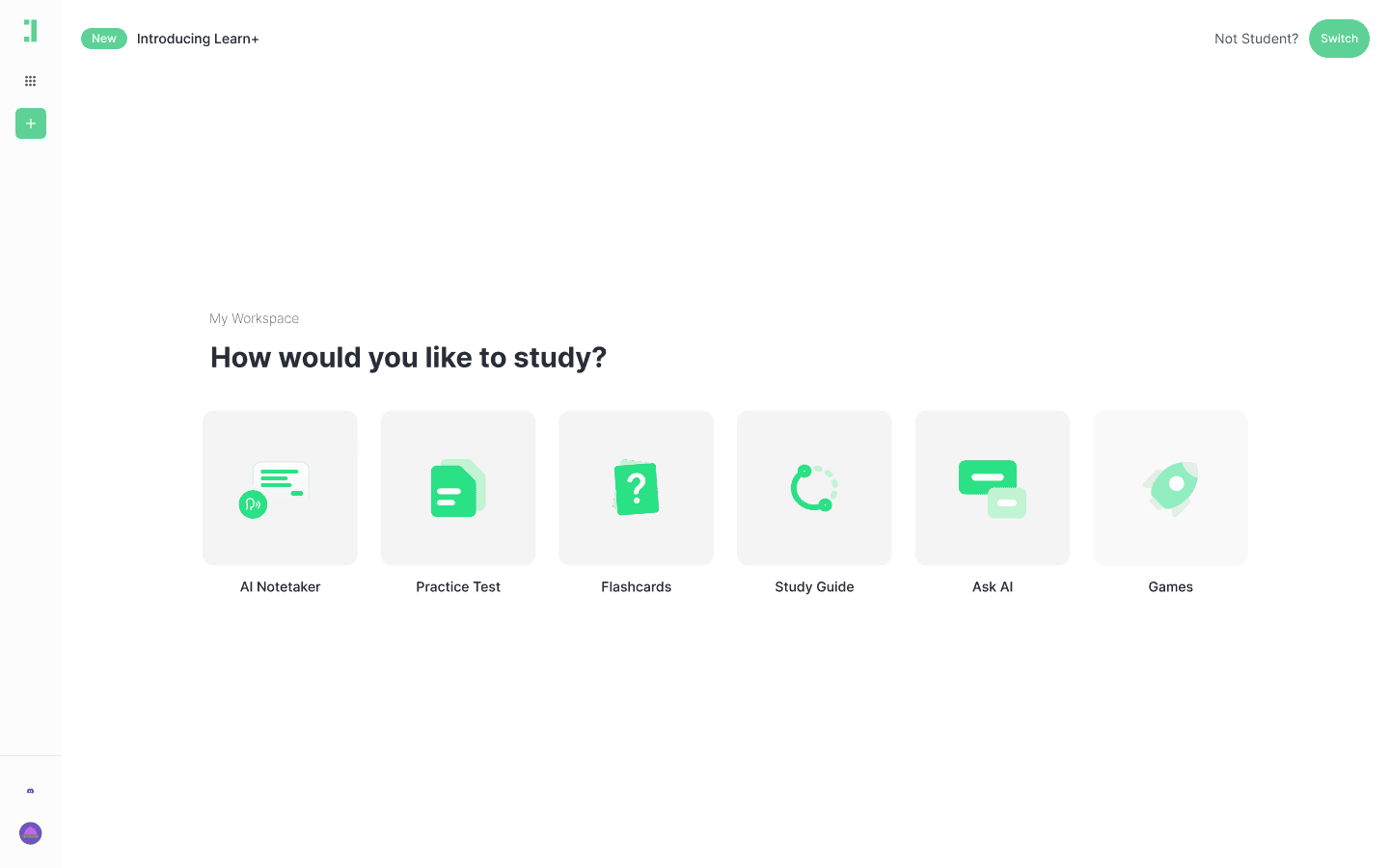
Generate Human Physiology FlashcardsUpload notes / paste text
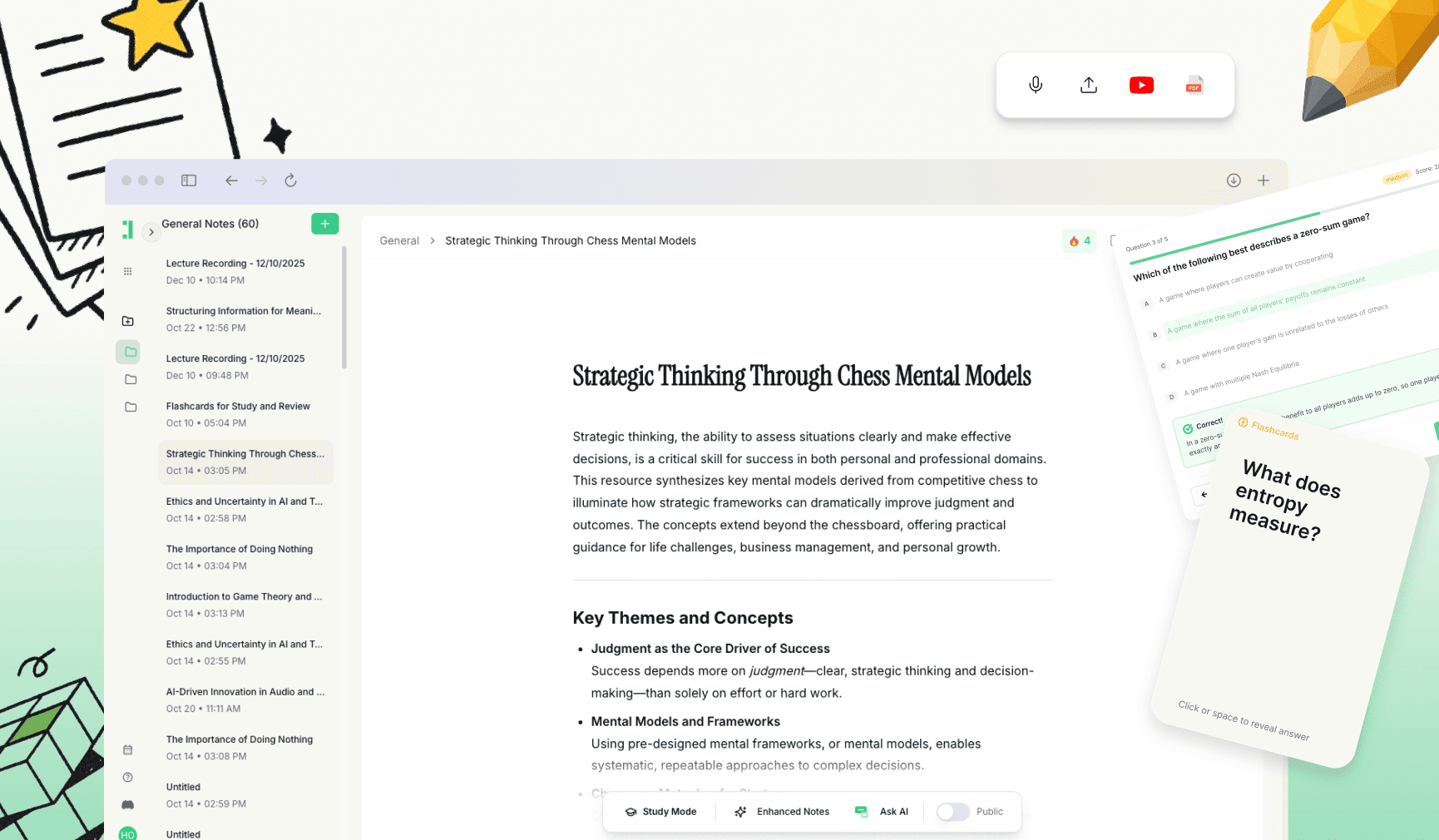
In Duetoday, you simply upload your study material, click generate, and our AI builds a structured deck for you to review, edit, and study using active recall.
What are Human Physiology flashcards?
Human Physiology flashcards are study tools designed to help you memorize the functions of the body, key medical terms, and complex homeostatic mechanisms. They cover everything from electrical signals in the heart to the hormonal cascades of the endocrine system.
Instead of passively rereading your textbook, these flashcards force you to test your knowledge through active recall. By retrieving information from memory, you build stronger neural pathways, making it easier to recall facts during high-pressure exams. If you already have notes, Duetoday can generate a clean deck in minutes.
Why flashcards are one of the best ways to study Human Physiology
Physiological study requires a mix of rote memorization for terminology and deep understanding of sequences. Flashcards bridge this gap by breaking down overwhelming chapters into manageable, bite-sized questions.
Remember key anatomical terms and physiological functions without cramming.
Separate similar concepts, such as the sympathetic vs. parasympathetic nervous systems.
Learn processes step-by-step, including cardiac cycles and renal filtration pathways.
Practice applying physiological rules to clinical scenarios quickly.
What to include in your Human Physiology flashcards
Effective physiology cards focus on "one idea per card" to avoid cognitive overload. Using a question-based format ensures you aren't just recognizing words but actually understanding the material.
Definitions & key terms: Focus on naming structures and basic functions.
Processes & steps: Break down signaling pathways or muscle contraction stages.
Comparisons: Contrast different types of epithelial tissues or hormone classes.
Application: Predict what happens to the body when a specific variable (like pH) changes.
Example prompts: "What is the primary function of the mitochondria?", "Define cardiac output in one sentence.", "What happens during the depolarization phase of an action potential?", "How is the steroid hormone mechanism different from peptide hormones?"
How to study Human Physiology with flashcards (a simple system)
Success in physiology comes from consistency. We recommend a "two-pass" approach: first, use Duetoday to build your deck from your syllabus, then engage in structured review rounds to cement the knowledge.
Make a deck from your notes or generate it from your lecture PDFs.
Do one quick round to find weak spots and flag difficult pathways.
Review weak cards daily for a few days to master homeostatic mechanisms.
Mix in a few harder cards each session to build mental stamina.
Do a final mixed review before your midterms or lab practicals.
Generate Human Physiology flashcards automatically in Duetoday
Making cards manually for a subject as dense as physiology is slow, messy, and often results in cards that are too long to be useful. You should be spending your time learning, not formatting cards.
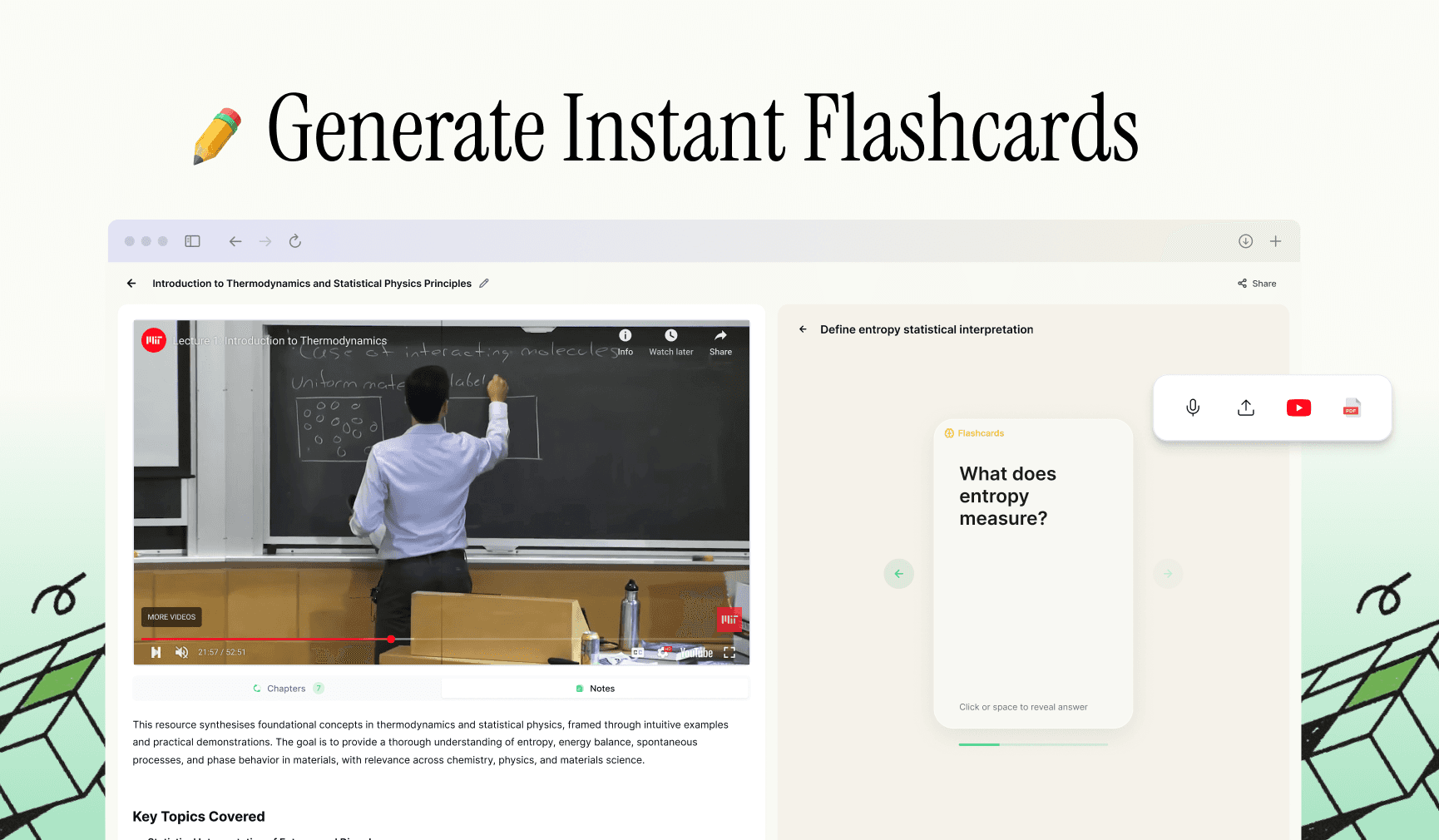
Duetoday streamlines the process: upload your notes, slides, or textbook chapters, and our AI generates a comprehensive deck instantly. You can then review, edit for personal context, and start studying immediately.
Upload or paste your Human Physiology material.
Click Generate Flashcards.
Review, edit, and start studying with active recall.
Generate Human Physiology Flashcards in Duetoday
Start with your notes and get a deck you can actually use today.
Common Human Physiology flashcard mistakes (and how to fix them)
Most students make the mistake of creating "encyclopedia cards" that are too long to memorize effectively. Here is how to fix common errors:
Cards are too long: Split complex cycles (like the Krebs cycle) into one idea per card.
Only memorizing words: Add "why" and "how" prompts to understand the underlying mechanism.
Confusing similar concepts: Create specific comparison cards for Agonists vs. Antagonists.
No review schedule: Use spaced repetition to repeat weak cards more often than easy ones.
No application practice: Include scenario-based cards to simulate clinical exams.
Ready to generate your Human Physiology flashcards?
Stop rereading your textbook and start mastering the human body with active recall. Upload your notes, generate your deck, and ace your next physiology exam.
Start Generating Flashcards
Works with notes, PDFs, slides, and transcripts.
FAQ
How many flashcards do I need for Human Physiology?
A typical physiology course can require 300 to 600 cards per semester, depending on the level of detail needed for systems like the renal or nervous system.
What’s the best format for Human Physiology flashcards?
The best format is the 'Question and Answer' style. Keep the front short and the back focused on a single physiological concept or mechanism.
How often should I review Human Physiology flashcards?
You should review new cards daily and older cards every few days using spaced repetition to ensure long-term retention of complex biological processes.
Should I make cards from a textbook, lecture notes, or slides?
Lecture slides are usually the best starting point as they highlight what your instructor deems most important, but textbooks are great for filling in detail on complex pathways.
How do I stop forgetting physiological terms after a few days?
Use spaced repetition. Duetoday’s system ensures you see the terms you struggle with more frequently until they are locked in your long-term memory.
What if my flashcards feel too easy or too hard?
If they are too hard, break the information down into smaller steps. If they are too easy, add "application" questions that ask you to predict a bodily response to a stimulus.
Can I generate Human Physiology flashcards from a PDF automatically?
Yes! Duetoday allows you to upload any physiology PDF or textbook chapter and convert it into a study-ready flashcard deck in seconds.
Are digital flashcards better than paper for Human Physiology?
Digital cards are generally better because they allow for automated spaced repetition, easy editing, and the ability to include complex diagrams easily.
How long does it take to make a full Human Physiology deck?
Manually, it can take hours. With Duetoday, you can generate a full deck from your lecture notes in less than a minute.
Can Duetoday generate and organize my flashcards for me?
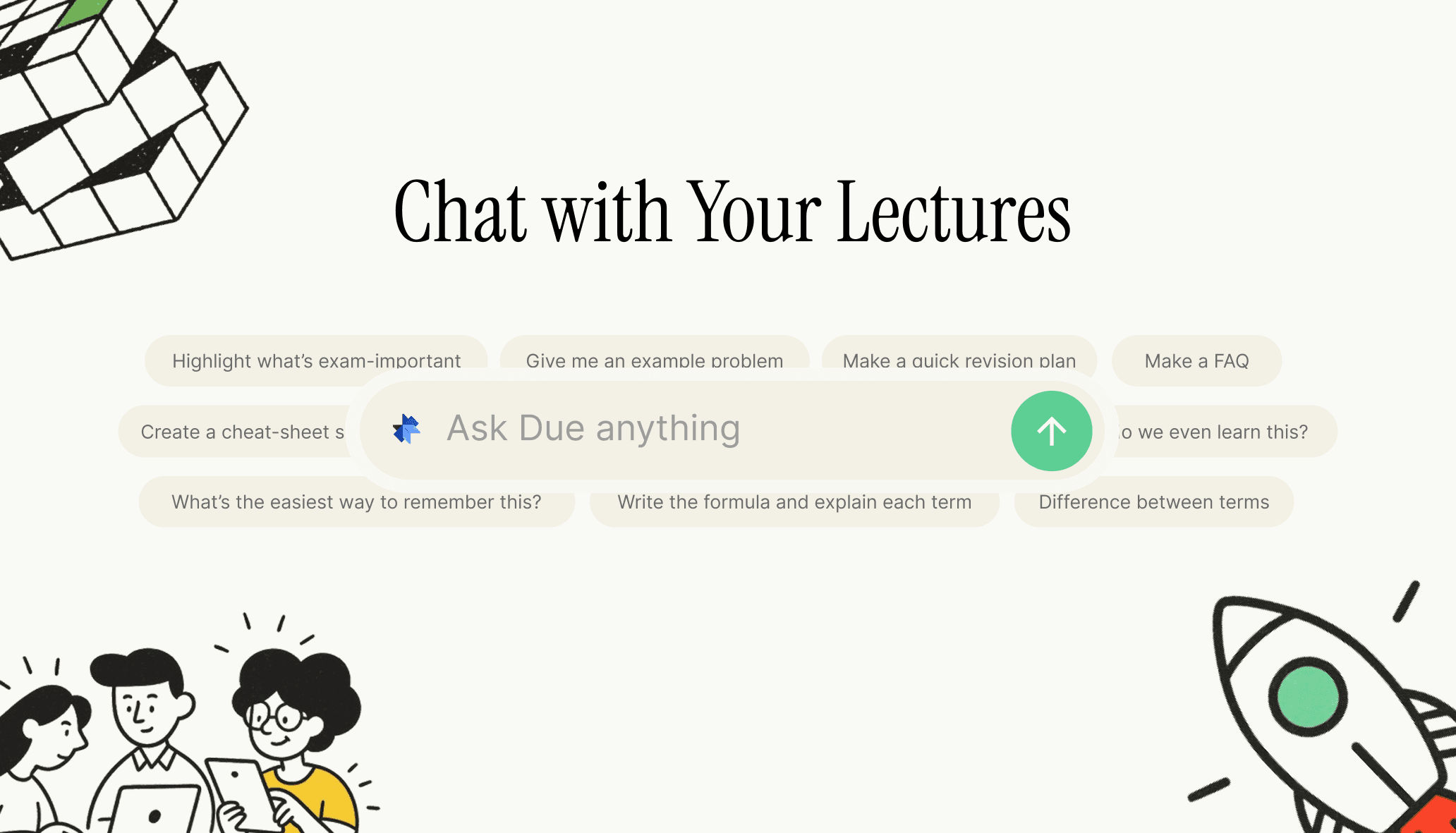
Absolutely. Duetoday uses AI to organize your cards by topic, ensuring your study sessions are structured and efficient.

Duetoday is an AI-powered learning OS that turns your study materials into personalised, bite-sized study guides, cheat sheets, and active learning flows.