Generate Flashcards for German Grammar
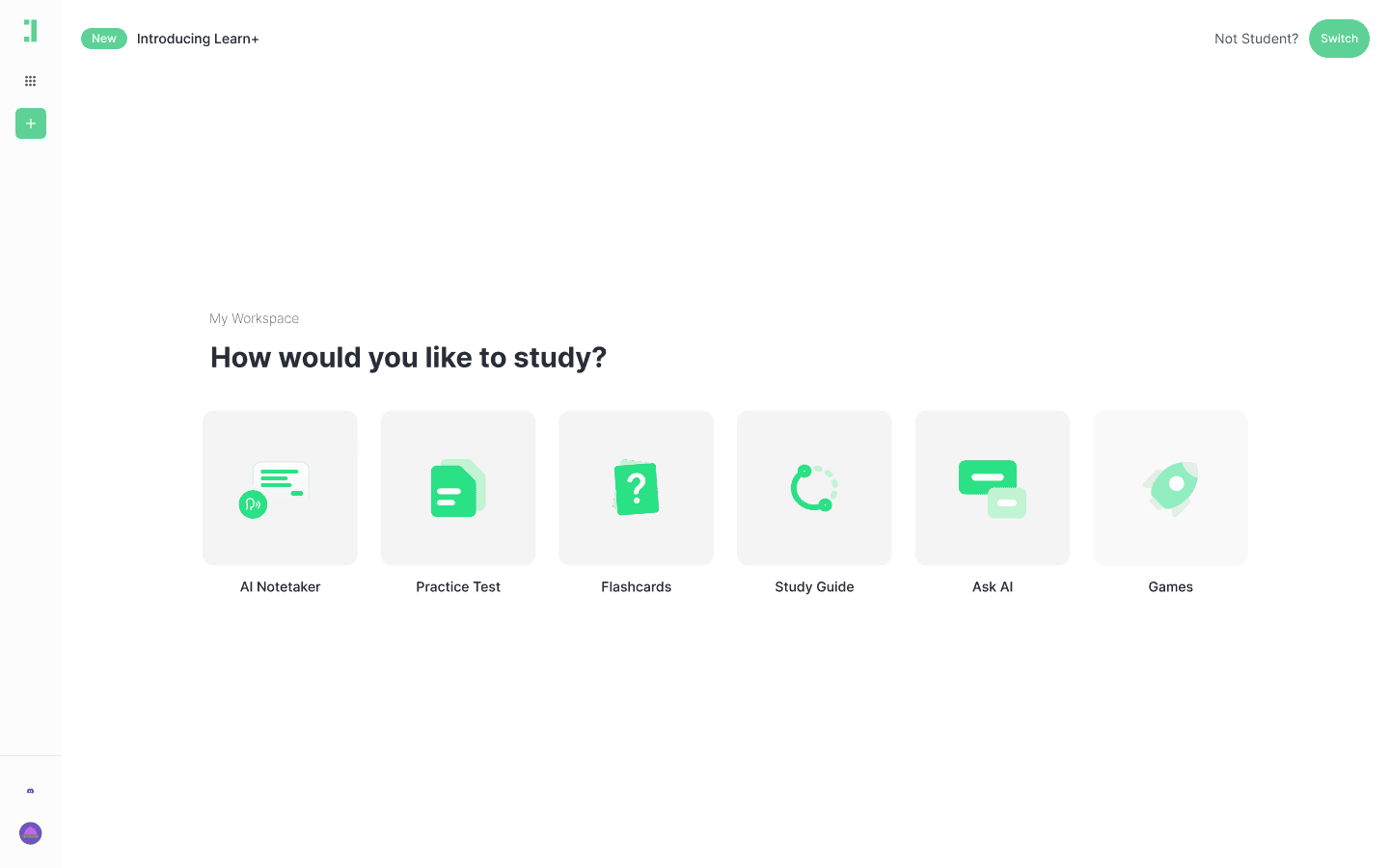
Make or generate German Grammar flashcards for your subject. Turn PDFs and notes into study-ready German grammar decks.
Generate Flashcards with AI Free
What are German Grammar flashcards?
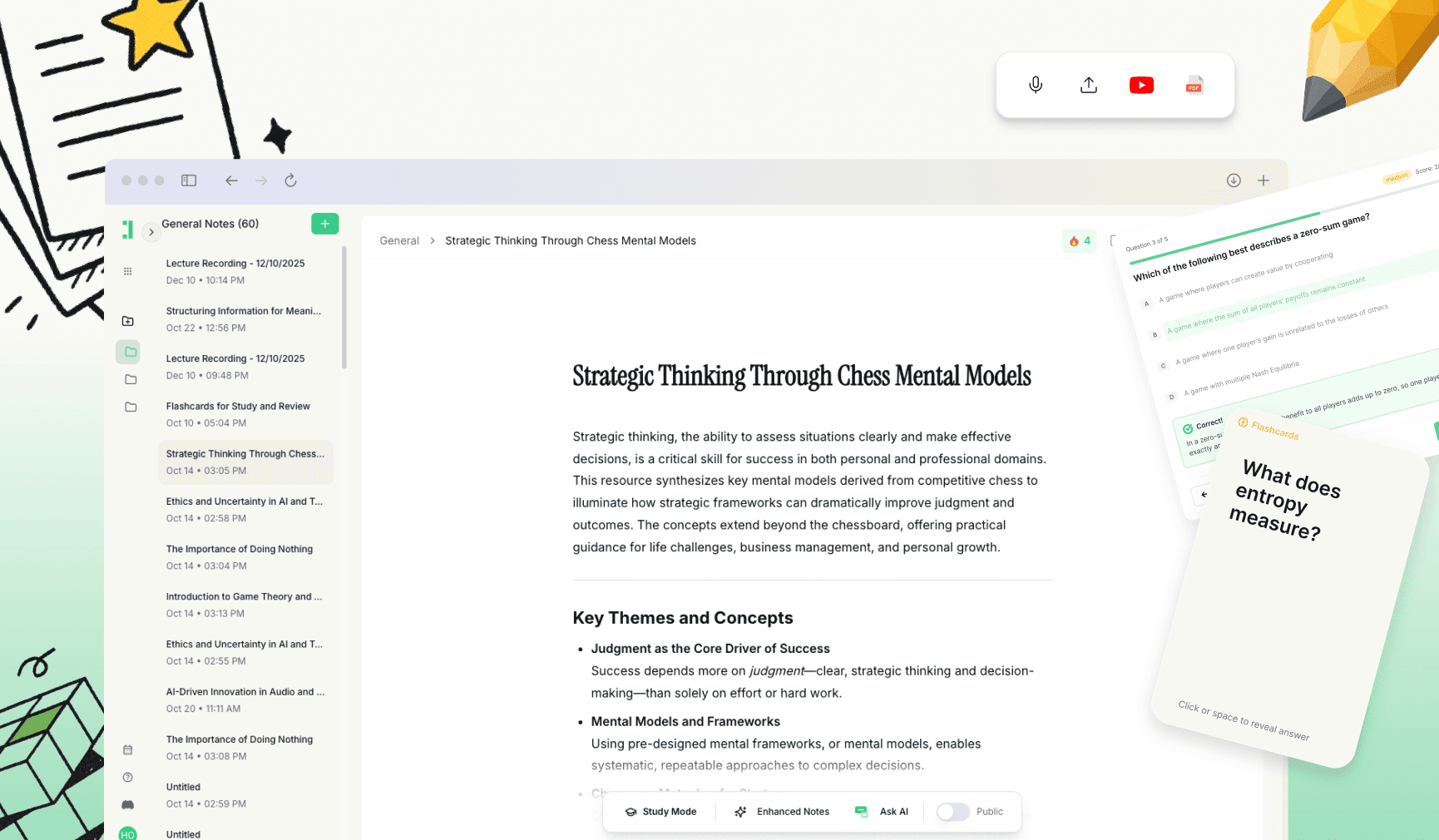
German Grammar flashcards are targeted study tools designed to help you master the complex rules of the German language. They cover critical linguistic elements such as the four cases (Nominative, Accusative, Dative, Genitive), adjective endings, word order, and verb conjugations across various tenses. By breaking down daunting topics like 'The Passive Voice' or 'Subjunctive II' into bite-sized questions, these flashcards make the language manageable.
Instead of passively rereading a grammar book, these flashcards force you to produce the correct grammatical structure from memory. This active engagement builds the mental pathways needed to speak and write German accurately under pressure. If you already have notes or a textbook PDF, Duetoday can generate a clean deck in minutes, saving you hours of manual entry.
Why flashcards are one of the best ways to study German Grammar
German grammar is highly structural and relies on specific relationships between words. Flashcards are ideal for this because they allow you to isolate specific variables—like a preposition's effect on a noun's case—and drill them until they become second nature. This repetitive testing helps you internalize the 'logic' of the language rather than just memorizing sentences.
By using active recall and spaced repetition, you ensure that you aren't just memorizing grammar for a test, but moving it into your long-term memory. Flashcards help you:
Internalize noun genders and plural forms effortlessly.
Master irregular verb patterns without boring rote memorization.
Differentiate between similar-sounding prepositions and their cases.
Practice the specific 'V2' word order rules in main and subordinate clauses.
What to include in your German Grammar flashcards
Effective German grammar cards should follow the 'one idea per card' rule. Avoid crowding a card with a whole page of rules; instead, focus on a single conjugation or a specific case transition. Using 'Cloze Deletions' (fill-in-the-blank) is particularly effective for language learning.
Focus on these four main card categories for the best results:
Morphology: Conjugate a specific verb or decline a noun in a specific case.
Syntax: Order a set of words correctly to form a question or a statement.
Prepositions: Identify which case follows a specific 'Wechselpreposition'.
Transformation: Change a sentence from Active to Passive or Present to Past tense.
Example prompts include: 'What is the Dative plural ending for most nouns?', 'Conjugate SEIN in the Präteritum', or 'Which case does the preposition MIT take?'
How to study German Grammar with flashcards (a simple system)
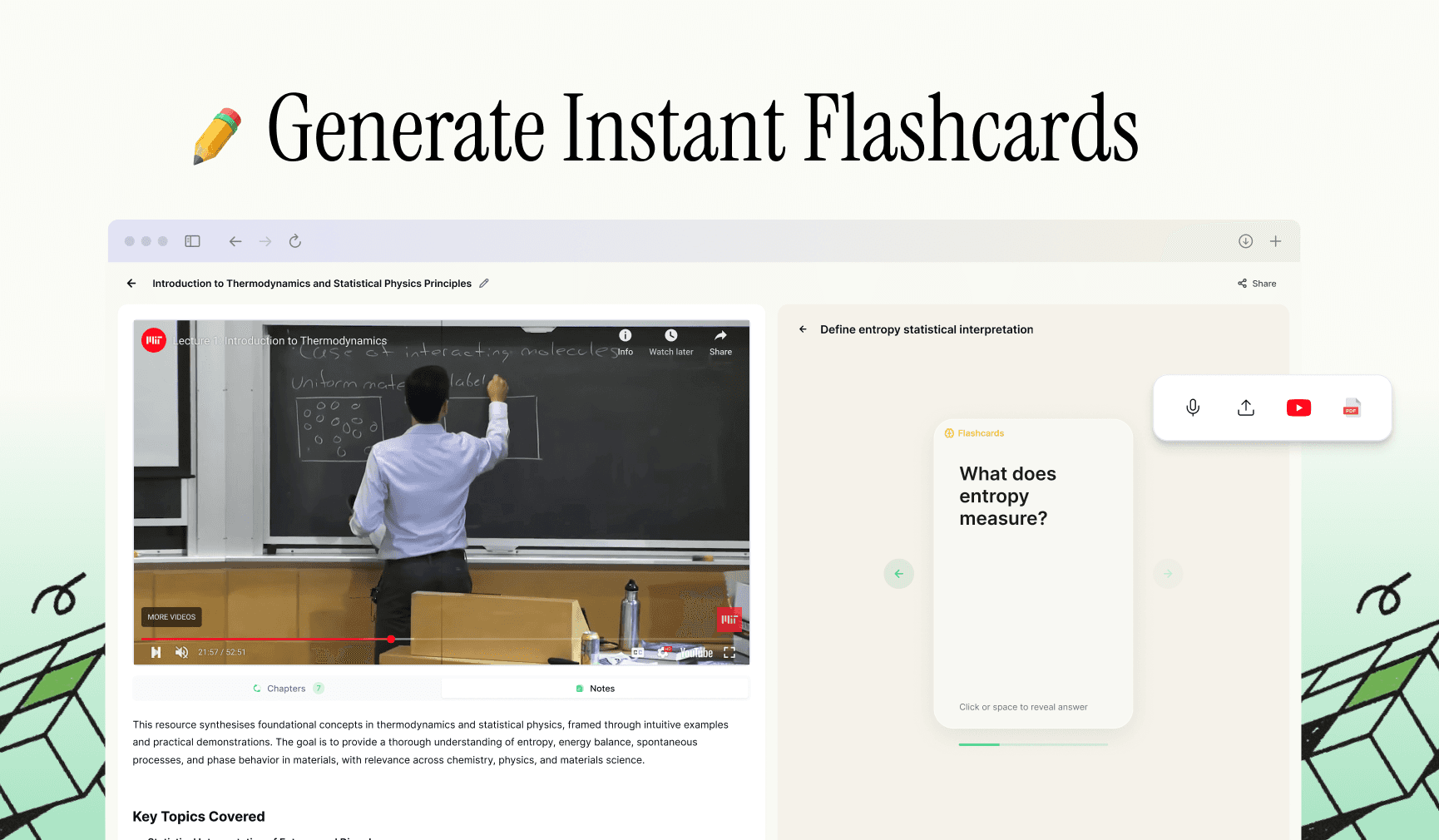
The best way to tackle German is a two-pass approach. First, generate your deck based on your current unit of study—such as 'Adjective Endings'. Then, go through the deck once to identify which endings you consistently get wrong. These 'weak' cards become your priority for daily review.
Consistency is more important than duration. Reviewing your German cards for 10 minutes every morning is significantly more effective than a three-hour cram session on Sunday. Once you feel confident, mix your grammar cards with vocabulary cards to simulate real-world usage where you have to think about both meaning and structure simultaneously.
Generate a deck from your grammar notes or lecture slides.
Complete a rapid-fire round to tag difficult grammar points.
Review the 'Hard' cards every single day until they feel 'Easy'.
Mix different grammar topics together to avoid 'pattern spotting'.
Finalize your review with a practice writing session using the rules you've learned.
Generate German Grammar flashcards automatically in Duetoday
Manually writing out German declension tables on physical cards is incredibly time-consuming and often leads to errors in spelling or gender. Duetoday eliminates this friction. By leveraging AI, you can transform your existing learning materials into high-quality, accurate study aids in seconds.
Simply upload your German textbooks, class slides, or handwritten notes. Duetoday analyzes the linguistic structures and creates varied card types—from conjugation drills to case identification—ready for you to review on any device.
Upload or paste your German Grammar material.
Click 'Generate Flashcards'.
Review, edit for accuracy, and start your study session.
Common German Grammar flashcard mistakes (and how to fix them)
Many students create cards that are too 'heavy'. For example, putting the entire 'Adjective Ending' table on one card is a recipe for failure. You will likely remember part of it and mark it as 'correct,' even if you forgot the rest. Instead, create separate cards for 'Masculine Accusative' and 'Feminine Dative'.
Too much text: Keep cards focused on one specific grammatical change.
Ignoring Genders: Always include the 'der/die/das' with noun-related grammar cards.
Neglecting Context: Use short example sentences rather than isolated words.
Passive Review: Don't just look at the answer; say it out loud or write it down.
Ready to generate your German Grammar flashcards?
Stop rereading complex grammar charts and start mastering the German language through active recall. Turn your notes into flashcards in minutes and build the confidence to speak German correctly.
Generate German Grammar Flashcards in Duetoday
FAQ
How many flashcards do I need for German Grammar? It depends on the level. For A1-A2, 300-500 cards covering basic verbs and cases are sufficient. For B2-C1, you may have over 1,000 cards including nuances and idioms.
What’s the best format for German Grammar flashcards? Fill-in-the-blank (Cloze) cards are best for grammar. For example: 'Ich gebe ___ (the) Mann den Brief.'
How often should I review German Grammar flashcards? Ideally, every day. Spaced repetition works best when you keep the 'streaks' alive, especially for memorizing irregular verb forms.
Should I make cards from a textbook or notes? Both. Textbooks provide the rules, while your notes often contain the specific examples your teacher emphasizes for exams.
How do I stop forgetting German cases after a few days? Frequency is key. If you forget a case, move that card back to 'frequent review' status in Duetoday until it sticks.
What if my flashcards feel too easy or too hard? If they are too easy, combine concepts. If they are too hard, break the rule down into smaller, simpler steps.
Can I generate German Grammar flashcards from a PDF automatically? Yes! Simply upload your German PDF to Duetoday, and the AI will extract the key grammar points and create a deck for you.
Are digital flashcards better than paper for German? Yes, because digital cards use algorithms to show you the hardest cards at the exact moment you are likely to forget them.
How long does it take to make a full German deck? Manually, hours. With Duetoday, it takes less than a minute to generate an initial comprehensive deck from your notes.
Can Duetoday organize my flashcards by topic? Yes, you can categorize your German decks into folders such as 'Verbs', 'Cases', or 'Word Order' for organized studying.

Duetoday is an AI-powered learning OS that turns your study materials into personalised, bite-sized study guides, cheat sheets, and active learning flows.