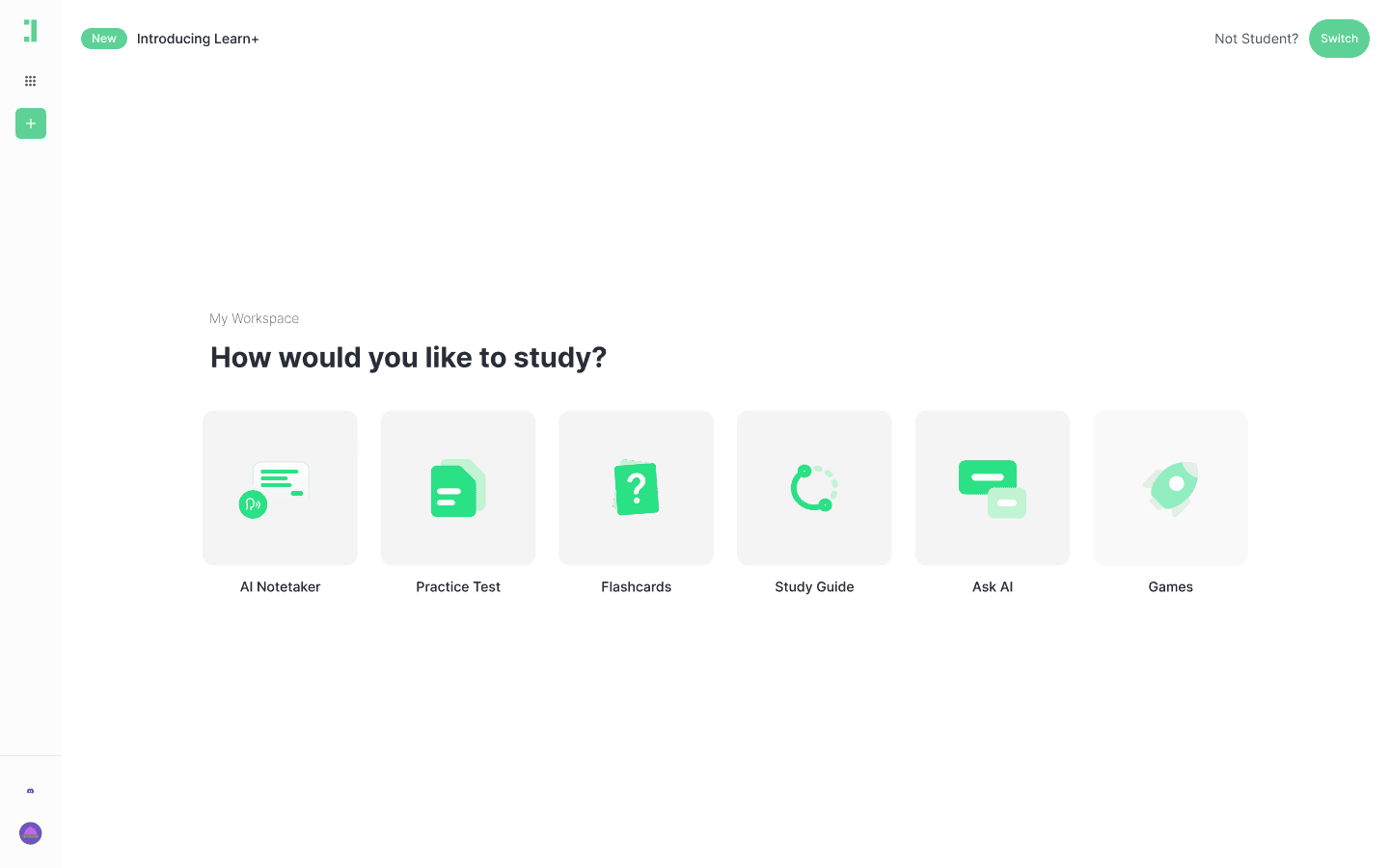
Generate Flashcards for Fiscal Policy
Generate Fiscal Policy flashcards in seconds with AI. Turn notes into study tools. Try for free!
Generate Flashcards with AI Free
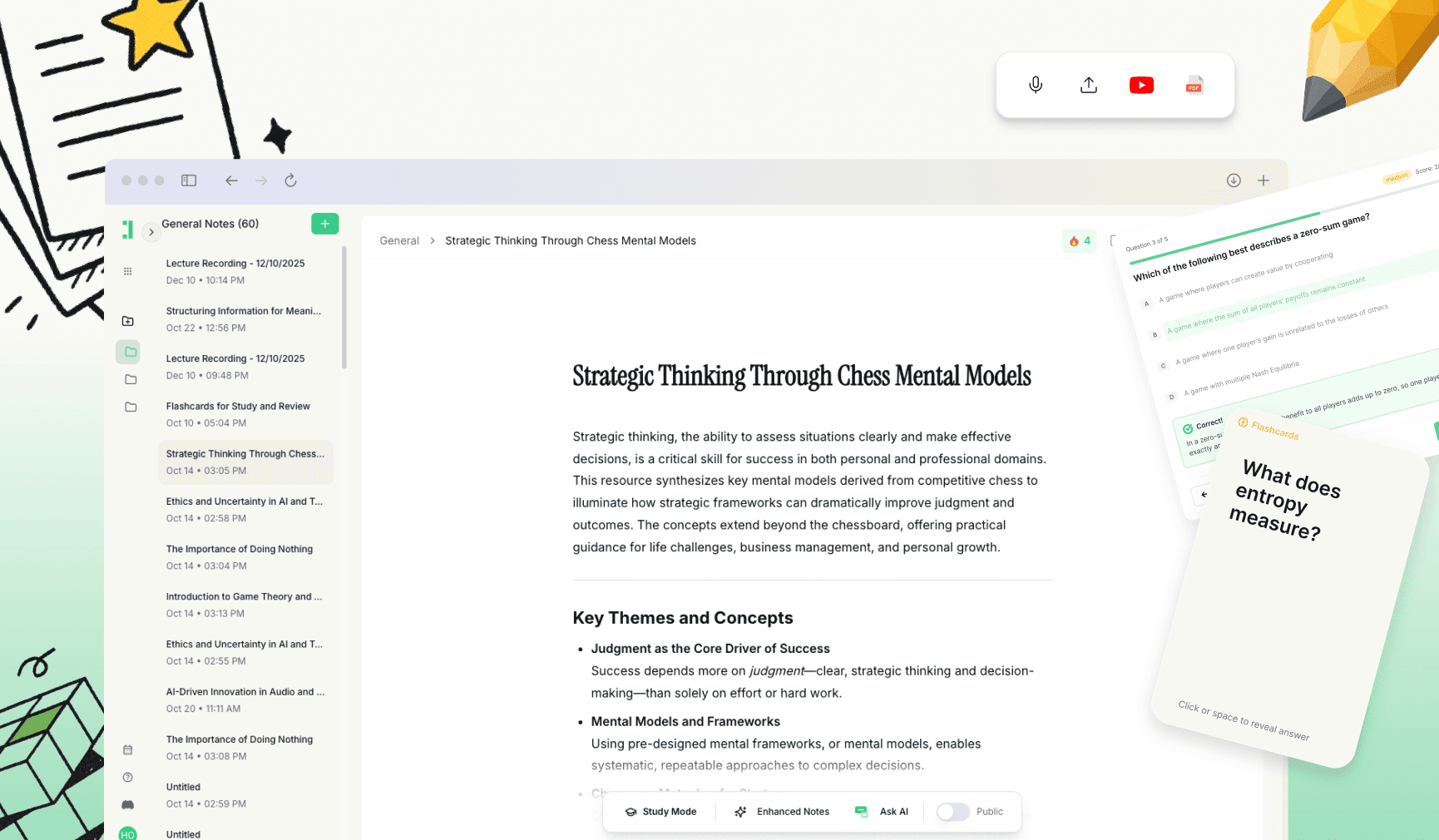
Generate Flashcards for Fiscal Policy
Turn your notes, PDFs, slides, or economics lectures into Fiscal Policy flashcards so you can review faster and remember more. Whether you are studying expansionary measures or budget deficits, Duetoday helps you master macroeconomics in minutes.
Generate Fiscal Policy FlashcardsUpload notes / paste text
Simply upload your study materials to Duetoday. Our AI analyzes your content to generate precise flashcards, allowing you to review, edit, and start active recall sessions immediately.
What are Fiscal Policy flashcards?
Fiscal Policy flashcards cover the essential tools used by governments to influence the economy. This includes key terms like aggregate demand, discretionary spending, automatic stabilizers, and the multiplier effect, as well as the formulas for tax multipliers and spending multipliers.
The outcome is a shift from passive reading to active testing. Instead of just looking at a graph of a recessionary gap, you test your ability to explain which fiscal actions would close it, building stronger neural pathways for exam day.
If you already have notes, Duetoday can generate a clean deck in minutes.
Why flashcards are one of the best ways to study Fiscal Policy
Fiscal Policy requires a mix of memorizing definitions and understanding complex cause-and-effect relationships. Flashcards are perfect for breaking down how a change in taxes specifically ripples through the economy to affect consumer spending.
By using active recall and spaced repetition, you ensure that you don't just recognize the terms, but can actually retrieve them from memory without cues.
Remember key terms like 'Crowding Out' without last-minute cramming.
Separate similar concepts like Expansionary vs. Contractionary policy.
Learn the sequence of events from a policy change to an AD shift.
Practice applying the spending multiplier formula quickly.
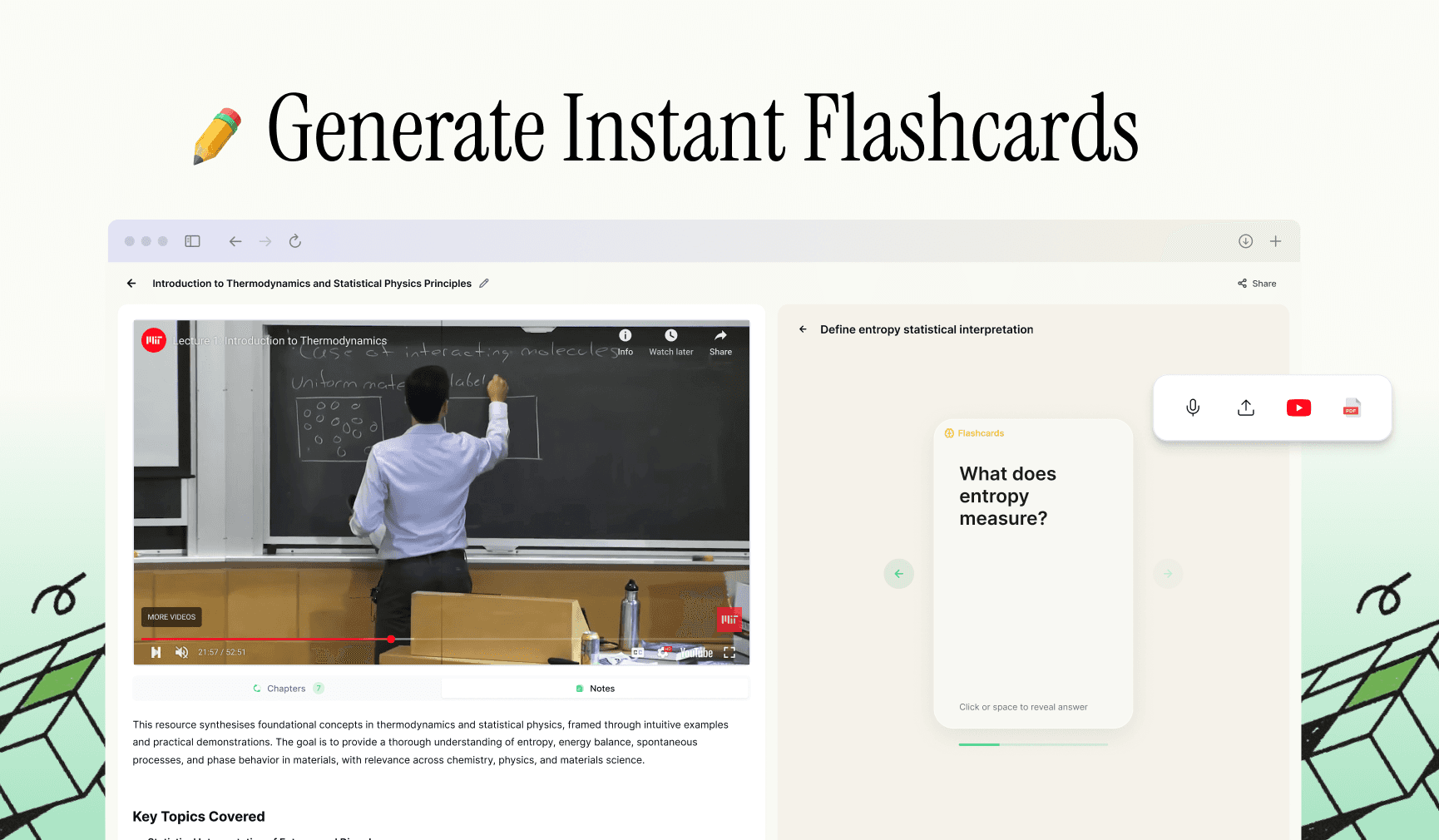
What to include in your Fiscal Policy flashcards
Effective flashcards follow the "atomic" rule: one specific idea per card. Frame your cards as questions rather than just terms and definitions to force your brain to work harder during review sessions.
Definitions & key terms: "What is the difference between a deficit and debt?"
Processes & steps: "How does expansionary fiscal policy affect the interest rate?"
Comparisons: "How do automatic stabilizers differ from discretionary policy?"
Application: "If the MPC is 0.8, what is the total change in GDP from a $10B spending increase?"
How to study Fiscal Policy with flashcards (a simple system)
Mastering macroeconomics requires a systematic approach. Don't try to learn everything in one sitting; instead, use a two-pass system to identify your weak spots early.
Start by generating a deck from your lecture slides. In your first round, flip through every card to see what sticks. Identify the difficult concepts—like the 'recognition lag' or 'classical vs. Keynesian views'—and flag them for daily review while moving easier terms to a weekly schedule.
Make a deck from your textbook notes or PDFs.
Do one quick round to find weak spots in your understanding.
Review high-difficulty cards daily for three days.
Mix in conceptual cards with calculation-based cards.
Do a final mixed review right before your economics exam.
Generate Fiscal Policy flashcards automatically in Duetoday
Manually writing out flashcards for every economic theory is slow and often leads to messy, disorganized decks. Duetoday eliminates the busywork so you can focus on actual learning.
Upload your Fiscal Policy PDF or paste your lecture transcript.
Click 'Generate Flashcards' to let the AI extract the core concepts.
Review, edit for personal context, and start studying instantly.
Generate Fiscal Policy Flashcards in Duetoday
Start with your notes and get a deck you can actually use today.
Common Fiscal Policy flashcard mistakes
Many students make cards that are essentially paragraphs. If a card is too long, you'll memorize the 'shape' of the text rather than the concept. Split complex topics like 'The Crowding Out Effect' into three separate cards for better retention.
Cards are too wordy: Keep it to one concept per card.
Ignoring the 'Why': Don't just memorize the shift; explain the reason behind it.
Mixing up Monetary and Fiscal policy: Use specific comparison cards to keep them separate.
No calculation practice: Ensure you include cards for the MPC and MPS formulas.
FAQ
How many flashcards do I need for Fiscal Policy? Usually 40-60 cards cover the core concepts of a standard macroeconomics unit, ranging from basic definitions to multiplier calculations.
What’s the best format for Fiscal Policy flashcards? Question-and-answer format is best. Instead of writing 'Multipliers,' ask 'How do you calculate the tax multiplier?'
How often should I review my cards? Review new cards daily for the first three days, then use spaced repetition to review them every few days until the exam.
Can I generate cards from my Econ textbook? Yes, you can upload specific chapters or your own summary notes into Duetoday to create a tailored deck.
How do I stop forgetting the difference between debt and deficit? Create a 'Comparison' card that specifically asks for the definition of both on the same card to highlight the distinction.
Can Duetoday handle the math parts of Fiscal Policy? Absolutely. It can identify formulas and variables in your text to create calculation-based practice cards.
Are digital flashcards better than paper? Digital cards are superior for Fiscal Policy because they allow for faster organization and use AI to schedule your reviews perfectly.
How long does it take to make a deck? With Duetoday, it takes less than a minute to convert a full set of lecture notes into a study-ready deck.

Duetoday is an AI-powered learning OS that turns your study materials into personalised, bite-sized study guides, cheat sheets, and active learning flows.