Generate Flashcards for Exchange Rates
Generate Exchange Rates flashcards with AI. Turn notes into study decks instantly. Try it for free today!
Generate Flashcards with AI Free
Generate Flashcards for Exchange Rates
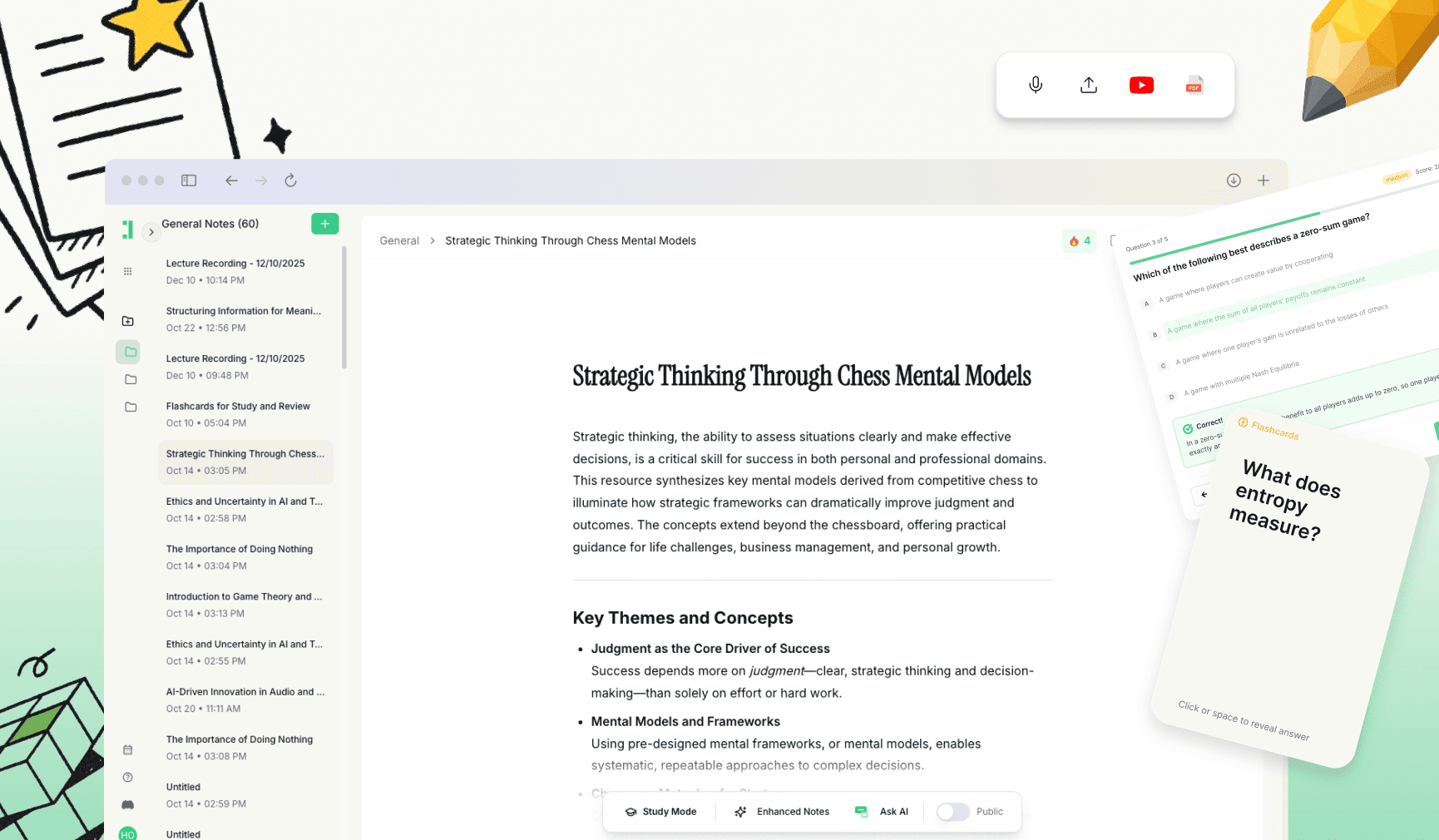
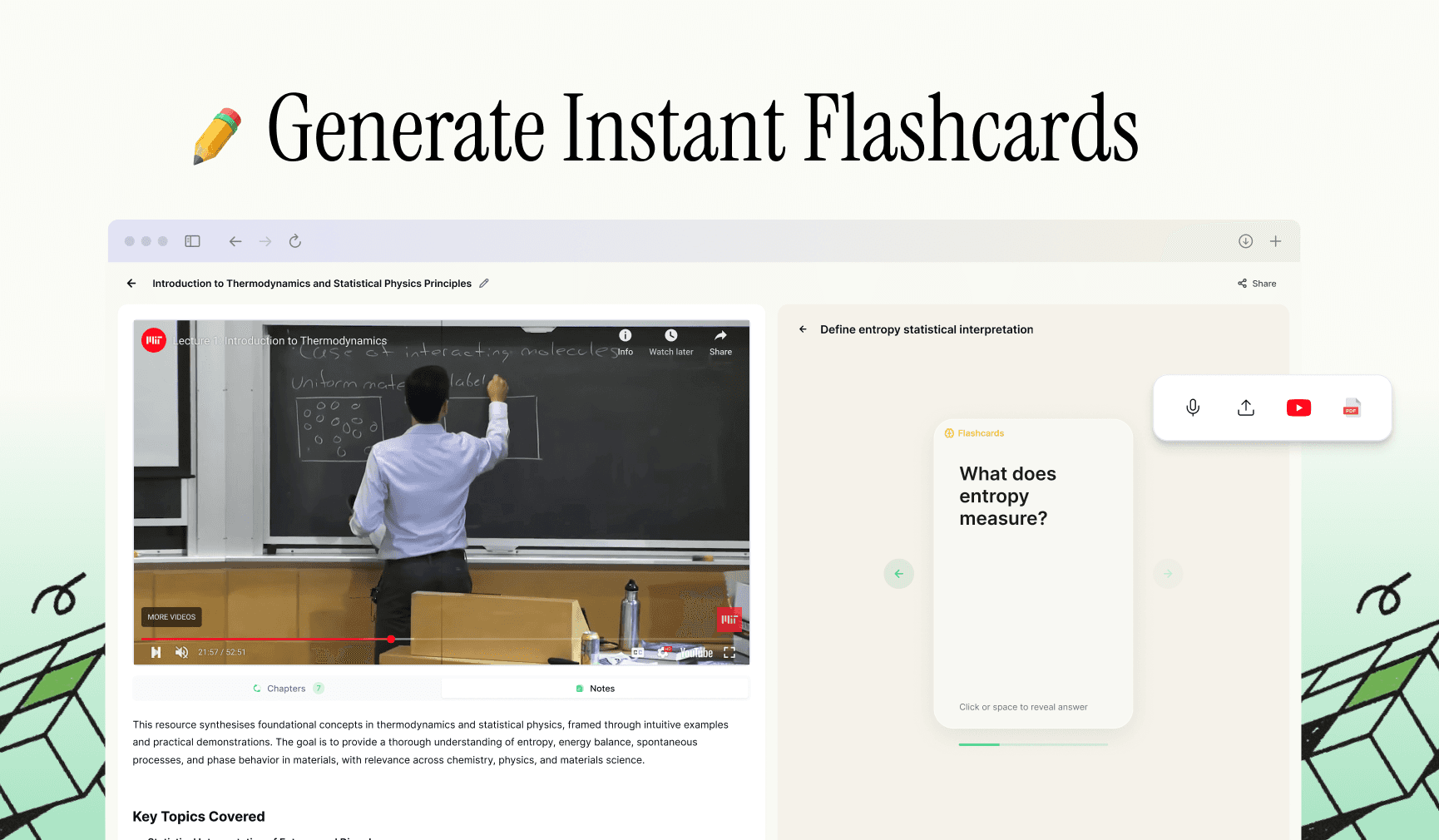
Turn your notes, PDFs, slides, or lectures into Exchange Rates flashcards so you can review faster and remember more. Whether you are studying macroeconomics, finance, or international trade, mastering currency fluctuations requires consistent practice.
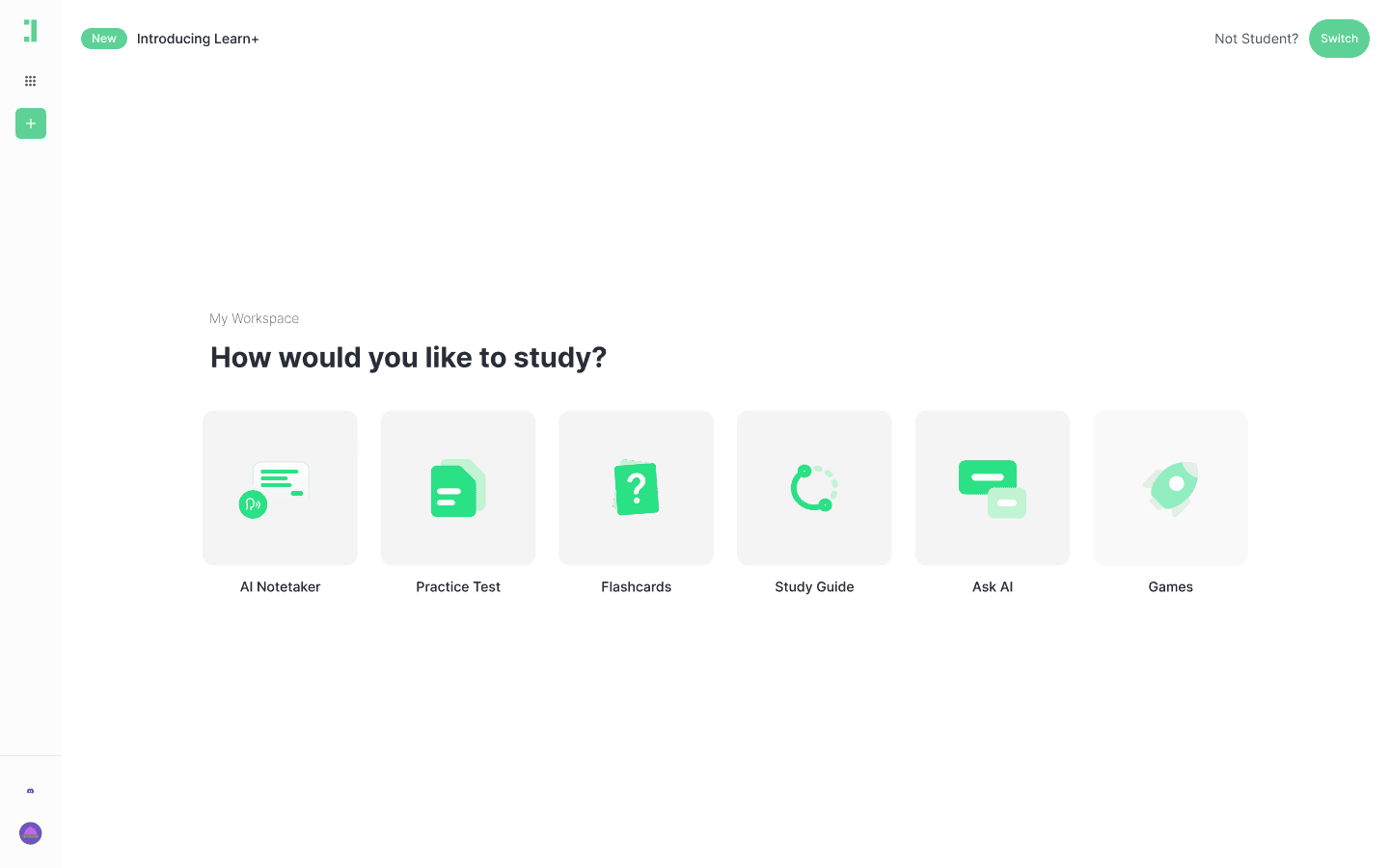
Generate Exchange Rates FlashcardsUpload notes / paste text
In Duetoday, the process is simple: upload your study material, click generate to let our AI identify key economic concepts, review your new deck, and start practicing with active recall.
What are Exchange Rates flashcards?
Exchange Rates flashcards cover the complex mechanisms of the foreign exchange market, including definitions of spot and forward rates, the factors influencing currency demand, and the impact of interest rates on capital flows. They break down the relationship between inflation, trade balances, and currency valuation into digestible question-and-answer pairs.
Instead of rereading a dense textbook chapter on international finance, these flashcards force you to test your knowledge. You move from passively recognizing terms to actively recalling how a shift in central bank policy affects a currency’s price. If you already have notes, Duetoday can generate a clean deck in minutes.
Why flashcards work for Exchange Rates
Exchange rates involve a mix of vocabulary, mathematical formulas, and logical sequences. Flashcards are ideal for this because they help you isolate specific variables within the larger economic system. By testing yourself on how one change (like an interest rate hike) impacts another (capital inflow), you build the mental pathways needed for exam success.
Remember key terms like appreciation, depreciation, and arbitrage without cramming.
Separate similar concepts such as fixed vs. floating exchange rate regimes.
Learn processes step-by-step, like the stages of the Balance of Payments.
Practice applying formulas for real and nominal exchange rates quickly.
What to include in your Exchange Rates flashcards
Good flashcards follow the "atomic" rule: one idea per card. When studying forex, focus on question-based cards that challenge your understanding of cause and effect. Using a mix of qualitative definitions and quantitative application ensures you are ready for any type of exam question.
Definitions & key terms: Define "Purchasing Power Parity" in one sentence.
Processes & steps: What happens to currency demand when domestic interest rates rise?
Comparisons: How is a managed float different from a clean float?
Application: If the USD/EUR rate moves from 1.10 to 1.20, which currency strengthened?
Example prompts: "State the law of one price," "List three factors that shift the supply of a currency," and "Explain the J-curve effect."
How to study Exchange Rates with flashcards
To master this topic, use a two-pass approach. First, generate your deck and do a broad sweep of all concepts to identify what you don't know. Then, focus your energy on the specific mechanics of currency devaluation and interest rate parity that often trip students up.
Make a deck from your notes or generate it from a lecture transcript.
Do one quick round to find weak spots in your understanding of forex markets.
Review weak cards daily to leverage spaced repetition.
Mix in harder application cards, like calculating cross-rates, in every session.
Do a final mixed review before your macroeconomics or finance exam.
Generate Exchange Rates flashcards automatically in Duetoday
Making cards manually is slow and often leads to overly wordy cards that are hard to study. Duetoday simplifies this by using AI to extract the most important economic principles from your materials instantly.
Upload or paste your Exchange Rates material
Click Generate Flashcards
Review, edit, and start studying
Stop rereading. Start recalling. Start with your notes and get a deck you can actually use today.
Common Exchange Rates flashcard mistakes
Many students make cards that are essentially paragraphs. For exchange rates, avoid these pitfalls:
Cards are too long: Split complex theories into individual steps.
Only memorizing words: Add "why" prompts to understand the logic behind a currency shift.
Confusing appreciation and depreciation: Use comparison cards to highlight the difference.
No application practice: Include cards that ask you to predict a market outcome based on a scenario.
FAQ
How many flashcards do I need for Exchange Rates? Usually 40 to 60 cards are enough to cover the core theories, definitions, and basic calculations for a standard course.
What’s the best format for Exchange Rates flashcards? Question-and-answer format is best, specifically using "If/Then" scenarios to simulate market changes.
How often should I review my cards? Review daily for the first week to cement the logic of currency markets, then switch to every few days.
Should I make cards from a textbook or slides? Both are useful, but lecture slides usually highlight the specific models your professor wants you to memorize.
How do I stop forgetting the formulas? Use flashcards to practice the components of the formula before trying to solve full problems.
Can I generate cards from a PDF? Yes, Duetoday allows you to upload any economics PDF and converts the text into study-ready flashcards automatically.
Are digital flashcards better than paper? Yes, because they allow for spaced repetition algorithms that prioritize the cards you find difficult.
Can Duetoday organize my cards? Duetoday automatically categorizes your cards by topic so you can focus on specific areas like "Fixed Exchange Rates."

Duetoday is an AI-powered learning OS that turns your study materials into personalised, bite-sized study guides, cheat sheets, and active learning flows.