Generate Flashcards for Engineering Ethics
Make or generate Engineering Ethics flashcards to master professional codes, safety standards, and case studies with AI.
Generate Flashcards with AI Free
What are Engineering Ethics flashcards?
Engineering Ethics flashcards are targeted study tools designed to help students and professionals master the moral principles, professional codes of conduct, and legal frameworks that govern the engineering profession. They cover essential areas such as the NSPE Code of Ethics, public safety obligations, environmental responsibility, and conflict of interest scenarios.
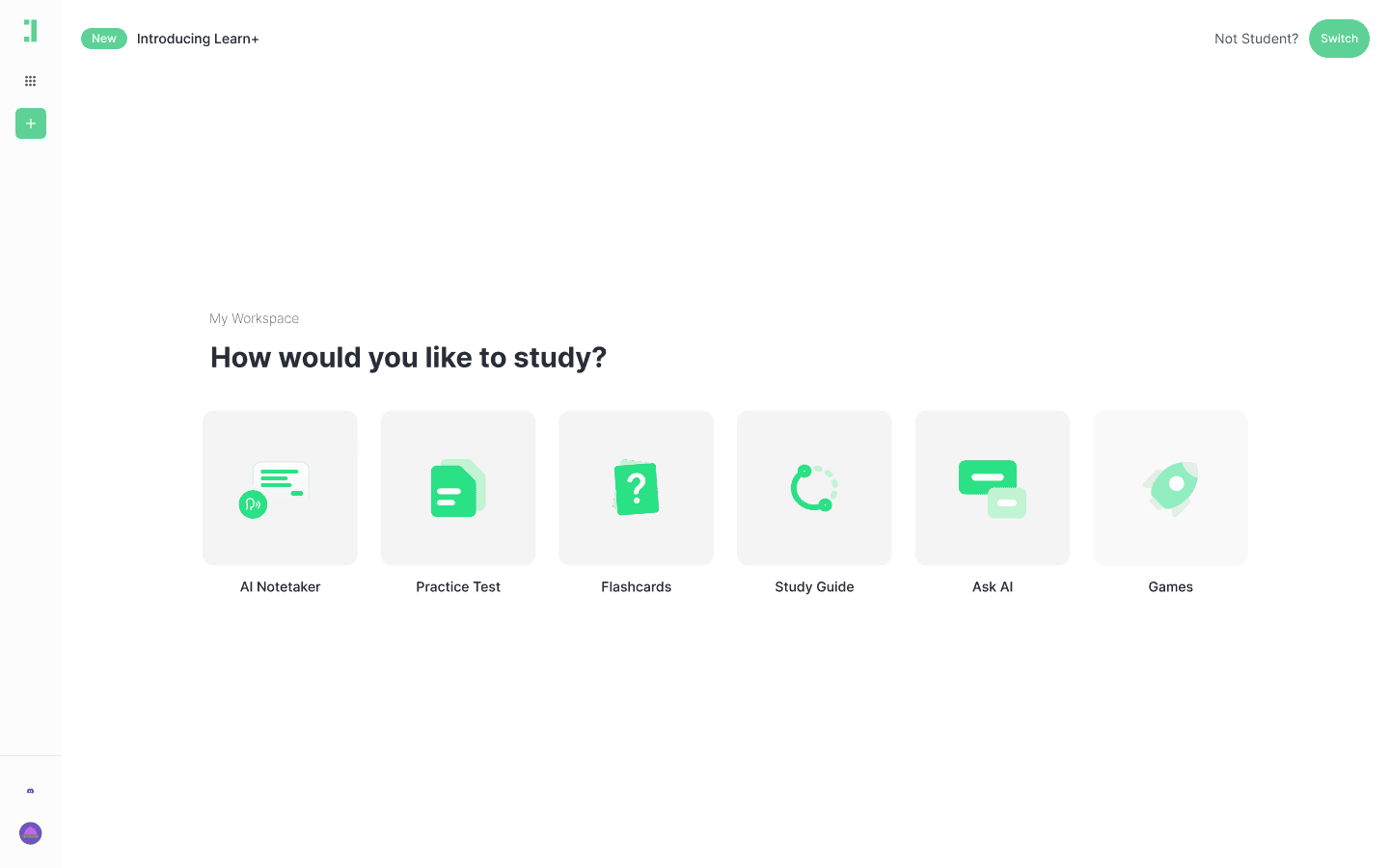
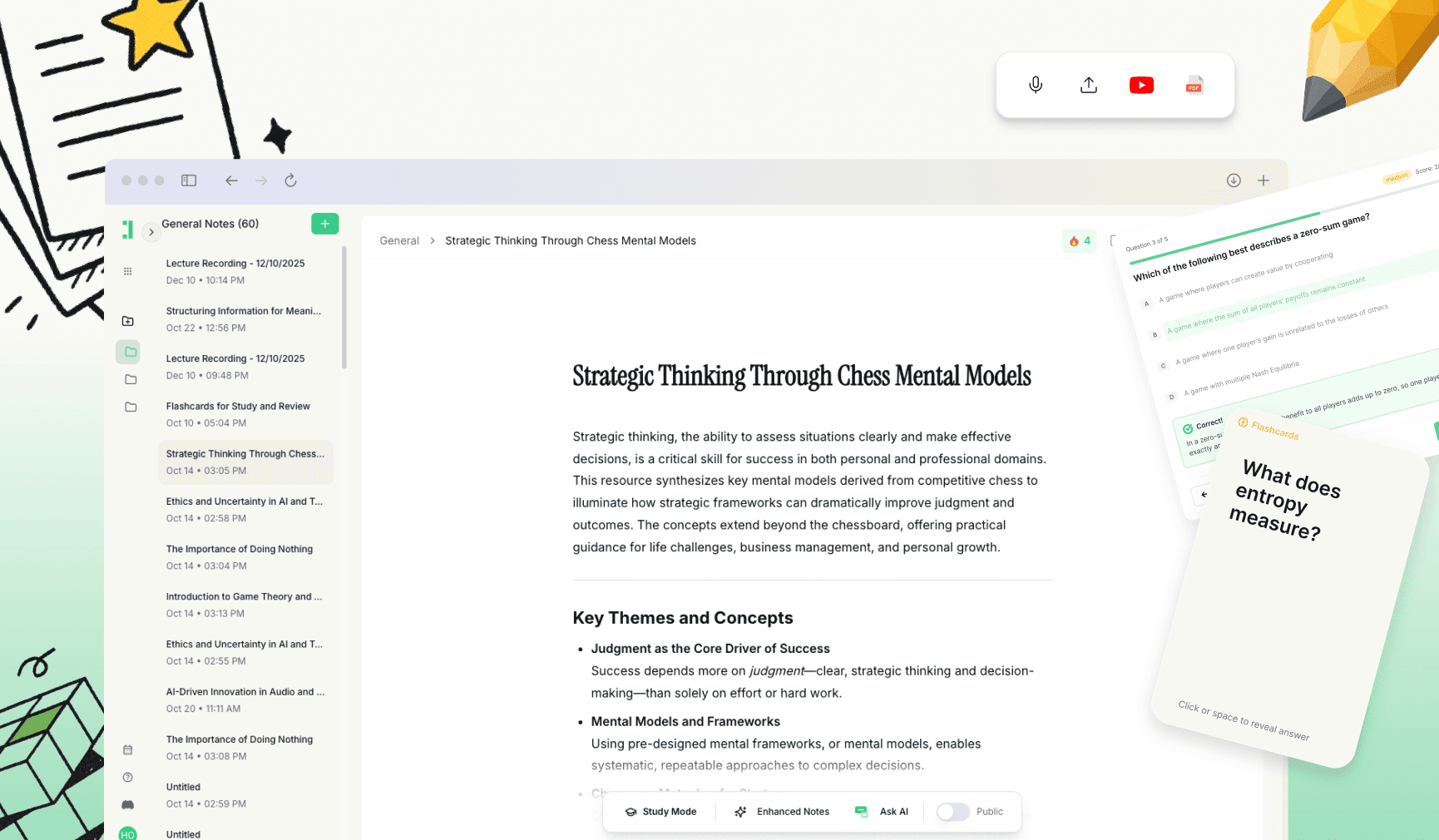
Instead of just passively reading through dense case studies or legal documents, these flashcards force you to engage in active recall. By testing your knowledge on specific ethical dilemmas and regulatory requirements, you build a deeper understanding of how to apply abstract concepts to real-world technical projects. If you already have lecture notes or textbook chapters, Duetoday can generate a clean deck in minutes so you can start studying immediately.
Why flashcards are one of the best ways to study Engineering Ethics
Engineering Ethics requires more than just memorizing a list of rules; it requires understanding the relationships between safety, cost, and professional integrity. Flashcards help break down complex ethical theories and professional standards into manageable pieces of information.
Memorize key canons of the NSPE Code of Ethics without cramming
Distinguish between different types of liability and negligence
Learn the steps of ethical decision-making processes and frameworks
Practice applying safety formulas and risk assessment rules quickly
Separate similar concepts like gift-giving versus bribery in a professional context
What to include in your Engineering Ethics flashcards
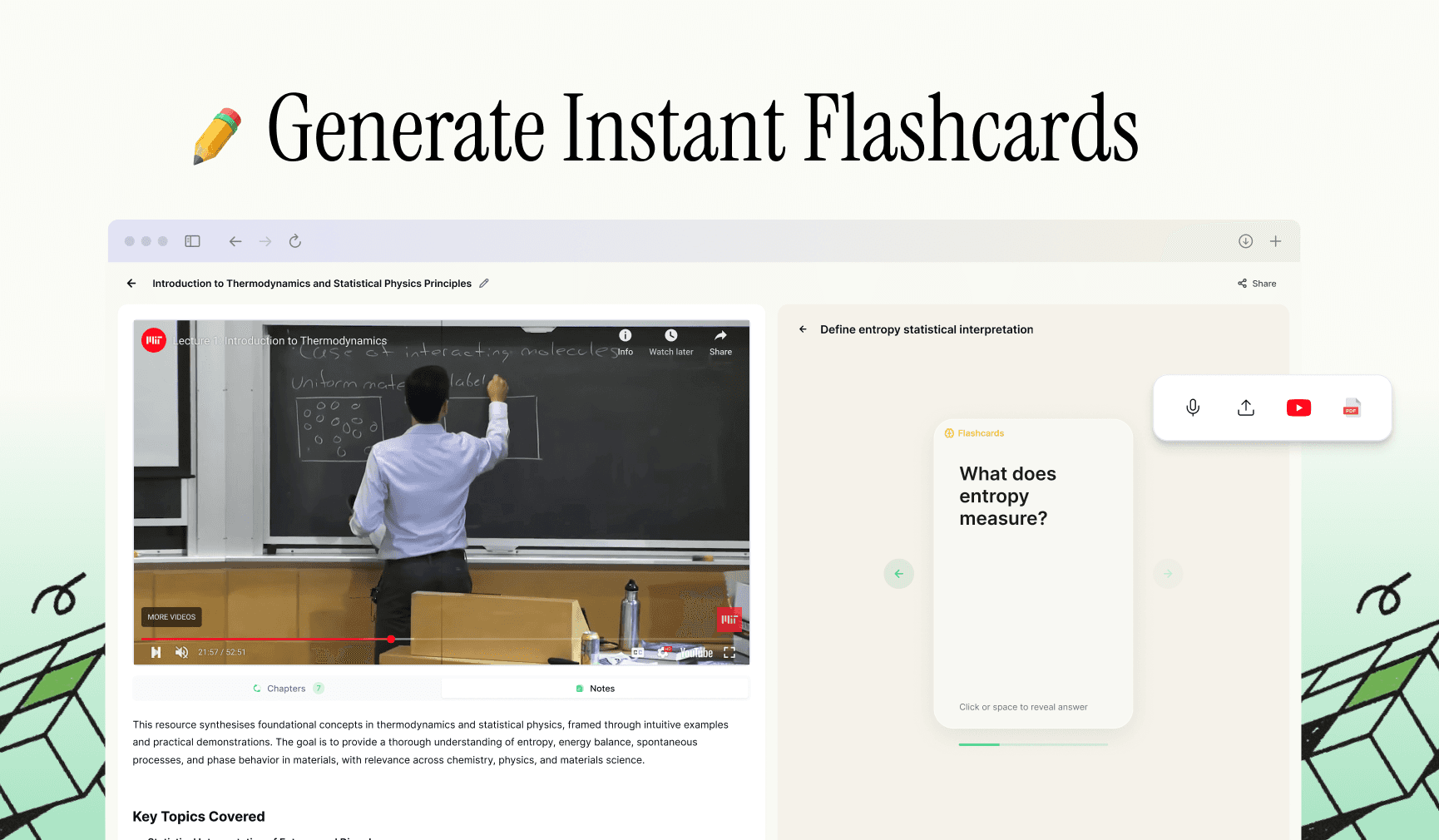
Effective Engineering Ethics flashcards follow the one idea per card rule. Use question-based prompts that require you to explain the 'why' behind an ethical standard rather than just the 'what.' This ensures you are prepared for both exam questions and real-world professional challenges.
Definitions & Key Terms: Define Whistleblowing in a professional context.
Processes & Steps: What is the first step in the ethical decision-making model?
Comparisons: How does 'Standard of Care' differ from 'Perfect Results'?
Application: If a client offers a hidden commission, which NSPE canon is violated?
How to study Engineering Ethics with flashcards
Studying ethics is about consistent reinforcement. Start by creating a deck from your course materials or case studies. In your first pass, identify which ethical canons or legal terms are hardest for you to recall. Focus your daily review on these 'weak' cards until the logic behind the ethical choice becomes second nature.
Make a deck from your case study notes or generate it automatically.
Do a quick round to find weak spots in your knowledge of professional codes.
Review difficult ethical dilemmas daily to refine your reasoning.
Mix in a few legislative or safety standards each session to keep them fresh.
Do a final mixed review before your FE or PE exam.
Common Engineering Ethics flashcard mistakes
Many students make the mistake of creating flashcards that are far too wordy. If a card contains an entire case study, you'll end up memorizing the text rather than the ethical principle. Keep prompts short and focus on the application of the rule. Additionally, avoid only studying the 'easy' definitions; make sure to include scenario-based cards that force you to make a choice between competing ethical interests.
Ready to generate your Engineering Ethics flashcards?
Stop rereading long PDF case studies. Upload your Engineering Ethics material to Duetoday and get a structured, study-ready deck in seconds. Whether you are prepping for a mid-term or the professional engineering exam, active recall is the fastest way to succeed.
FAQ
How many flashcards do I need for Engineering Ethics?
A typical course or FE exam section usually requires between 50 to 100 flashcards to cover codes of conduct, liability, and major case studies.
What’s the best format for Engineering Ethics flashcards?
The best format is a Scenario-Response format where the front poses a conflict and the back explains the correct ethical action based on professional codes.
How often should I review Engineering Ethics flashcards?
Review them every two to three days leading up to an exam to move the professional canons from short-term memory to long-term understanding.
Should I make cards from a textbook, lecture notes, or slides?
Use all three. Textbooks provide the theory, while lecture notes often contain specific case studies your instructor emphasizes.
How do I stop forgetting Engineering Ethics rules?
Use spaced repetition. Duetoday’s system ensures you see the hardest ethical concepts more frequently until you master them.
Can I generate Engineering Ethics flashcards from a PDF automatically?
Yes, Duetoday allows you to upload any Engineering Ethics PDF or slide deck and instantly converts the content into study cards.
Are digital flashcards better than paper for Engineering?
Digital cards are superior because they allow for instant generation, better organization, and the ability to study on the go.
How long does it take to make a full Engineering Ethics deck?
Manually, it could take hours. With Duetoday, you can generate a full, organized deck from your notes in under a minute.

Duetoday is an AI-powered learning OS that turns your study materials into personalised, bite-sized study guides, cheat sheets, and active learning flows.