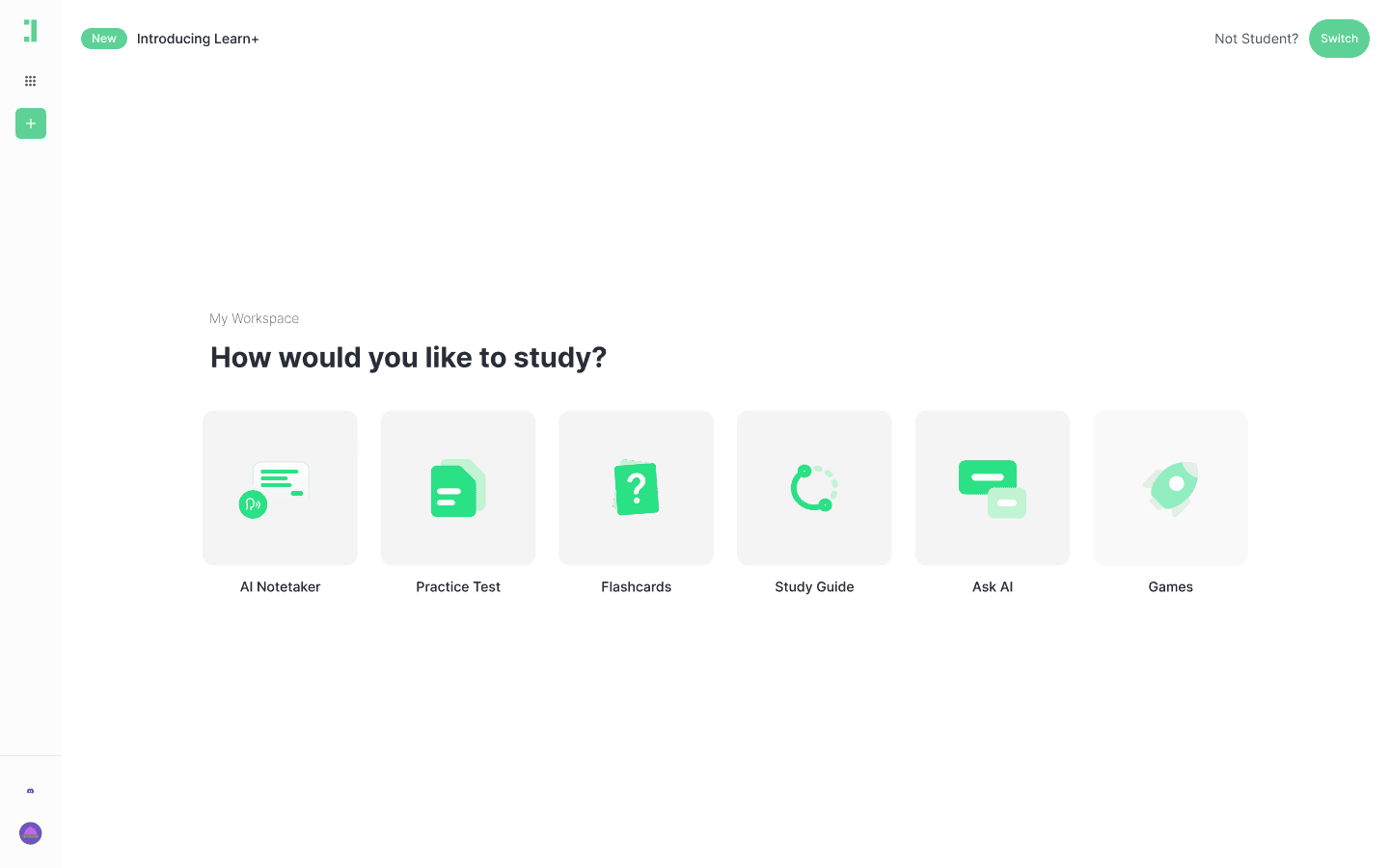
Generate Flashcards for Email Marketing
Turn your email marketing notes into flashcards instantly. Try out free AI generation today!
Generate Flashcards with AI Free
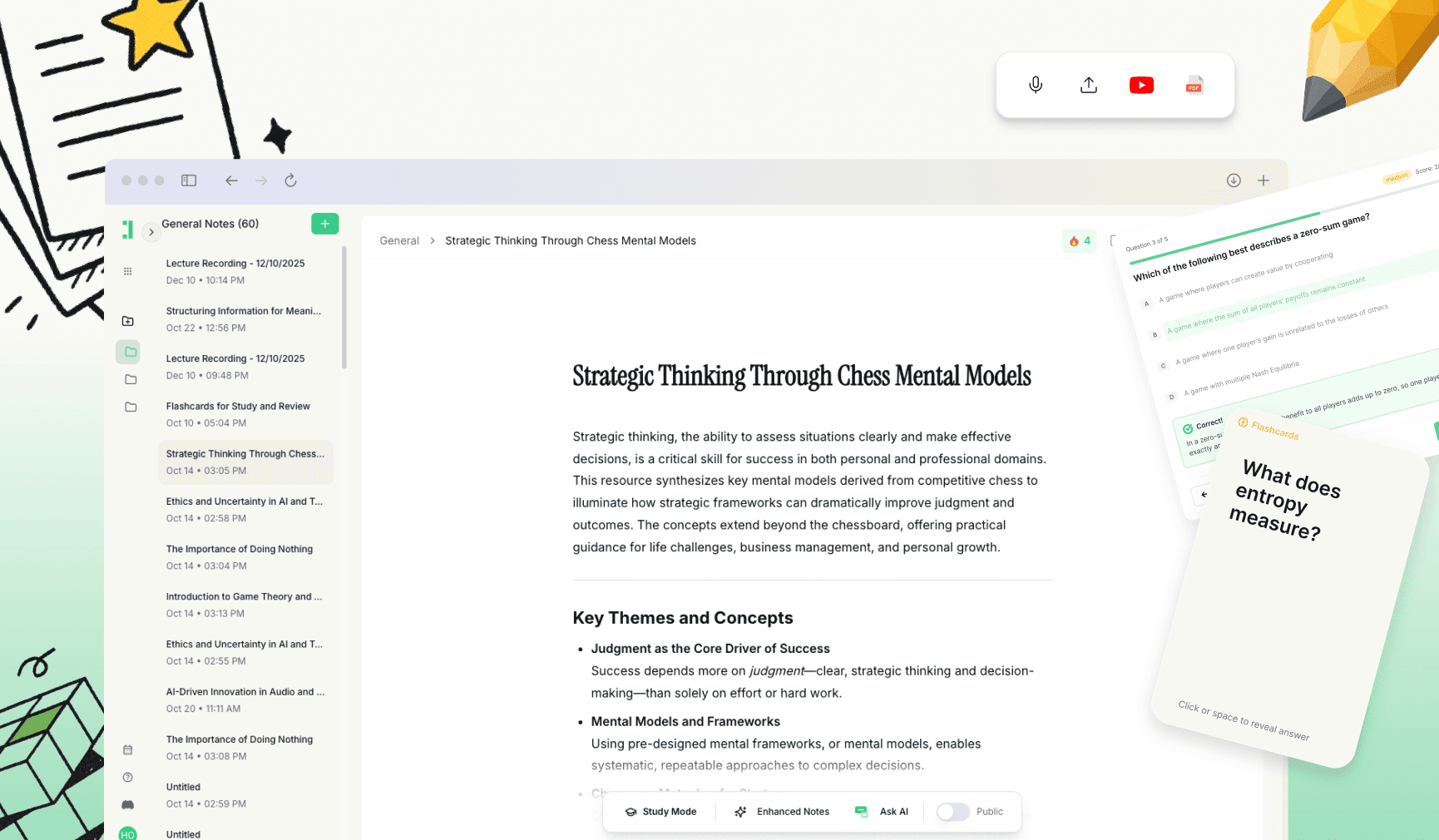
Generate Flashcards for Email Marketing
Turn your notes, PDFs, slides, or lectures into Email Marketing flashcards so you can review faster and remember more. Whether you are studying for a certification or prepping for a campaign, active recall is the key to mastering digital marketing.
Generate Email Marketing FlashcardsUpload notes / paste text
In Duetoday, the process is simple: upload your materials, our AI generates a custom deck, you review or edit the cards, and start studying immediately to lock in your knowledge.
What are Email Marketing flashcards?
Email Marketing flashcards are bite-sized study tools that cover essential industry terms, metrics, compliance laws, and strategic frameworks. They bridge the gap between theoretical knowledge and practical application by testing you on concepts like A/B testing, deliverability, and funnel optimization.
Instead of passively rereading your notes, flashcards force you into active recall. You test yourself on specific triggers and sequences, helping you build the mental shortcuts needed to succeed in a fast-paced marketing environment. If you already have notes, Duetoday can generate a clean deck in minutes.
Why flashcards work for Email Marketing
Email marketing involves a mix of technical jargon, legal regulations (like GDPR and CAN-SPAM), and creative strategy. Success requires memorizing specific formulas for ROI and understanding the nuances between different types of customer segments.
Flashcards utilize active recall and spaced repetition to ensure you don't forget the difference between a soft bounce and a hard bounce. By reviewing tough concepts more frequently, you move them from short-term memory to long-term mastery.
Remember technical jargon like SMTP, DKIM, and SPF without cramming.
Separate similar concepts such as double opt-in vs. single opt-in.
Learn campaign cycles from onboarding to re-engagement pathways.
Practice calculating key metrics like Open Rate and Click-to-Open Rate (CTOR) quickly.
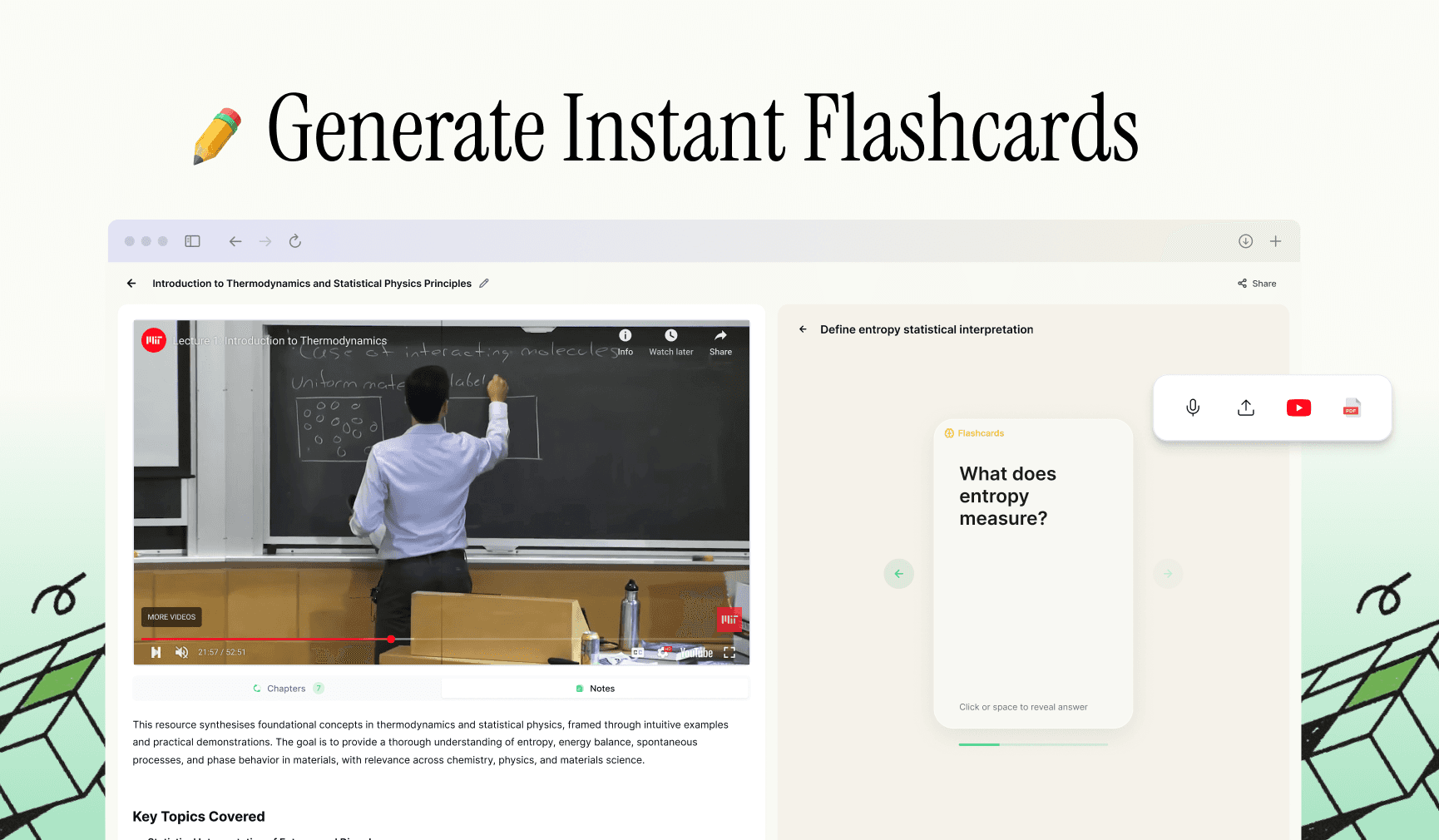
What to include in your Email Marketing flashcards
Effective flashcards follow the "atomicity principle"—one idea per card. This prevents "recognition bias" where you think you know the answer just because you recognize the surrounding text. Your cards should be question-based and challenging.
Focus on four main categories: definitions for foundational knowledge, processes for automation workflows, comparisons for strategic choices, and application for real-world scenarios.
Definitions: "What is a lead magnet?" or "Define List Hygiene."
Processes: "What are the three steps in an abandoned cart sequence?"
Comparisons: "How does a transactional email differ from a marketing email?"
Application: "Which metric would you analyze if open rates are high but conversions are low?"
How to study Email Marketing with flashcards
Don't just flip through cards once. Use a "two-pass" system where you build your deck and then refine it through multiple rounds of testing. This helps you identify blind spots in your marketing knowledge early on.
Make a deck from your marketing course notes or generate it from campaign briefs.
Do one quick round to flag the metrics or laws you find most confusing.
Review these weak cards daily to strengthen your recall.
Mix in difficult strategic cards with easier definition cards to keep your brain engaged.
Perform a final mixed review before your certification exam or client presentation.
Generate Email Marketing flashcards automatically in Duetoday
Creating flashcards manually is time-consuming and often feels like a chore. You spend more time writing the cards than actually studying the material. Duetoday automates the boring part so you can focus on learning.
Simply upload your PDFs, slides, or lecture transcripts into Duetoday. Our AI identifies the most important email marketing concepts and creates a professional study deck instantly.
Upload or paste your Email Marketing material.
Click "Generate Flashcards."
Review, edit, and start studying.
Common Email Marketing flashcard mistakes
Many students create cards that are essentially paragraphs. If a card takes more than 10 seconds to read, it’s too long. Split complex automation rules into multiple cards to ensure you are actually memorizing each step of the process.
Cards are too long: Keep it to one concept per card.
Only memorizing definitions: Add "why" and "how" to understand strategy.
Ignoring compliance: Ensure you have sections dedicated to legal requirements.
No consistency: Short, daily sessions beat one long cramming session.
FAQ
How many flashcards do I need for Email Marketing? Most foundational courses require 50–100 cards to cover metrics, strategy, and compliance.
What is the best format for Email Marketing flashcards? A mix of 'Question and Answer' for definitions and 'Scenario' cards for strategic application works best.
How often should I review my cards? Daily review is best for new concepts, moving to every few days once you feel confident.
Should I make cards from a textbook or slides? Use slides for high-level concepts and transcripts or textbooks for detailed legal and technical requirements.
How do I stop forgetting metrics? Use application cards that require you to calculate a metric based on a provided scenario.
What if my flashcards feel too easy? Increase the difficulty by adding 'Compare and Contrast' questions that force deeper thinking.
Can I generate cards from a PDF? Yes, Duetoday specializes in turning marketing PDFs and e-books into structured flashcard decks.
Are digital flashcards better than paper? Digital cards allow for better organization, AI generation, and mobile studying on the go.
How long does it take to create a deck? With Duetoday, you can generate a full deck from your notes in under sixty seconds.
Can Duetoday organize my cards? Absolutely, Duetoday categorizes your cards into decks so you can focus on one marketing topic at a time.

Duetoday is an AI-powered learning OS that turns your study materials into personalised, bite-sized study guides, cheat sheets, and active learning flows.