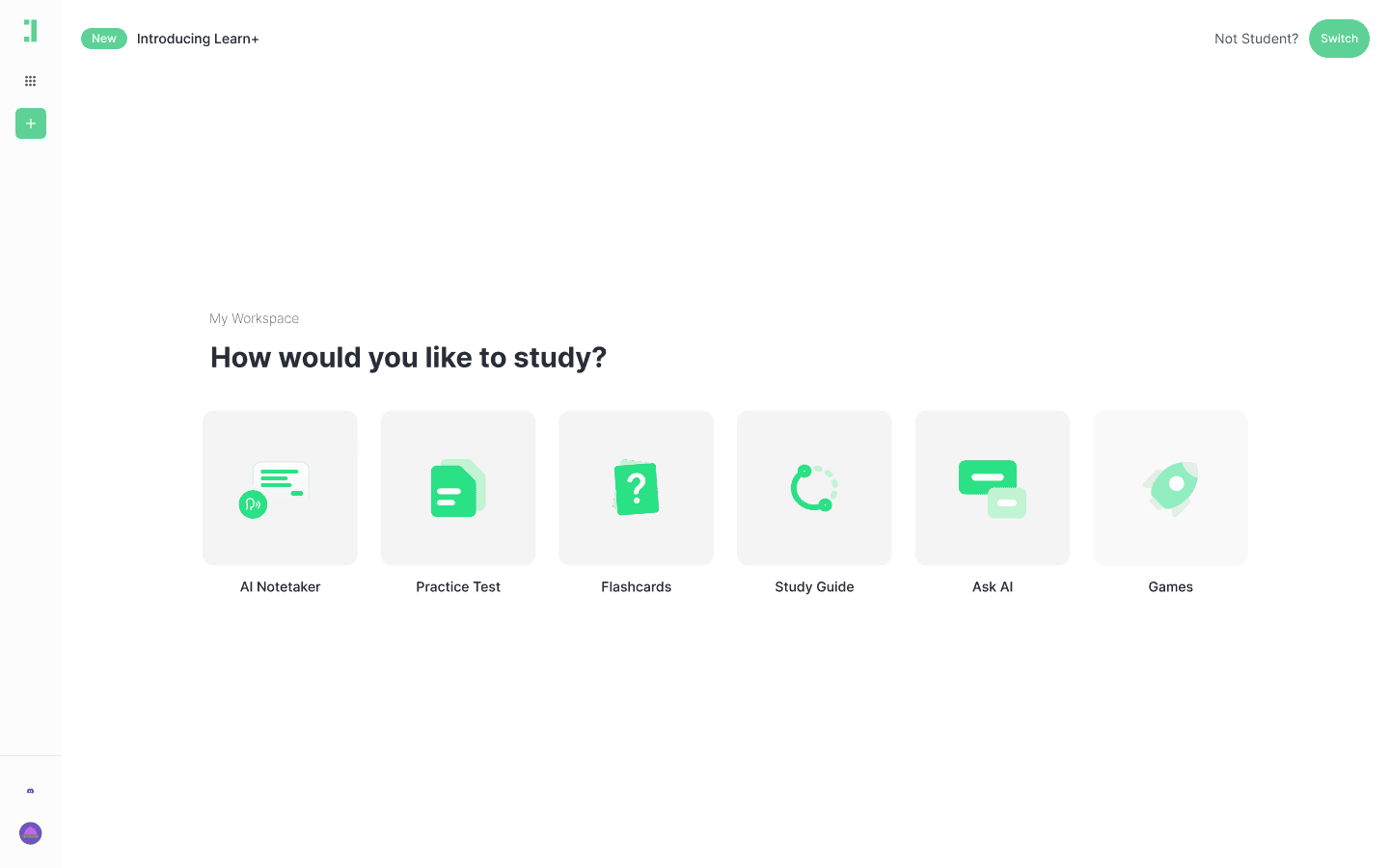
Generate Flashcards for DevOps Fundamentals
Make or generate DevOps Fundamentals flashcards from your notes to master CI/CD, Docker, and IT operations workflows.
Generate Flashcards with AI Free
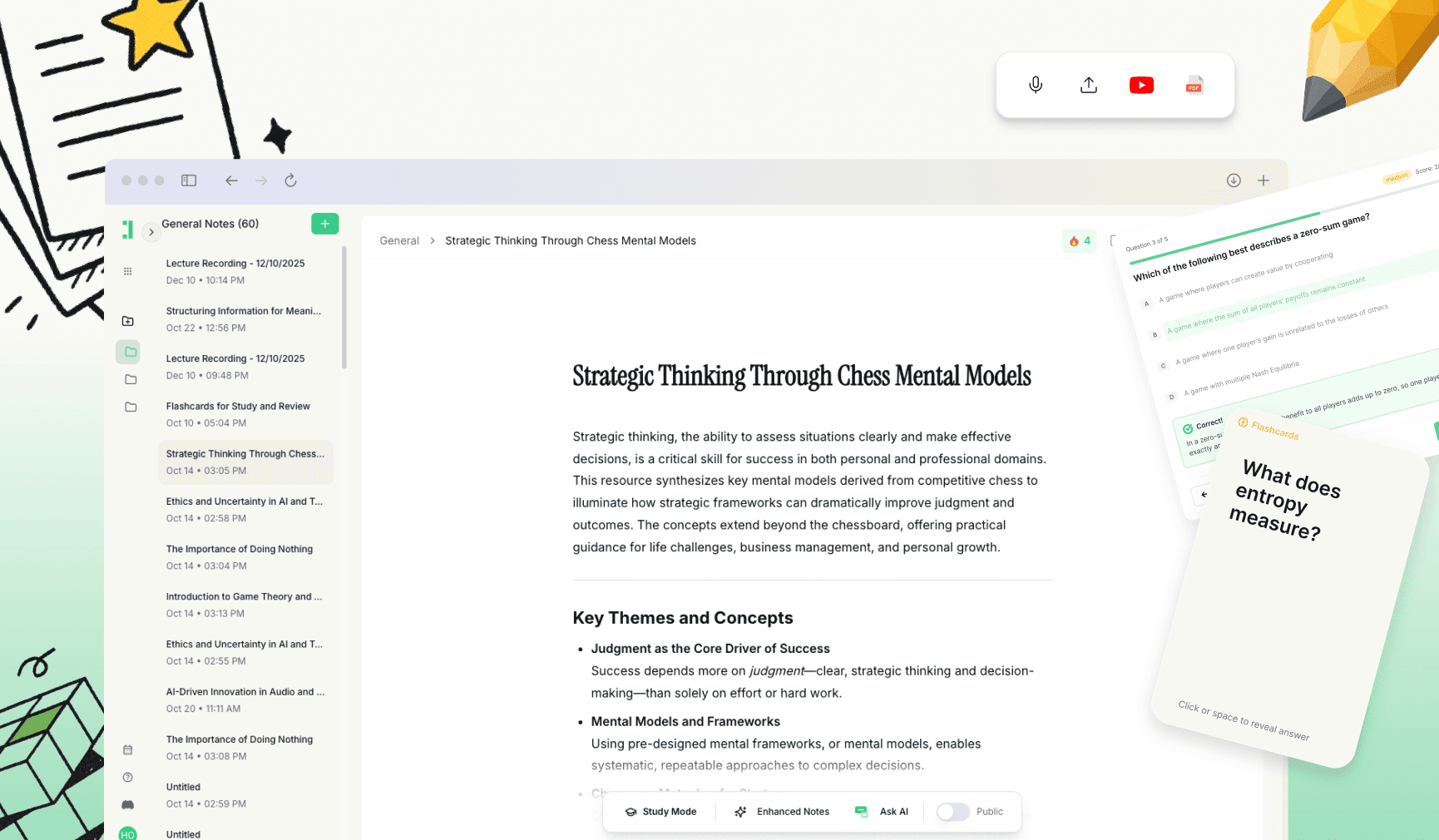
What are DevOps Fundamentals flashcards?
DevOps Fundamentals flashcards cover the core principles, tools, and methodologies that bridge the gap between software development and IT operations. These include key concepts like Continuous Integration/Continuous Deployment (CI/CD), infrastructure as code (IaC), containerization, and monitoring. Instead of getting lost in high-level theory, flashcards break down these complex workflows into digestible chunks.
The outcome is simple: instead of passively rereading documentation or watching hours of tutorials, you test your knowledge on specific commands, tool purposes, and cultural shifts. If you already have lecture notes or slides, Duetoday can generate a clean deck in minutes so you can focus on building rather than formatting.
Why flashcards are one of the best ways to study DevOps Fundamentals
Studying DevOps requires memorizing specific command-line arguments, tool-specific syntaxes, and the logical flow of automation pipelines. Flashcards leverage active recall, which is essential for remembering the nuances between different tools and stages of the lifecycle.
Remember key command-line tools and flags for Git, Docker, and Linux.
Separate similar concepts like Virtual Machines vs Containers.
Learn the stages of a CI/CD pipeline step-by-step.
Practice identifying which tool fits a specific Stage (e.g., Terraform vs Ansible).
What to include in your DevOps Fundamentals flashcards
Good DevOps flashcards follow the atomic rule: one idea per card. They should be question-based to force your brain to retrieve the information from memory. We recommend focusing on four main categories:
Definitions & Key Terms: Questions like What is Immutable Infrastructure? or Define the concept of Shift Left.
Processes & Steps: What are the four main benefits of a CI pipeline?
Comparisons: How is a Container different from a Pod?
Application: When would you use a Bash script versus a Configuration Management tool?
Try using these prompts: What flag is used to run a Docker container in detached mode?, What is the primary purpose of a Jenkinsfile?, or Describe the role of the Load Balancer in a high-availability architecture.
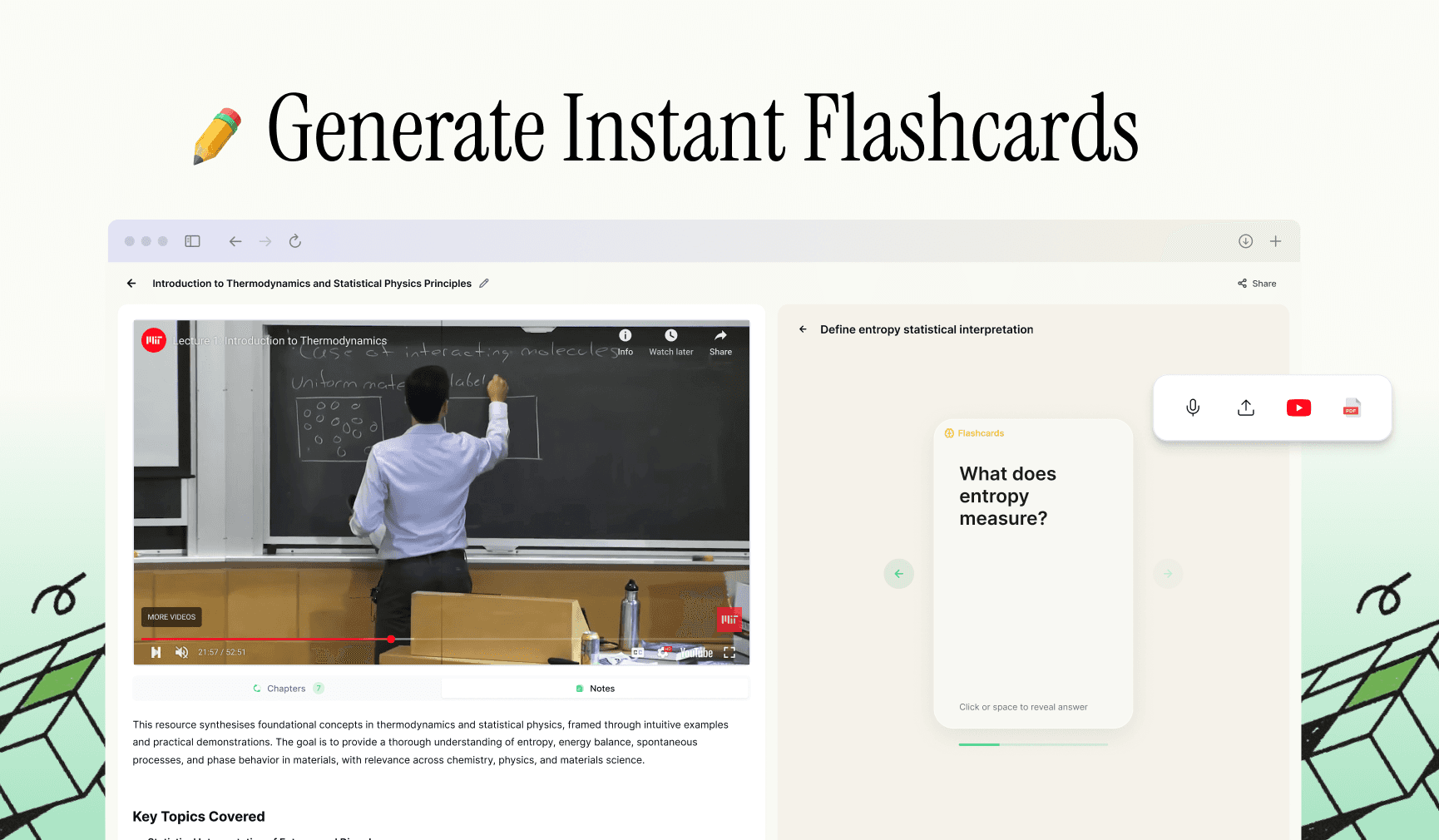
How to study DevOps Fundamentals with flashcards (a simple system)
The most effective way to master DevOps is through a two-pass approach. Start by creating your deck from your learning materials—whether it's an AWS whitepaper or a bootcamp slide deck—and then move into structured review rounds.
First, do a quick round to identify which commands or concepts you struggle with most. Review those specific weak cards daily for a few days until the syntax becomes muscle memory. Finally, do a mixed review of the entire deck before any certifications or technical interviews to ensure everything sticks.
Make a deck from your notes or generate it from your PDF content.
Do one quick round to find weak spots in tool knowledge.
Review weak cards daily for three to five days.
Mix in harder application scenarios each session.
Do a final mixed review of the entire lifecycle.
Generate DevOps Fundamentals flashcards automatically in Duetoday
Making flashcards manually is slow, especially when you have to copy-paste complex code snippets or architectural diagrams. It’s easy to get bogged down in the formatting rather than the learning.
Duetoday solves this by allowing you to upload your notes, PDFs, or lecture slides. Our AI identifies the most important DevOps concepts and generates flashcards instantly. You can then edit them for accuracy and start studying immediately.
Upload or paste your DevOps material (PDFs, transcripts, or notes).
Click Generate Flashcards.
Review, edit, and start your active recall session.
Common DevOps Fundamentals flashcard mistakes
Most students make cards that are essentially paragraphs. This leads to recognition rather than recall. Keep your cards short and focused to ensure you actually know the material.
Cards are too long: Split complex pipelines into one stage per card.
Only memorizing tool names: Add why and when prompts to understand the architecture.
Ignoring the cultural side: Make sure to include cards on DevOps culture and feedback loops.
No review schedule: Ensure you repeat the cards for tools you don't use daily.
FAQ
How many flashcards do I need for DevOps? Generally, a deck of 50-80 cards covers the core fundamentals including CI/CD, core tools, and basic Linux commands. Quality matters more than quantity.
What’s the best format for DevOps flashcards? Q&A format works best for commands, while Scenario-Action works best for choosing between different DevOps tools.
How often should I review DevOps flashcards? Aim for daily reviews for the first week, then transition to every 3-4 days as the concepts become more familiar.
Should I make cards from a textbook or documentation? Official documentation (like Docker or AWS docs) is usually the best source for technical accuracy, while lecture notes are better for high-level theory.
How do I stop forgetting DevOps commands? Regular review through flashcards combined with practical hands-on practice in a terminal is the fastest way to build long-term retention.
What if my flashcards feel too easy? Increase the difficulty by adding scenario-based questions like If a build fails at the staging step, where should you look first?
Can I generate DevOps flashcards from a PDF automatically? Yes, Duetoday allows you to upload any DevOps PDF and converts the key points into study-ready cards in seconds.
Are digital flashcards better than paper? For DevOps, digital is better because you can easily copy/paste code snippets and update cards as tool versions change.
How long does it take to make a full DevOps deck? Manually it can take hours; with Duetoday's AI generation, it takes less than a minute.
Can Duetoday organize my cards by tool? Yes, you can generate cards from specific files or notes to keep your Docker, Git, and Jenkins cards organized separately.

Duetoday is an AI-powered learning OS that turns your study materials into personalised, bite-sized study guides, cheat sheets, and active learning flows.