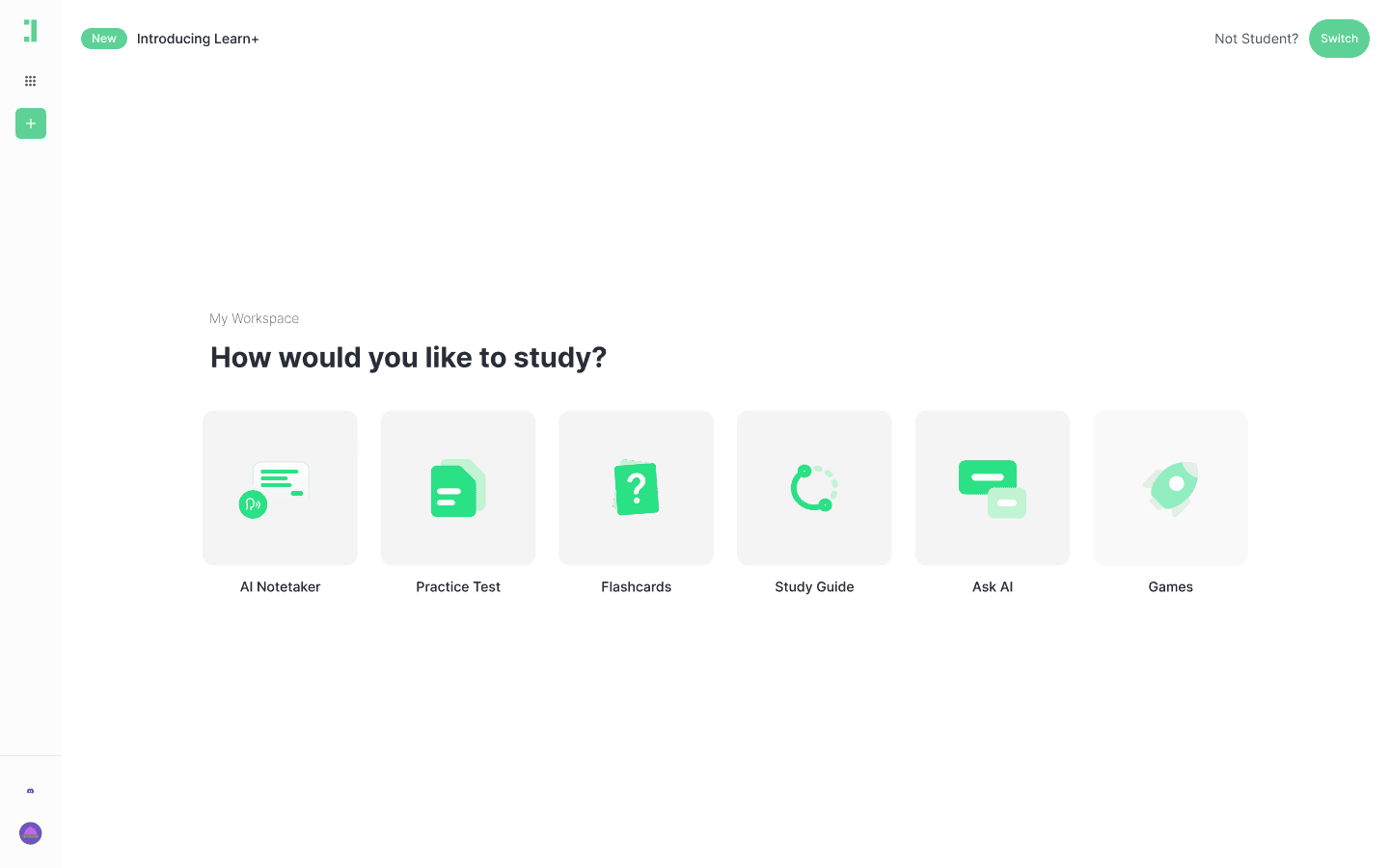
Generate Flashcards for Developmental Psychology
Make and generate Developmental Psychology flashcards. This guide explains how to use AI to master psychology subjects.
Generate Flashcards with AI Free
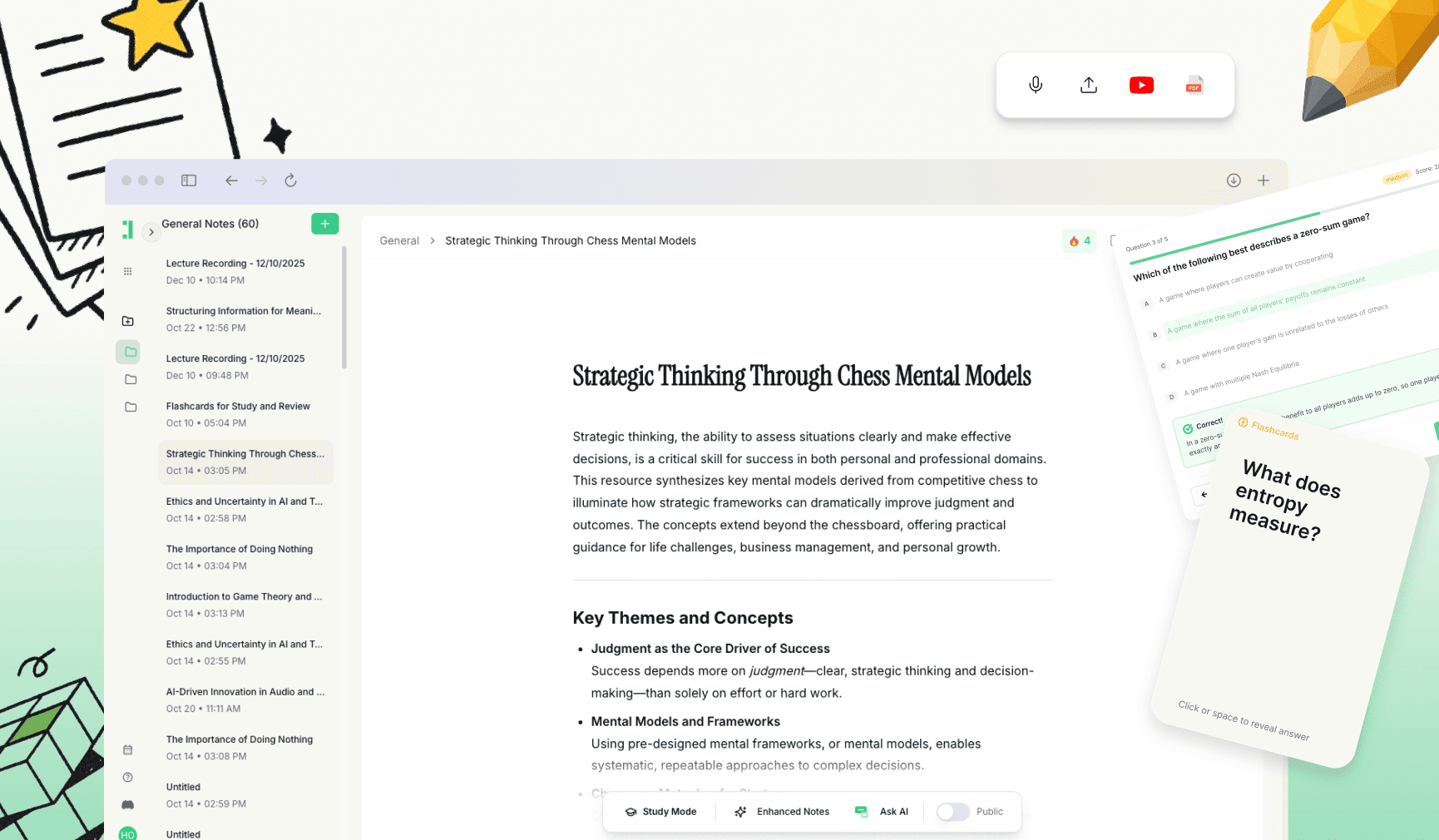
Generate Flashcards for Developmental Psychology
Turn your notes, PDFs, slides, or lectures into Developmental Psychology flashcards so you can review faster and remember more. Whether you are studying prenatal development or late adulthood, Duetoday helps you transform dense theories into bite-sized study tools.
Generate Developmental Psychology FlashcardsUpload notes / paste text
In Duetoday, the process is simple: upload your materials, generate your deck, review or edit the cards, and start your study session immediately.
What are Developmental Psychology flashcards?
Developmental Psychology flashcards cover the systematic changes that occur in human beings over the course of their life span. This includes key terms, developmental stages, cognitive formulas, and the cause-and-effect relationships between nature and nurture.
The outcome is a shift from passive reading to active testing. Instead of just looking at the stages of grief or cognitive development, you test your brain's ability to retrieve that information, which builds much stronger long-term recall.
If you already have lecture notes, Duetoday can generate a clean, organized deck in minutes.
Why flashcards work for Developmental Psychology
Developmental Psychology requires memorizing specific sequences, age ranges, and complex theoretical frameworks. Flashcards are ideal for this because they break down massive theories into manageable prompts.
By using active recall—forcing your brain to retrieve the answer before seeing it—and spaced repetition, you ensure that concepts like 'object permanence' or 'identity vs. role confusion' stick for the final exam and beyond.
Remember key developmental milestones without cramming
Separate similar concepts (e.g., Assimilation vs. Accommodation)
Learn processes step-by-step (stages of prenatal development or moral reasoning)
Practice applying psychological theories to real-world scenarios
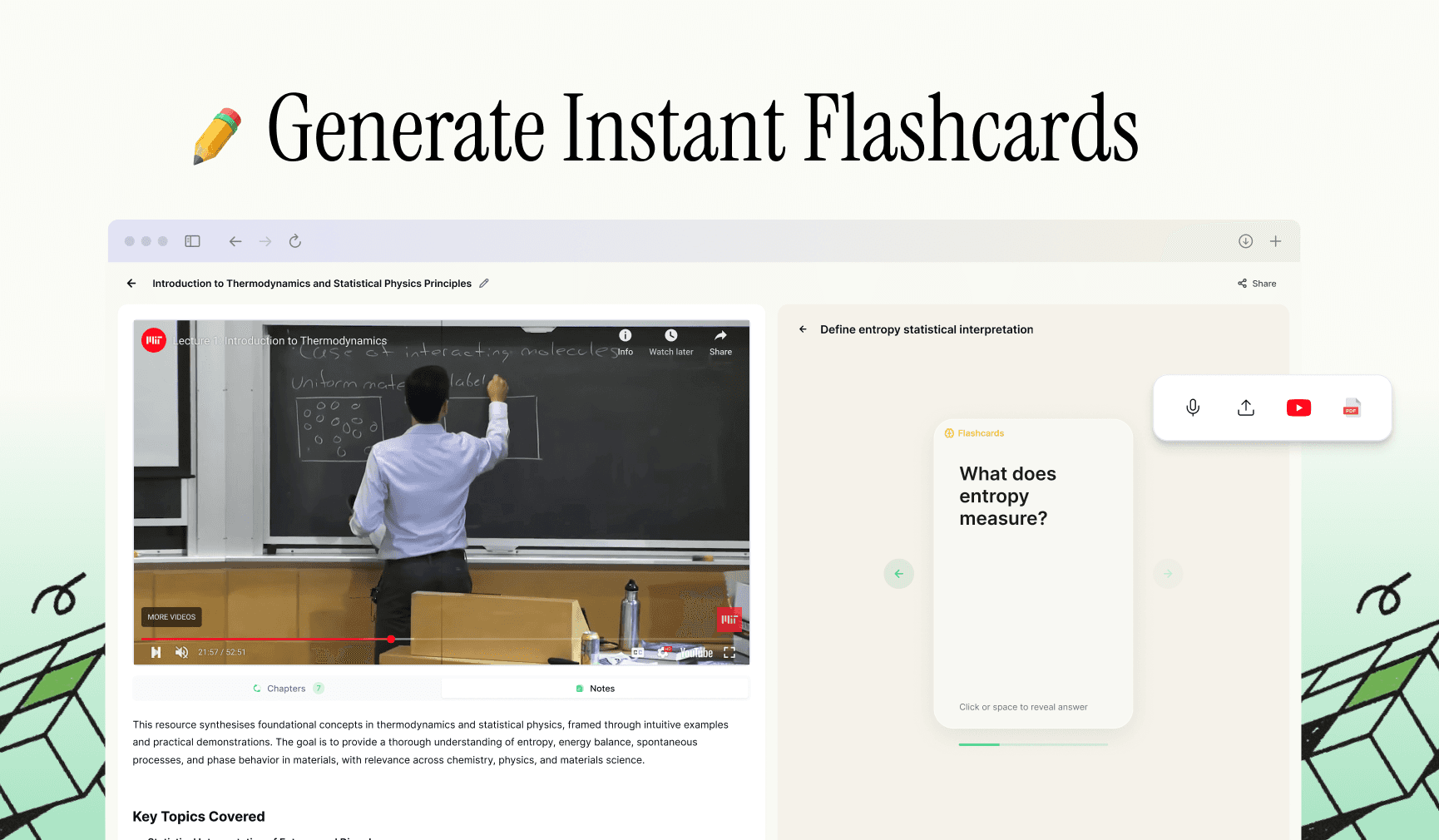
What to include in your Developmental Psychology flashcards
Good flashcards follow the 'atomic' rule: one idea per card. When studying psychology, you should focus on question-based prompts rather than just copying definitions.
Definitions & key terms: What is the zone of proximal development?
Processes & steps: What are the four stages of Piaget's cognitive development?
Comparisons: How does longitudinal research differ from cross-sectional research?
Application: According to Erikson, what conflict is a toddler likely facing?
Example prompts: Who proposed the ecological systems theory?, Define teratogens and give an example, What age range is the 'concrete operational' stage?
How to study Developmental Psychology with flashcards
We recommend a two-pass approach. First, build your deck from your notes to organize the material. Then, review it in rounds, focusing heavily on the cards you get wrong.
Make a deck from your textbook or lecture transcripts.
Do one quick round to identify which theories (like Freud or Kohlberg) are confusing.
Review these weak cards daily for five days.
Mix in easier cards periodically to keep them fresh.
Do a final mixed-category review before your exam.
Generate Developmental Psychology flashcards automatically
Making cards manually is slow and often leads to bulky, hard-to-read cards. Duetoday automates the tedious work so you can spend your time actually learning.
Upload your PDF slides or paste your research notes.
Click Generate Flashcards.
Review the AI-generated deck and start studying.
Generate Developmental Psychology Flashcards in Duetoday
Start with your notes and get a deck you can actually use today.
Common Developmental Psychology flashcard mistakes
Avoid making cards that are essentially paragraphs. If a card is too long, split it into two. Don't just memorize the name of a theorist; include cards that ask you to explain the 'why' behind their theory. Lastly, don't ignore the 'nature vs. nurture' application—ensure you have cards that ask you to apply rules to specific developmental scenarios.
Ready to generate your Developmental Psychology flashcards?
Stop rereading your chapters and start recalling the facts. Upload your material and get a study-ready deck in seconds.
Start Generating Flashcards
Works with notes, PDFs, slides, and transcripts.
FAQ
How many flashcards do I need for Developmental Psychology? Most students find that 100-150 cards per major unit provide enough coverage without being overwhelming.
What’s the best format for these flashcards? A question-on-front, answer-on-back format works best, especially for stage-based theories and definitions.
How often should I review? Aim for daily reviews of new or difficult cards, and weekly reviews for concepts you have already mastered.
Should I make cards from a textbook or slides? Use both. Textbooks provide the depth for definitions, while slides highlight what your professor thinks is most important.
How do I stop forgetting the different stages? Use comparison cards that force you to explain the difference between two similar stages, like 'Preoperational' vs 'Concrete Operational.'
What if my flashcards feel too easy? If they are too easy, you may be using too many context clues. Try removing hints from the front of the card.
Can I generate Developmental Psychology flashcards from a PDF? Yes, Duetoday is designed to intake PDFs and extract the most relevant psychological terms automatically.
Are digital flashcards better than paper? Digital cards allow for easier organization and the use of algorithms that show you hard cards more frequently.
How long does it take to make a full deck? With AI generation, it takes less than a minute. Manually, it could take several hours.
Can Duetoday organize my flashcards by topic? Yes, you can categorize your decks by specific chapters like 'Social Development' or 'Cognitive Growth.'

Duetoday is an AI-powered learning OS that turns your study materials into personalised, bite-sized study guides, cheat sheets, and active learning flows.