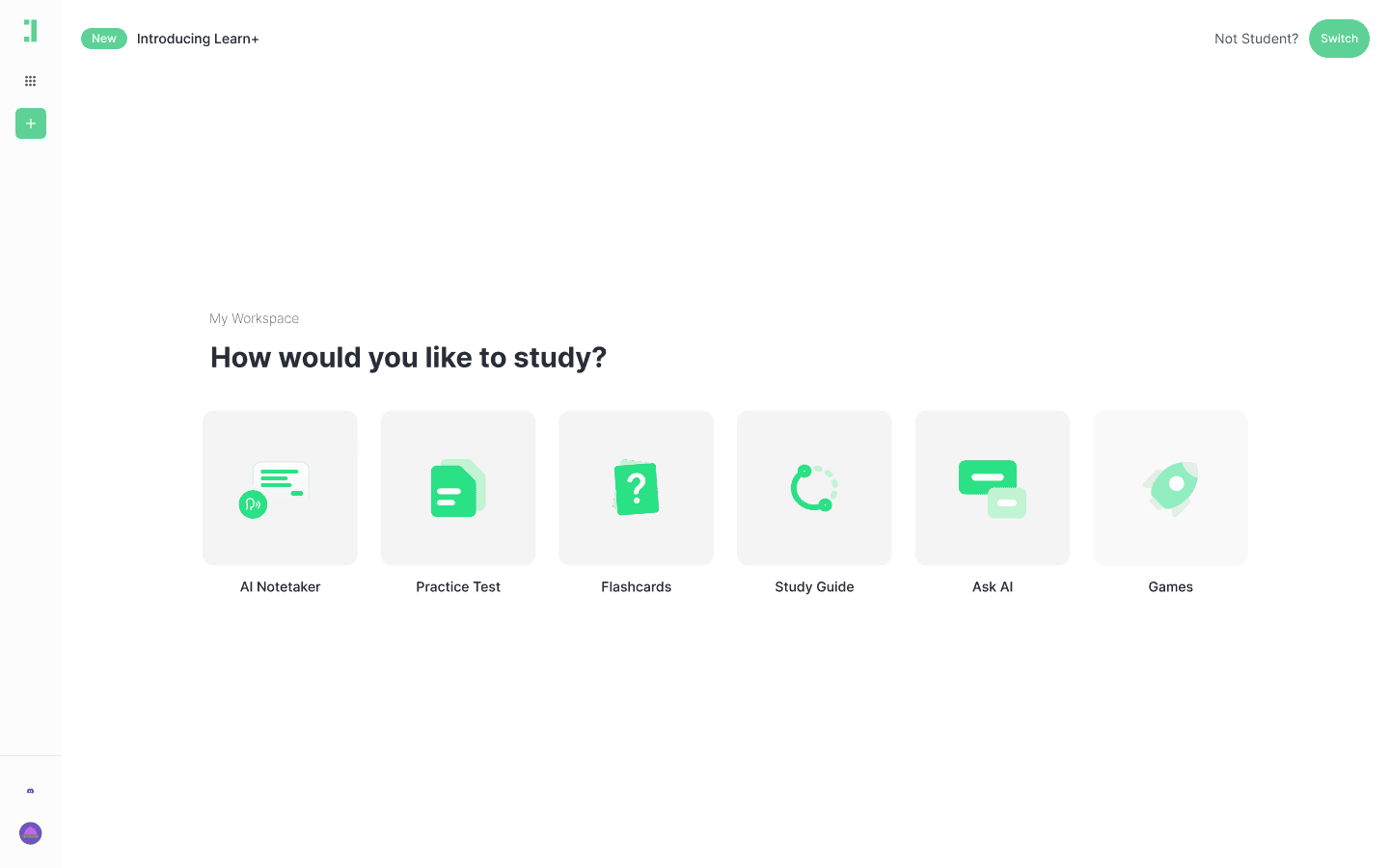
Generate Flashcards for Development Economics
Make Development Economics flashcards to master growth models and global poverty theories using our AI study guide.
Generate Flashcards with AI Free
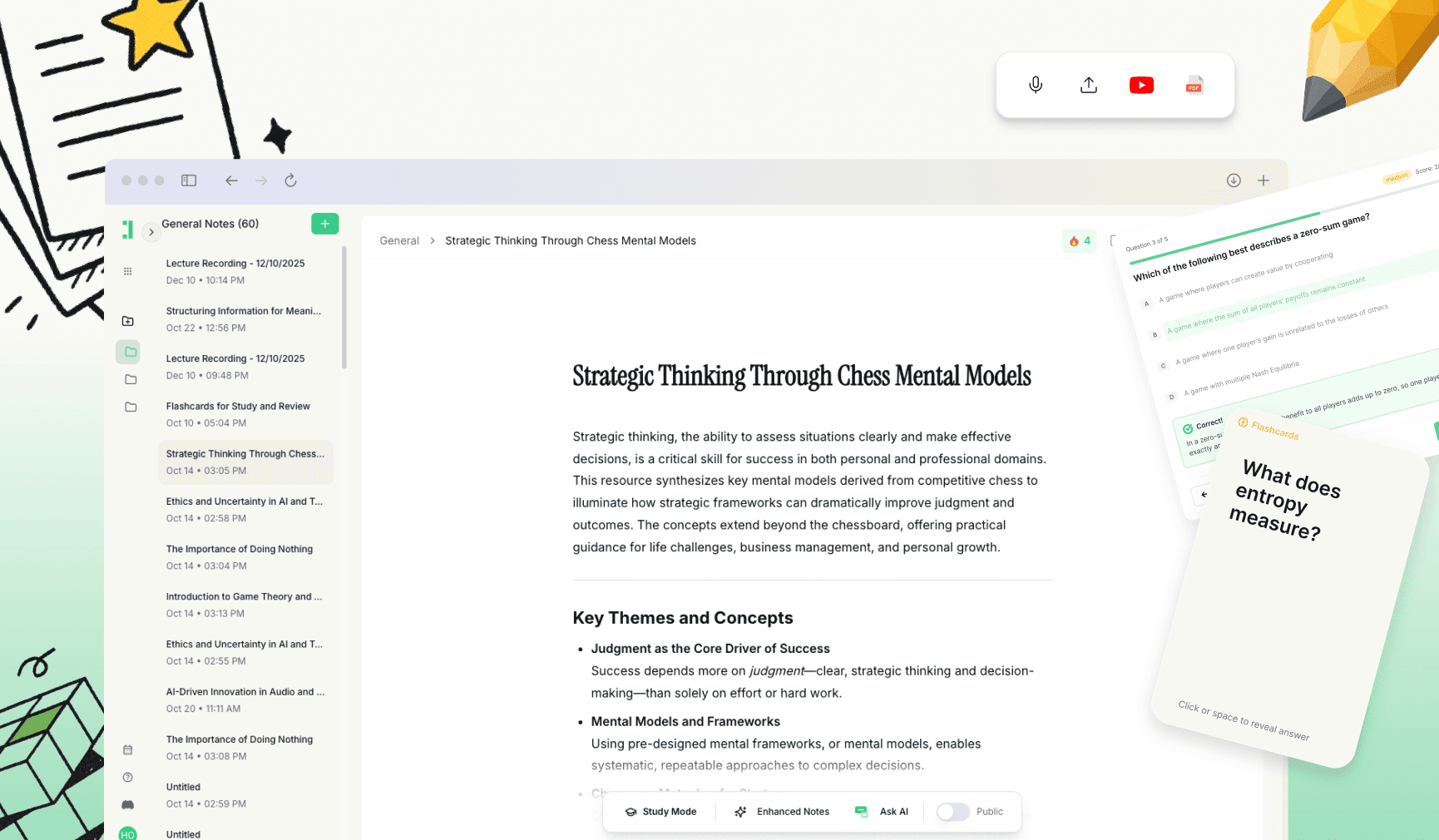
What are Development Economics flashcards?
Development Economics flashcards are specialized study tools designed to help you master the complex theories, demographic trends, and economic models used to understand why some nations prosper while others struggle. These cards cover everything from the Harrod-Domar growth model to the Human Development Index (HDI) and microfinance principles.
Instead of passively rereading dense textbooks or development reports, flashcards force you to engage in active recall. By testing your knowledge on specific indicators like Gini coefficients or structural change models, you build the cognitive pathways necessary to retrieve this information during exams or policy analysis. If you already have lecture notes or research papers, Duetoday can generate a clean, organized deck in minutes.
Why flashcards are one of the best ways to study Development Economics
Development Economics requires a unique mix of mathematical modeling, historical context, and qualitative analysis. Flashcards are ideal for this subject because they break down high-level theories into digestible, testable units. They leverage spaced repetition, ensuring you spend more time on difficult concepts like Solow residuals and less time on things you’ve already mastered.
Remember key terms like 'poverty trap' and 'Dutch disease' without cramming.
Separate similar concepts, such as economic growth versus economic development.
Learn processes step-by-step, including stages of industrialization and demographic transitions.
Practice applying formulas like the dependency ratio or inflation-adjusted GDP quickly.
What to include in your Development Economics flashcards
The most effective Development Economics flashcards follow the 'atomic' rule: one specific idea per card. This prevents your brain from getting overwhelmed by complex global issues and focuses on the core mechanics of economic theory.
Definitions & Key Terms: What is the Lorenz Curve? or Define the Gini Coefficient in one sentence.
Processes & Steps: What are the four stages of the Demographic Transition Model?
Comparisons: How does the Lewis Model differ from the Harris-Todaro Model?
Application: If a country's savings rate increases, what happens according to the Harrod-Domar model?
Example prompts for your deck include: 'What determines the 'steady state' in the Solow-Swan model?', 'Define Purchasing Power Parity (PPP)', and 'List the components of the Multidimensional Poverty Index (MPI)'.
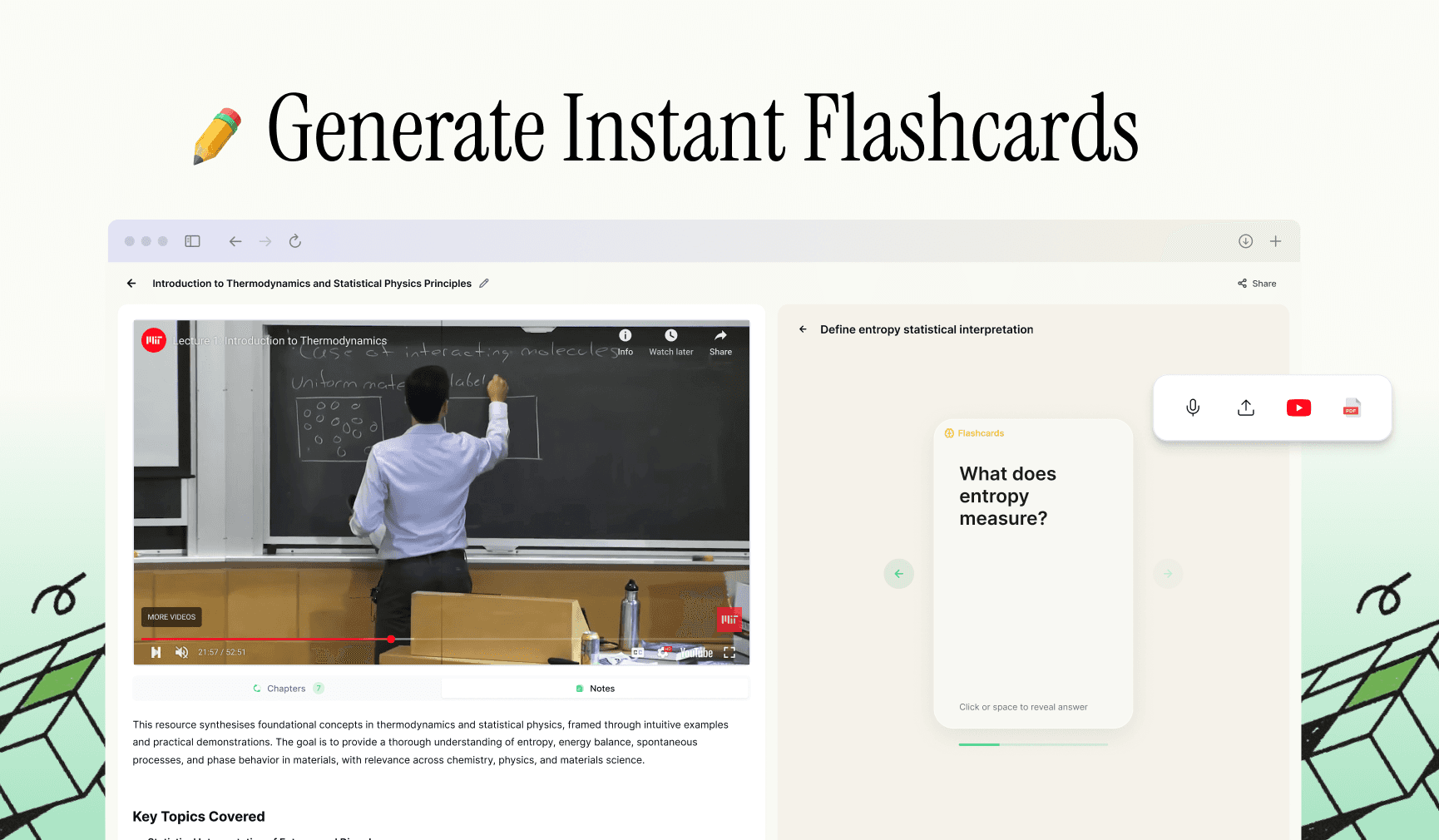
How to study Development Economics with flashcards
To master this subject, use a two-pass approach. First, build your deck using your course materials to ensure all definitions and models are covered. Second, review in rounds, moving from basic terminology to complex policy applications. This method ensures you don't just memorize words, but understand the underlying economic logic.
Make a deck from your notes or generate it automatically from a PDF in Duetoday.
Do one quick round to identify weak spots, like confusing different growth theories.
Review weak cards daily for a few days until the concepts stick.
Mix in harder application cards, such as interpreting specific economic data sets.
Do a final mixed review before your midterm or final exam.
Generate Development Economics flashcards automatically in Duetoday
Making cards manually for a subject as broad as Development Economics is slow and exhausting. You often spend more time writing the cards than actually studying them. Duetoday solves this by automating the creation process, allowing you to focus on learning.
Simply upload your lecture slides, textbook chapters, or research papers, and Duetoday's AI will identify the most important concepts and turn them into high-quality flashcards. You can then edit them to add personal insights or start studying immediately with our built-in review system.
Upload or paste your Development Economics materials.
Click Generate Flashcards.
Review, edit, and start studying immediately.
Common Development Economics flashcard mistakes
Many students create cards that are too wordy or focus on the wrong details. Avoid these pitfalls to see better results:
Cards are too long: Don't put an entire theory on one card; split it into its core assumptions and outcomes.
Only memorizing words: Ensure you include cards that ask why a certain economic trend occurs.
Confusing similar models: Create specific comparison cards for different growth theories.
Ignoring data metrics: Include cards that require you to interpret HDI or GNI figures.
Ready to generate your Development Economics flashcards?
Stop wasting time on manual data entry and start mastering the complexities of global development. Upload your notes today and let Duetoday build your perfect study deck.
FAQ
How many flashcards do I need for Development Economics? A typical semester-long course usually requires between 150 to 300 cards to cover all theories, definitions, and formulas effectively.
What’s the best format for these flashcards? Question-and-answer format is best for theories, while 'fill-in-the-blank' works well for remembering specific economic formulas or indices.
How often should I review my cards? Aim for short 15-minute sessions daily. Spaced repetition is more effective than one long session per week.
Should I make cards from a textbook or slides? Use both. Textbooks provide depth for theories like the Solow model, while slides often highlight the specific metrics your professor cares about.
How do I stop forgetting models after a few days? Use the Duetoday spaced repetition algorithm, which resurfaces difficult cards right before you are likely to forget them.
Can I generate flashcards from a PDF automatically? Yes, Duetoday allows you to upload any Development Economics PDF and converts the text into structured flashcards instantly.
Are digital flashcards better than paper? Yes, digital cards offer better organization, the ability to search your deck, and automated scheduling for review.
How long does it take to make a full deck? Manually, it can take hours. With Duetoday, you can generate a comprehensive deck in under a minute.

Duetoday is an AI-powered learning OS that turns your study materials into personalised, bite-sized study guides, cheat sheets, and active learning flows.