Generate Flashcards for Database Systems
Generate or make Database Systems flashcards to master SQL, normalization, and DBMS architecture in this expert guide.
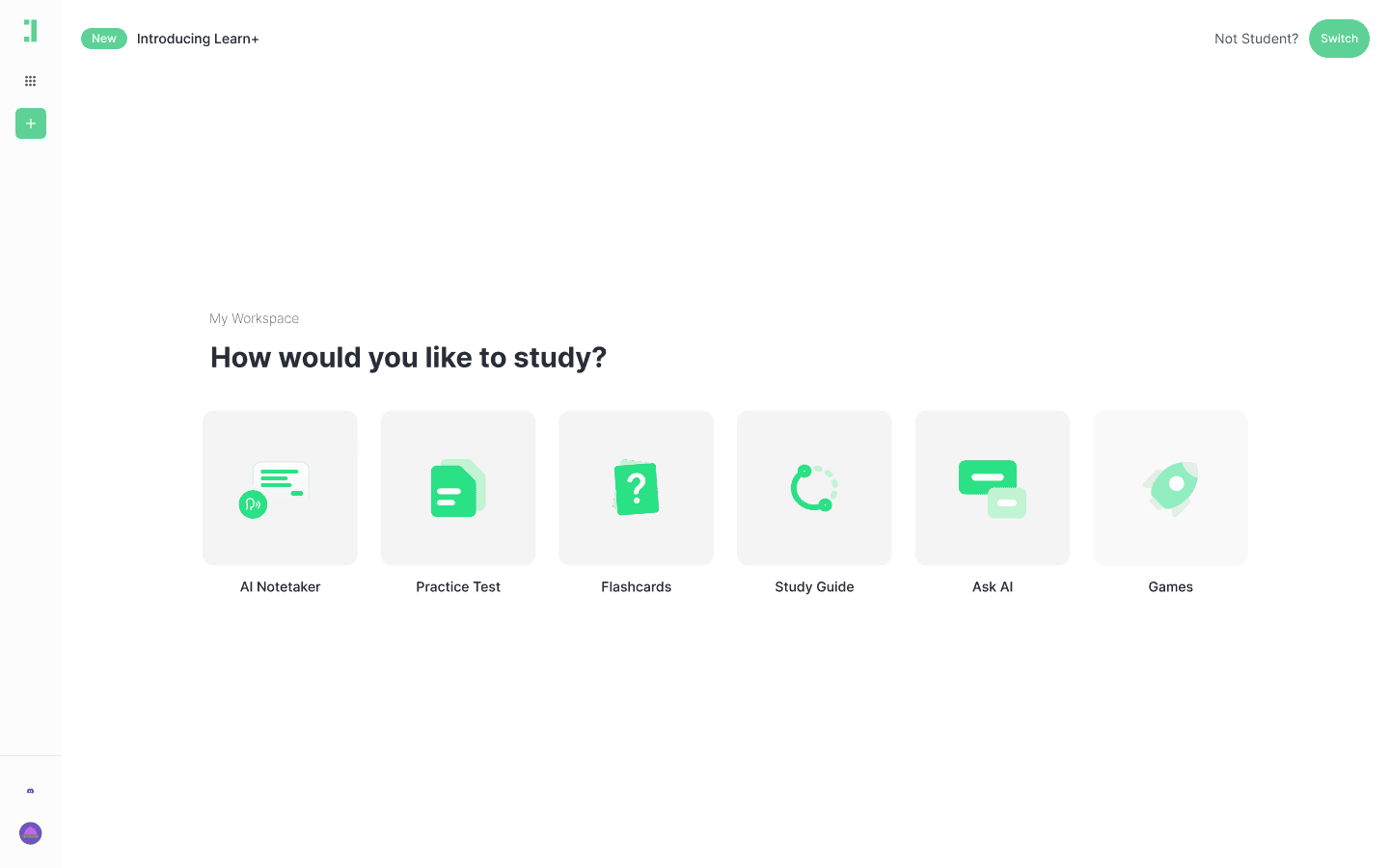
Generate Flashcards with AI Free
Generate Flashcards for Database Systems
Turn your notes, PDFs, slides, or lectures into Database Systems flashcards so you can review faster and remember more. Whether you are mastering SQL syntax or normalization forms, Duetoday helps you convert complex technical documentation into bite-sized study units.
Primary: Generate Database Systems Flashcards
Secondary: Upload notes / paste text
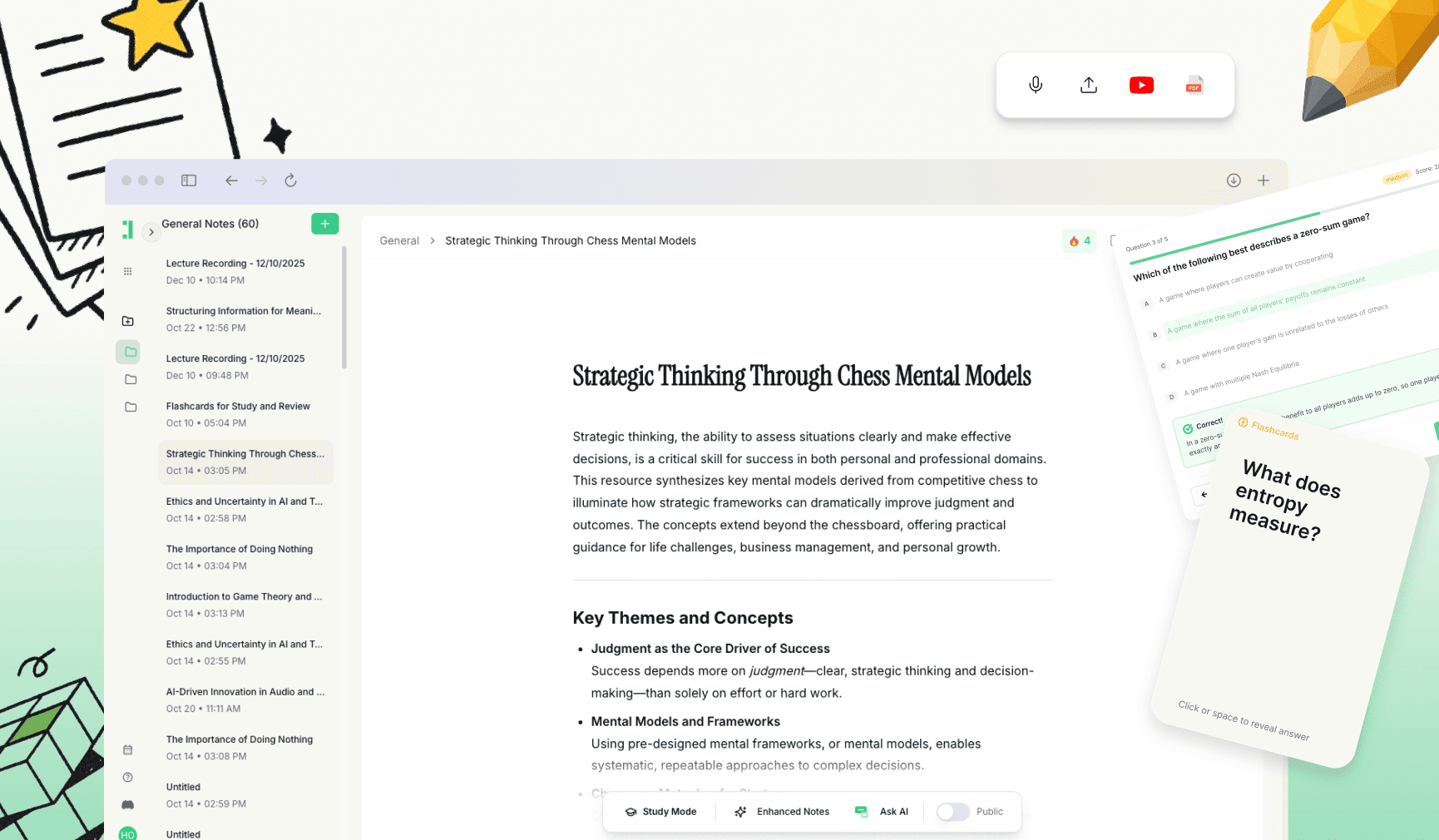
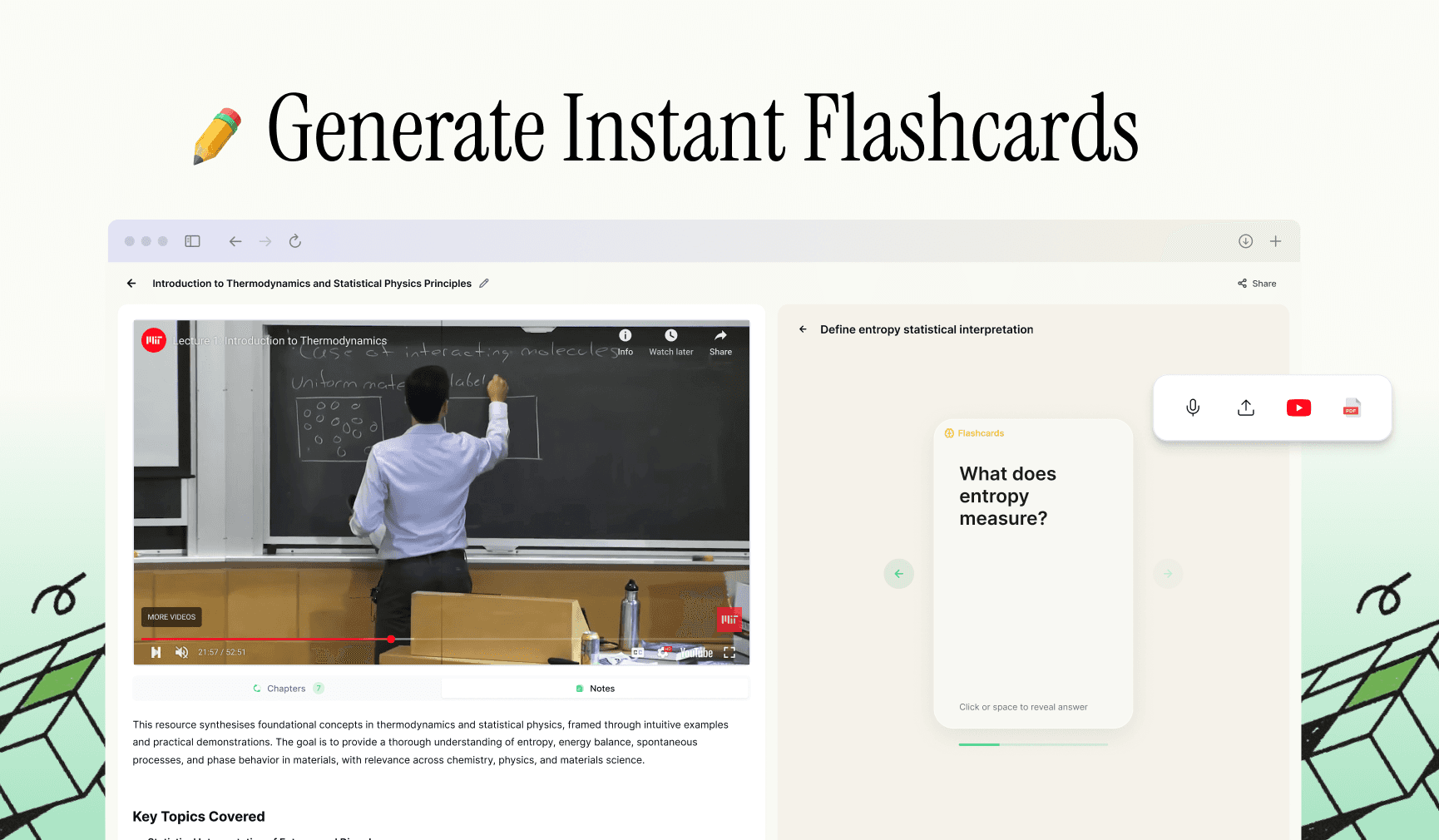
Once you upload your material to Duetoday, our AI analyzes the technical concepts, generates a structured deck, and lets you review or edit them before you start your active recall session.
What are Database Systems flashcards?
Database Systems flashcards cover the foundational and advanced concepts of data management, including relational algebra, SQL commands, indexing, and transaction management. They translate dense technical definitions into quick-fire questions that test your understanding of how data is stored and retrieved.
The outcome is simple: instead of rereading chapters on ACID properties or ER diagrams, you test yourself quickly and build long-term recall. If you already have notes, Duetoday can generate a clean deck in minutes.
Why flashcards work for Database Systems
Database Systems require a mix of rote memorization for syntax and deep conceptual understanding of logic and relationships. Flashcards bridge this gap by forcing you to recall rules and structures without looking at the answer.
Remember SQL syntax and keywords without cramming
Separate similar concepts (e.g., DDL vs. DML)
Learn normalization steps (1NF, 2NF, 3NF, BCNF) in sequence
Practice applying join logic and query optimization rules
What to include in your Database Systems flashcards
Good database flashcards follow the one idea per card rule. They should focus on clarity and specific outcomes rather than broad, vague descriptions.
Definitions & key terms: What is a primary key? Define a view in one sentence.
Processes & steps: What is the first step in converting 1NF to 2NF?
Comparisons: How is a clustered index different from a non-clustered index?
Application: What happens if a transaction fails mid-way? Write a basic inner join syntax.
How to study Database Systems with flashcards
Use a two-pass approach: first, generate your deck from your SQL notes or textbooks, then review in rounds to identify which concepts (like Joins or Triggers) are tripping you up.
Make a deck from your notes (or generate it from content).
Do one quick round to find weak spots in your query logic.
Review weak cards daily for a few days to build muscle memory for syntax.
Mix in harder schema design cards each session.
Do a final mixed review before your lab exams or certification tests.
Generate Database Systems flashcards automatically in Duetoday
Making cards manually for databases is slow and messy—especially when trying to format SQL code blocks or ER diagrams. Duetoday automates this so you can focus on the logic, not the typing.
Upload or paste your Database Systems material.
Click Generate Flashcards.
Review, edit, and start studying instantly.
Common Database Systems flashcard mistakes
Cards are too long: Don't paste entire SQL queries; focus on specific clauses.
Only memorizing words: You must add explain why prompts for normalization.
Confusing similar concepts: Create specific comparison cards for Inner vs Outer joins.
No application practice: Ensure you include cards that ask you to predict a query result.
FAQ
How many flashcards do I need for Database Systems? Usually 50-100 cards cover the core fundamentals of a standard university-level DBMS course.
What’s the best format for Database Systems flashcards? Question-and-answer format works best for SQL syntax, while visual descriptions are better for ER modeling.
How often should I review Database Systems flashcards? Daily for the first week to lock in syntax, then every few days to maintain conceptual understanding of architecture.
Should I make cards from a textbook or lecture notes? Use lecture notes for exam-specific terms and textbooks for deep technical definitions.
How do I stop forgetting SQL syntax after a few days? Consistent active recall using flashcards is more effective than just writing code once and moving on.
What if my flashcards feel too easy or too hard? Refine the cards; if a card is too hard, split it into two smaller, more specific questions.
Can I generate Database Systems flashcards from a PDF automatically? Yes, Duetoday can parse your PDF slides and turn them into a study-ready deck in seconds.
Are digital flashcards better than paper for Database Systems? Digital is better because you can easily paste code snippets and update cards as you learn more efficient query methods.
How long does it take to make a full Database Systems deck? With Duetoday, it takes less than a minute to generate a deck that would take hours to write by hand.
Can Duetoday generate and organize my flashcards for me? Yes, Duetoday categorizes and structures your material into a logical learning flow automatically.

Duetoday is an AI-powered learning OS that turns your study materials into personalised, bite-sized study guides, cheat sheets, and active learning flows.