Generate Flashcards for Cybersecurity Fundamentals
Make Cybersecurity Fundamentals flashcards to study the CIA triad, network security, and encryption using AI-powered active recall.
Generate Flashcards with AI Free
What are Cybersecurity Fundamentals flashcards?
Cybersecurity Fundamentals flashcards cover the essential building blocks of digital security, including the CIA triad (Confidentiality, Integrity, Availability), common threat vectors like phishing and malware, and foundational defense mechanisms seperti firewalls and encryption. Instead of just reading about security protocols, these cards force you to recall the specific differences between symmetric and asymmetric encryption or identify which pillar of security is breached in a specific scenario.
The goal is to shift from passive reading to active testing. By using flashcards, you ensure that high-level concepts like 'Social Engineering' or 'Zero Trust' are broken down into digestible, testable facts that you can recall under pressure. If you already have lecture notes or a security handbook, Duetoday can generate a clean deck in minutes.
Why flashcards are one of the best ways to study Cybersecurity Fundamentals
Cybersecurity is a field filled with acronyms, specific protocols, and complex relationships between threats and defenses. Flashcards are perfect because they help you isolate specific terms and force your brain to retrieve the definition without looking at a textbook. This building of neural pathways is exactly how experts move from 'knowing' a term to 'applying' it in a real-world environment.
Remember key terms like AES, RSA, and TLS without cramming
Separate similar concepts such as IDS vs. IPS or Salting vs. Hashing
Learn security processes step-by-step like the Incident Response lifecycle
Practice applying security rules and compliance standards quickly
What to include in your Cybersecurity Fundamentals flashcards
Effective cybersecurity cards focus on 'one idea per card' to avoid cognitive overload. You want to move beyond simple definitions and into the 'how' and 'why' of security operations. Use a mix of question types to challenge your understanding of both theory and practice.
Definitions & Key Terms: What is the main goal of the CIA Triad?
Processes & Steps: What is the first step in the risk management process?
Comparisons: How does a Phishing attack differ from a Vishing attack?
Application: Which security control is used to prevent a SQL injection?
Example prompts include: Define Least Privilege, What are the three factors of MFA?, Identify the layers of the OSI model, and Explain the difference between a vulnerability and a threat.

How to study Cybersecurity Fundamentals with flashcards
The most effective way to master security basics is the 'two-pass' approach. First, generate your deck from your syllabus or notes and do a broad pass to see which concepts (like networking vs. cryptography) are your weakest. Then, move into targeted study sessions where you focus specifically on those gaps.
Make a deck from your security notes or generate it from your PDF textbooks.
Do one quick round to identify which protocols or threats trip you up.
Review weak cards daily to commit port numbers and definitions to long-term memory.
Mix in harder application scenarios once you master the definitions.
Do a final mixed review of all domains before your exam or certification test.
Generate Cybersecurity Fundamentals flashcards automatically
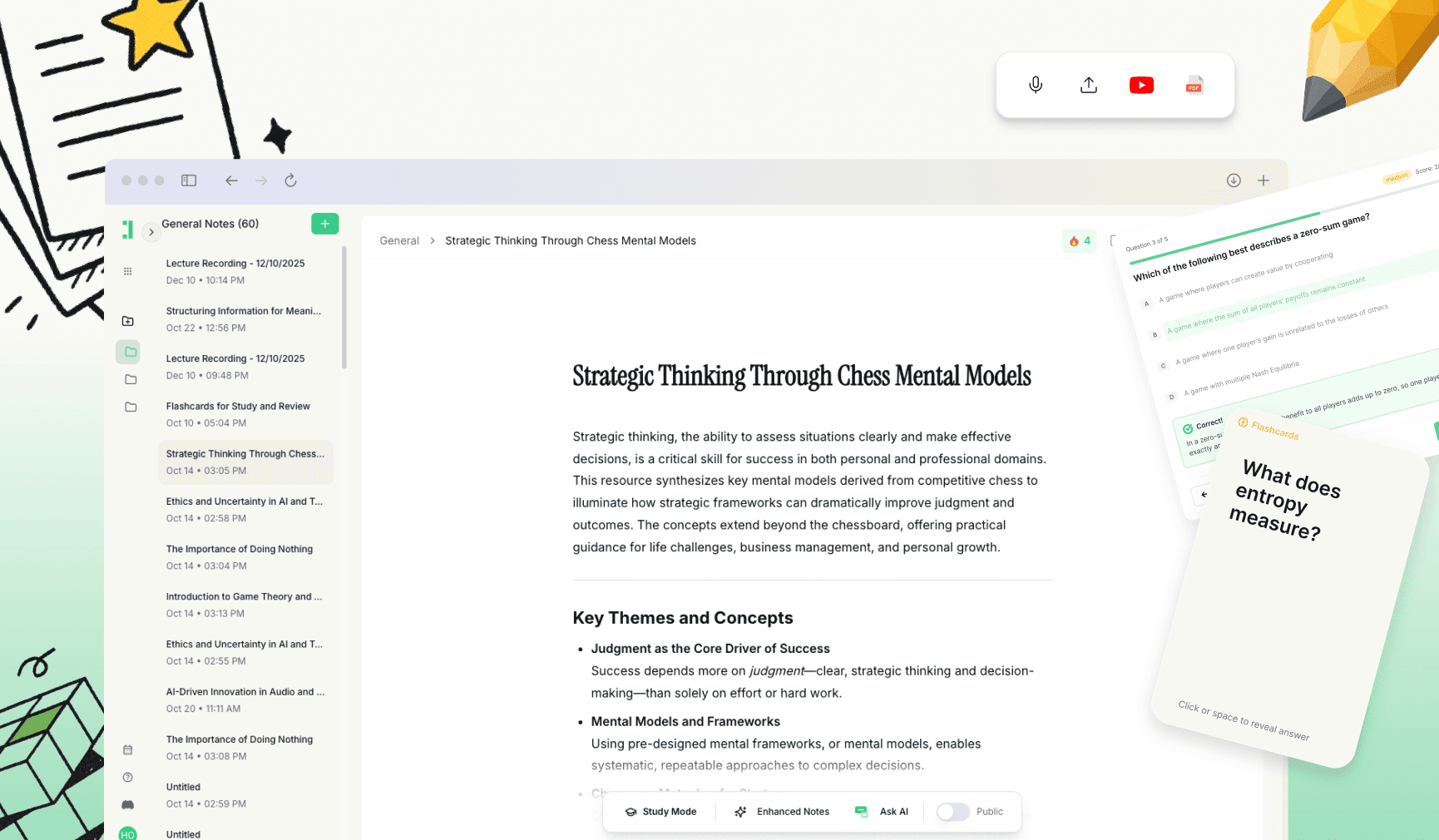
Creating flashcards manually is time-consuming and often leads to overly wordy cards that are hard to study. Duetoday solves this by using AI to analyze your security materials and extract the most important testable information instantly.
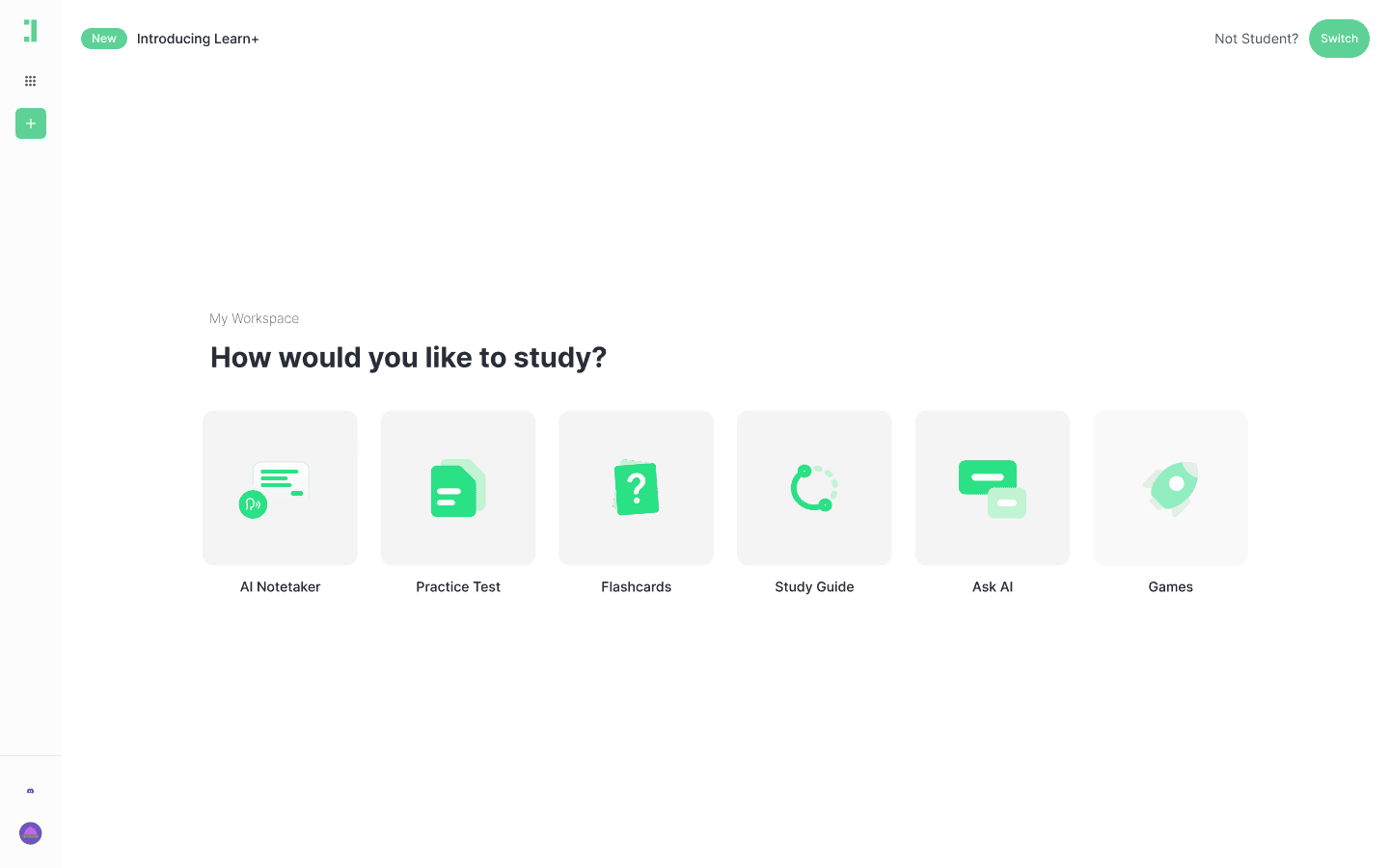
Upload your cybersecurity PDFs, slides, or paste your lecture notes.
Click 'Generate Flashcards'.
Review, edit the questions if needed, and start your study session immediately.
Generate Cybersecurity Fundamentals Flashcards in Duetoday
Start with your notes and get a deck you can actually use today.
Common Cybersecurity Fundamentals flashcard mistakes
Many students create cards that are essentially mini-textbooks. If a card has three paragraphs on it, you aren't testing recall; you're just reading. Keep your security cards focused on specific triggers and responses.
Cards are too long: Break 'Types of Malware' into individual cards for Viruses, Worms, and Trojans.
Only memorizing definitions: Ensure you include 'Why' cards, such as why HTTPS is preferred over HTTP.
Ignoring port numbers: Don't skip the technical details; create specific cards for common ports (80, 443, 22).
No review schedule: Security terms fade quickly; use spaced repetition to keep them fresh.
FAQ
How many flashcards do I need for Cybersecurity Fundamentals? Most foundational courses require between 100 to 200 cards to cover everything from the CIA triad to basic networking and physical security.
What’s the best format for cybersecurity flashcards? Question-and-answer format is best for definitions, while 'Scenario-Response' is best for learning how to react to security threats.
How often should I review my cards? Daily review is recommended when first learning the material. Once you consistently get a card right, you can move it to a weekly review schedule.
Should I make cards from a textbook or slides? Use both. Textbooks provide the 'why,' while slides often highlight the specific terms and acronyms your instructor deems most important.
How do I stop forgetting acronyms? Group related acronyms together on cards and use active recall to explain what each letter stands for and its function in the security stack.
Can I generate flashcards from a security PDF? Yes, Duetoday is designed to read through technical PDFs and extract key security terms and definitions automatically.
Are digital flashcards better than paper for this topic? Digital cards are superior for cybersecurity because they allow you to carry hundreds of complex acronyms in your pocket and use AI to generate new questions as the field evolves.
How long does it take to make a full deck? Manually, it can take hours. With Duetoday’s AI generation, you can have a full deck ready in under 60 seconds.

Duetoday is an AI-powered learning OS that turns your study materials into personalised, bite-sized study guides, cheat sheets, and active learning flows.