Generate Flashcards for Customer Journey Mapping
Turn notes into Customer Journey Mapping flashcards. Try Duetoday for free today!
Generate Flashcards with AI Free
Generate Flashcards for Customer Journey Mapping
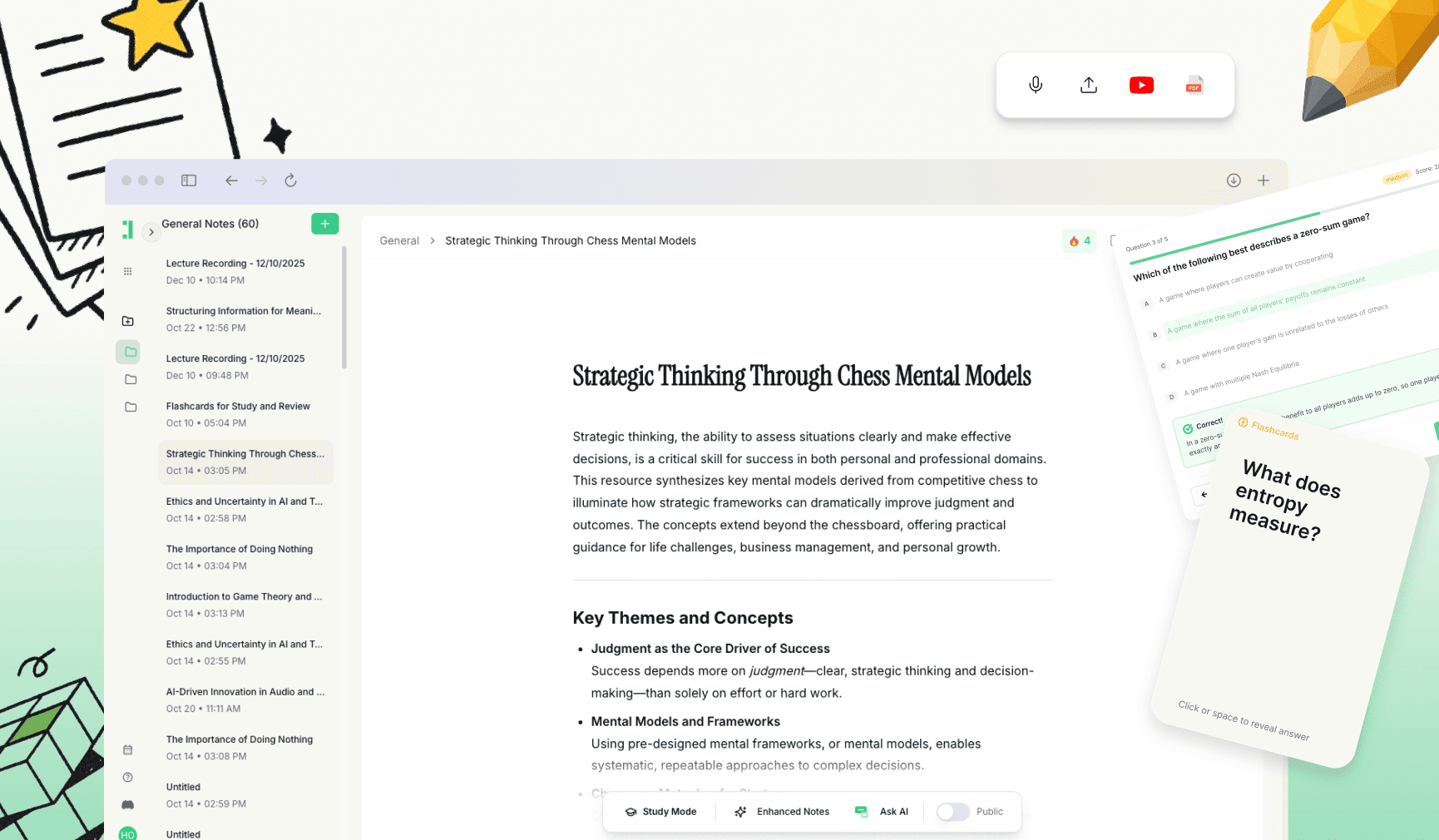
Turn your CX notes, PDFs, project slides, or workshop transcripts into Customer Journey Mapping flashcards so you can review faster and remember more. Master every touchpoint and stage of the customer experience without the manual work.
Generate Customer Journey Mapping FlashcardsUpload notes / paste text
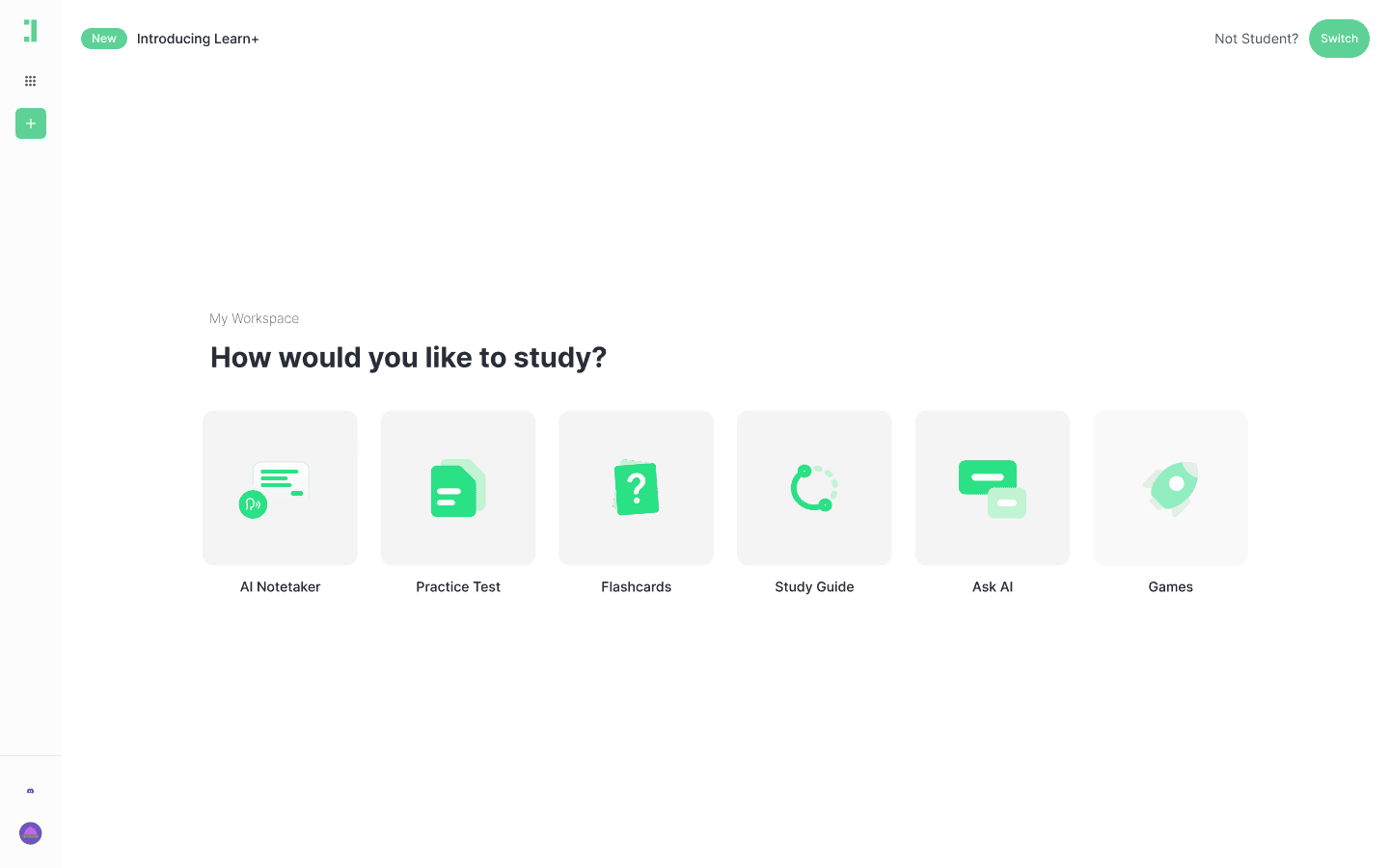
With Duetoday, you simply upload your existing material, and our AI identifies key stages, emotions, and touchpoints to create a custom study deck. Review, edit, and start practicing in minutes.
What are Customer Journey Mapping flashcards?
Customer Journey Mapping flashcards cover the essential framework of how a customer interacts with a brand. This includes defining personas, mapping stages like awareness and retention, identifying pain points, and understanding moments of truth.
The outcome is simple: instead of rereading complex flowcharts, you test yourself on the underlying principles and specific data points. This builds the muscle memory needed to analyze any customer experience on the fly. If you already have notes, Duetoday can generate a clean deck in minutes.
Why flashcards are one of the best ways to study Customer Journey Mapping
Customer Journey Mapping requires a mix of theoretical knowledge—like the difference between a 'front-stage' and 'back-stage' action—and the ability to recall specific customer emotions at different stages. Flashcards bridges this gap by using active recall.
Remember touchpoints across multiple channels without cramming
Separate similar concepts like User Journey vs. Customer Journey
Learn the sequence of stages from discovery to advocacy
Practice identifying pain points and opportunity gaps quickly
What to include in your Customer Journey Mapping flashcards
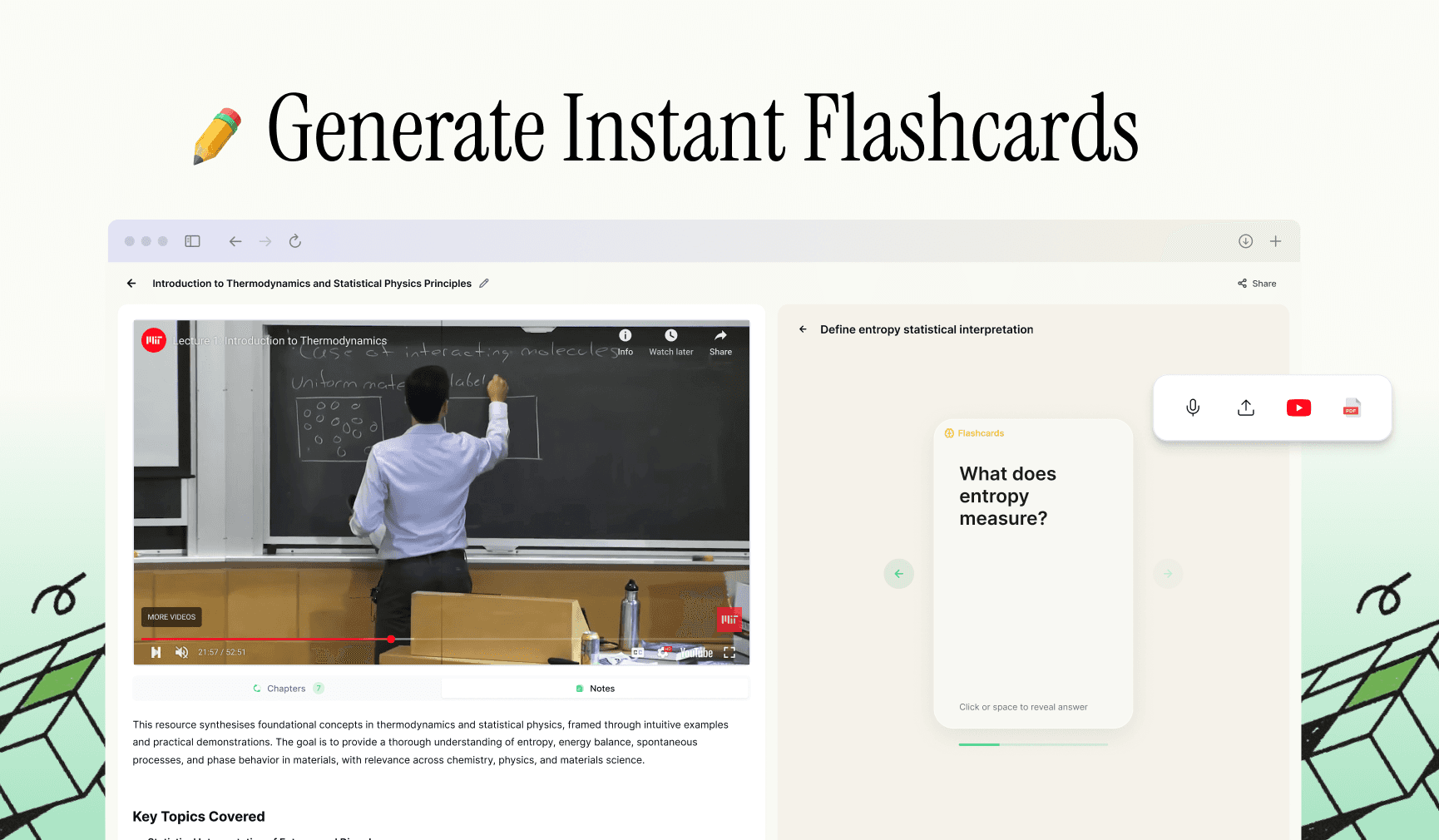
Effective flashcards follow the "atomic" rule: one idea per card. For journey mapping, your cards should balance technical terms with practical application scenarios.
Definitions & key terms: "What is a Moment of Truth?"
Processes & stages: "What follows the Consideration stage in a B2B journey?"
Comparisons: "How does an Empathy Map differ from a Journey Map?"
Application: "What is an example of a friction point in a mobile checkout?"
Example prompts: "Define a 'persona' in the context of CX," "List 3 common KPIs for the Retention stage," and "What is the goal of a Service Blueprint?"
How to study Customer Journey Mapping with flashcards
Start with a "two-pass" approach. Use your first session to filter out what you already know, then focus heavily on the complex relationships between customer actions and business goals.
Generate a deck from your CX notes or workshop slides.
Do a quick round to flag difficult terms like "Omnichannel consistency."
Review weak cards for ten minutes every morning.
Mix in scenario-based cards to test your problem-solving skills.
Perform a final review before your next big CX project or exam.
Generate Customer Journey Mapping flashcards automatically in Duetoday
Making cards manually is a bottleneck. Copying and pasting text from a PDF into a digital card maker takes hours that you could spend actually learning the material. Duetoday streamlines this by using AI to extract the most important information for you.
Upload your CX strategy docs or lecture transcripts.
Click Generate Flashcards and let the AI do the heavy lifting.
Review the generated deck and start studying immediately.
Generate Customer Journey Mapping Flashcards in Duetoday
Start with your notes and get a deck you can actually use today.
Common Customer Journey Mapping flashcard mistakes
Many students make cards that are too wordy. If a card contains a whole paragraph about the "Awareness Stage," you'll end up recognizing the text rather than learning the concept.
Cards are too long: split into specific touchpoints.
Focusing only on definitions: add cards about emotions and pain points.
Ignoring the "Who": ensure persona-specific cards are included.
No review schedule: use spaced repetition to keep the stages fresh.
FAQ
How many flashcards do I need for Customer Journey Mapping? Usually, a deck of 30 to 50 cards is sufficient to cover the core stages, terminology, and common KPIs.
What’s the best format for these flashcards? Question and answer format is best. For example: 'Question: What is a pain point? Answer: A specific problem customers face during their journey.'
How often should I review them? Review your deck once a day for the first week, then move to every 3-4 days as you become more confident in the material.
Should I use textbook definitions or my own notes? Using your own project notes is better for practical application, while textbooks are better for foundational theory. Duetoday works with both.
How do I stop forgetting the stages after a few days? Spaced repetition is the key. By reviewing cards just as you are about to forget them, you move the info to long-term memory.
What if my flashcards feel too easy? If they are too easy, combine concepts or add "Why?" to the end of your prompts to force deeper thinking.
Can I generate flashcards from a CX PDF? Yes, Duetoday can read PDF files and instantly convert the text into structured flashcards.
Are digital flashcards better than paper? Digital cards are superior for Customer Journey Mapping because they allow for easier editing and automated spaced repetition scheduling.
How long does it take to make a full deck? Manually it takes hours, but with Duetoday's AI, you can generate a full deck in under two minutes.
Can Duetoday organize my cards by journey stage? Yes, you can categorize your cards into tags or decks based on specific stages like 'Onboarding' or 'Support'.

Duetoday is an AI-powered learning OS that turns your study materials into personalised, bite-sized study guides, cheat sheets, and active learning flows.