Generate Flashcards for Cost Curves
Generate Cost Curves flashcards in seconds! Turn notes into active recall sets. Try it for free.
Generate Flashcards with AI Free
Generate Flashcards for Cost Curves
Turn your economics notes, PDFs, slides, or lectures into Cost Curves flashcards so you can review faster and remember more. Understanding how costs change with production levels is essential for mastering microeconomics.
Generate Cost Curves FlashcardsUpload notes / paste text
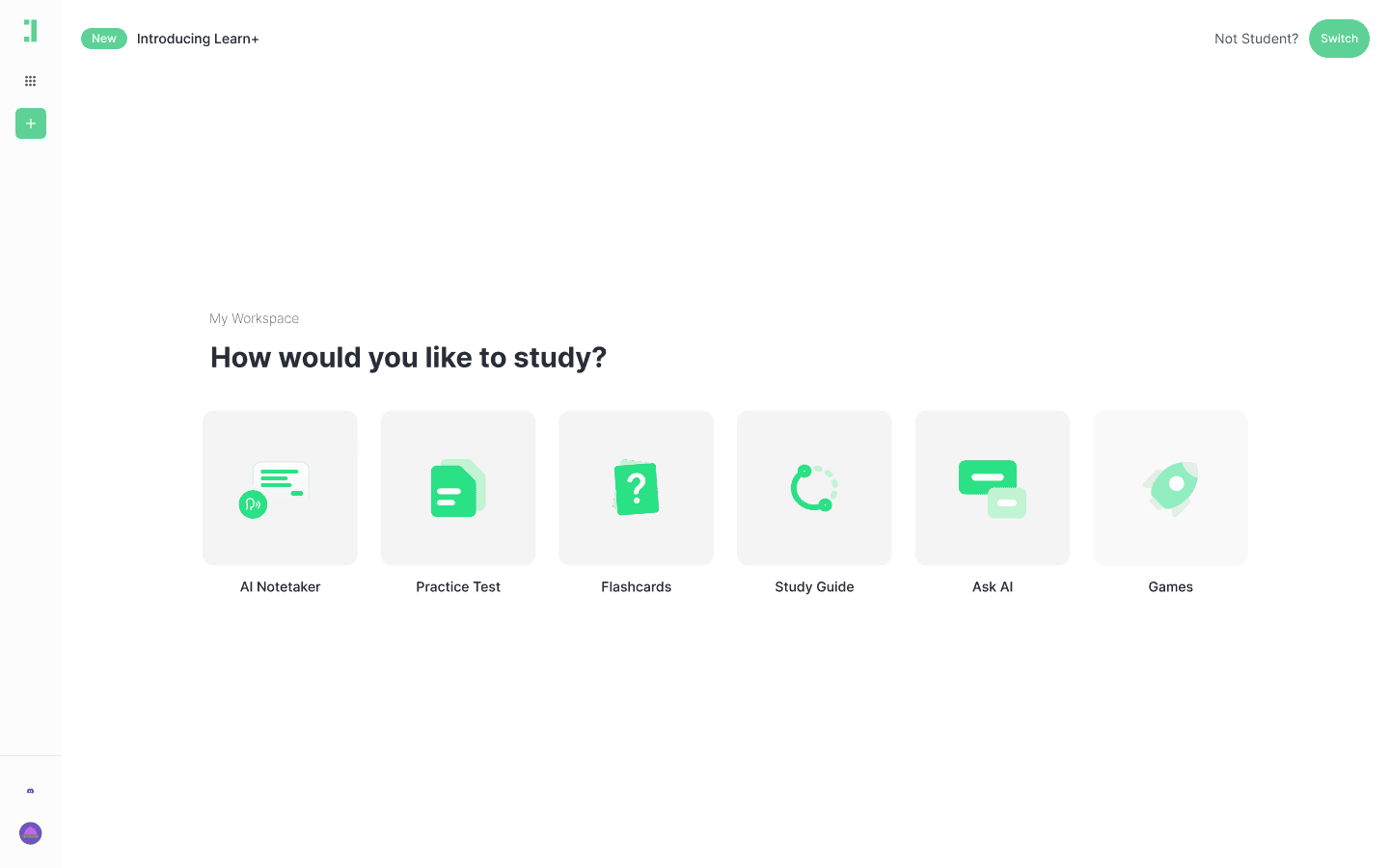
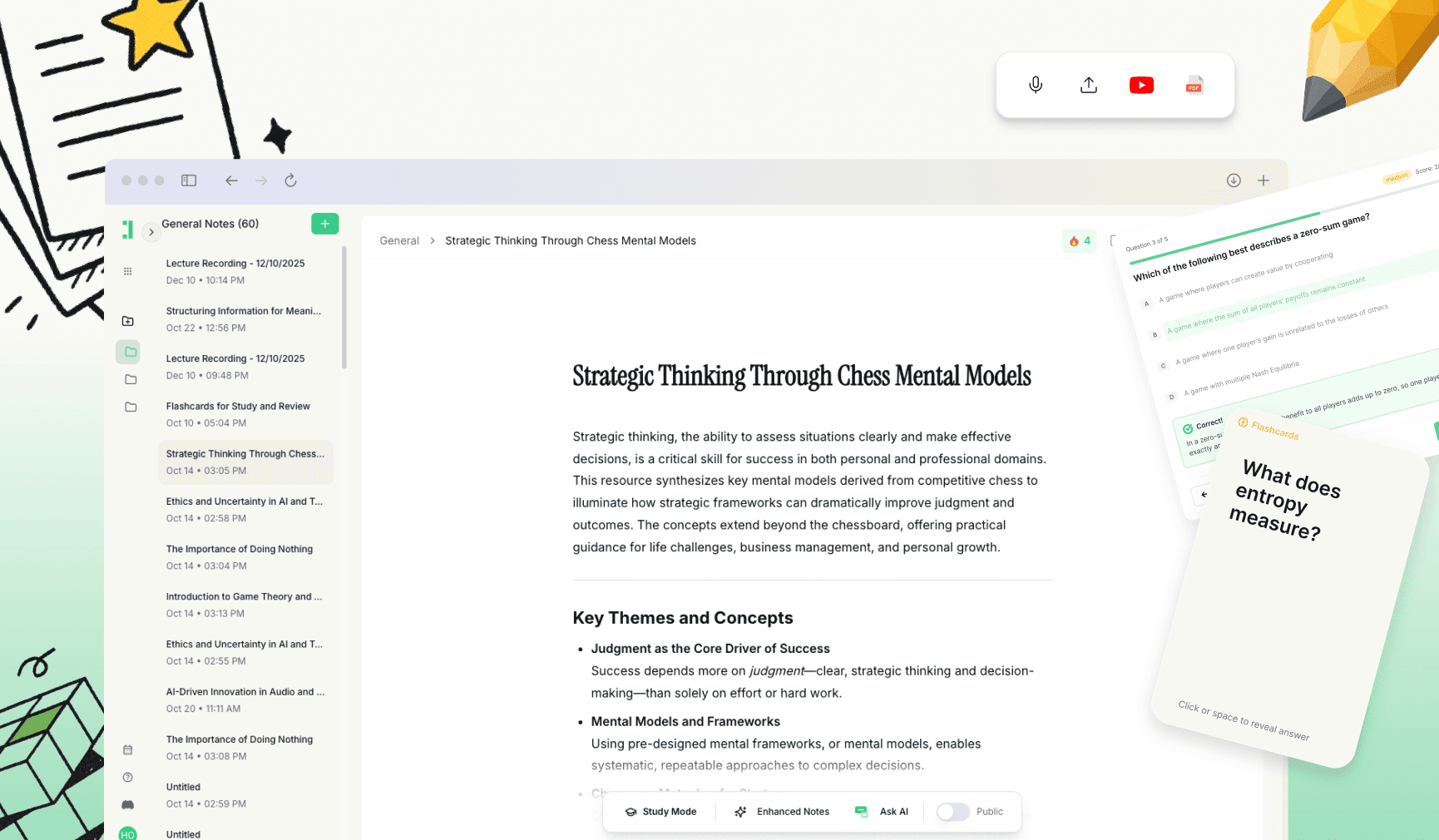
With Duetoday, the process is simple: upload your materials, and our AI identifies key cost concepts, generates a structured deck, and lets you start studying immediately. No more manual data entry.
What are Cost Curves flashcards?
Cost Curves flashcards cover the graphical and mathematical relationships between production output and the costs incurred by a firm. They typically focus on concepts like Fixed Costs (FC), Variable Costs (VC), Marginal Cost (MC), and Average Total Cost (ATC).
Instead of just staring at a graph in a textbook, these flashcards force you to explain why curves are U-shaped, where they intersect, and how they shift based on market changes. This builds the functional recall needed for exams.
Why flashcards work for Cost Curves
Cost Curves involve complex relationships where one variable often dictates the shape of another. Flashcards are perfect for this because they break down these interconnected ideas into digestible bits of information.
Using active recall and spaced repetition helps you internalize the logic behind the math, ensuring you don’t confuse Average Variable Cost with Average Total Cost during a timed test.
Identify the 'shutdown point' vs. the 'break-even point' instantly.
Master the mathematical relationship between MC and ATC.
Understand how the Law of Diminishing Marginal Returns affects curve shapes.
Memorize the difference between short-run and long-run cost behaviors.
What to include in your Cost Curves flashcards
Effective flashcards follow the "atomic" rule: one specific concept per card. Use question-based prompts to simulate exam conditions rather than simple definitions.
Definitions & Terms: "What is Marginal Cost?" "Define Sunk Costs."
Processes: "How do you calculate Average Fixed Cost?"
Comparisons: "Why does MC intersect ATC at its minimum point?"
Application: "If input prices rise, which way does the MC curve shift?"
Example prompts: 'What causes the U-shape of the Long-Run Average Cost curve?', 'True or False: AFC increases as output increases.', and 'Describe the relationship between MP and MC.'
How to study Cost Curves with flashcards
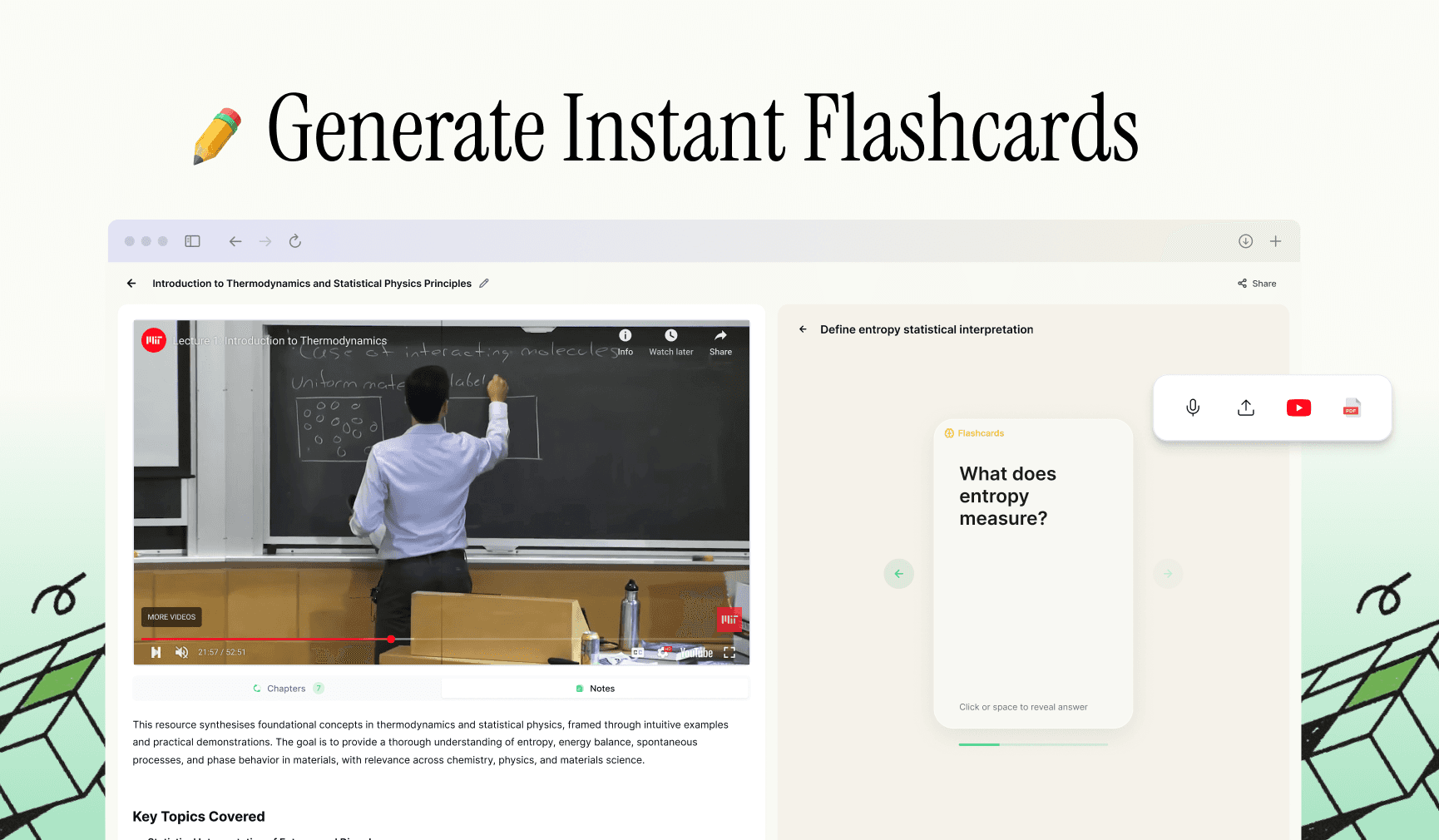
A systematic approach works best for economics. Start by building your deck from your lecture slides or textbook chapters using Duetoday's AI generator to ensure you haven't missed any formulas.
Review the deck in short, focused sessions. Focus on the relationship between the curves first. Once you understand the "why" behind the shapes, the math becomes much easier to memorize and apply to problem sets.
Generate your deck from your specific course materials.
Perform a first pass to identify which curve relationships confuse you.
Review high-priority (difficult) cards daily.
Practice sketching the curves on paper after answering the card.
Mix cards from different chapters to ensure you can distinguish between cost styles.
Generate Cost Curves flashcards automatically
Drawing graphs and writing out formulas manually is a slow way to study. It takes time away from actually learning the material. Duetoday automates the tedious part of studying so you can focus on the logic.
Whether you have a PDF of a textbook or a recording of a microeconomics lecture, Duetoday can transform that content into a comprehensive study set in seconds.
Upload your syllabus or lecture notes
Click 'Generate Flashcards'
Refine your deck and start your study session
Generate Cost Curves Flashcards in Duetoday
Start with your notes and get a deck you can actually use today.
Common Cost Curves flashcard mistakes
Many students create cards that are too broad, leading to "recognition" rather than "recall." Avoid putting an entire graph description on one card; instead, ask about specific parts of the graph.
Cards are too wordy: Split formulas and definitions into separate cards.
Ignoring the 'why': Don't just memorize the shape; ask what economic law causes it.
Neglecting shifts: Make sure to include cards on what moves the curves, not just their positions.
Forgetting the short-run vs long-run distinction.
Ready to generate your Cost Curves flashcards?
Stop rereading your textbook and start testing yourself. With active recall, you'll be able to visualize cost curve intersections and shifts with total confidence.
Start Generating Flashcards
Works with notes, PDFs, slides, and transcripts.
FAQ
How many flashcards do I need for Cost Curves? Usually 30 to 50 cards cover all the major definitions, formulas, and curve relationships for a standard microeconomics unit.
What is the best format for Cost Curves flashcards? A mix of 'What is' definitions and 'If/Then' scenarios (e.g., 'If labor costs rise, what happens to ATC?') is most effective.
How often should I review Cost Curves? Review daily for the first three days, then every other day until you can explain the logic behind every curve intersection without hesitation.
Should I make cards from a textbook or slides? Use both. Slides often highlight what your professor thinks is important, while textbooks provide the detailed formulas you need.
How do I stop forgetting the curves after a few days? Use spaced repetition through Duetoday to ensure you are re-testing the concepts just as you are about to forget them.
What if my flashcards feel too easy? Add application-based questions, such as 'How does a change in fixed cost affect the Marginal Cost curve?' (The answer is: it doesn't!).
Can I generate Cost Curves flashcards from a PDF? Yes, Duetoday's AI scans your PDF for key economic terms and relationships to create cards automatically.
Are digital flashcards better than paper for economics? Digital cards allow for easier updates, better organization, and automated spaced repetition, which is vital for complex subjects like economics.
How long does it take to make a full deck? Using Duetoday, you can turn a chapter's worth of notes into a full deck in under two minutes.
Can Duetoday handle the math? Yes, Duetoday can extract formulas and mathematical relationships from your notes to create accurate study prompts.

Duetoday is an AI-powered learning OS that turns your study materials into personalised, bite-sized study guides, cheat sheets, and active learning flows.