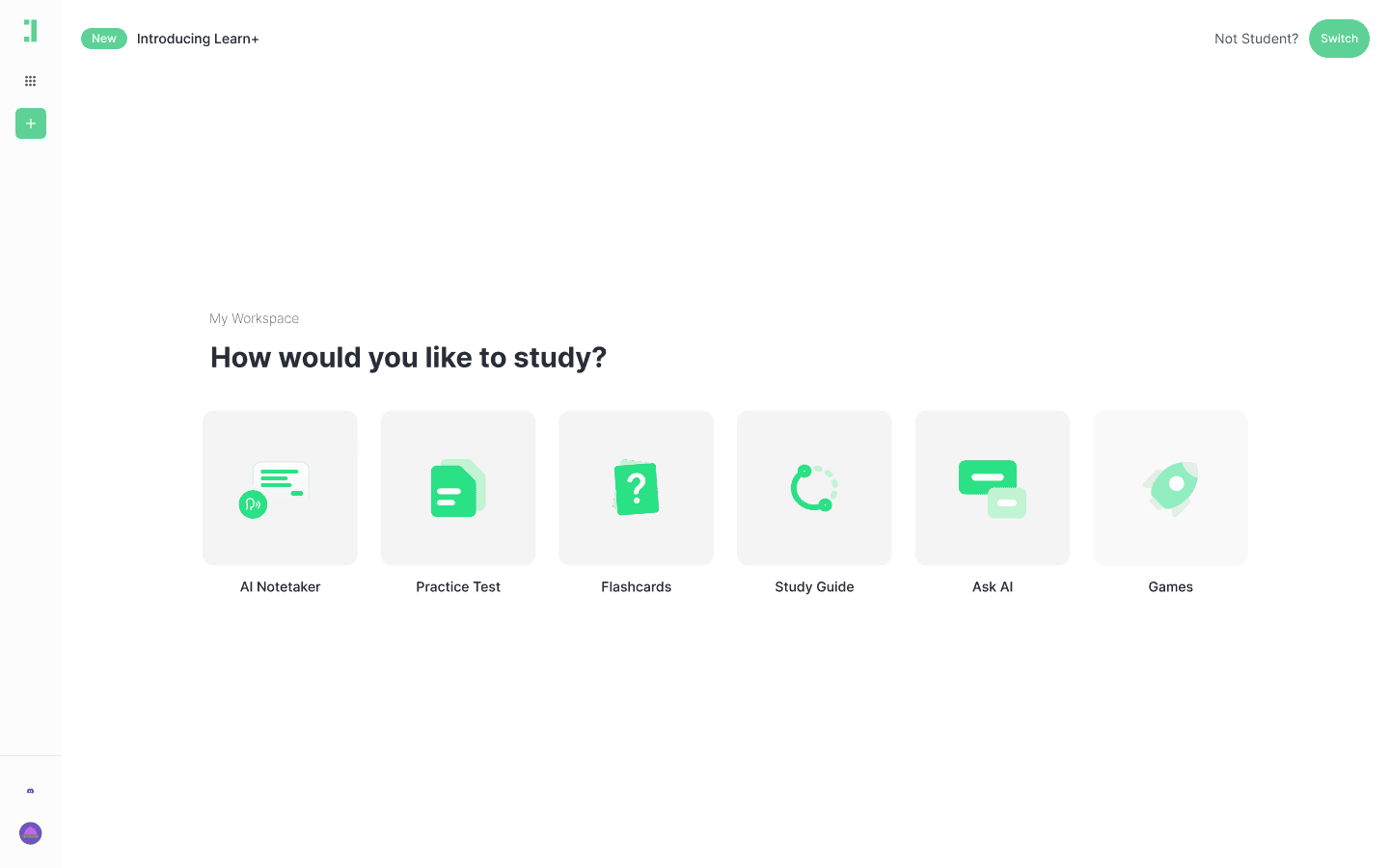
Generate Flashcards for Compiler Design
Easily generate or make Compiler Design flashcards from your notes. A complete guide to mastering computer science subjects.
Generate Flashcards with AI Free
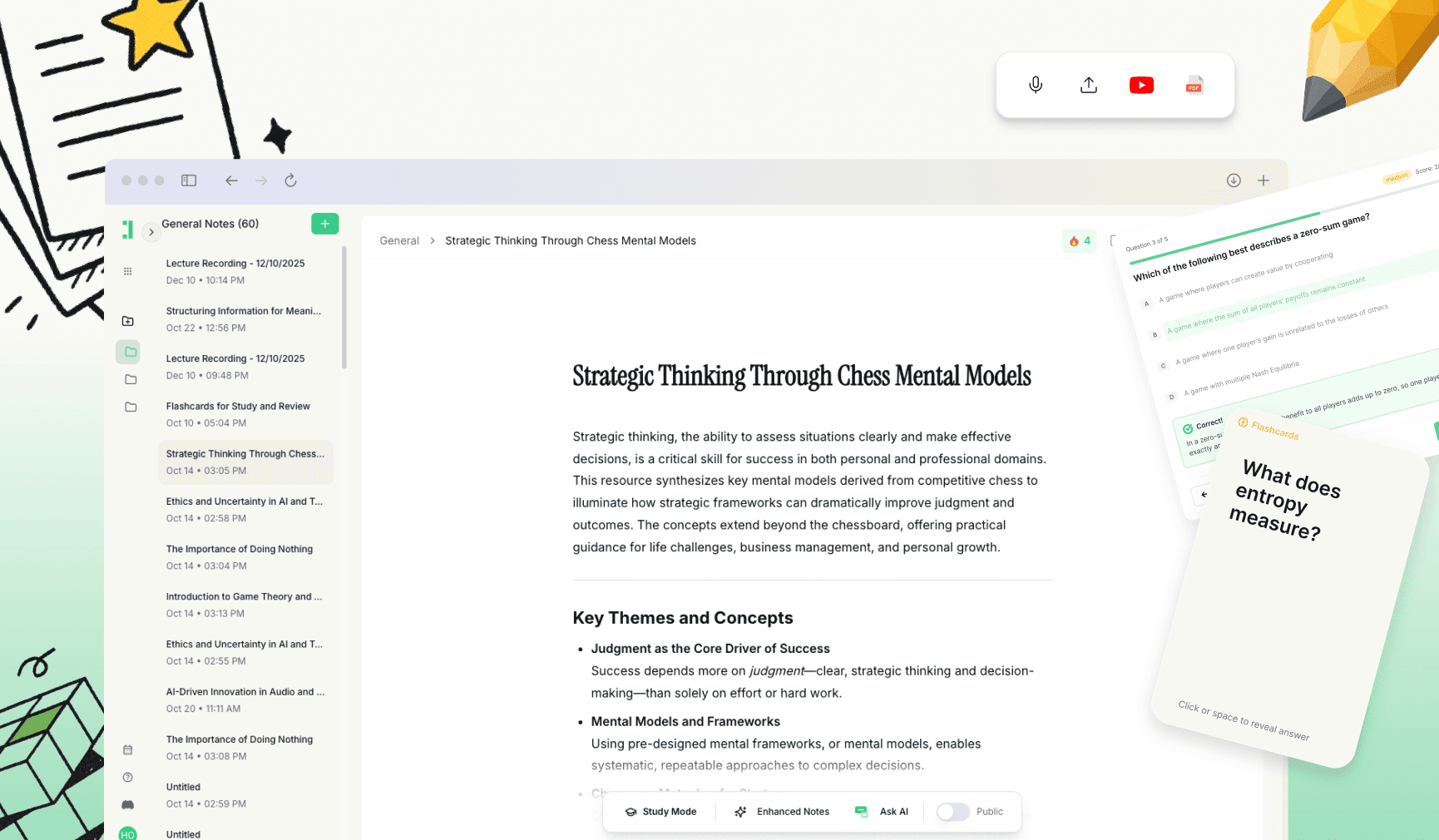
Generate Flashcards for Compiler Design
Turn your notes, PDFs, slides, or transcripts into Compiler Design flashcards so you can review faster and remember more. Whether you are struggling with DFA construction or optimization algorithms, Duetoday helps you bridge the gap between reading and retaining.
Generate Compiler Design Flashcards Upload notes / paste text
In Duetoday, the process is simple: upload your complex lecture materials, generate a structured deck instantly, refine the cards to fit your needs, and begin your study session with AI-backed precision.
What are Compiler Design flashcards?
Compiler Design flashcards cover the multi-stage process of translating high-level programming languages into machine code. These cards break down complex concepts like lexical analysis (tokens), syntax analysis (grammars), semantic analysis, intermediate representation, and target code generation.
Instead of staring at a 500-page textbook, these flashcards force you to test yourself on specific logic and rules. This shift from passive reading to active recall ensures that you can visualize how a compiler actually functions under the hood.
If you already have notes, Duetoday can generate a clean deck in minutes.
Why flashcards work for Compiler Design
Compiler Design is heavily dependent on sequences, formal rules, and structural relationships. Flashcards are ideal for this because they isolate the individual phases of a compiler, allowing you to master one step before moving to the next.
Active recall helps you pull information from memory without prompts, while spaced repetition ensures you don't forget the difference between an SLR and an LALR parser just days before your exam.
Master formal grammar definitions without cramming.
Separate similar concepts (e.g., Top-down vs. Bottom-up parsing).
Learn compilation phases step-by-step (Analysis vs. Synthesis).
Practice applying optimization rules and code generation patterns quickly.
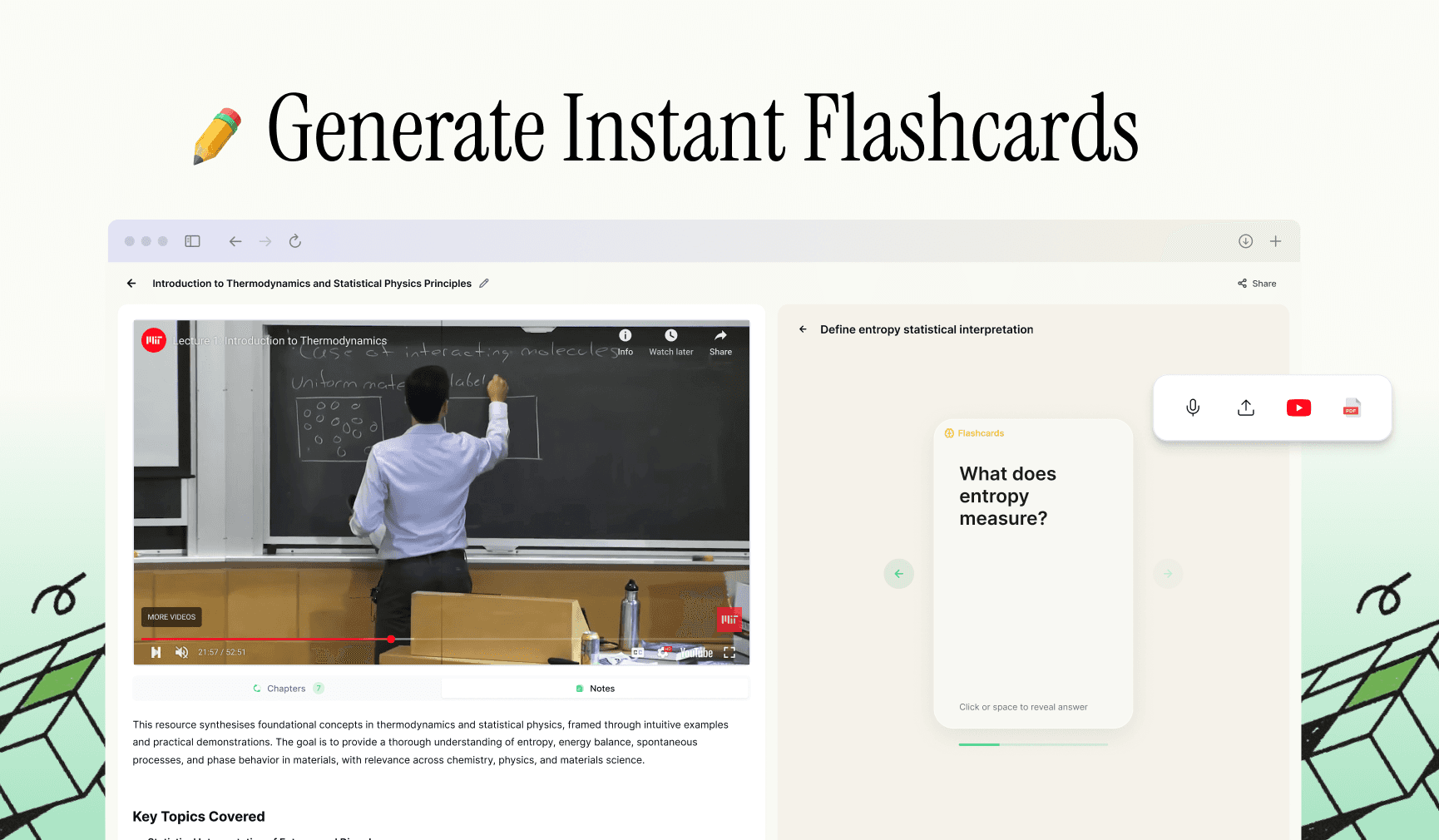
What to include in your Compiler Design flashcards
The best Compiler Design flashcards follow the atomic rule: one concept per card. You want to avoid long, rambling definitions and focus on core logic and quick identification. This makes your study sessions faster and more productive.
Use these four main card types to cover the syllabus efficiently:
Definitions & Key Terms: What is a symbol table? Define an ambiguous grammar.
Processes & Steps: What are the steps of code generation? How does a lexer handle whitespace?
Comparisons: How is an NFA different from a DFA? LL(1) vs. LR(1) parsing.
Application: When would you use a peephole optimization? What happens if the semantic analyzer finds a type mismatch?
Example Prompts for your deck:
• Define a 'Front End' and 'Back End' in a compiler.
• What is the role of a Lexical Analyzer?
• List three types of intermediate code representations.
• Explain the difference between synthesize and inherited attributes.
• What is dead code elimination?
How to study Compiler Design with flashcards
Studying this subject requires a two-pass system. First, use your cards to build a foundation of terms and rules. Second, use the cards to trigger mental walk-throughs of algorithms like Recursive Descent or DAG construction.
Make a deck from your notes (or generate it with Duetoday).
Do one quick round to identify weak spots in your logic.
Review weak cards daily—especially those involving parsing tables.
Mix in harder optimization cards each session.
Do a final mixed review to see the entire compiler pipeline as one system.
Generate Compiler Design flashcards automatically in Duetoday
Manually creating flashcards for a subject as technical as Compiler Design is slow and prone to errors. Copying complex diagrams and definitions into paper cards takes hours that you could spend actually studying.
Duetoday solves this by allowing you to upload your course materials and generating high-fidelity flashcards instantly. Simply upload your PDF, generate the deck, and start studying immediately.
Upload or paste your Compiler Design material.
Click Generate Flashcards.
Review, edit, and start studying.
Generate Compiler Design Flashcards in Duetoday
Common Compiler Design flashcard mistakes
Most students fail by making their cards too complex. Avoid these common pitfalls to ensure your study time is effective:
Cards are too long: Don't put an entire parsing algorithm on one card; split it into phases.
Ignoring the 'Why': Don't just memorize what a token is; ask what happens if it's missing.
Mixing grammars: Keep different parsing types (LR, SLR, LALR) on separate cards until you've mastered each.
No consistency: Set a schedule to repeat the difficult cards every 24 hours.
Ready to generate your Compiler Design flashcards?
Stop rereading your textbooks. Start recalling the core concepts of software architecture. Upload your notes to Duetoday and let AI build your study guide today.
Start Generating Flashcards
Works with notes, PDFs, slides, and transcripts.
FAQ
How many flashcards do I need for Compiler Design?
Usually, 100-150 cards are enough to cover the core phases, definitions, and common optimizations thoroughly.
What’s the best format for Compiler Design flashcards?
Question on the front, concise logic-based answer on the back. For phases, use 'What is the input/output of [Phase]?'
How often should I review Compiler Design flashcards?
Review daily in the weeks leading up to an exam. Once you master a concept, space the review out to every 3-4 days.
Should I make cards from a textbook or lecture notes?
Lecture notes are better for focusing on what your professor emphasizes, while textbooks are great for detailed definitions.
How do I stop forgetting the parsing phases?
Use active recall. Don't just read the card; explain the phase out loud before flipping it over.
What if my flashcards feel too easy?
Add 'Application' cards. Instead of 'What is a DFA?', ask 'Convert this NFA to a DFA in your head.'
Can I generate Compiler Design flashcards from a PDF?
Yes, Duetoday can ingest complex PDFs and extract the most important technical terms and concepts for you.
Are digital flashcards better than paper for this subject?
Yes, because digital cards allow for spaced repetition algorithms that automatically surface the harder concepts you're struggling with.
How long does it take to make a full deck?
Manually, it takes hours. With Duetoday, it takes less than 60 seconds.
Can Duetoday organize my flashcards by compiler phase?
Yes, you can tag and categorize your generated cards to study specific topics like 'Lexical Analysis' or 'Optimization' individually.

Duetoday is an AI-powered learning OS that turns your study materials into personalised, bite-sized study guides, cheat sheets, and active learning flows.