Generate Flashcards for Comparative Advantage
Generate Comparative Advantage flashcards in seconds. Turn notes into study decks. Try for free!
Generate Flashcards with AI Free
Generate Flashcards for Comparative Advantage
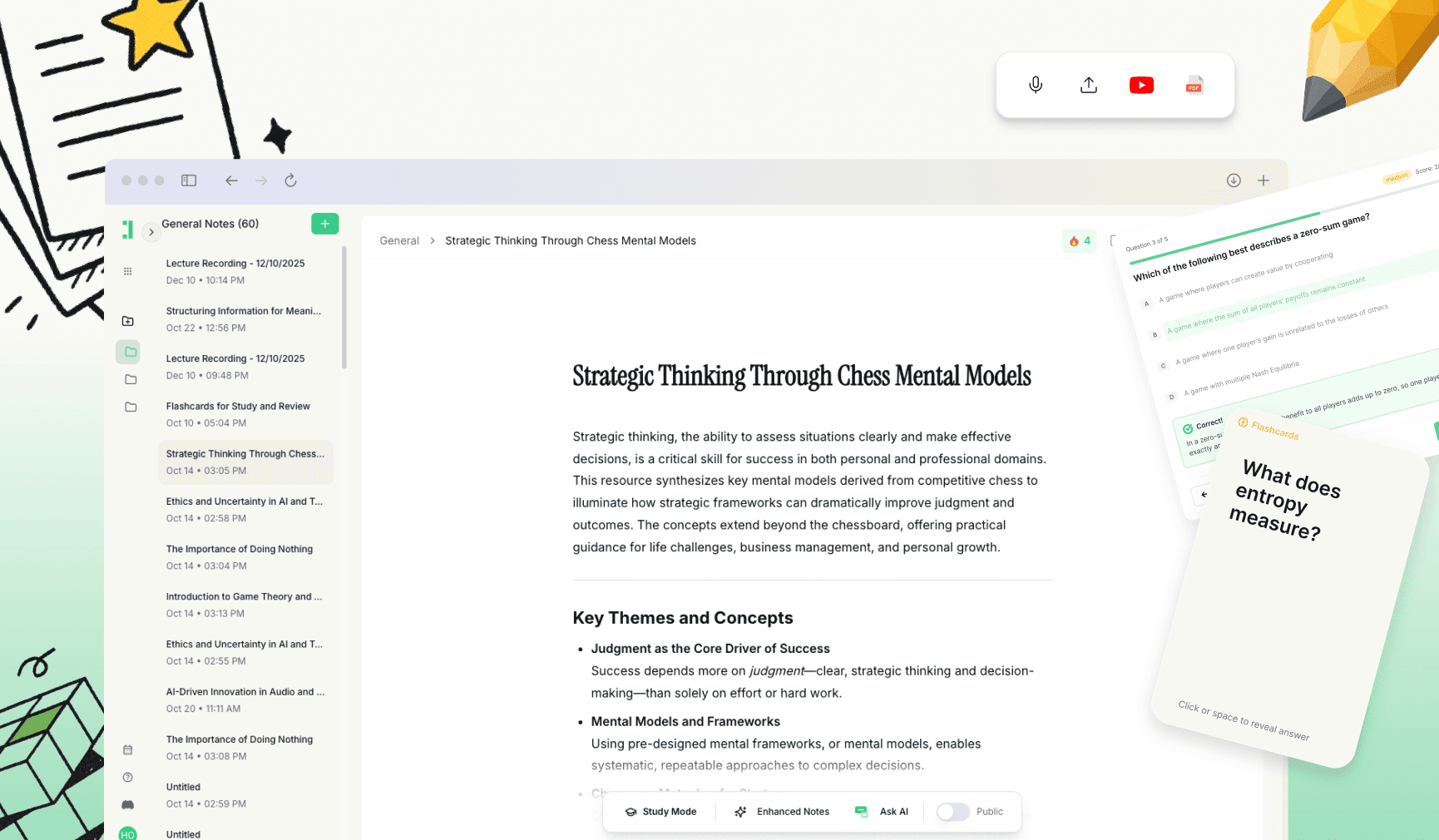
Turn your economics notes, PDFs, slides, or lectures into Comparative Advantage flashcards so you can review faster and remember more. Whether you are prepping for an AP Macroeconomics exam or a college trade theory quiz, Duetoday helps you master the math and logic of trade in minutes.
Generate Comparative Advantage FlashcardsUpload notes / paste text
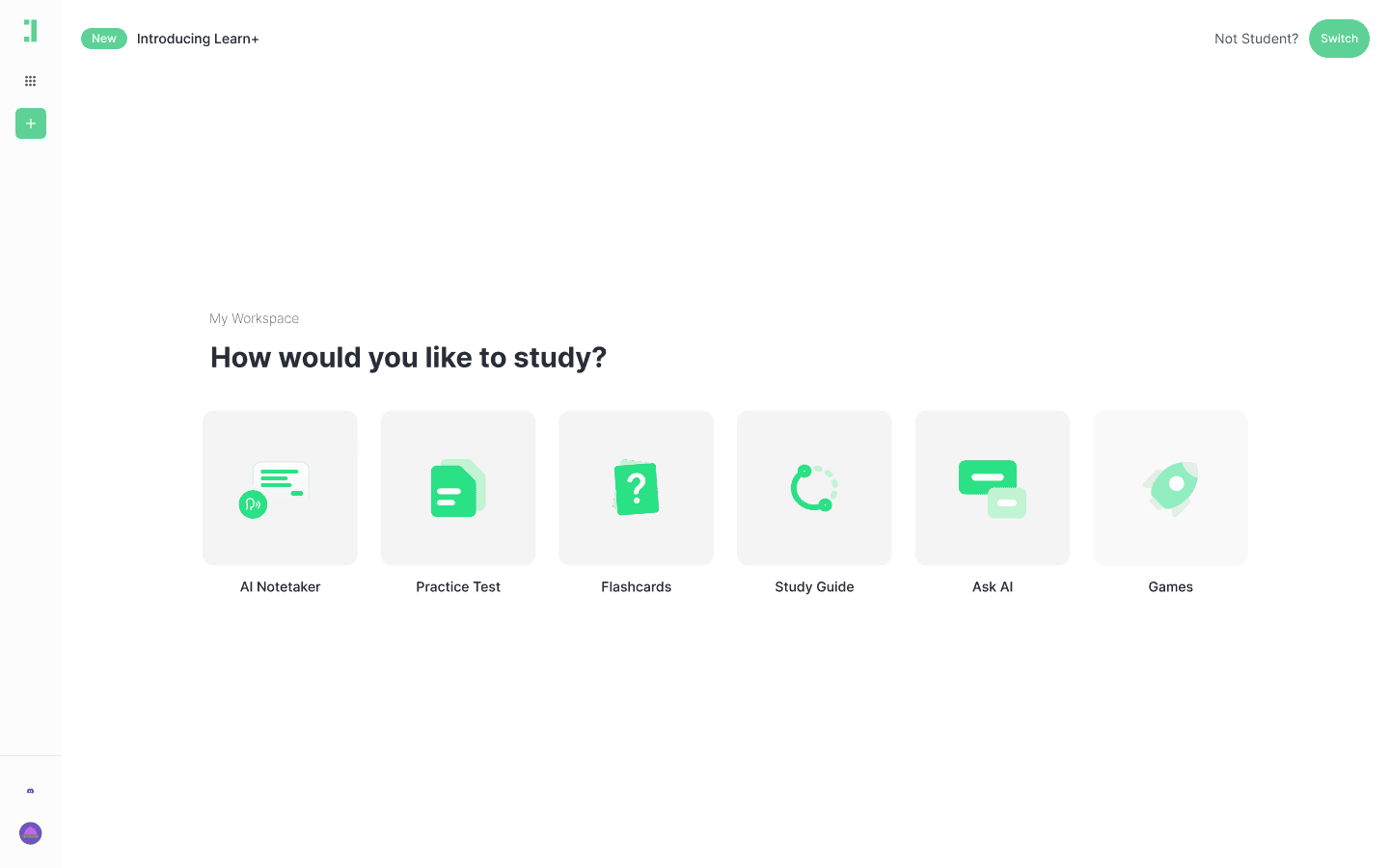
In Duetoday, simply upload your study materials, and the AI instantly extracts key concepts to build your deck. You can then review, edit, and use active recall to ensure you never confuse absolute and comparative advantage again.
What are Comparative Advantage flashcards?
Comparative Advantage flashcards cover the fundamental economic principles of international trade, focusing on how countries or individuals decide what to produce based on lower opportunity costs. These cards typically include definitions of specialization, formulas for calculating output and input problems, and the implications of the terms of trade.
The outcome is simple: instead of rereading dense textbook chapters, you test yourself quickly on the logic of trade. This builds the mental muscle required to solve word problems and identify who has the advantage in any given scenario.
If you already have notes, Duetoday can generate a clean deck in minutes so you can spend your time studying instead of formatting.
Why flashcards are one of the best ways to study Comparative Advantage
Comparative Advantage requires a mix of theoretical understanding and mathematical application. Flashcards force you to define relationships between goods and calculate ratios on the fly, which is exactly what you'll do on a test.
Active recall and spaced repetition help you internalize the "cost of one good in terms of the other" without having to look at your notes every time. This speed is crucial for timed exams where every second counts.
Remember key terms like 'opportunity cost' and 'specialization' without cramming.
Separate similar concepts (e.g., Absolute Advantage vs. Comparative Advantage).
Learn calculation steps for both Input and Output problems.
Practice applying trade rules to determine if a trade is mutually beneficial.
What to include in your Comparative Advantage flashcards
Good flashcards follow the "atomic" rule: one idea per card. Instead of putting a whole chapter on a card, use question-based prompts that focus on specific trade mechanics. This ensures you aren't just memorizing the order of your notes.
Definitions & key terms: Focus on terms like 'Factors of Production' and 'Autarky'.
Processes & steps: Break down the steps to solve an output-based trade table.
Comparisons: Contrast the Ricardian model with the Heckscher-Ohlin theory.
Application: Ask 'If Country A's opportunity cost is 2 apples, will they trade for 1.5 apples?'
Example prompts: "What is the formula for opportunity cost in an output problem?", "Define Absolute Advantage.", "In a 2-country model, can one country have the comparative advantage in both goods?", "What determines the gains from trade?"
How to study Comparative Advantage with flashcards (a simple system)
Use a two-pass approach. First, generate your deck and do a high-speed pass to see which formulas you actually know. Then, focus your energy on the calculations or concepts that feel fuzzy.
Make a deck from your class notes or a PDF textbook chapter.
Do one quick round to find weak spots in your math.
Review weak cards specifically regarding 'Terms of Trade' daily.
Mix in tougher application scenarios to simulate exam questions.
Do a final mixed review to ensure you can jump between different topics quickly.
Generate Comparative Advantage flashcards automatically in Duetoday
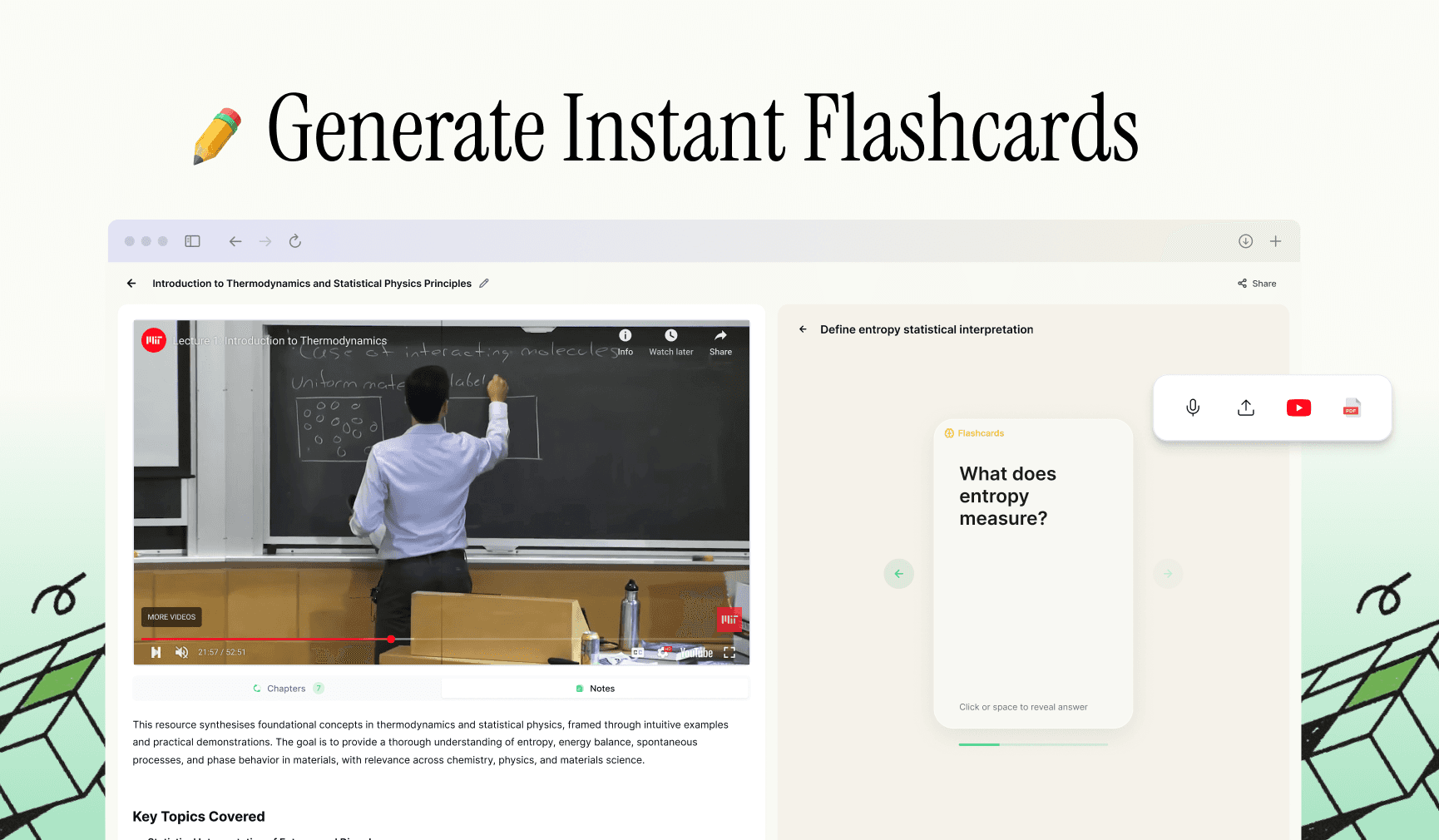
Making cards manually is slow and messy—especially when you have to draw tables or write out complex ratios. Duetoday eliminates the grunt work by converting your study materials into structured cards instantly.
Upload or paste your Comparative Advantage lecture slides.
Click Generate Flashcards.
Review, edit, and start studying immediately.
Generate Comparative Advantage Flashcards in Duetoday
Start with your notes today and get a deck you can actually use to pass your next economics quiz.
Common Comparative Advantage flashcard mistakes
Most students make their cards too wordy, which leads to recognition rather than true recall. Ensure your cards are punchy and require an actual answer.
Cards are too long: Instead of 'Explain Comparative Advantage,' ask 'Which cost determines Comparative Advantage?'
Only memorizing definitions: You must include cards that require a calculation.
Ignoring the 'Terms of Trade': Make sure to include cards on how to find the 'acceptable' range for a trade.
No review schedule: Studying the night before won't help you master the logic; repeat your weak cards every 24 hours.
Ready to generate your Comparative Advantage flashcards?
Stop rereading your textbook. Upload your notes, generate a deck, and start using active recall to master economics today.
Start Generating Flashcards
Works with notes, PDFs, slides, and lecture transcripts.
FAQ
How many flashcards do I need for Comparative Advantage? Usually, a deck of 20-30 cards covers the core definitions, the four main calculation types, and the logic of trade gains.
What’s the best format for these flashcards? A mix of 'Term/Definition' and 'Scenario/Outcome' works best. Use 'If/Then' prompts to test your logic.
How often should I review? Review once a day for three days leading up to an exam to move the formulas from short-term to long-term memory.
Should I make cards from a textbook or lecture notes? Both! Textbooks are great for definitions, while lecture notes often contain the specific example problems your professor prefers.
How do I stop forgetting the formulas? Use flashcards to practice the 'Input vs Output' rule. If it's an input problem, the formula is different, and cards help you distinguish them instantly.
Can I generate these from a PDF? Yes, Duetoday can read your economics PDF and extract the key terms and tables into flashcards automatically.
Are digital flashcards better than paper? Digital cards allow for faster editing and the use of AI to generate variations of difficult math problems.
Can Duetoday organize my cards? Yes, Duetoday categorizes your generated cards so you can focus on specific sub-topics like 'Gains from Trade' or 'Opportunity Cost'.

Duetoday is an AI-powered learning OS that turns your study materials into personalised, bite-sized study guides, cheat sheets, and active learning flows.