Generate Flashcards for Communication Theory
Make and generate flashcards for Communication Theory to master models, theorists, and social concepts using AI.
Generate Flashcards with AI Free

What are Communication Theory flashcards?
Communication Theory flashcards are specialized study tools designed to break down complex sociological and psychological models into digestible prompts. These cards cover everything from classical rhetoric and semiotics to modern digital media effects and interpersonal dynamics. By focusing on key terms, theorist names, and the specific mechanics of human interaction, these flashcards transform passive reading into an active self-test.
Instead of merely scanning your textbook, flashcards force you into a state of retrieval. The outcome is a deeper understanding of how messages are encoded, transmitted, and decoded across different social contexts. If you already have lecture notes or a PDF syllabus, Duetoday can generate a clean deck in minutes, allowing you to focus on the concepts rather than the manual data entry.
Why flashcards work for Communication Theory
Communication Theory requires a unique balance of memorizing technical definitions (like 'noise' or 'feedback') and understanding fluid human relationships. Flashcards are ideal for this subject because they facilitate active recall and spaced repetition—the two most effective ways to move theoretical concepts into long-term memory.
Remember key terms like 'Social Penetration Theory' or 'Cultivation Theory' without cramming.
Separate similar concepts such as interpersonal vs. intrapersonal communication.
Learn communication processes step-by-step, from the initial sender to the final receiver response.
Practice applying theoretical lenses to real-world social scenarios quickly.
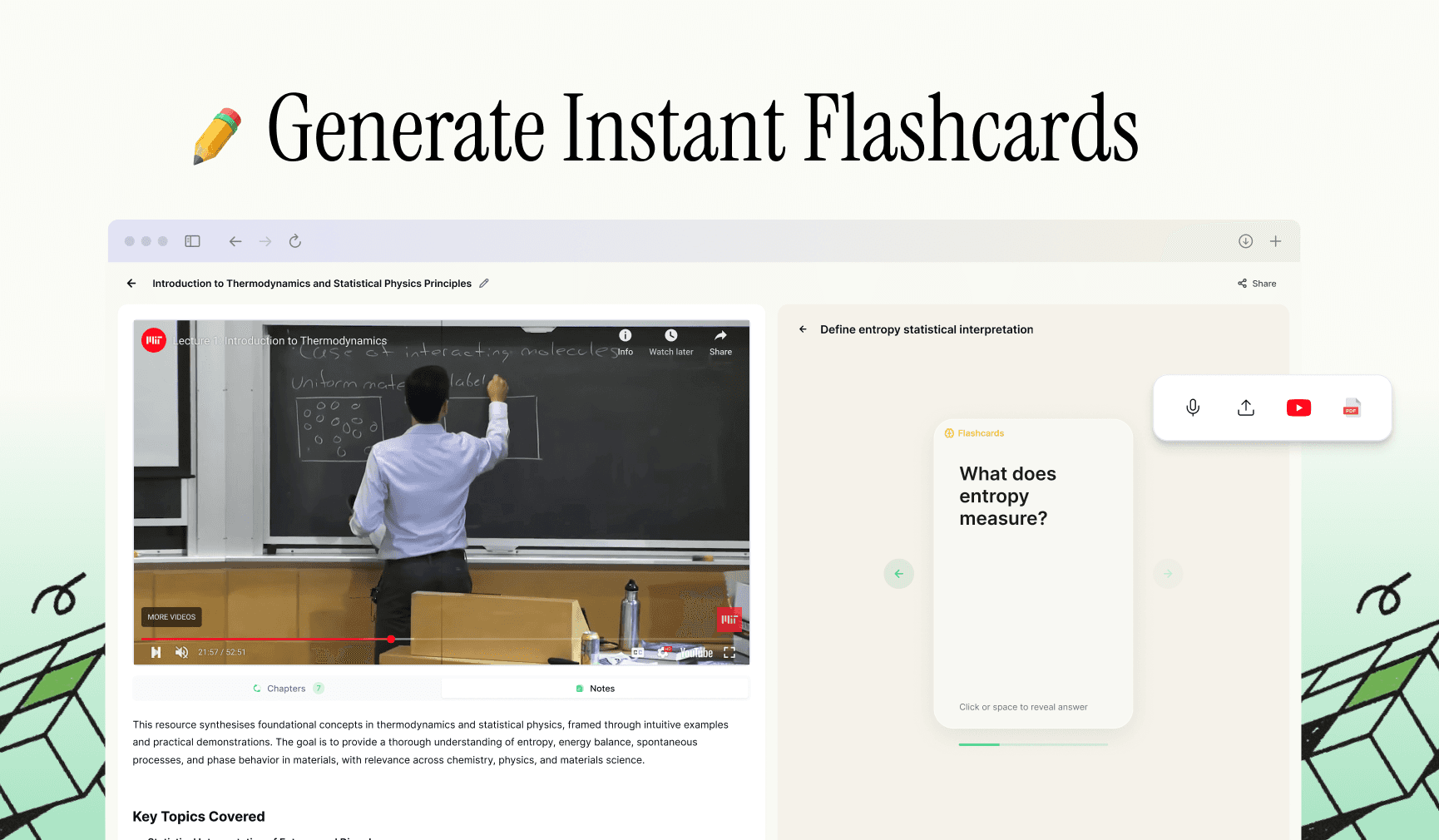
What to include in your Communication Theory flashcards
Effective Communication Theory flashcards follow the principle of 'one idea per card.' They should move beyond simple vocabulary and ask questions that require you to explain the 'why' and 'how' behind a social interaction. We recommend categorizing your cards into four primary types to ensure full coverage of the material.
Definitions & Key Terms: What is the main premise of Agenda Setting Theory?
Theorists & Origins: Who developed the Spiral of Silence theory and in what context?
Comparisons: How does the Linear Model of communication differ from the Transactional Model?
Application: Give an example of 'cognitive dissonance' in a modern advertising context.
Example prompts include: Define Hegemony in media studies, What are the four levels of distance in Proxemics?, and Explain the difference between denotative and connotative meanings.
How to study Communication Theory with flashcards
Mastering this subject requires a two-pass approach. First, use Duetoday to build your deck from your specific course materials. In your first round of study, go through the entire deck to identify which theories are intuitive and which feel abstract or confusing. Mark the tough ones for frequent review.
Generate your deck from notes or textbooks using Duetoday's AI.
Do a rapid pass to filter out concepts you already know.
Review high-difficulty theories (like Critical Race Theory or Semiotics) daily.
Mix the order of the cards to ensure you aren't just memorizing the sequence.
Perform a final mixed review 48 hours before your exam.
Generate Communication Theory flashcards automatically in Duetoday
Making cards manually for a theory-heavy subject is incredibly slow. You often spend more time writing the cards than actually learning the material. Duetoday solves this by automating the creation process. Simply upload your PDFs, lecture slides, or transcripts, and our AI extracts the core theories and definitions for you.
Upload your Communication Theory readings or paste your lecture notes.
Click 'Generate Flashcards' to see your instant deck.
Review, edit the wording if needed, and start your study session immediately.
Common Communication Theory flashcard mistakes
Don't fall into the trap of making cards that are essentially long paragraphs. If a card is too wordy, you'll end up recognizing the text rather than recalling the concept. Split complex theories into multiple cards. Also, avoid only focusing on the names of theorists; make sure you have cards that explain the actual mechanism of the theory. Finally, don't ignore the application cards—knowing the definition of 'Framing' is useless if you can't identify it in a news broadcast.
FAQ
How many flashcards do I need for Communication Theory? A standard intro course usually requires 60-100 cards to cover the major models and terminology.
What’s the best format for these flashcards? Question-and-answer format is best. Avoid simply putting a term on one side and a paragraph on the other.
How often should I review? Start with daily reviews for new theories, then move to every 3-4 days once they feel familiar.
Should I make cards from my textbook or lecture notes? Use both! Your professor's lecture notes often highlight which specific theories will be on the exam.
How do I stop forgetting the differences between theories? Use comparison cards that specifically ask you to name one difference between two similar theories.
What if my flashcards feel too easy? Add 'Application' cards that provide a real-world scenario and ask you to identify which theory is at play.
Can I generate flashcards from a PDF? Yes, Duetoday is designed to parse PDFs and turn them into structured flashcard decks automatically.
Are digital flashcards better than paper? Yes, digital cards allow for better organization and the ability to study on the go via your phone.
How long does it take to make a full deck? With Duetoday, you can generate a full deck in under two minutes from your uploaded notes.
Can Duetoday organize my cards by chapter? Yes, you can generate and categorize decks based on specific chapters or lecture dates.

Duetoday is an AI-powered learning OS that turns your study materials into personalised, bite-sized study guides, cheat sheets, and active learning flows.