Generate Flashcards for Carboxylic Acids and Derivatives
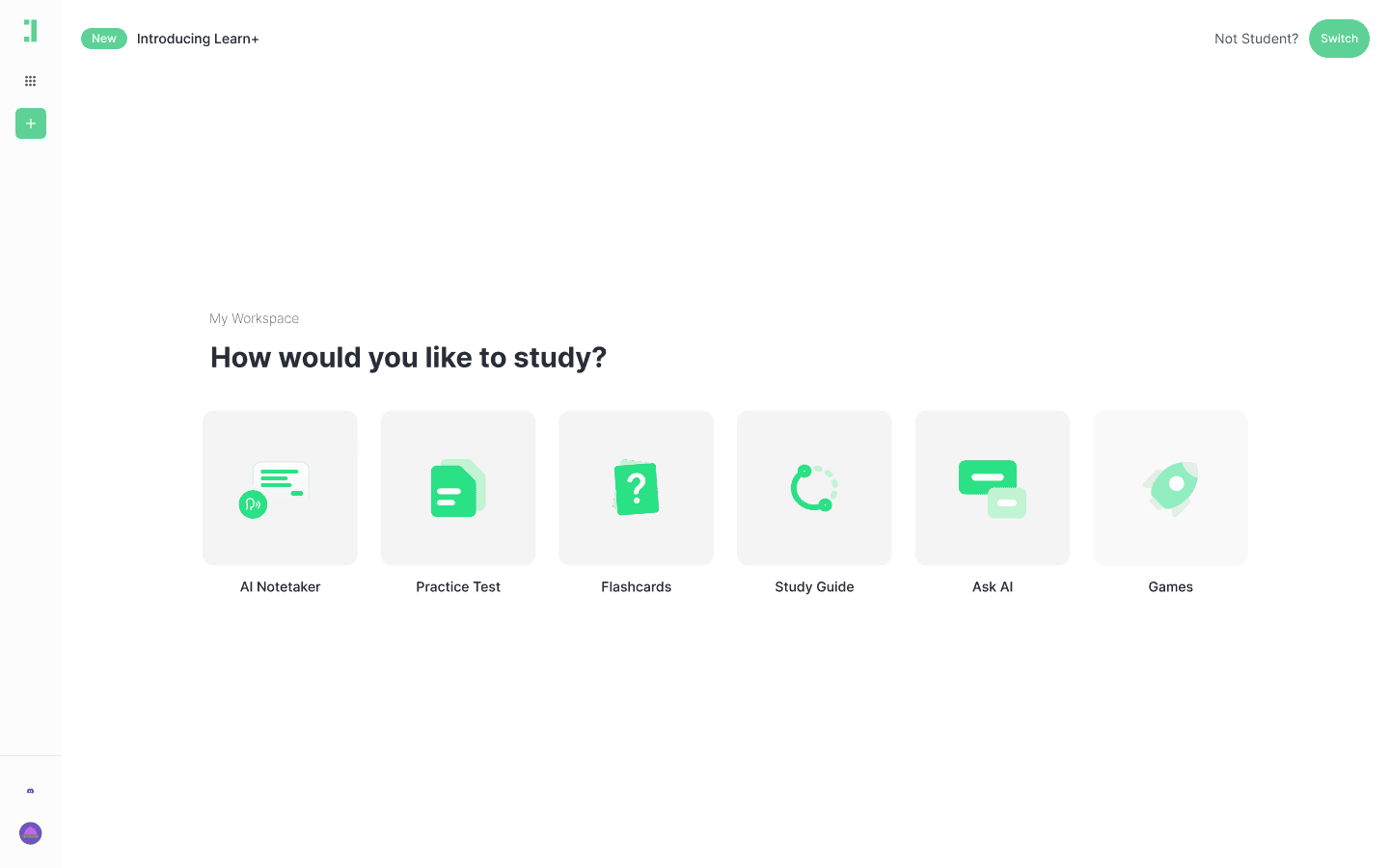
Generate Carboxylic Acids flashcards in seconds! Turn notes into study decks. Try for free!
Generate Flashcards with AI Free
Generate Flashcards for Carboxylic Acids and Derivatives
Turn your organic chemistry notes, PDFs, textbook chapters, or lecture slides into comprehensive Carboxylic Acids and Derivatives flashcards so you can master reaction mechanisms faster and remember more for your exams.
Generate Carboxylic Acid FlashcardsUpload Study Material
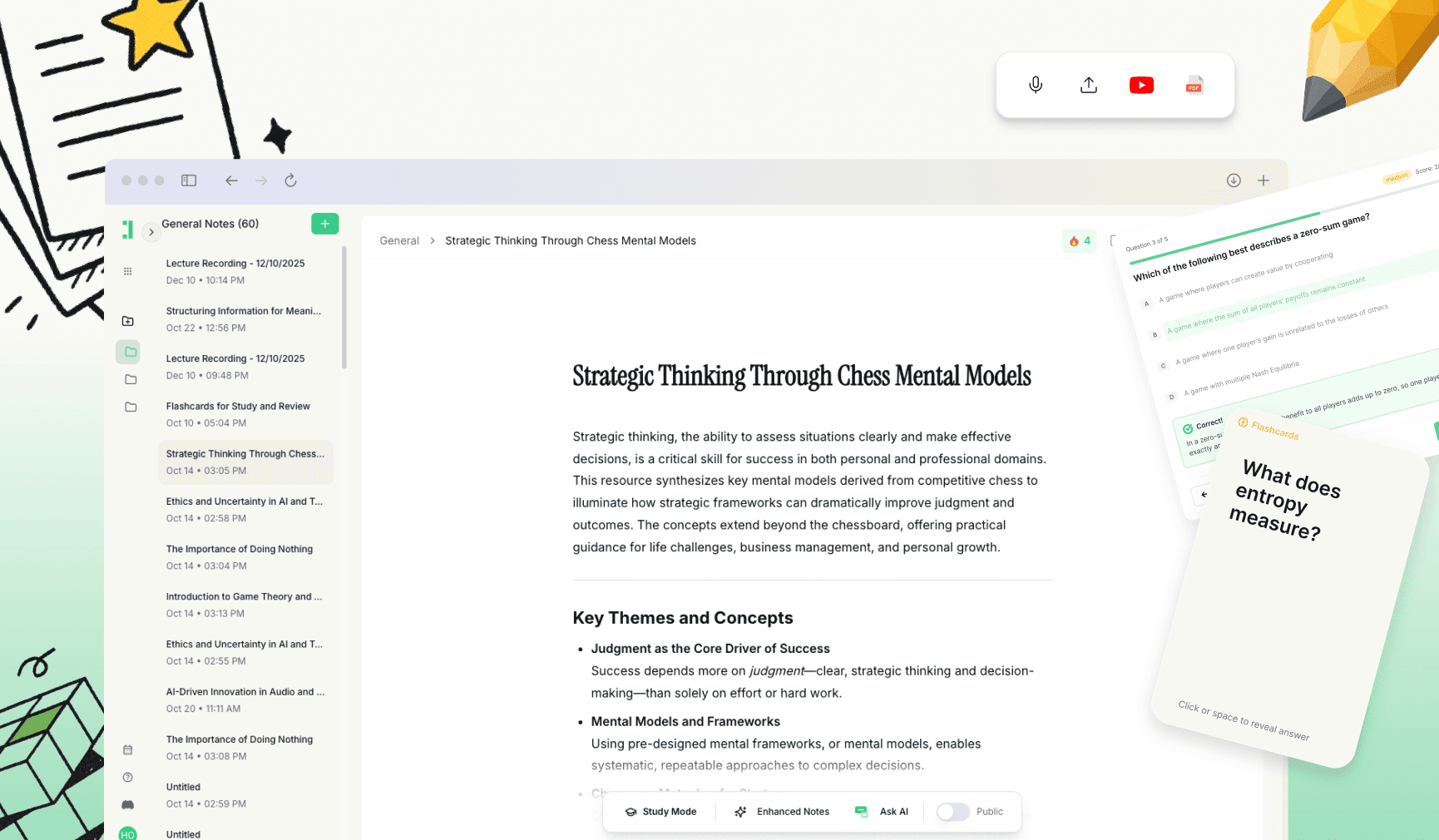
In Duetoday, the process is simple: upload your chemistry materials, and our AI analyzes the functional groups and reactions to generate a custom deck. You can then review, edit, and use active recall to build long-term mastery of organic synthesis.
What are Carboxylic Acids and Derivatives flashcards?
Carboxylic Acids and Derivatives flashcards cover the structure, nomenclature, and reactivity of molecules containing the acyl group bonded to an electronegative atom. This includes carboxylic acids, esters, amides, acid halides, and anhydrides.
Instead of passively rereading your textbook, these flashcards force you to predict products, recall reagents (like SOCl2 or LiAlH4), and explain Nucleophilic Acyl Substitution mechanisms. This active testing builds the neural pathways needed to tackle complex synthesis problems during your test.
Soft CTA: If you already have lecture notes, Duetoday can generate a clean deck in minutes.
Why flashcards work for Carboxylic Acids and Derivatives
Organic chemistry requires a mix of rote memorization for reagents and conceptual understanding for mechanisms. Flashcards bridge this gap by breaking down complex pathways into bite-sized, testable units.
Using active recall and spaced repetition helps you distinguish between similar reaction conditions without the frustration of cramming. You’ll learn to recognize patterns in carbonyl reactivity rather than just memorizing static images.
Memorize IUPAC nomenclature rules for acids and esters without getting overwhelmed.
Separate similar reagents like NaBH4 vs. LiAlH4.
Learn multistep synthesis pathways (e.g., Grignard reactions with CO2).
Practice drawing intermediate structures for tetrahedral mechanisms.
What to include in your Carboxylic Acids and Derivatives flashcards
Effective chemistry flashcards follow the "one idea per card" rule. Use clear, question-based prompts that focus on reagents, products, or specific mechanistic steps to avoid cognitive load.
You should organize your deck into four main categories:
Reagents & Products: "What is the product of acetic acid + ethanol with H2SO4?"
Reaction Mechanisms: "Draw the tetrahedral intermediate for Fischer esterification."
Physical Properties: "Why do carboxylic acids have higher boiling points than alcohols?"
Comparison: "Rank the reactivity of amides, esters, and acid chlorides toward nucleophiles."
Example prompts: "Define the pKa range of typically aliphatic carboxylic acids." "What reagent converts a carboxylic acid to an acid chloride?" "Identify the leaving group in an amide hydrolysis reaction." "What is the outcome of a Decarboxylation reaction?"
How to study Carboxylic Acids and Derivatives with flashcards
Mastering O-Chem requires a systematic workflow. Start by generating a deck from your specific course materials to ensure you are studying the exact mechanisms your professor emphasizes.
Review should be an iterative process: focus on the most difficult mechanisms first, then broaden your scope to include nomenclature and physical properties as the exam nears.
Generate your deck from your syllabus or lecture slides using Duetoday.
Do a rapid pass to identify which functional groups (like amides) confuse you most.
Review high-priority "weak" cards daily for 15 minutes.
Mix the deck to simulate the randomness of an exam paper.
Perform a final review of synthesis chains where derivatives are converted into one another.
Generate Carboxylic Acid flashcards automatically in Duetoday
Making organic chemistry flashcards manually is incredibly tedious—drawing every structure and writing out every reagent takes hours that you should be using to actually study.
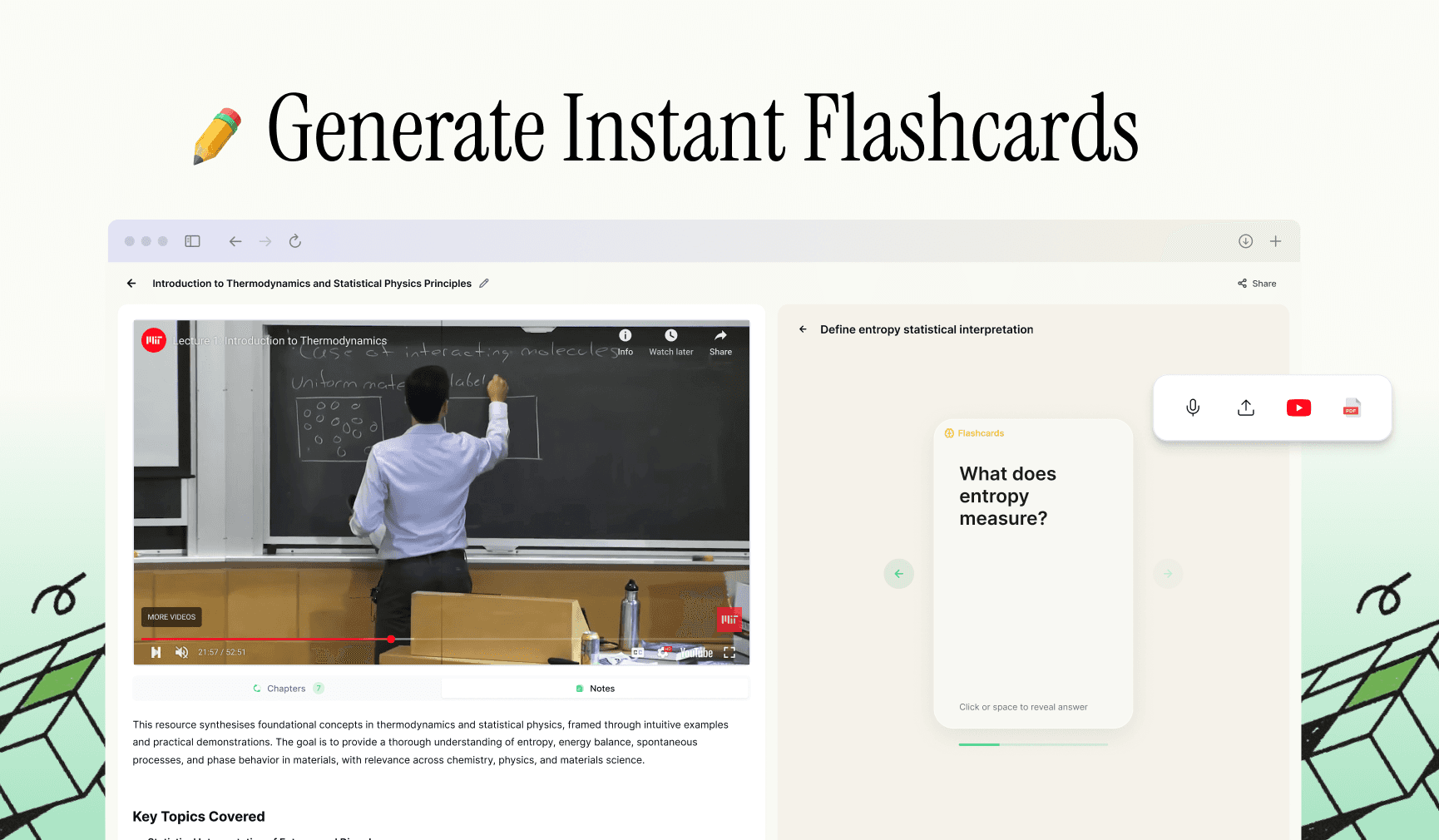
Duetoday solves this by allowing you to upload your organic chemistry PDFs or lecture recordings. The AI extracts the key reactions and mechanisms, creating study-ready cards in seconds.
Upload your O-Chem notes or textbook chapters.
Click "Generate Flashcards."
Review the AI-generated mechanisms and start your study session.
Generate Flashcards in Duetoday
Start with your notes and get a deck you can actually use today.
Common Carboxylic Acid flashcard mistakes
Many students create ineffective cards that don't translate to better grades. Avoid these common pitfalls:
Too much information: Trying to put an entire 5-step mechanism on one card. Split it up!
Ignoring conditions: Forgetting to include catalysts (like H+) or temperature.
Failing to compare: Only studying acids in isolation without comparing them to esters or anhydrides.
Passive reading: Looking at the answer before truly attempting to draw the structure.
FAQ
How many flashcards do I need for Carboxylic Acids? Aim for 40-60 cards covering common reactions (Fischer esterification, reduction, saponification) and nomenclature rules.
What’s the best format for these cards? Use 'Problem on front, Mechanism/Product on back' for reactions, and 'Name on front, Structure on back' for nomenclature.
How often should I review? Daily for the first week, then every 3 days until the exam to keep the mechanisms fresh in your mind.
Should I use textbook or lecture notes? Use lecture notes primary, as professors often have preferred mechanisms or specific reagents they test on.
How do I stop forgetting reagents? Use flashcards that specifically ask 'What reagent is needed for this transformation?' rather than just showing the answer.
What if the flashcards feel too easy? Start adding 'Challenge' cards that require you to combine three reactions into a synthesis chain.
Can I generate flashcards from a chemistry PDF? Yes, Duetoday can read chemical formulas and text from your PDF to build a structured deck.
Are digital flashcards better than paper? Yes, because they allow for spaced repetition algorithms that prioritize the reactions you keep getting wrong.
How long does it take to make a full deck? With Duetoday, it takes less than a minute. Manually, it could take over two hours of drawing.
Can Duetoday organize my derivatives by reactivity? Yes, the AI can categorize cards into groups like 'Acid Derivatives' or 'Nucleophilic Substitution' for better organization.
Ready to generate your Carboxylic Acids and Derivatives flashcards?
Stop rereading your organic chemistry textbook and start mastering mechanisms. Upload your notes to Duetoday and get a custom flashcard deck in seconds.
Start Generating Flashcards
Works with notes, PDFs, slides, and transcripts.

Duetoday is an AI-powered learning OS that turns your study materials into personalised, bite-sized study guides, cheat sheets, and active learning flows.