Generate Flashcards for Business Models
Generate AI flashcards for Business Models in seconds. Try out free to turn PDFs into study decks.
Generate Flashcards with AI Free
Generate Flashcards for Business Models
Turn your notes, PDFs, slides, or lectures into Business Models flashcards so you can review faster and remember more.
Generate Business Models FlashcardsUpload notes / paste text
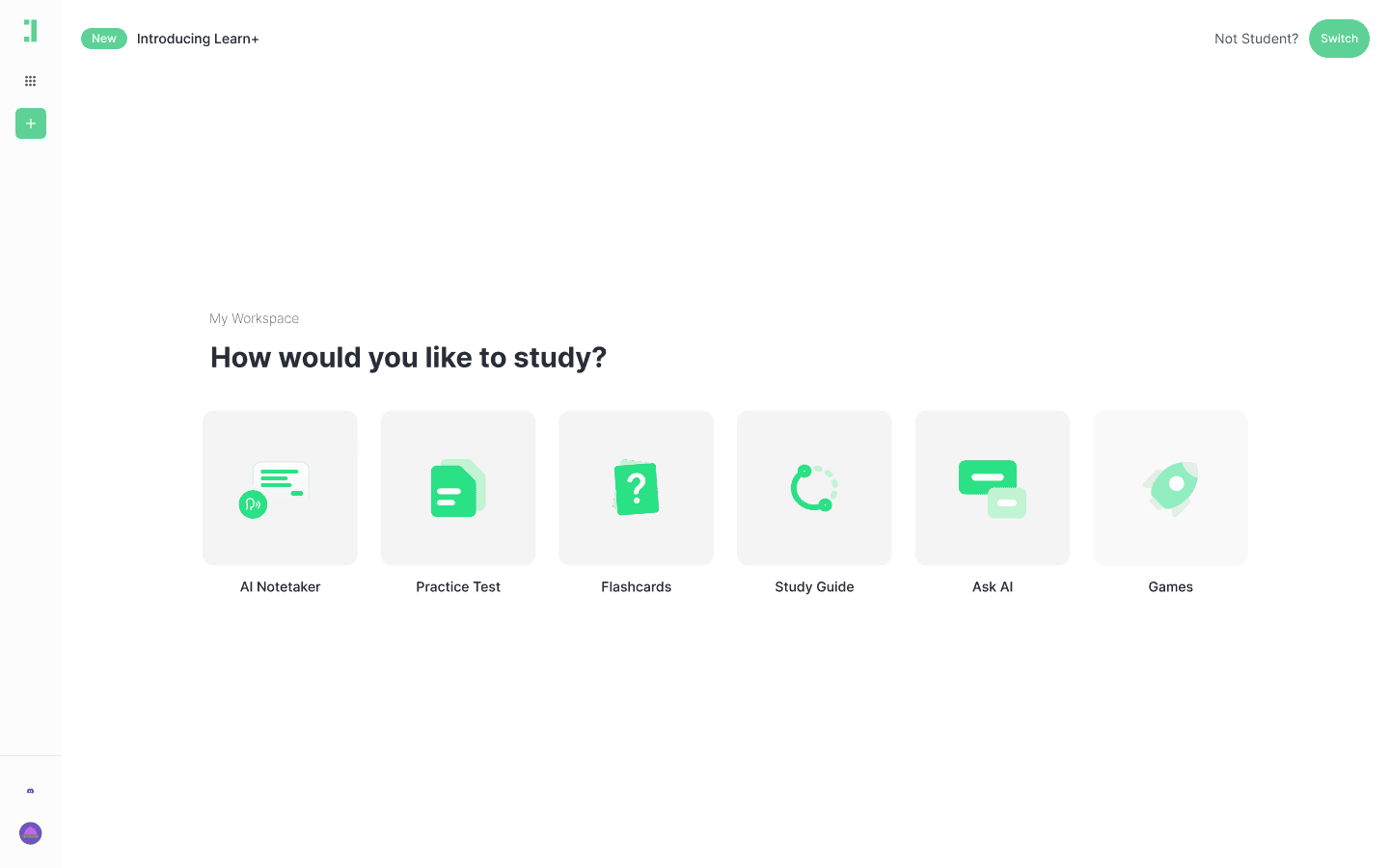
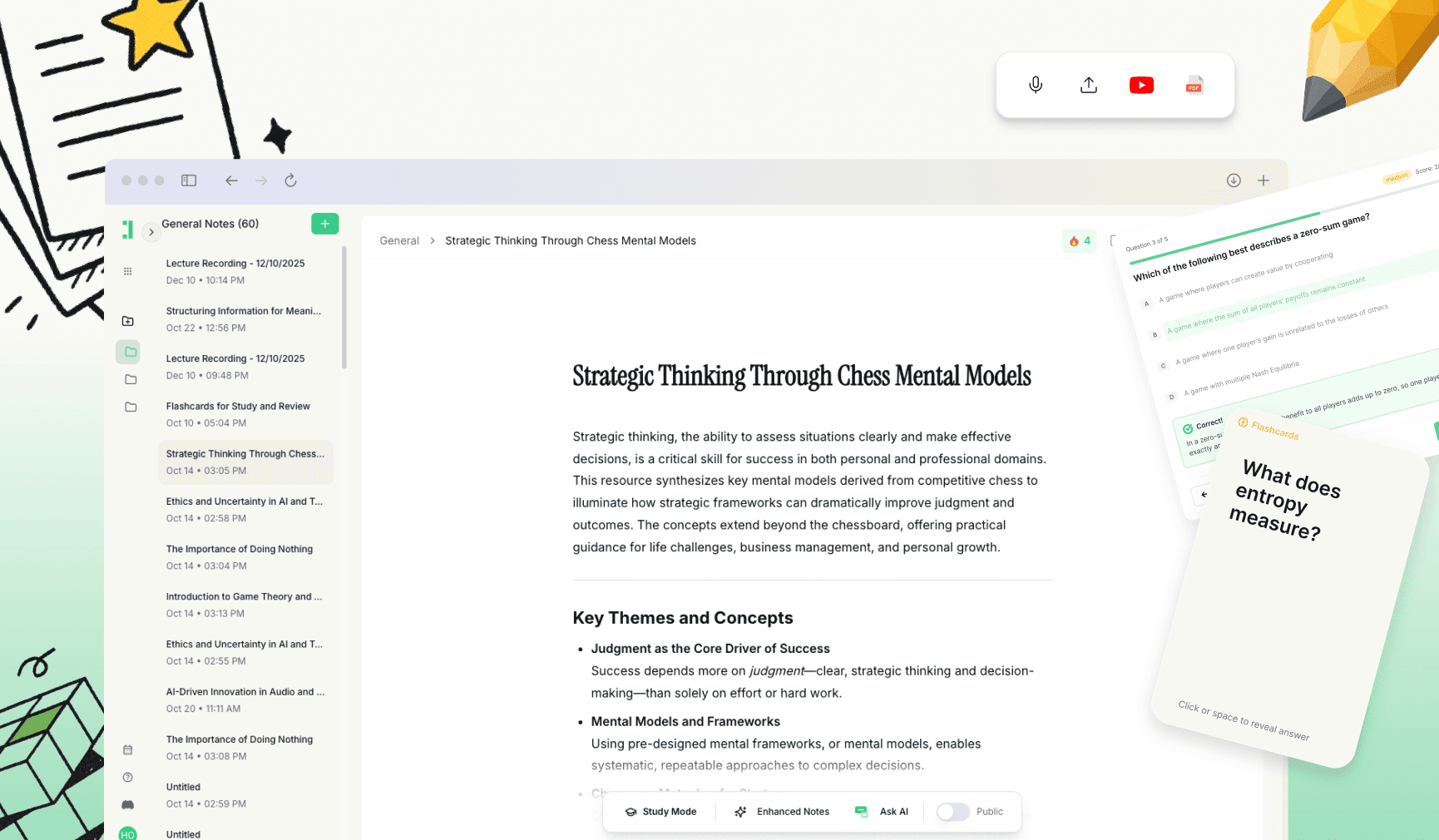
In Duetoday, the process is simple: upload your materials, generate a comprehensive deck, review or edit the cards, and start studying with active recall.
What are Business Models flashcards?
Business Models flashcards cover the structural frameworks companies use to create, deliver, and capture value. These include key components like value propositions, revenue streams, customer segments, and cost structures across various industries.
Instead of passively rereading a textbook, these flashcards force you to test yourself on how different models function, helping you build deep cognitive recall of complex organizational strategies. If you already have notes, Duetoday can generate a clean deck in minutes.
Why flashcards are one of the best ways to study Business Models
Business Models require a mix of memorizing specific definitions and understanding the moving parts of a system. Flashcards bridge the gap between knowing a term and understanding a relationship.
By using active recall and spaced repetition, you ensure that the difference between a subscription model and a freemium model stays sharp in your mind without the need for last-minute cramming.
Remember key terms like 'Value Proposition' without confusion
Separate similar concepts (e.g., Direct-to-Consumer vs. Wholesale)
Learn business cycles and pathways step-by-step
Practice applying revenue rules and cost formulas quickly
What to include in your Business Models flashcards
Good flashcards follow the 'atomic' rule: one idea per card. When studying business strategy, phrasing your cards as specific questions is much more effective than simple term-and-definition pairs.
Utilize these four categories to ensure a well-rounded deck:
Definitions: Focus on core terminology and frameworks.
Processes: Detail the steps of value creation or supply chains.
Comparisons: Contrast different strategic approaches.
Application: Use 'what if' scenarios to test your strategic thinking.
Example prompts: 'What is the primary revenue stream for a SaaS model?', 'Define the Freemium model in one sentence.', 'How does B2B marketing differ from B2C?', and 'What characterizes a platform business model?'
How to study Business Models with flashcards (a simple system)
To master business strategy, use a two-pass approach. First, build your deck based on your course syllabus or case studies, then review it in targeted rounds to build long-term retention.
Keep your sessions short but frequent. Repeating the cards you find difficult more often than the ones you know well is the secret to moving information from short-term to long-term memory.
Make a deck from your notes or generate it from your textbook chapter.
Do one quick round to find weak spots and 'bottleneck' concepts.
Review weak cards daily for three to five days.
Mix in a few harder case-study cards each session.
Do a final mixed review of all models before your exam.
Generate Business Models flashcards automatically in Duetoday
Making flashcards by hand is a slow, tedious process that takes away from actual study time. It’s easy to get bogged down in formatting rather than learning.
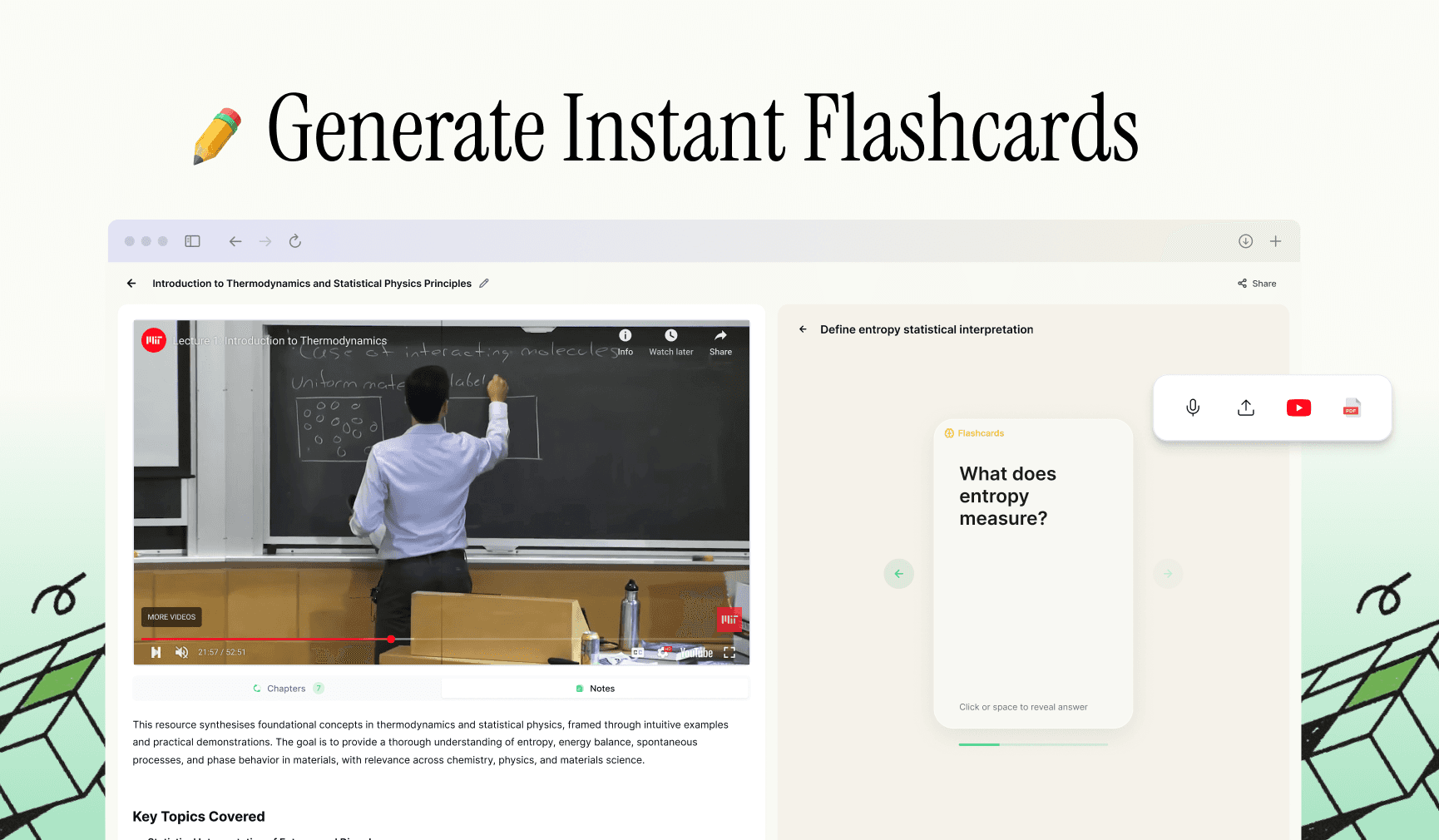
Duetoday solves this by allowing you to upload your notes, PDFs, or lecture slides and instantly generating a study-ready deck. You get all the benefits of active recall without the manual labor.
Upload or paste your Business Models material
Click 'Generate Flashcards'
Review, edit, and start studying immediately
Generate Business Models Flashcards in Duetoday
Start with your notes and get a deck you can actually use today.
Common Business Models flashcard mistakes
Most students make cards that are too 'wordy,' which leads to recognition rather than actual recall. If a card has a whole paragraph on the back, you aren't testing your memory; you're just reading.
Cards are too long: Split them into one single idea per card.
Only memorizing words: Add 'why' or 'how' to your prompts to test logic.
Confusing similar models: Use comparison cards to highlight differences.
No review schedule: Ensure you are repeating the harder cards frequently.
FAQ
How many flashcards do I need for Business Models? Usually, 40-60 cards per major unit are enough to cover the core definitions, revenue models, and case study examples without becoming overwhelming.
What’s the best format for Business Models flashcards? The 'Question and Answer' format is best. Instead of just writing 'SaaS,' ask 'What are the three main characteristics of a SaaS business model?'
How often should I review my cards? Aim for 15-minute sessions daily. Consistency is more important than duration when it comes to business frameworks.
Can I generate cards from my textbook? Yes, you can upload PDF chapters or photos of your notes into Duetoday to create cards instantly.
Are digital flashcards better than paper? For Business Models, digital cards are superior because they allow for easy reorganization and automated spaced repetition tracking.
How do I stop forgetting models after a week? Use Duetoday’s spaced repetition system, which resurfaces difficult cards at the exact moment you are likely to forget them.
What if my cards feel too easy? This usually means they are too simple. Try adding application questions, such as 'How would a change in cost structure affect a low-cost carrier model?'
Can Duetoday organize my cards? Yes, Duetoday categorizes and tags your cards so you can focus on specific business topics like Marketing, Finance, or Strategy.
Ready to generate your Business Models flashcards?
Stop rereading and start recalling. Upload your notes today and get a custom deck in seconds.
Start Generating Flashcards
Works with notes, PDFs, slides, and transcripts.

Duetoday is an AI-powered learning OS that turns your study materials into personalised, bite-sized study guides, cheat sheets, and active learning flows.