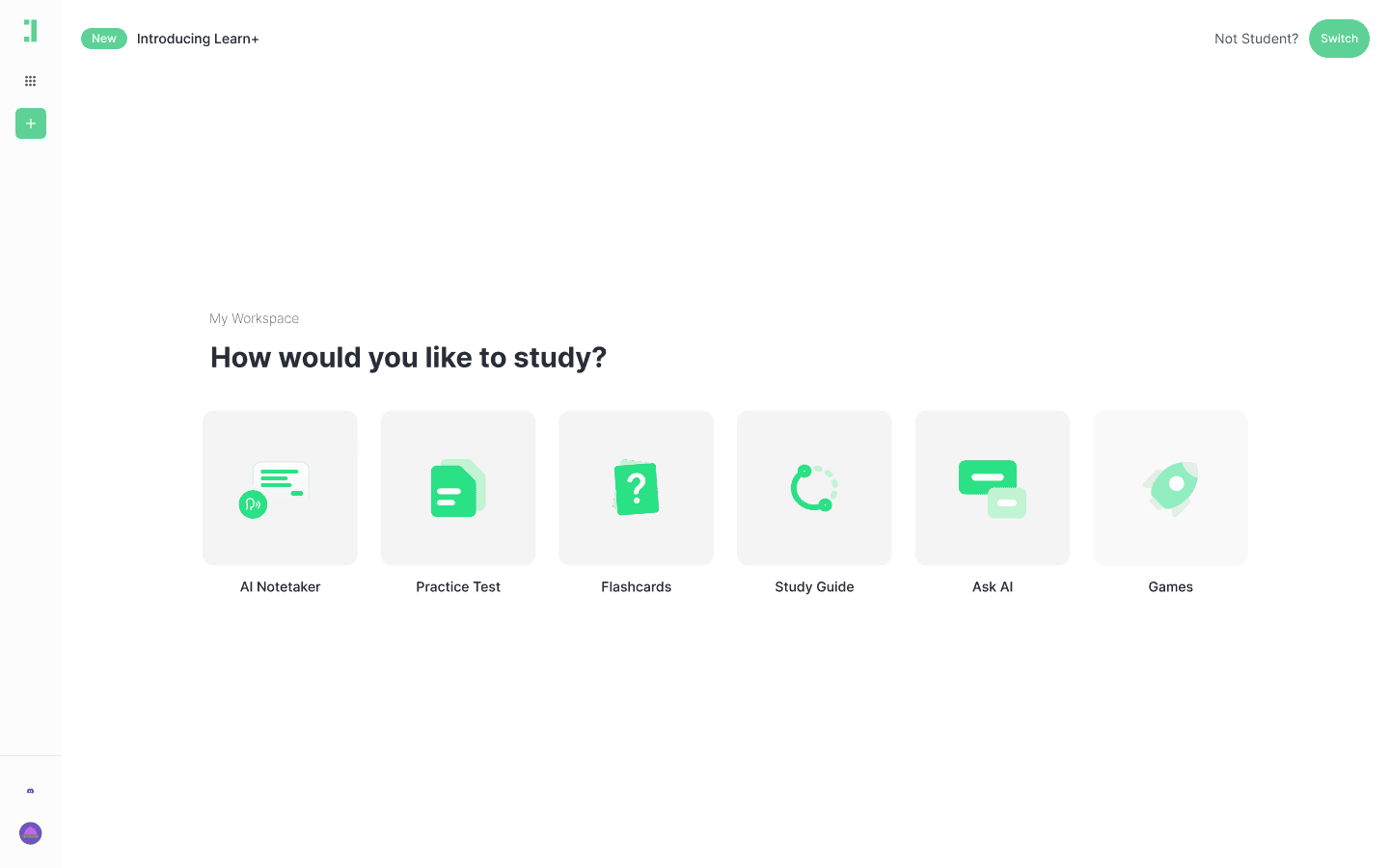
Generate Flashcards for Abnormal Psychology
Generate or make Abnormal Psychology flashcards to master DSM-5 criteria and psychological disorders with this guide.
Generate Flashcards with AI Free
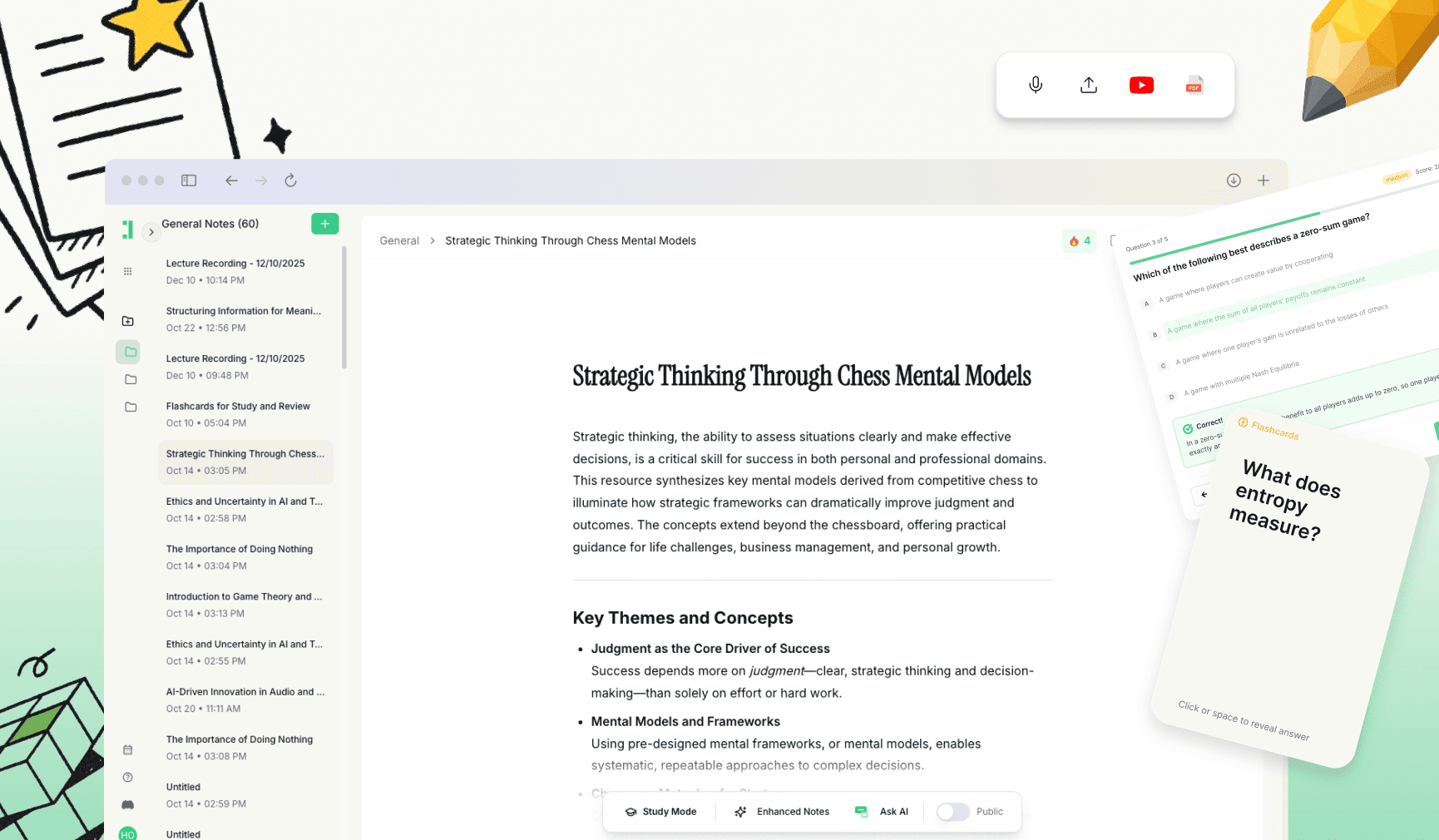
Generate Flashcards for Abnormal Psychology
Turn your notes, PDFs, slides, or lectures into Abnormal Psychology flashcards so you can review faster and remember more. Whether you are studying mood disorders, personality theories, or neurodevelopmental conditions, Duetoday helps you transform dense textbooks into bite-sized study sets.
Generate Abnormal Psychology FlashcardsUpload notes / paste text
Using Duetoday is simple: upload your materials, and our AI identifies key terms and diagnostic criteria to generate a custom deck. You can then review, edit, and study your flashcards anywhere.
What are Abnormal Psychology flashcards?
Abnormal Psychology flashcards cover the essential diagnostic criteria (DSM-5), theoretical perspectives (biological, cognitive, behavioral), and treatment modalities for psychological disorders. They break down complex syndromes into clear questions and answers.
Instead of rereading long chapters on psychopathology, you test yourself on specific symptoms and etiologies to build strong mental recall. If you already have notes, Duetoday can generate a clean deck in minutes.
Why flashcards work for Abnormal Psychology
This subject requires high-level categorization and memorization of distinct criteria that often overlap. Flashcards help you distinguish between similar conditions and memorize specific diagnostic durations.
By using active recall and spaced repetition, you move beyond passive recognition and ensure you can identify disorders in clinical scenarios without hesitation.
Remember DSM-5 diagnostic criteria without cramming
Separate similar concepts (e.g., Bipolar I vs. Bipolar II)
Learn psychological theories step-by-step (pathways of development)
Practice identifying symptoms from clinical case descriptions
What to include in your Abnormal Psychology flashcards
Effective flashcards follow the one idea per card rule. For this subject, focus on making your cards question-based rather than just listing facts. Use these four main categories to structure your learning:
Definitions & key terms: Focus on terminology like comorbidity, etiology, or prognosis.
Processes & steps: Outline the steps of a clinical assessment or the stages of treatment.
Comparisons: Contrast different disorders, such as Social Anxiety vs. Agoraphobia.
Application: Create mini-vignettes where you identify a disorder based on a set of symptoms.
Example prompts: What is the minimum duration for a Major Depressive Episode? Define the 'positive symptoms' of Schizophrenia. How does OCD differ from OCPD? What are the three clusters of personality disorders?
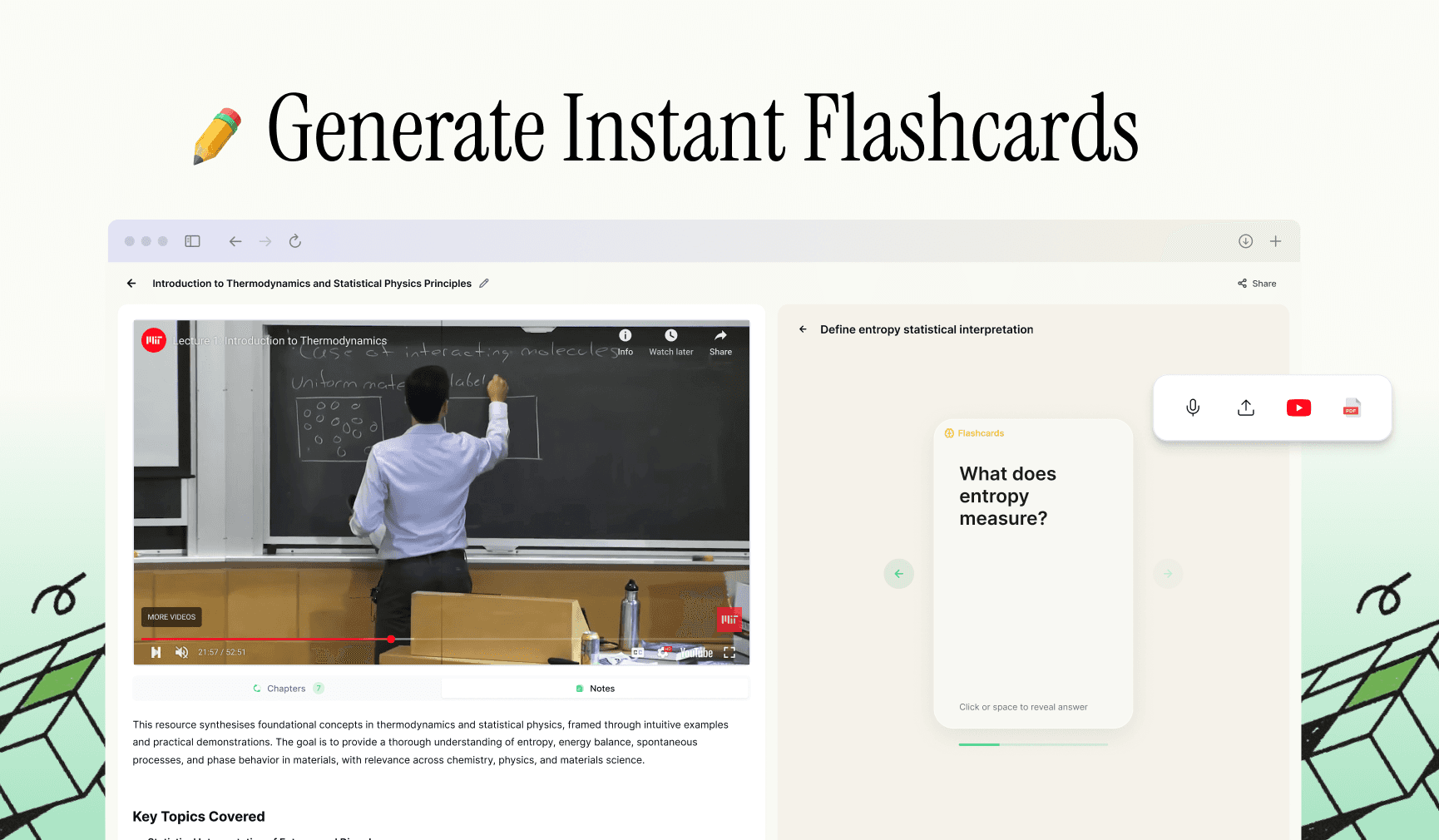
How to study Abnormal Psychology with flashcards
A systematic approach is better than random flipping. Use a two-pass method: first, build your deck based on your weekly lectures, then review in frequent but short rounds to reinforce the material.
Focus on reviewing your weak cards—the ones where you struggle to remember the diagnostic threshold—more often than the ones you know by heart.
Make a deck from your notes or generate it from your textbook chapter.
Do one quick round to find which disorders confuse you the most.
Review weak cards daily for a few days to build familiarity.
Mix in harder application-based cards (case studies) each session.
Do a final mixed review of all clusters before your exams.
Generate Abnormal Psychology flashcards automatically in Duetoday
Making cards manually is slow and messy, often leading to cards that are too long to be useful. Duetoday streamlines the process by extracting the most testable information for you.
Simply upload your Abnormal Psych PDFs or slides, and the AI generates flashcards instantly. You get to spend more time studying and less time typing.
Upload or paste your Abnormal Psychology material.
Click Generate Flashcards.
Review, edit, and start studying immediately.
Generate Abnormal Psychology Flashcards in Duetoday
Start with your notes and get a deck you can actually use today.
Common Abnormal Psychology flashcard mistakes
Most students create cards that are too wordy, which makes them hard to review. Avoid these common pitfalls to keep your study sessions efficient:
Cards are too long: Split multi-symptom disorders into multiple cards.
Only memorizing names: Ensure you include why or how a disorder develops.
Ignoring exclusions: Remember to include what a disorder is *not* (differential diagnosis).
No review schedule: Spacing is key for psychology terminology; don't wait until the night before.
No application: Add cards that ask you to apply a theory to a specific behavior.
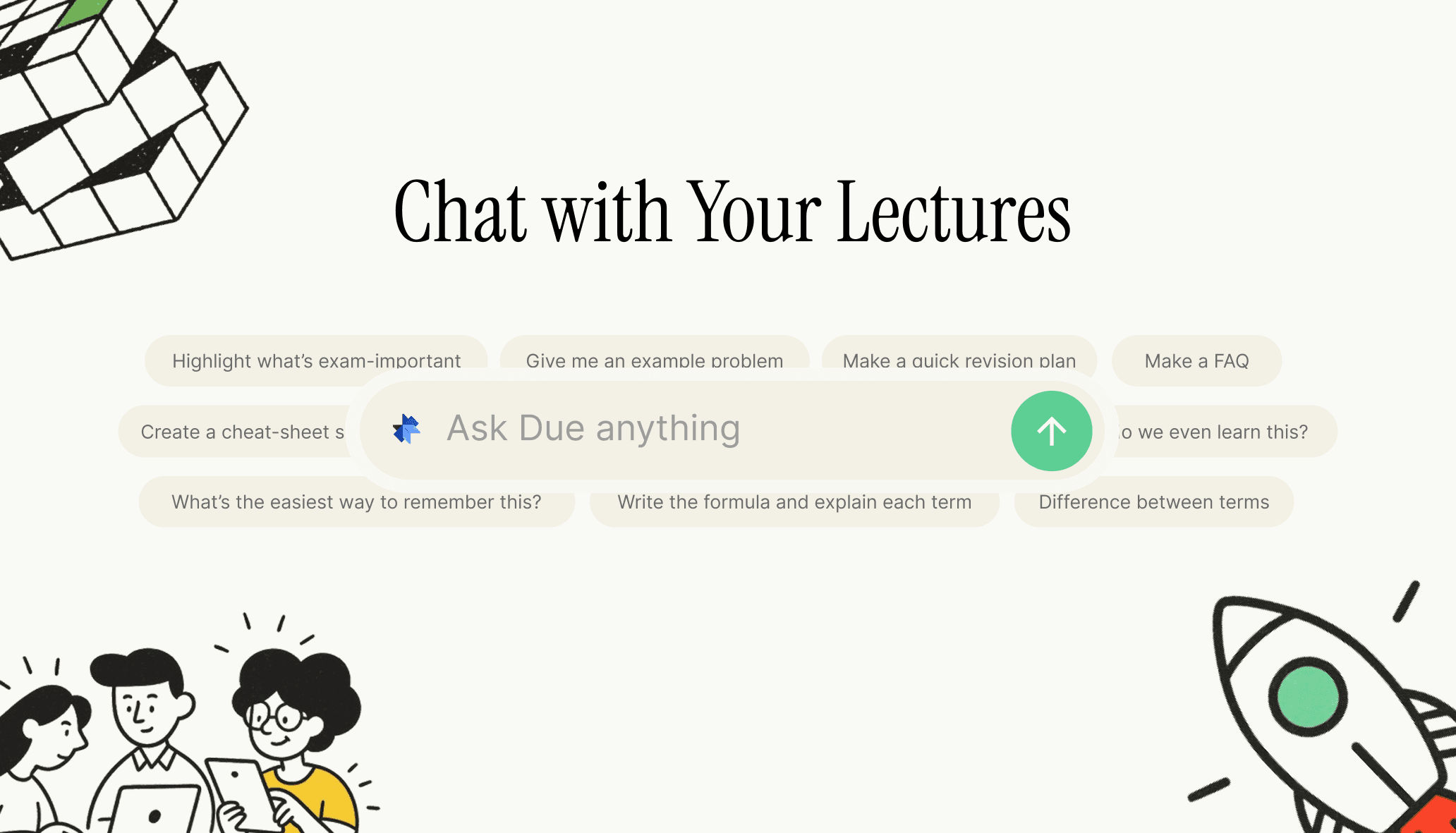
FAQ
How many flashcards do I need for Abnormal Psychology?
A typical chapter usually requires 30–50 cards. Focus on the diagnostic criteria, major theories, and specific treatments for each disorder category.
What is the best format for Abnormal Psychology flashcards?
The front should be a specific question (e.g., 'What is a hallucination?'), and the back should be a concise, one-sentence answer.
How often should I review my cards?
Review new material daily for the first three days, then move to every three days as you become more confident with the terms.
Should I make cards from a textbook or lecture notes?
Use lecture notes for the topics your professor emphasizes, but use the textbook to fill in specific DSM-5 diagnostic details if the notes are brief.
How do I stop forgetting disorders after a few days?
Use spaced repetition. Duetoday helps you track which cards you miss so you see them more frequently until they stick.
What if my flashcards feel too easy?
If they are too easy, start adding application questions like 'Given symptoms X and Y, which diagnosis is excluded?' to increase the difficulty.
Can I generate flashcards from a PDF automatically?
Yes, Duetoday is designed to read your PDFs and transcripts to create organized flashcard decks in seconds.
Are digital flashcards better than paper for Psychology?
Digital cards are often better because they allow for faster searching, easier editing, and built-in spaced repetition algorithms that paper cards lack.
How long does it take to make a full deck?
Manually, it can take hours. With Duetoday, you can generate a full chapter's worth of flashcards in about 60 seconds.
Can Duetoday organize my flashcards by disorder cluster?
Yes, you can generate separate decks for Mood Disorders, Anxiety Disorders, and Personality Disorders to keep your studying organized.

Duetoday is an AI-powered learning OS that turns your study materials into personalised, bite-sized study guides, cheat sheets, and active learning flows.