
Chatgpt prompts for Strong Introductions [Free Guide]
Discover effective ChatGPT prompts for strong introductions. Learn how to craft compelling opening hooks for essays, blogs, and papers with AI.
Use Study AI Free
ChatGPT Prompts for Strong Introductions
Many writers struggle to bridge the gap between a blank page and a hook that actually keeps a reader from clicking away. These ChatGPT prompts for strong introductions unlock the ability to turn dry topics into magnetic opening statements while ensuring your thesis remains clear and authoritative. Copy and paste the prompts below to start your writing process with momentum.
The Quick Start Guide
To get the most out of these prompts, follow this quick framework:
Source Material: Paste your outline or main argument.
Target Audience: Define who you are writing for (e.g., academic, casual blogger, executive).
The Constant Rule: Never let ChatGPT guess your facts; always provide the core points you need to introduce.
How to Use These Prompts Effectively
Writing a great introduction is a systemic process. First, paste your draft material or key research points into the chat so the AI has context. Second, set specific constraints regarding the tone and the length of the opening paragraph. Third, ask for multiple variations (e.g., one narrative hook, one statistical hook) to see which fits best. Finally, convert the output into a structured roadmap for the rest of your piece.
Bucket A: Understand & Frame
The 'Hook-Bridge-Thesis' Architect
Use this when you have the facts but don't know how to weave them into a standard academic or professional intro.
A good answer will provide a three-sentence flow that naturally leads the reader to your main argument.
The 'Inverted Pyramid' Specialist
Use this for news-style or informative blog posts where the most important info needs to come first.
A good answer will be punchy, front-loading the value to capture attention immediately.
The Socratic Opening Hook
Use this to engage the reader's curiosity by starting with a deep, thought-provoking question.
A good answer will avoid clichés and instead use 'why' or 'how' questions that demand further reading.
Bucket B: Practice & Refine
The 'Teach It Back' Drill
Use this to ensure your introduction successfully explains your topic's importance effectively.
A good answer will identify gaps in your logic and provide a more concise version of your opening.
The Opposing Viewpoint Hook
Use this for persuasive essays to create immediate tension and interest.
A good answer creates a 'sophisticated' feel by showing you understand both sides of an issue.
The Narrative Scene Setter
Use this for creative non-fiction or storytelling-based marketing.
A good answer uses sensory details to place the reader directly into the situation.
Common Mistakes to Avoid
Starting with 'In today's world': This is a classic AI and amateur cliché. Tell the AI to avoid such overused phrases.
Broad Generalities: Don't let the AI start with 'Since the dawn of time.' Keep the focus narrow and specific to your prompt.
Missing the Thesis: An intro without a clear point is just fluff. Always ensure the prompt asks for a concluding thesis sentence.
Supercharge Your Writing with Duetoday
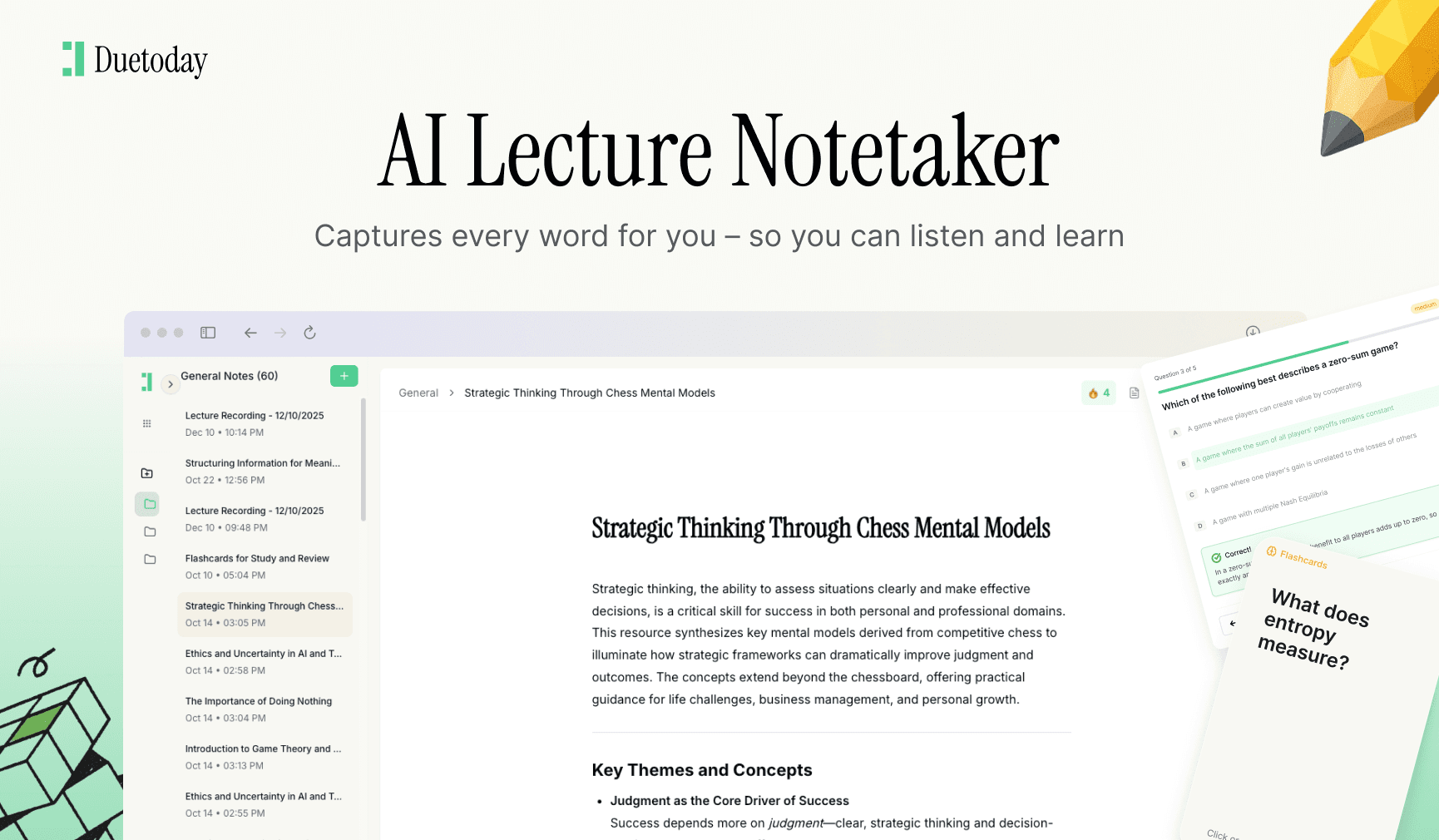
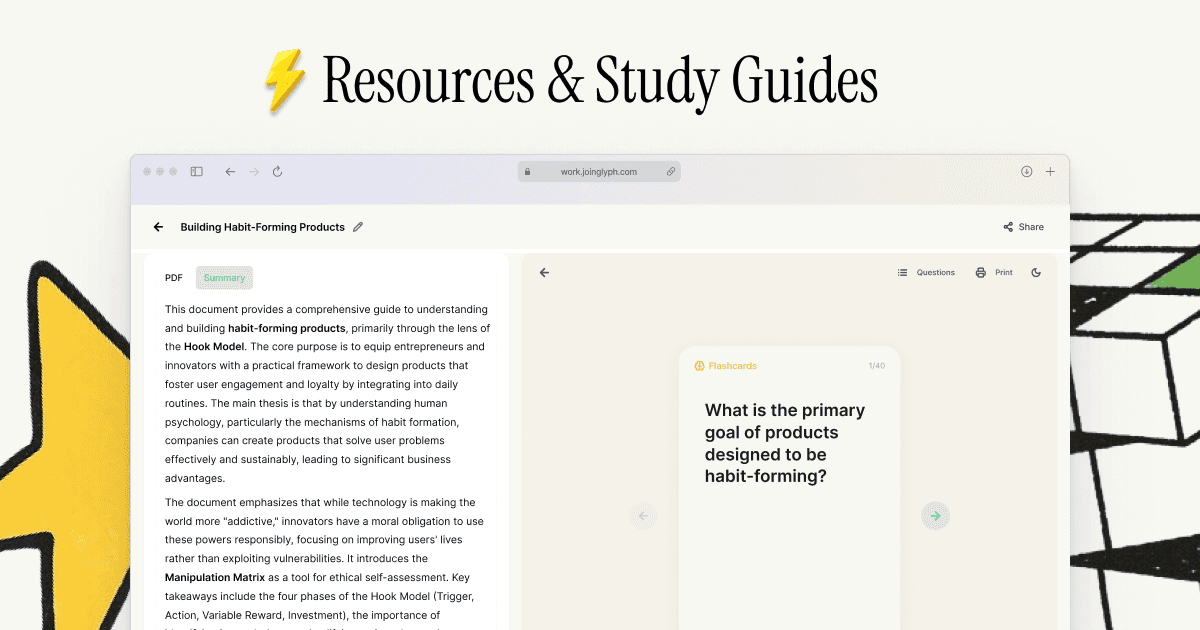
If you find yourself manually copying and pasting between ChatGPT and your notes, it's time for a better workflow. Duetoday is a retention-first AI workspace that connects your PDFs, YouTube research, and notes in one place. Instead of jumping between tabs, Duetoday knows your source material and can generate hooks, summaries, and study guides directly from your library.
Upload your research papers and lectures.
Generate instant introductions based on connected context.
Create an AI-powered execution plan for your entire paper.
Stop wrestling with prompts and start writing with a brain that remembers everything.
Pick two of the prompts above and test them on your current project. If you want the process automated from start to finish, try Duetoday today.

Duetoday is an AI-powered learning OS that turns your study materials into personalised, bite-sized study guides, cheat sheets, and active learning flows.
More Chatgpt Prompts
GET STARTED
Most Powerful Study Tool
for Students and Educators
Try Out Free. No Credit Card Required.
