
Chatgpt prompts for simplifying academic language [Free Guide]
Discover the best ChatGPT prompts for simplifying academic language. Turn dense papers and jargon into clear, easy-to-understand study notes using AI.
Use Study AI Free
ChatGPT Prompts for Simplifying Academic Language
Many students find themselves staring at dense academic papers or complex textbooks that feel like they are written in a foreign language. These ChatGPT prompts unlock a way to translate high-level academic jargon into clear, accessible concepts, helping you improve both your understanding and long-term retention. Use the copy/paste prompts below to break down any difficult reading material instantly.
Quick Guide: How to Simplify Academic Text
To get the best results, copy your academic text and paste it into ChatGPT alongside a prompt that defines your target understanding level. Always provide the source text rather than asking ChatGPT to search its own memory, as this prevents hallucinations and ensures the simplified version is accurate to your specific curriculum. Replace bracketed text like [Topic] or [Complexity Level] with your specific details.
How to Use These Prompts Effectively
Step 1: Paste your material: Provide the specific excerpt, research paper snippet, or lecture slide you are struggling with.
Step 2: Set constraints: Tell the AI who the audience is (e.g., 'explain like I am a first-year student') to control the level of technicality.
Step 3: Check for gaps: Ask the AI to identify the three most important technical terms from the simplified version and define them.
Step 4: Convert to study tools: Once you understand the text, move it into a spaced repetition system like Duetoday to ensure you don't forget it.
Bucket A: Understand Complex Concepts
1. The 'Analogy First' Prompt
Use this when you understand the words but cannot visualize how the concept works in reality.
A good answer will provide a clear 'mental image' followed by a readable summary.
2. The Socratic Simplifier
Use this when you want to be guided through a difficult theory step-by-step.
A good answer builds a foundation of knowledge rather than dumping a wall of text.
Bucket B: Remember and Organize
3. The Terminology Decoder
Use this when a text is heavy with acronyms and specific discipline-based vocabulary.
A good answer provides a 'cheat sheet' for the reading session.
4. The 'Relational' Summary
Use this to see how a small piece of academic text fits into the 'big picture' of your course.
A good answer provides both clarity and context.
Bucket C: Practice and Recall
5. The 'Teach it Back' Drill
Use this to test if the simplified version actually stuck in your head.
A good answer challenges your mastery through active recall.
6. The Practice Question Generator
Use this to prepare for exams using simplified concepts.
A good answer helps you apply the simplified knowledge immediately.
Common Mistakes to Avoid
Asking without source text: Never ask 'Explain the theory of Relativity' without providing your specific class notes; the AI might focus on details you don't need.
Ignoring the 'Hallucination' risk: If the text is very niche, ChatGPT might fill gaps with plausible-sounding but wrong facts.
Skipping Practice: Simplifying a text is only half the battle. If you don't turn that simplified text into a quiz or flashcard, you will forget it within 24 hours.
Pick two prompts from this list and apply them to your hardest reading assignment today. If you want this entire process automated—from PDF upload to simplified notes—try Duetoday.

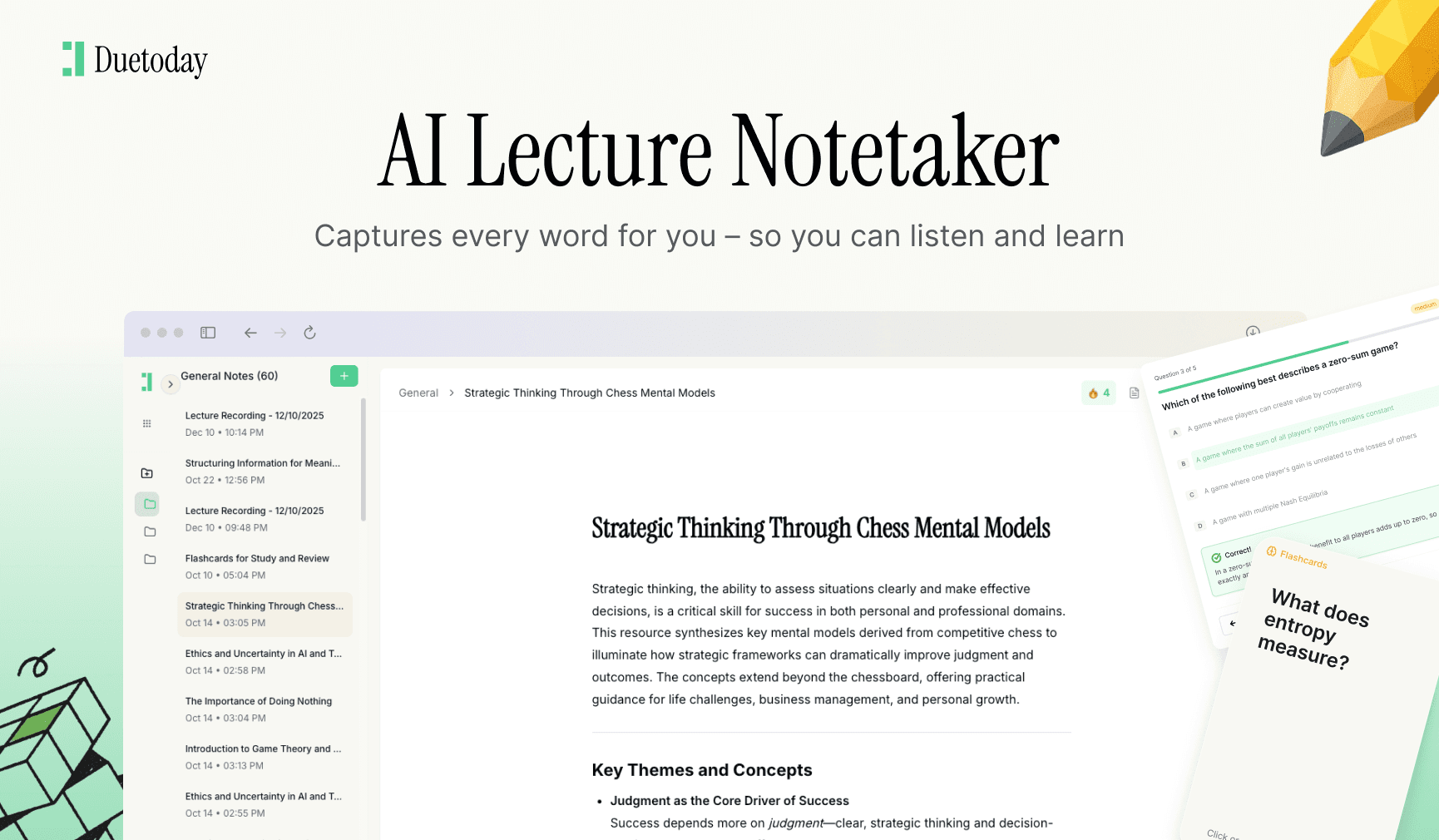
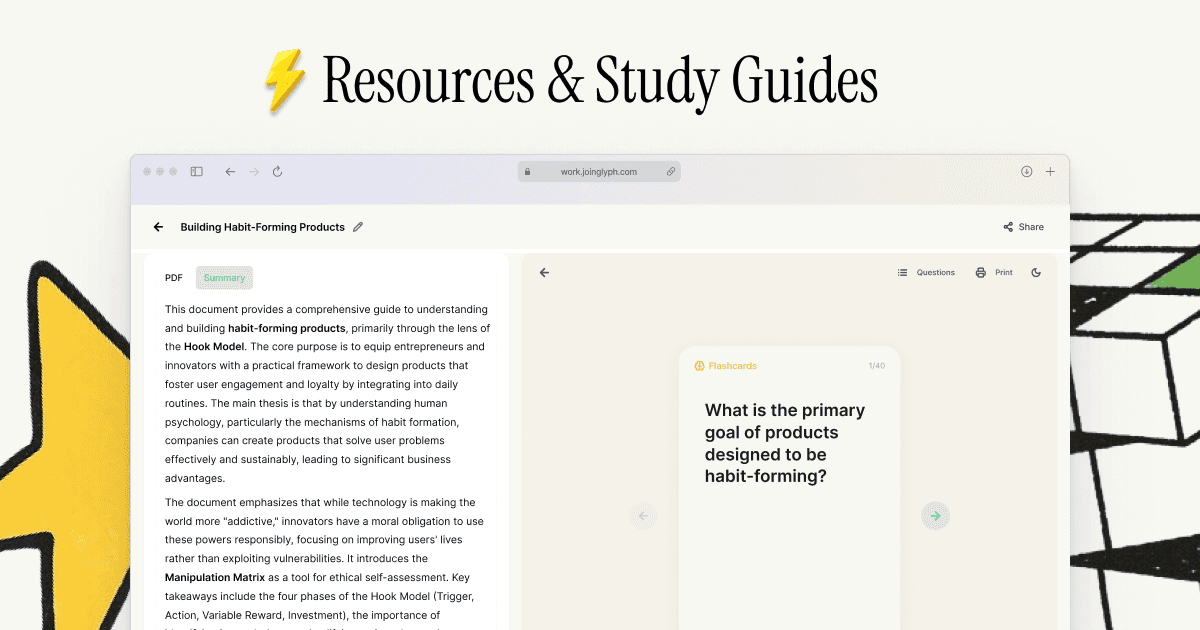
Duetoday is an AI-powered learning OS that turns your study materials into personalised, bite-sized study guides, cheat sheets, and active learning flows.
More Chatgpt Prompts
GET STARTED
Most Powerful Study Tool
for Students and Educators
Try Out Free. No Credit Card Required.
