ChatGPT Prompts for Image Descriptions [Free Guide]
Discover the best ChatGPT prompts to turn complex diagrams, charts, and anatomy into clear, descriptive text for your image-based flashcards and Anki decks.
Use Study AI Free
ChatGPT Prompts for Image-Based Flashcard Descriptions
Students often struggle to translate visual data like complex diagrams, chemical structures, or anatomical charts into text that is easy to memorize. These prompts unlock a faster way to describe visual elements, ensuring you capture the most important details for long-term retention. Copy and paste the prompts below to transform your visual study materials into high-quality flashcards.
Quick Answer: The Best Way to Use This Page
To get the most out of these prompts, follow this protocol: Upload the image directly to ChatGPT (using GPT-4o or Vision) and paste one of the prompts below. Always specify your academic level (e.g., Medical Student, Undergraduate) and the specific exam focus. The golden rule: Don't let ChatGPT just describe the image; tell it to 'extract high-yield information' so it doesn't waste space on fluff.
How to Use These Prompts
Step 1: Upload your image (diagram, slide, or screenshot) to the chat interface.
Step 2: Set your constraints by defining the target format (e.g., Anki Cloze deletion or Front/Back style).
Step 3: Ask ChatGPT to identify the 'key identifying features' that distinguish this image from similar ones.
Step 4: Review the output for accuracy and import the text into your Duetoday AI brain for automated scheduling.
Bucket A: Understand the Visuals
The 'Anatomy of a Diagram' Prompt
Use this when you have a complex system or labeled diagram and need to understand the relationship between parts.
A good answer provides a concise list of components and a clear explanation of the underlying process depicted.
The 'Process Flow' Clarifier
Perfect for flowcharts or cycles like the Krebs cycle or a business supply chain.
This should result in a step-by-step narrative that makes the logic of the image easy to recall without looking at it.
The 'Medical Image' Interpreter
Use this for histology slides, X-rays, or anatomical cross-sections.
Look for specific descriptors like 'honeycomb pattern' or 'cobblestone appearance' that are easy to anchor in memory.
Bucket B: Remember and Memorize
The 'Mnemonics for Visuals' Prompt
Use this to create mental anchors for complex charts or grouped data.
A good output will link the visual shapes or colors in the image to the letters of the mnemonic for better encoding.
The 'Cloze Deletion' Generator
Use this to create fill-in-the-blank style descriptions for Anki or Duetoday.
This provides a ready-to-use snippet that tests your active recall of the image's core components.
Bucket C: Practice and Test
The 'Spot the Difference' Drill
Use this when you have two similar images (e.g., healthy vs. diseased tissue).
This forces you to focus on the nuances that examiners love to test.
The 'Socratic Image Tutor'
Use this to test your knowledge rather than just reading a description.
This engages active recall, which is significantly more effective for retention than passive reading.
The 'Error-Log' Analyzer
Use this when you get a flashcard wrong and don't understand why.
This helps correct your mental models and prevents repeat mistakes on exam day.
Common Mistakes to Avoid
No Source Context: Uploading an image without telling the AI what subject it's for leads to generic, useless descriptions.
Vague Constraints: If you don't ask for 'simple language' or 'medical terminology,' the output may be at the wrong difficulty level.
Ignoring Scale: Forgetting to ask about the scale or orientation of an image can lead to confusion during actual exams.
Pick two prompts from the list above and try them with your most difficult diagram today. If you want this entire process automated—where your lecture slides are turned into flashcards and scheduled for you—try Duetoday AI.

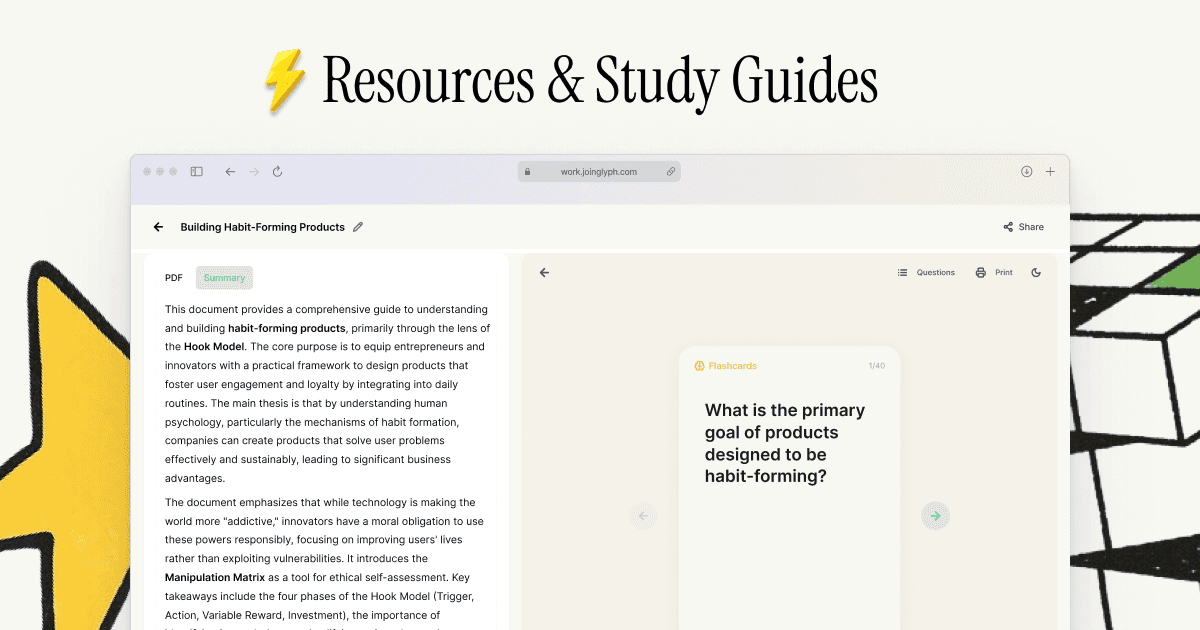
Duetoday is an AI-powered learning OS that turns your study materials into personalised, bite-sized study guides, cheat sheets, and active learning flows.
More Chatgpt Prompts
GET STARTED
Most Powerful Study Tool
for Students and Educators
Try Out Free. No Credit Card Required.