
>

>

ChatGPT Prompts for Grammar Practice: Study Smarter & Fast

Chatgpt prompts for Grammar Practice [Free Guide]

Unlock the best ChatGPT prompts for grammar practice. Master syntax, punctuation, and style with copy-paste prompts designed for better language retention.

Use Study AI Free
ChatGPT Prompts for Grammar Practice

Mastering complex grammar rules often feels like a tedious cycle of repetitive worksheets and confusing textbooks. These prompts unlock a personalized, interactive learning experience that helps you identify patterns, correct mistakes, and retain nuances faster than traditional drills. Copy and paste the prompts below to turn ChatGPT into your personal linguistics coach.

Quick Study Guide

To get the most out of these grammar prompts, follow this quick framework: Paste → Contextualize → Drill. Provide ChatGPT with a sample of your writing or a specific rule you are struggling with (e.g., dangling modifiers or subjunctive mood). Always specify your proficiency level—whether you are a high school student, an ESL learner, or a professional—to ensure the feedback matches your needs. The #1 rule: Always provide source text for the AI to analyze so it doesn't default to generic examples.

How to Use These Prompts for Best Results

  • Step 1: Input your material: Paste the essay or paragraph you've written, or a specific grammar rule from your textbook.

  • Step 2: Set constraints: Tell the AI to focus on specific areas like punctuation, verb tense consistency, or formal academic tone.

  • Step 3: Interactive Drill: Ask the AI to quiz you on the corrections rather than just providing the fixed version.

  • Step 4: Systematic Retention: Convert the corrected mistakes into flashcards or a "mistake log" to avoid repeating them in the future.

Bucket A: Understand the Logic

1. The "Why" Behind the Correction

Use this when you know a sentence is wrong but don't understand the underlying rule.

"I will provide a sentence. Identify the grammatical errors, explain the specific rules being broken in simple terms, and then provide three similar examples where this rule applies correctly. [Insert Sentence]"

A good answer explains the logic (e.g., subject-verb agreement) rather than just rewriting the text.

2. The Socratic Grammar Tutor

Use this to engage in active learning rather than passive reading.

"Act as a Socratic grammar tutor. Review the following text and, instead of fixing it, ask me leading questions that help me identify the errors in tense and punctuation myself. [Insert Text]"

A good response prompts you to think critically about your own writing choices.

3. Comparative Style Analysis

Use this to understand how grammar changes based on formality.

"Explain the grammatical differences between a formal academic sentence and a casual conversational sentence regarding [Topic]. Show me how syntax and word choice change. [Insert Topic]"

A good answer provides a side-by-side comparison of structure and tone.
Bucket B: Remember and Internalize

4. The Spaced Repetition Rule Builder

Use this to turn your frequent mistakes into long-term knowledge.

"Based on the grammar mistakes in this text, create a list of 5 'Golden Rules' I should follow. Then, format these rules into Q&A pairs that I can use for flashcards. [Insert Text]"

A good answer distills complex errors into memorable, actionable bites.

5. The Cheat Sheet Creator

Use this for a quick reference during writing sessions.

"Create a concise grammar cheat sheet for [Topic, e.g., Punctuation in Complex Sentences]. Include 3 common pitfalls and a 'check-list' I can use before submitting my work."

A good answer is formatted for quick scanning with clear bullet points.

Bucket C: Practice and Execute

6. The "Spot the Error" Challenge

Use this to test your editing skills in a controlled environment.

"Generate a 200-word story about a rainy day that contains 10 intentional grammar mistakes (focused on verb tenses and commas). Don't tell me where they are. I will find them, and then you will grade me."

A good answer provides a coherent story with subtle, realistic errors.

7. Tone and Syntax Transformation

Use this to practice the flexibility of your writing style.

"Rewrite the following paragraph in three ways: 1. Professional/Academic, 2. Persuasive/Direct, 3. Creative/Narrative. Highlight the grammatical changes made for each version. [Insert Paragraph]"

A good answer shows how grammar serves the purpose of the message.

8. The Error-Log Analysis

Use this to identify your personal patterns of failure.

"I will paste three different pieces of my writing. Analyze them and identify the top 3 recurring grammar mistakes I make. Suggest a specific exercise for each to help me improve. [Insert Writing Samples]"

A good answer acts as a diagnostic tool for your specific writing habits.

Common Mistakes to Avoid

  • Blind trust: ChatGPT can occasionally hallucinate obscure rules; always double-check with a style manual for high-stakes work.

  • Lack of source text: Asking "how do I grammar" is too broad. Always provide your own writing for contextual feedback.

  • Ignoring formality: Ensure you tell the AI if you are writing a casual blog post or a formal thesis, as rules change.

  • Skipping the 'Why': Don't just ask for a rewrite; always ask for the explanation so you actually learn.

Automate Your Learning with Duetoday

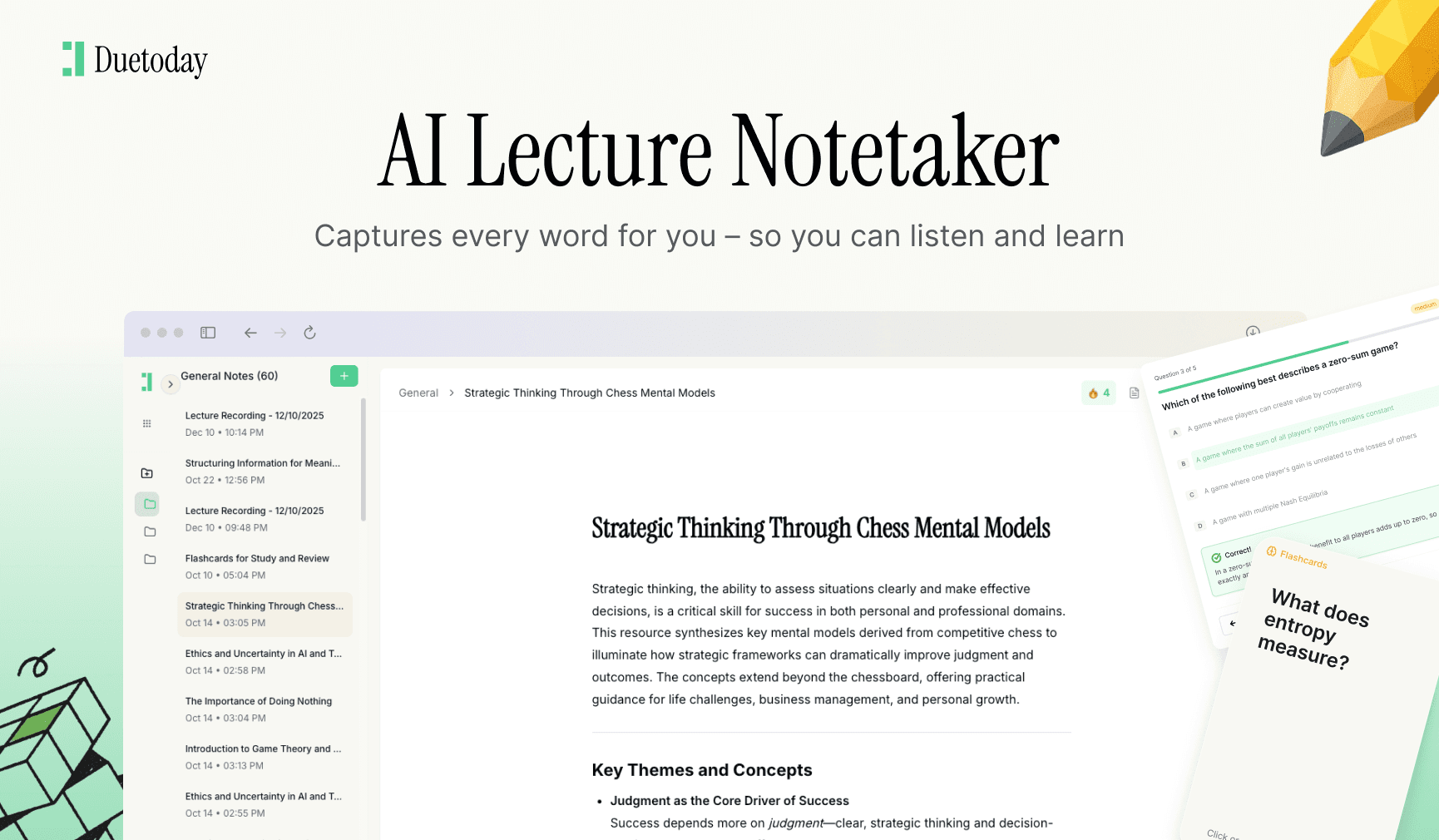
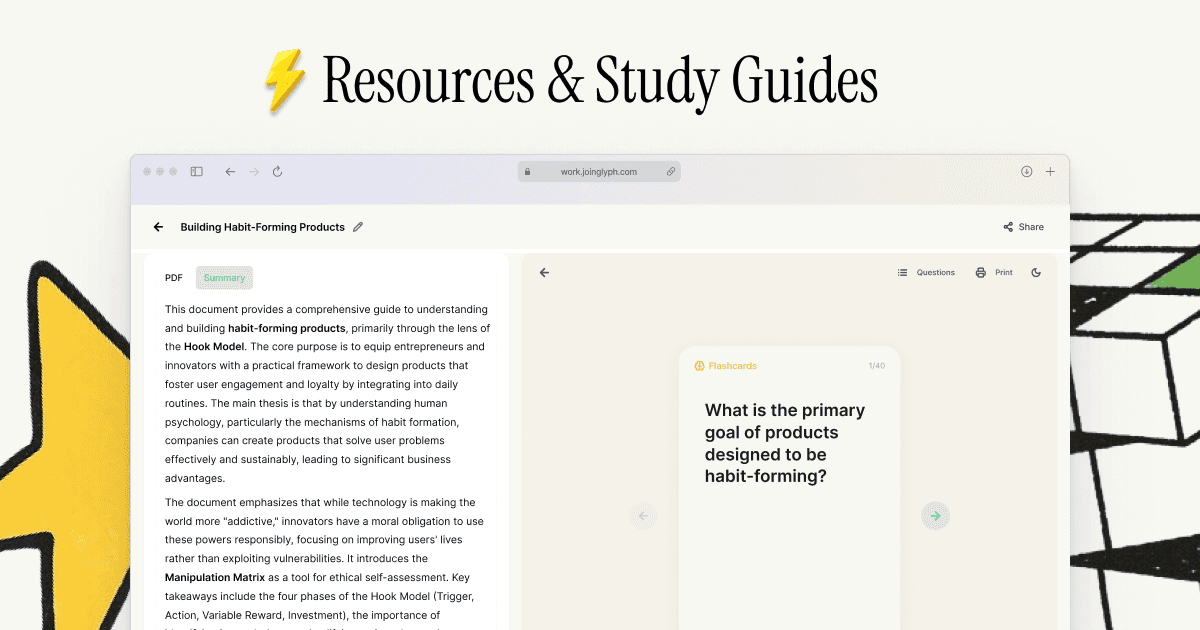
If you want to move beyond manual prompts, Duetoday offers a retention-first workspace. Simply upload your writing or grammar notes, and our AI Brain will automatically generate flashcards, practice sets, and structured study guides. No more jumping between tabs—just one place to learn, practice, and master grammar forever.

Pick two prompts from the list above and start your session. If you want it done automatically, try Duetoday today.

Duetoday is an AI-powered learning OS that turns your study materials into personalised, bite-sized study guides, cheat sheets, and active learning flows.

More Chatgpt Prompts
GET STARTED

Most Powerful Study Tool
for Students and Educators

Try Out Free. No Credit Card Required.
